Table of Contents >> Show >> Hide
- Why Pumpkins Go Bad So Fast
- The Best Way To Preserve Whole Pumpkins
- The Best Way To Preserve Carved Pumpkins
- What About Homemade Pumpkin Preserving Sprays?
- The Biggest Mistakes That Ruin Pumpkins
- So, What Is the Best Way To Preserve Pumpkins?
- Real-World Experiences With Pumpkin Preservation
- Conclusion
Note: Body-only HTML, ready to copy and publish.
Every fall, pumpkins become the supermodels of porches everywhere. They pose beautifully for exactly five minutes, then one hot afternoon later they look like they have seen things. If you have ever carved a masterpiece on Tuesday only to discover a saggy, moldy disaster by Friday, welcome to the club. The good news is that preserving pumpkins is not magic. It is mostly about slowing down moisture loss, reducing bacteria and mold, and keeping your pumpkin away from the environmental drama that makes it rot faster.
So what is the best way to preserve pumpkins? The honest answer is this: the best method depends on whether the pumpkin is whole or carved. A whole pumpkin lasts longest when it is cured properly and stored in a cool, dry, well-ventilated place. A carved pumpkin lasts longest when it is cleaned thoroughly, disinfected, kept cool, protected from sun and heat, and carved as close as possible to the day you want to show it off. In other words, the real hero is not one miracle spray. It is a smart system.
Why Pumpkins Go Bad So Fast
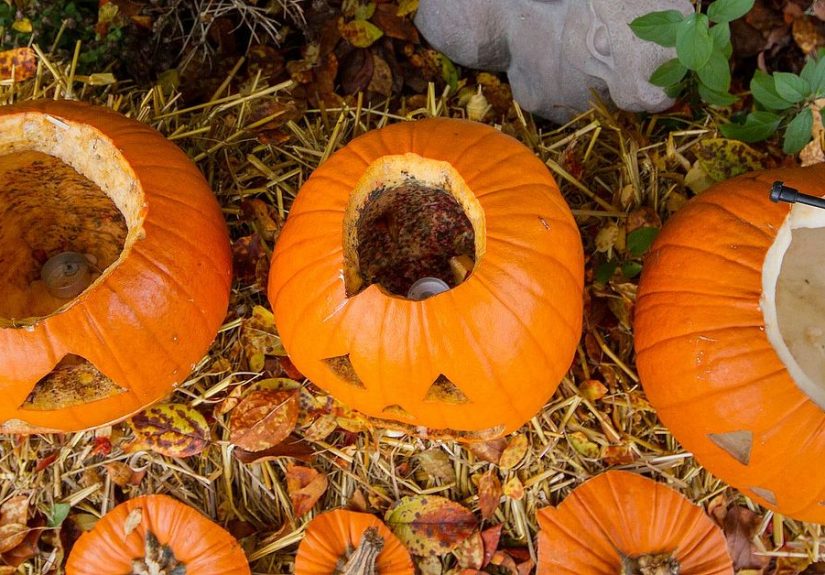
Pumpkins are sturdy, but they are not immortal. Once harvested, they slowly lose moisture and begin breaking down. The moment you carve one, things speed up dramatically. You have opened the skin, exposed wet flesh, introduced air, and practically mailed a handwritten invitation to mold, bacteria, and shriveling.
Heat makes the problem worse. Direct sunlight warms the flesh and dries it out. Too much humidity can encourage rot. Real candles add warmth from the inside, which is charming for photos and less charming for preservation. A carved pumpkin is basically trying to hold itself together with fall spirit and a rapidly declining moisture balance.
That is why the best pumpkin preservation strategy focuses on three goals:
Keep it clean. Remove microbes and messy pulp.
Keep it cool. Slow decay and dehydration.
Keep it hydrated, but not wet. Prevent shriveling without inviting rot.
The Best Way To Preserve Whole Pumpkins
If your pumpkin is uncarved, congratulations. You are already winning. Whole pumpkins naturally last much longer than carved ones because their skin is still intact. That rind is their built-in armor, and your job is to avoid wrecking it.
1. Start With a Healthy Pumpkin
The best preservation begins before the pumpkin ever reaches your porch. Choose one that feels firm, heavy for its size, and free of soft spots, deep cuts, bruises, or mold near the stem. The stem should be intact and sturdy. A broken stem is not just a cosmetic issue; it can create an entry point for decay.
Also, do not pick a pumpkin because it has “character” if that character looks suspiciously like damage. A charming scar in October can become a science project by next week.
2. Wash It Gently
Before displaying a whole pumpkin, wipe off dirt and surface grime with mild soap and water, then dry it completely. Clean skin means fewer hitchhiking microbes. Moisture left sitting on the surface, however, is not your friend, so drying matters just as much as washing.
3. Cure It if You Are Storing It Long-Term
If you are harvesting pumpkins from a garden or buying them early in the season, curing is the gold standard. Curing means holding pumpkins in warm conditions with good airflow for several days to about two weeks so the skin hardens and minor scratches heal over. This simple step can dramatically improve storage life.
For people who want pumpkins to last for décor, cooking, or later carving, curing is the best long-game move. Think of it as giving the pumpkin a protective jacket before winter.
4. Store Whole Pumpkins in the Right Spot
The ideal place is cool, dry, dark, and well ventilated. A shaded entryway, cool mudroom, garage shelf, or basement corner can work if temperatures stay moderate. Avoid freezing cold, intense heat, and damp floors. Do not stack pumpkins in a pile or wedge them tightly together. Good airflow helps reduce moisture buildup and slows decay.
One more overlooked detail: keep pumpkins away from apples, pears, bananas, and other ripening fruit if you are storing them indoors. Ripening fruit releases ethylene gas, which can shorten the storage life of nearby produce. Your pumpkin does not need roommates with a chemistry hobby.
The Best Way To Preserve Carved Pumpkins
Now for the hard truth. If you carve a pumpkin, you are trading shelf life for style. Still, you can absolutely get better results with the right method. The best way to preserve a carved pumpkin is a combination of deep cleaning, disinfection, cool temperatures, moisture protection, and smart timing.
1. Carve Late, Not Early
If you want your jack-o’-lantern to look great on Halloween night, do not carve it a week and a half too soon because you were “feeling festive.” Carve as close as possible to the day you plan to display it. This one move solves more problems than any homemade hack.
Even a well-preserved carved pumpkin has a limited life. Timing is not glamorous, but it is wildly effective.
2. Clean the Outside and Your Tools
Wash the pumpkin before carving and use clean tools. That simple habit helps reduce bacteria and mold introduced during the carving process. It is especially helpful when several people are carving together at a party, because nothing says “holiday spirit” like passing around one goo-covered knife and pretending microbes are seasonal décor.
3. Scoop It Out Thoroughly
Remove all seeds, strings, and as much interior pulp as possible. Leftover pulp holds moisture and gives mold a buffet. The cleaner the inside, the better your odds. Scraping the inner walls smooth can also help slow decay because there is less wet material hanging around inside the pumpkin.
4. Disinfect the Pumpkin
After carving, treat the pumpkin to reduce mold and bacteria. Many preservation guides recommend a diluted disinfecting soak or spray, often using a very diluted bleach solution or another household disinfecting approach appropriate for this use. If you go that route, it should be handled carefully and according to product directions. Some people prefer gentler options such as vinegar-based sprays, but results vary.
The main goal is not to perfume the pumpkin into submission. It is to knock down the microorganisms that turn your carving into fuzz.
5. Dry It Completely
This step gets skipped all the time, and that is a mistake. After disinfecting, pat the pumpkin dry and let the inside air-dry before display. Standing moisture invites mold, while a dry surface gives you a cleaner starting point.
6. Seal the Cut Edges
A thin layer of petroleum jelly or a similar moisture barrier on the cut edges can help reduce dehydration. This is especially useful when the carved areas begin to look dry or curled. Just remember: if you seal edges, use a battery-operated light instead of a real candle. Heat and flammable products are a terrible fall romance.
7. Use LED Lights, Not Real Candles
If your goal is preservation, LED wins by a mile. Real candles create heat inside the pumpkin, which dries the flesh and speeds breakdown. LEDs provide the spooky glow without turning your jack-o’-lantern into a warm, moist rot incubator.
8. Keep It Cool and Shaded
Put the pumpkin in a shaded place with airflow. Bring it inside during very hot afternoons or unexpected warm spells. If nights are freezing, protect it from frost too. Extreme heat and extreme cold are equally rude to pumpkins.
If you live in a warm climate, refrigeration can be a lifesaver. When the pumpkin is not on display, some people wrap it loosely and store it in the refrigerator overnight. It is not glamorous, but neither is watching your pumpkin collapse before trick-or-treaters arrive.
9. Rehydrate When It Starts to Shrivel
If your carved pumpkin begins looking tired, a cool water soak can help rehydrate it temporarily. After soaking, dry it thoroughly before putting it back outside. This trick will not reverse major rot, but it can revive a mildly droopy pumpkin and buy you extra display time.
What About Homemade Pumpkin Preserving Sprays?
Homemade pumpkin sprays can help, but they are not miracle workers. A good spray is meant to reduce microbial growth and slow drying. Some people use diluted vinegar sprays daily. Others use peppermint soap mixtures, diluted disinfecting formulas, or moisture-sealing methods combined with cool storage.
The truth is that no spray can fully compensate for poor timing, direct sun, leftover pumpkin guts, or a real candle cooking the inside like a tiny orange sauna. A spray is best used as part of a preservation routine, not as the entire plan.
The Biggest Mistakes That Ruin Pumpkins
Carving too early
This is the most common mistake. If the big reveal is still days away, patience is your best preservation product.
Leaving pulp inside
Messy interiors speed mold and smell. Clean it like you mean it.
Putting pumpkins in full sun
Sun looks lovely in autumn photos. Pumpkins disagree.
Using a real candle
Pretty glow, shorter lifespan.
Ignoring temperature swings
Hot porch by day, cold night by evening, repeat. Your pumpkin is not built for that emotional roller coaster.
Choosing a damaged pumpkin
You cannot preserve what is already halfway to compost.
So, What Is the Best Way To Preserve Pumpkins?
If we are choosing one best overall strategy, here it is:
For whole pumpkins: start with a healthy pumpkin, clean it, cure it if possible, and store it in a cool, dry, ventilated place away from heat, moisture, and ripening fruit.
For carved pumpkins: carve late, wash and disinfect, scoop thoroughly, dry completely, seal cut edges lightly if appropriate, use LED lighting, keep the pumpkin cool and shaded, and rehydrate it when it begins to shrivel.
That combination works because it addresses the real causes of pumpkin decline: microbes, heat, dehydration, and bad timing. It is practical, affordable, and far more reliable than random internet hacks involving mystery sprays and wishful thinking.
Real-World Experiences With Pumpkin Preservation
One of the most useful things people learn after a few fall seasons is that pumpkin preservation is rarely about one dramatic trick. It is about small decisions that add up. Families who decorate early often discover that the first pumpkin they buy in late September looks tired by mid-October unless it stays whole, shaded, and cool. Gardeners who harvest their own pumpkins tend to notice the difference between fruit with intact stems and fruit that got bumped, scraped, or dropped on the way to the porch. Teachers and parents running pumpkin carving nights quickly learn that the pumpkins carved by the most enthusiastic kids, who leave fistfuls of stringy pulp inside, are also the first ones to mold.
Another common experience is the surprise factor of weather. A pumpkin can look perfect for days, then soften overnight after one unseasonably warm afternoon on a sunny porch. People often blame the carving pattern, the size of the holes, or the “bad batch” of pumpkins from the patch, when the real issue is usually temperature. Cool autumn weather is generous. Warm weather is not. That is why so many experienced decorators bring carved pumpkins inside during hot spells and only place them out for evening display. It sounds fussy until you compare a pumpkin that stayed shaded and cool with one that baked in the sun for six hours. Suddenly, the “fussy” person looks like a pumpkin genius.
There is also the classic lesson about lighting. Plenty of people start with real candles because the glow is traditional and beautiful. Then they notice that the inside softens faster, the carved edges curl, and the pumpkin seems to age in dog years. Once they switch to LEDs, the difference becomes obvious. The pumpkin stays firmer, the design lasts longer, and nobody has to worry about heat or flame near a dried stem and any sealing product on the carved edges. Preservation suddenly becomes easier, cleaner, and a lot less dramatic.
People who preserve pumpkins year after year also become big believers in carving late. It is one of those annoying pieces of advice that turns out to be completely correct. The pumpkin carved two days before a party often looks better than the pumpkin carved a week in advance and lovingly sprayed every day like a spoiled houseplant. Timing beats effort more often than most people want to admit.
Then there is the rehydration trick. Many people assume a shriveling pumpkin is finished, but a cool soak can sometimes perk it back up enough for one more night on display. It does not perform miracles, and it will not rescue a rotten pumpkin, but it can revive one that is merely thirsty. That small success tends to feel weirdly triumphant, as though you and the pumpkin have both beaten the odds.
The shared experience behind all of these stories is simple: pumpkins last longer when people treat them less like decorations and more like fresh produce with feelings. Keep them clean, cool, dry where needed, and out of harsh conditions. Do that consistently, and your pumpkin has a much better shot at surviving the season with dignity intact.
Conclusion
The best way to preserve pumpkins is not a secret formula hidden in the back of a craft store. It is a smart, evidence-based routine. Whole pumpkins need curing and cool, dry storage. Carved pumpkins need cleanliness, disinfection, cool temperatures, moisture control, and good timing. Add LED lighting, shade, and the occasional rehydrating soak, and you have the strongest preservation plan most people will ever need.
So this year, give your pumpkin a fighting chance. Buy wisely, carve later, keep it cool, and stop expecting a fresh autumn vegetable to survive like a plastic lawn flamingo. With the right method, your pumpkin can stay handsome a whole lot longer.
![18 Best Types of Charts and Graphs for Data Visualization [+ How to Choose]](https://corkopencoffee.org/wp-content/uploads/2026/05/18-best-types-of-charts-and-graphs-for-data-visualization-how-to-choose-qKM1PBYG-thumb.jpg)