Table of Contents >> Show >> Hide
- Why Art Deco Is Back on Everyone’s Radar
- What Defines This Roaring ’20s Decorating Trend?
- Why Everyone’s Pinning It Right Now
- How to Bring Art Deco Revival Into Your Home
- Room-by-Room Ideas for a Modern Deco Look
- Mistakes to Avoid
- Why This Trend Has Real Staying Power
- Experiences With the Trend: What It Actually Feels Like to Live With It
- Conclusion
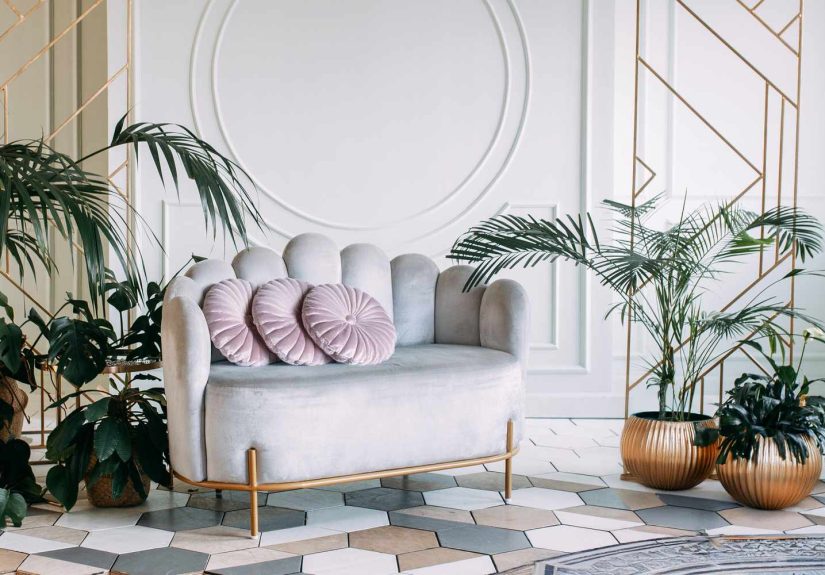
If your Pinterest feed suddenly looks like it wants to order a French 75, turn on a brass lamp, and dramatically sweep into the room wearing velvet, you are not imagining things. The decorating trend inspired by the Roaring ’20s that everyone is pinning right now is a modern take on Art Deco, often called Neo Deco. It brings back the glamour, confidence, and geometry of the Jazz Age, but with better restraint, smarter layering, and far less risk of making your living room look like a movie set.
In other words, this is not about recreating a 1928 hotel lobby in your hallway. It is about borrowing the best parts of Art Deco interiorsbold symmetry, sculptural lighting, rich materials, curved silhouettes, and a little sparkleand translating them into a home that still feels current, comfortable, and livable. Think less “time capsule,” more “timeless with excellent accessories.”
For homeowners, renters, and serial re-decorators alike, the appeal is obvious. After years of soft neutrals, quiet luxury, and spaces so beige they practically whispered, this trend feels like a stylish exhale. It is polished without being stiff, dramatic without being chaotic, and luxurious without demanding that every surface be mirrored. That balance is exactly why this Roaring ’20s decorating trend is taking off.
Why Art Deco Is Back on Everyone’s Radar
Design trends tend to swing like a pendulum. When homes have leaned minimalist for a long stretch, people start craving personality. When everything feels soft and organic, clean geometry starts to look fresh again. That is a big reason Art Deco revival has returned with such force. The look offers structure, confidence, and visual rhythm at a time when many people want their homes to feel more expressive and memorable.
There is also the nostalgia factor. The 1920s still hold a strong cultural grip because they represent optimism, glamour, nightlife, craftsmanship, and a certain fearless sense of style. In decorating terms, that translates into homes with statement lighting, glossy finishes, graphic patterns, and furniture that knows how to make an entrance. People are drawn to rooms that feel curated instead of flat-packed and forgettable. Deco delivers that with a wink and a very good side profile.
But the version catching fire today is softer and more flexible than strict historical Art Deco. Modern designers are mixing Deco influences with contemporary silhouettes, warm neutrals, vintage finds, and tactile materials. That keeps the look from feeling costume-like. It also makes the trend much easier to adopt in real homes, whether your budget says “custom marble” or “throw pillow with ambition.”
What Defines This Roaring ’20s Decorating Trend?
1. Geometry That Means Business
The backbone of Art Deco style is geometry. You will see arches, chevrons, fan motifs, stepped forms, scallops, and bold symmetry everywhere. These shapes create instant structure and polish. A mirror with a sunburst frame, a rug with graphic lines, or a cabinet with fluted fronts can all channel the trend without requiring a full-room overhaul.
This is one reason the look photographs so well and performs so nicely on Pinterest. Strong shapes read clearly on screen. They create visual interest fast. A plain room can disappear into the scroll; a room with a curved velvet chair under a geometric chandelier absolutely refuses to be ignored.
2. Luxurious Materials With a Modern Filter
Classic Art Deco loved materials that reflected light and signaled glamour: brass, chrome, lacquer, mirrored finishes, marble, velvet, glass, and rich wood veneers. Today’s version still embraces those materials, but usually in a more edited way. Instead of filling a room with shine from floor to ceiling, designers use one or two standout finishes to create contrast and depth.
That might mean a walnut sideboard with brass hardware, a dark green velvet accent chair, or a bathroom vanity topped with dramatic stone. The trick is intentionality. Deco looks best when the materials feel chosen, not piled on in a panic after one too many late-night shopping tabs.
3. Color That Knows How to Work a Room
Color plays a big role in this decorating trend. Jewel tones like emerald, sapphire, garnet, plum, and deep teal fit naturally with the aesthetic, especially when paired with black, cream, chocolate brown, or warm metallics. Even if you prefer a calmer palette, you can still tap into the look by layering in moody color through art, upholstery, wallpaper, or accessories.
The modern twist is that these colors are often tempered with softer backdrops. Rather than going full Gatsby in every room, many homeowners use a neutral envelope and add Deco drama in strategic places. One bold wallpapered powder room, a moody dining nook, or a brass-and-burlwood bar cart moment can go a long way.
Why Everyone’s Pinning It Right Now
Pinterest-friendly decorating trends usually share a few qualities: they are visually distinct, emotionally appealing, and easy to adapt at different price points. Neo Deco checks every box. It feels glamorous, but it is also versatile. Someone with a city apartment can pull it off with lighting, hardware, and a rug. Someone renovating a house can go bigger with arched millwork, tiled floors, or sculptural stone.
The look also works beautifully in “before and after” content, which helps it spread. A bland room becomes instantly more compelling when you add contrast, shine, pattern, and shape. A basic entryway becomes a moment with a lacquered console and a fan-shaped mirror. A sleepy bedroom wakes up with a channel-tufted headboard and globe sconces. The visual payoff is quick, which is catnip for mood boards everywhere.
Most importantly, the trend taps into a broader craving for interiors that feel personal and collected. Art Deco revival is not just pretty. It suggests intention. It says, “Yes, I chose this lamp on purpose,” which is exactly the kind of energy people want their homes to have right now.
How to Bring Art Deco Revival Into Your Home
Start With One Hero Piece
The easiest way to try this trend is to begin with one statement item. A curved sofa, a geometric area rug, a waterfall-edge console, a brass chandelier, or an oversized mirror can establish the mood without making the room feel overproduced. Once that anchor is in place, add smaller supporting details around it.
Use Repetition Instead of Randomness
Good Deco-inspired rooms feel composed. Repeat a shape, finish, or tone so the design looks cohesive. If you choose brass hardware in a kitchen, echo that finish in the lighting. If you introduce arches through a mirror, repeat the curve in a chair back or side table. This keeps the room elegant instead of looking like four different trends got into an argument.
Mix Vintage and Contemporary Pieces
One of the smartest ways to make Art Deco feel current is to pair vintage-inspired details with clean modern furniture. A sleek modern sofa can sit beautifully next to a Deco side table. A traditional room can handle a punchy geometric wallpaper. A contemporary bedroom can feel richer with a fluted nightstand and smoked-glass lamp. This mix prevents the space from feeling frozen in one era.
Don’t Forget Texture
Texture is what stops glam from turning slippery. Velvet, mohair, ribbed glass, polished wood, marble veining, nubby wool, and pleated shades all help. A room with flat surfaces only will feel cold, no matter how many gold accents you throw at it. A room with layered texture feels luxurious in a way that is inviting, not intimidating.
Room-by-Room Ideas for a Modern Deco Look
Living Room
Try a curved sofa, a geometric rug, a smoked-glass coffee table, or a sculptural chandelier. Add one dark, moody color and one metallic finish. Keep the layout symmetrical if the room allows. Deco loves balance.
Dining Room
This trend shines in dining spaces because the mood is naturally a little more dramatic. Consider a glossy table, upholstered dining chairs, a bold wallpaper, or a light fixture with globe or tiered details. If you have a bar cart, congratulations: it has finally found its true calling.
Bedroom
Go softer here. A channel-tufted headboard, scalloped mirror, high-contrast bedding, or ribbed nightstands can bring in the look without making the room feel too formal. Choose materials that catch light gently, not aggressively.
Bathroom or Powder Room
Bathrooms are ideal for a concentrated dose of Deco drama. Think checkerboard floors, jewel-toned tile, arched mirrors, fluted vanities, or polished metal fixtures. Small spaces can handle bolder decisions because they do not have to work as hard all day long.
Mistakes to Avoid
Do not turn every surface shiny. One mirrored table is glamorous. Five mirrored tables look like your furniture is trying to blind you.
Do not confuse “bold” with “busy.” Art Deco style relies on strong forms, but it still needs breathing room. Let statement pieces stand out.
Do not ignore comfort. A room can be dramatic and still feel livable. If the sofa looks fabulous but feels like a waiting room for rich ghosts, keep shopping.
Do not copy a showroom exactly. Pinterest is great for inspiration, but the most successful Deco-inspired rooms still reflect the people living in them. Add books, art, heirlooms, and pieces with character.
Why This Trend Has Real Staying Power
Some decorating crazes burn bright and vanish by the time your order confirmation email arrives. This one has better odds. Art Deco has a long design legacy, and the elements driving the current revivalquality materials, sculptural shapes, statement lighting, vintage sourcing, and layered glamourare timeless enough to outlast a fast trend cycle.
That is especially true when you approach the style selectively. A room does not need to become a shrine to the Jazz Age to benefit from Deco influence. A few well-chosen details can make a home feel more polished, memorable, and joyful. That is why this trend feels bigger than a passing obsession. It speaks to a larger shift in how people want their homes to feel: expressive, elevated, and full of personality.
Experiences With the Trend: What It Actually Feels Like to Live With It
One of the most interesting things about this Roaring ’20s decorating trend is that it changes not just how a room looks, but how it feels to use. People often assume glamorous interiors are for admiring from a distance, like fancy pastries behind glass. But a good Neo Deco space is surprisingly livable. It can make everyday routines feel a little more intentional, which sounds dramatic until you realize that even making coffee feels different when your kitchen lighting is warm, your hardware has some shine, and your surroundings do not look like a waiting room for beige.
In a living room, the experience is often about atmosphere. Curved seating naturally encourages conversation. Richer colors make evenings feel cozier. A sculptural lamp creates a softer, more flattering glow than harsh overhead lighting ever could. Suddenly, the room feels less like a place where the TV happens to live and more like a place where people actually want to sit, talk, read, and linger. That is a big reason this trend resonates: it gives rooms emotional texture, not just visual style.
Dining spaces benefit too. A Deco-inspired dining room, even a modest one, tends to feel occasion-ready. The room does not have to be formal, but it does feel considered. A glossy table surface, upholstered chairs, or dramatic wallpaper can make takeout noodles feel weirdly elegant. Not white-tablecloth elegant, necessarily. More like “I should probably light a candle and pretend I planned this” elegant.
Bedrooms take on a different personality with the trend. When you bring in a channel-tufted headboard, moody colors, or metallic accents, the room feels more cocooning and cinematic. Not flashy. Just a little more intentional and grown-up. Many people find that this kind of detail makes a bedroom feel like a retreat rather than an afterthought, especially when combined with layered textiles and softer lighting.
The best experience of all, though, may be psychological. Deco-inspired spaces often feel uplifting because they embrace beauty without apology. There is something refreshing about a room that is allowed to be polished, playful, and a little dramatic. It reminds people that a home does not have to be plain to be practical. A beautiful mirror still reflects. A velvet chair still gives you somewhere to sit. A brass sconce still lights the room. Function does not disappear just because style showed up looking fabulous.
That may be the deepest reason this trend is everywhere right now. People want homes that feel like themselves, only a little more confident. Neo Deco offers that. It says you can have order without sterility, glamour without stuffiness, and vintage influence without living in a museum. For many homeowners, that balance feels exciting. For Pinterest users, it feels irresistible. And for anyone tired of rooms that look polite but forgettable, it feels like permission to have a little more fun.
Conclusion
The decorating trend inspired by the Roaring ’20s that everyone’s pinning right now is not about copying history line for line. It is about reviving the best parts of Art Deco and adapting them for modern life. Geometry, symmetry, statement lighting, rich materials, and confident color are all part of the appeal, but the real magic is in the mood: polished, expressive, and just daring enough to make a room memorable. Whether you add a brass sconce, a velvet chair, a fluted cabinet, or a full-on Deco wallpaper moment, the goal is the samecreate a space with character, rhythm, and a little bit of swagger. Frankly, our walls deserve a social life too.