Table of Contents >> Show >> Hide
Feminist movies aren’t a single genreyou won’t find them in a neat little aisle between “Rom-Com” and “Movies Where a Dog Understands English.”
They’re stories that widen the frame: women (and girls) get to be complicated, ambitious, furious, funny, brilliant, flawed, and fully humanwithout being
punished by the plot for taking up space.
This list is a greatest-hits mixtape of feminist film: workplace rebellions, friendships that feel like oxygen, courtroom mic-drops, media takedowns,
and coming-of-age stories where the heroine doesn’t have to “learn her lesson” by shrinking herself. Some picks are hilarious. Some are heavy.
All of them leave you with something to talk about after the credits roll.
What Makes a Movie “Feminist,” Anyway?
Feminism in film isn’t just a speech about equality (although we love a good speech). It’s more about structurewho gets agency, whose interior life
matters, and what the story treats as normal versus unacceptable. A movie can be feminist without being perfect, and it can be “girlboss-y” without being feminist.
Here are a few green flags to look for:
1) Women are the point of view, not the plot device
If female characters exist mainly to inspire a man, punish a man, or “heal” a man, that’s not feminismthat’s unpaid emotional labor with a soundtrack.
Feminist films let women drive the story with their choices, not just their suffering.
2) The movie notices powereven when it’s wearing a friendly face
Feminist storytelling pays attention to who has money, credibility, safety, and freedom. It can be subtle (a raised eyebrow at a double standard) or loud
(a full-on revolution). Either way, it doesn’t pretend the playing field is level.
3) “Strong female character” means interesting, not invincible
Real strength looks like persistence, humor, messiness, and growthnot just kicking someone in slow motion. Feminist movies allow women to fail, learn, and
still be worth rooting for (a shockingly rare privilege in fiction, honestly).
4) It makes room for intersectionality
Gender doesn’t exist in a vacuum. The best feminist films understand how race, class, disability, sexuality, and culture shape what “freedom” even means.
That’s not a checklistit’s reality.
The Greatest Feminist Movies Everyone Should Watch
Consider this your watchlist with range: comedy, drama, history, documentary, and a few emotional gut-punches (the respectful kindno jump scares, just feelings).
If you’re planning a marathon, mix lighter picks with heavier ones so your soul can hydrate.
9 to 5 (1980)
A workplace comedy that’s basically a feminist pressure valvestill painfully relevant. Three women team up after years of being overlooked, underpaid, and
disrespected, turning office misery into rebellion with jokes sharp enough to open mail. It’s satire, but the issues (credit-stealing, harassment, “smile more” energy)
are real. The movie’s secret weapon is how it makes solidarity feel not just righteous, but fun.
Thelma & Louise (1991)
A landmark story of female friendship that refuses to be polite about freedom. What starts as a getaway becomes a crash course in how quickly society punishes
women for stepping outside assigned rolesespecially when they stop asking nicely. It’s thrilling, heartbreaking, and still a reference point for how films portray
women on the run, women in rage, and women choosing each other.
A League of Their Own (1992)
A sports movie that understands something radical: women are allowed to want greatness. Set during World War II, it celebrates athletes who are talented,
competitive, and exhausted by the demand to be entertaining and “ladylike.” The film turns sisterhood into a team sportmessy, funny, loyal, and hard-won.
Plus, it’s a reminder that women’s history isn’t just surviving; it’s also playing.
Erin Brockovich (2000)
A working-class heroine who doesn’t fit anyone’s idea of “professional,” and that’s exactly the point. Erin walks into rooms where she isn’t respectedthen
outworks everyone there. It’s feminist not because she’s perfect, but because the movie refuses to punish her for being loud, emotional, and determined.
The story is also a great example of how women’s laborresearch, listening, persistencecan become power.
Legally Blonde (2001)
This is your joyful antidote to the “pick a personality” myth. Elle Woods is feminine, smart, underestimated, and refuses to trade her identity for credibility.
The movie flips a tired stereotype into a weapon of self-confidenceand it’s sneakily feminist in how it values kindness and competence at the same time.
It’s also a public service announcement: do not confuse someone’s aesthetic with their IQ.
North Country (2005)
A tough watch with an important spine: the cost of speaking up when a workplace normalizes harassment and intimidation. The film focuses on what it takes
to insist that dignity is not a “perk,” especially when the system is built to silence you. It’s not light entertainment, but it’s deeply feminist in the way
it shows how communities can pressure women into accepting harmand how bravery can be contagious.
Persepolis (2007)
An animated coming-of-age story that proves cartoons can hit like truth. Based on a young girl’s life in Iran during political upheaval, it explores identity,
rebellion, family, and the pressure to be “acceptable” in worlds that police women’s bodies and opinions. The feminism here is intimate: the right to be yourself
when everythingfrom politics to peer pressuretries to edit you into silence.
Miss Representation (2011)
If you’ve ever watched a movie and wondered why powerful women get called “unlikeable,” this documentary connects the dots. It examines how media shapes
what audiences accept as leadership, beauty, and valueand how those messages affect girls’ confidence and ambitions. It’s the kind of film that changes the way
you watch everything afterward (including ads, headlines, and the “she’s too aggressive” comments section).
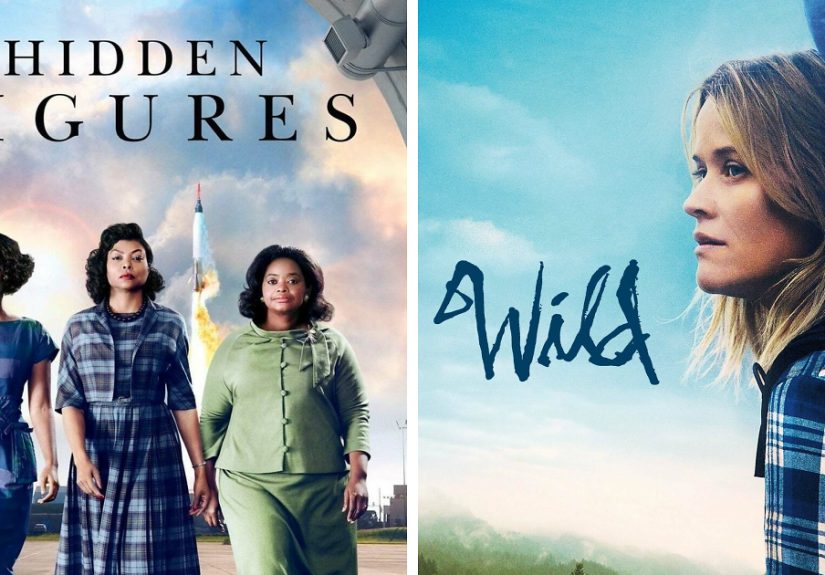
Hidden Figures (2016)
Feminism doesn’t only live in protest; sometimes it lives in a math equation that refuses to be ignored. This film spotlights Black women at NASA whose expertise
powered the Space Race while they navigated racism and sexism at the same time. It’s inspiring, yesbut it also shows how “being brilliant” doesn’t protect you from bias.
The most feminist detail is the insistence that their work isn’t a side note. It’s the headline.
Little Women (2019)
A story about women choosing their livesart, love, family, independencewithout pretending there’s only one “right” way to be fulfilled. The film’s feminism is
in its honesty: ambition costs something, money matters, and gender expectations don’t disappear just because you’re talented. It also celebrates women’s creativity
as real labor, not a cute hobby. (Yes, writing is work. Pay writers. End of sermon.)
Promising Young Woman (2020)
A dark, stylized film that explores how society excuses harm and rewards “nice guys” with infinite benefit of the doubt. It’s intentionally uncomfortable,
using satire to question what accountability looks like when the culture prefers convenient forgetting. Content note: the movie deals with sexual violence themes
(without graphic depiction), and it can be emotionally intensebest watched when you’re in the mood for conversation afterward, not background noise.
She Said (2022) and Women Talking (2022)
Two films, two approaches, one shared mission: naming harm and refusing silence. She Said focuses on investigative journalismhow truth is built through
patience, verification, and protecting sources in a world that doubts women by default. Women Talking centers a community processing violence and choosing a path
forward through dialogue, grief, and moral clarity. Both are feminist because they treat women’s testimony as real, and women’s choices as the storynot the footnote.
How to Watch These Movies Without Burning Out
Feminist films can be energizing, but some are heavy because reality is heavy. A smart watch plan keeps the experience meaningful instead of miserable:
- Pair intensity with relief: Follow a hard drama with a comedy like Legally Blonde or 9 to 5.
- Watch with a “why” question: Ask, “Who has power hereand how do they keep it?” You’ll notice new layers.
- Talk after, even briefly: The best feminist movies don’t end; they echo. A five-minute discussion counts.
- Notice the craft: Who gets close-ups? Who gets interrupted? Who gets believed? Film language is part of the message.
Conclusion: Feminist Movies Aren’t HomeworkThey’re Fuel
The greatest feminist movies don’t all look the same, because feminism doesn’t. Some films make you laugh at the absurdity of inequality; others make you furious
that we’re still arguing about basic dignity. The common thread is clarity: women are not supporting characters in their own lives. Watch these films for inspiration,
for language, for community, and for the simple pleasure of seeing women written like they matterbecause they do.
Experiences: What It’s Like to Live With These Movies After You Watch Them ()
One of the funniest surprises about feminist movies is how they keep showing up in your everyday lifelike glitter you didn’t consent to, except it’s insight.
You finish 9 to 5 and suddenly your group chat is diagnosing workplace nonsense with the precision of a legal team: “That’s credit theft.” “That’s a double standard.”
“That’s a ‘We’re a family here’ red flag.” The movie gives people a shared language for things they’ve felt but couldn’t name. And naming it is powerful.
Watch Legally Blonde with friends and you’ll probably see the same pattern: everyone starts out quoting the fashion and the jokes, and thenmidway through
someone gets unexpectedly emotional. Because it’s not just a comedy; it’s the relief of seeing a woman stay kind and bright without being treated as stupid for it.
A lot of viewers recognize the “I tried to be taken seriously by becoming someone else” trap. When Elle refuses that bargain, it hits harder than it has any right to.
Movies like Hidden Figures create a different kind of experience: the warm ache of pride mixed with the frustration of “How did I not learn this earlier?”
People often leave wanting to text a teacher, a parent, or a younger siblingbecause the story feels like a correction, not just entertainment. It also shifts how you
look at achievement. The takeaway isn’t “be extraordinary and you’ll be fine.” It’s “extraordinary people still face bias, so the system has to change.”
Then there are the heavier filmsNorth Country, She Said, Women Talking. The experience of watching them is often quieter. You notice fewer snacks
getting grabbed. People pause more. Afterward, the conversation tends to start with a long “so…” because everyone is deciding how honest to be. These movies can make
viewers feel protective, angry, and tender all at once. They also highlight something important: courage is rarely a solo performance. It’s usually a relay raceone person
speaks, another backs them up, another takes the next step.
And then there’s Thelma & Louise, which people talk about like a legend. The experience isn’t just watching a plot unfold; it’s watching boundaries snap.
Viewers often describe feeling both exhilarated and heartbroken, because the movie captures the thrill of choosing freedomand the fear of what the world does to women
who choose it. That emotional contradiction is part of its power.
The best “experience” of all is rewatching. Feminist movies age differently depending on where you are in life. You might first watch Little Women as a story
about love, and later rewatch it as a story about money, labor, and authorship. You might first see Miss Representation and feel shocked, then rewatch it and feel
oddly calmbecause now you spot the patterns instantly, and you’re not gaslighting yourself anymore. These films don’t just entertain. They upgrade your eyesight.