Table of Contents >> Show >> Hide
- Who Is Gideon Kidd, And Why Did Everyone Fall in Love With His Account?
- Why This Account Went Viral When So Much Online Content Burns Out Fast
- The Secret Ingredient: Dogs Make People More Social
- What Makes the Posts Better Than Generic “Cute Dog” Content
- A Useful Lesson Hidden Inside the Wholesomeness
- From Viral Account to Bigger Dog-Loving World
- Why the Internet Needed This Kind of Story
- What Readers and Creators Can Learn From Gideon’s Success
- Extra Experiences: What It Feels Like to Follow a Dog-by-Dog Internet Diary
- Final Thoughts
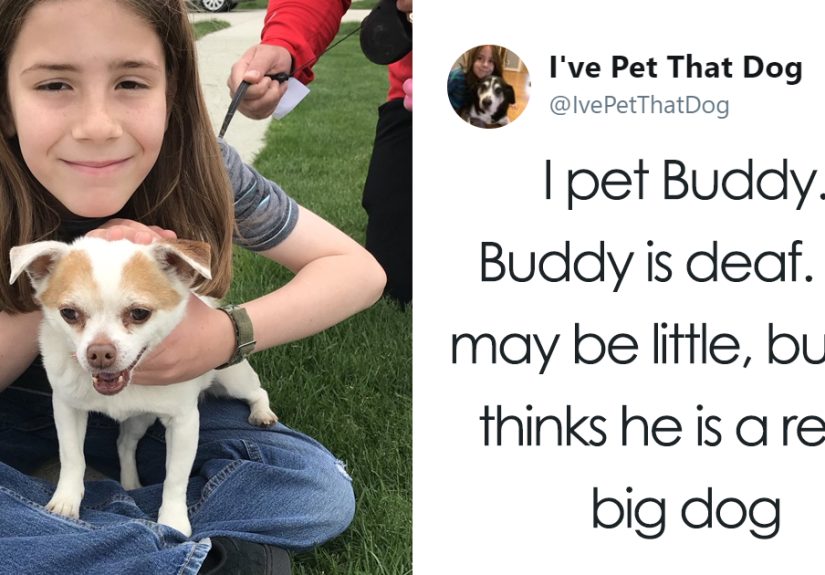
Every once in a while, the internet accidentally remembers it has a soul. Not a brand voice. Not a fake-deep quote over a sunset. An actual soul. And one of the best examples is the wonderfully wholesome account created by Gideon Kidd, the dog-loving kid from Iowa who started posting photos and mini write-ups about every dog he managed to pet.
The concept is almost suspiciously simple: Gideon meets a dog, asks to pet the dog, learns a little about that dog’s life, then shares a photo and a tiny biography online. That’s it. No rage-bait. No celebrity scandal. No algorithm-chasing “top 10 reasons this golden retriever is problematic.” Just one kid, one dog, one post at a time.
And yet people could not get enough.
In a digital world that often feels like it was built by caffeinated raccoons fighting over a Wi-Fi router, “I’ve Pet That Dog” became the kind of account people wanted to protect with their whole hearts. It was funny, sweet, oddly calming, and surprisingly smart. More than that, it reminded people that the internet works best when it feels human. Or, in this case, human plus one very fluffy sidekick.
Who Is Gideon Kidd, And Why Did Everyone Fall in Love With His Account?
Gideon Kidd’s dog project started as a website, then exploded when it moved onto Twitter. What made it instantly memorable was not just that he liked dogs. Plenty of people like dogs. That is not exactly a bold niche. The magic was in the format.
Each post felt like a tiny field report from the happiest beat on earth. Gideon would share a photo of himself with a dog and include details like the dog’s name, age, breed, quirks, habits, or favorite snacks. Suddenly, the internet was not just looking at a cute animal. It was meeting that specific dog. A pug who ignores commands. A puppy raised by another nursing dog. A rescue with a dramatic backstory. A companion who helped someone through depression. The dogs were adorable, yes, but they were also treated like individuals.
That distinction matters.
Most viral animal content asks you to react fast: laugh, squeal, share, move on. Gideon’s posts asked people to slow down for a second. Read the caption. Notice the dog’s personality. Think about the owner. Appreciate the strange, funny, tender details that make every pet unforgettable to the people who love them.
That is a big reason the account took off. It did not just show dogs. It gave them context. It made each post feel like a tiny neighborhood story from a very polite roving reporter whose main journalistic goal was, “Excuse me, may I pet your dog?” Frankly, that is better than half of cable news.
Why This Account Went Viral When So Much Online Content Burns Out Fast
1. It was sincere in a way the internet rarely is
Many popular accounts succeed by being louder, meaner, or weirder than everyone else. Gideon’s succeeded by being sincere. That sincerity was not polished into blandness, either. It felt specific and real. He genuinely loved meeting dogs, and that enthusiasm made people trust the content right away.
There was no wink to the camera, no “look how wholesome I am” performance. That kind of authenticity is hard to fake, and audiences know it when they see it. People were not just consuming dog content. They were watching delight happen in real time.
2. Every dog became a character
The internet loves repeatable formats, but only if the format leaves room for surprise. “I’ve Pet That Dog” nailed that balance. The basic structure stayed familiar, while every dog introduced a new twist. Some were goofy. Some were dramatic. Some were tiny and opinionated. Some sounded like retirees with hobbies. Some had rescue stories that could break your heart and repair it in the same paragraph.
This made the account feel less like a feed and more like a growing universe of canine personalities. Readers came for the cute faces and stayed for the tiny biographies.
3. It turned social media into a map of human connection
At its core, the account is not only about dogs. It is about what dogs unlock between people. Gideon had to approach owners, ask permission, listen, and engage. That simple routine transformed random encounters into conversations. A walk around town became a string of introductions, stories, and shared smiles.
That is part of what made the account feel so refreshing. It showed social media as the result of real-world interaction, not a substitute for it. The posts were born offline. The internet was simply the scrapbook.
The Secret Ingredient: Dogs Make People More Social
There is real science behind why an account like this feels so emotionally satisfying. Human-animal interaction research has long suggested that pets can help reduce stress, support social connection, and improve emotional well-being. Simply being around animals can be calming. Petting a dog can be soothing. Walking a dog can make strangers talk to one another when they otherwise never would.
That matters because “I’ve Pet That Dog” sits at the intersection of all three things people crave most online and offline: comfort, connection, and low-stakes joy.
Think about it. Each post contains a small social ritual. Gideon asks permission. The owner shares a story. The dog, ideally, accepts the arrangement and does not treat the situation like a wrestling audition. Everybody leaves with a nice moment. Then thousands of people online get to enjoy the afterglow.
In other words, the account works because it captures something many people miss in daily life: casual goodness. Not grand heroism. Not polished inspiration. Just a steady stream of evidence that people are still out there loving their animals, telling stories, and being unexpectedly kind to strangers.
What Makes the Posts Better Than Generic “Cute Dog” Content
Let’s be honest: the internet is already full of dogs. The competition is fierce. A corgi in a raincoat has range. A husky screaming at a Roomba has legacy status. So why did Gideon’s account feel different?
Because it gave dog content narrative shape.
A random dog photo says, “Here is a cute dog.” Gideon’s style says, “Here is Coco. She is fearless even though she is little. Here is Stella, who helped someone through depression. Here is Tucker, who does not follow commands because rules are apparently a suggestion.” That shift changes everything. It turns a scroll-past image into a mini portrait.
It also taps into something powerful about pet ownership: people do not talk about their dogs like household accessories. They talk about them like roommates, best friends, comedians, emotional support systems, toddlers with fur, and occasionally tiny union leaders who demand snacks at very specific times.
Gideon’s captions understand that instinct perfectly. He does not flatten dogs into content units. He introduces them the way proud humans introduce loved ones.
A Useful Lesson Hidden Inside the Wholesomeness
Another reason the account resonated is that it quietly models good behavior around dogs. This is not a kid sprinting toward every wagging tail like a confetti cannon in sneakers. The process starts with permission. Ask the owner. Let the dog approach. Learn the dog’s signals. Understand that not every dog wants interaction.
That is important, especially for children. Public-health guidance consistently emphasizes that people should ask before petting another person’s dog and that children need supervision around dogs, even familiar ones. The sweetest-looking dog in the park is still an individual animal with boundaries, moods, and preferences. Gideon’s account makes that lesson feel natural instead of preachy.
And honestly, that might be one of the smartest things about the whole project. It celebrates affection without encouraging chaos. It teaches curiosity with respect. It says, in effect, “Yes, dogs are amazing. Also, let us behave like civilized mammals.”
From Viral Account to Bigger Dog-Loving World
As the account grew, so did Gideon’s reach. What began as a charming online diary eventually turned into a larger platform, including a book about meeting, petting, and understanding dogs. That evolution makes perfect sense. The appeal was never just “look at this kid with a dog.” It was the whole worldview behind the project.
That worldview is simple but powerful: every dog has a story, every interaction can be meaningful, and joy is worth documenting.
Even during the pandemic, when in-person dog meetings were no longer safe in the same way, the project adapted instead of disappearing. Gideon and his family found ways to keep sharing dog stories virtually. That may sound like a small thing, but it speaks to why audiences stayed attached. The account was not built on gimmick alone. It was built on a genuine love of dogs and a real desire to make people smile.
And yes, that smile matters. Especially online, where too much content is engineered to spike your blood pressure before breakfast.
Why the Internet Needed This Kind of Story
The phrase “the internet is obsessed” gets thrown around so often it has basically become background wallpaper. But in this case, it fits. People were not obsessed because the account was shocking. They were obsessed because it felt safe, funny, and deeply decent.
It reminded adults what it looks like when a child’s hobby is allowed to stay charming instead of being forced into some grim productivity machine. It reminded pet owners that the details they adore about their dogs are not ridiculous at all; they are exactly what make dogs memorable. And it reminded everyone else that social media still has room for tenderness, surprise, and stories that do not demand a hot take.
There is also something deeply American about the whole thing in the best possible sense: a small-town-feeling project, built from neighborly conversation, growing into a nationwide feel-good phenomenon because people recognized themselves in it. Who has not stopped mid-sentence for a dog? Who has not felt a little better after seeing one? Who has not wanted to ask a stranger, “What is your dog’s name?” and then immediately become invested in that dog’s life story?
Exactly.
What Readers and Creators Can Learn From Gideon’s Success
If you create content for the internet, Gideon’s account offers a sneaky masterclass. It proves that originality does not always mean inventing something elaborate. Sometimes it means noticing what other people overlook and presenting it with care. A simple recurring format can feel fresh when it is powered by curiosity. A niche can become huge when it taps into a universal feeling. And warmth is not weakness. In many cases, it is the whole strategy.
If you are just a regular person trying to survive modern life, the lesson is even better: pay attention to small joys. Keep track of what delights you. Talk to people. Ask questions. Learn names. Notice personalities. The things that seem tiny in the moment often become the stories people remember most.
Also, yes, pet the dog. Politely. Responsibly. With consent. The legal department inside my brain insists on that wording.
Extra Experiences: What It Feels Like to Follow a Dog-by-Dog Internet Diary
One of the most interesting things about “I’ve Pet That Dog” is the experience it creates for readers. Following the account can feel like standing on a friendly front porch while someone introduces you to the best dogs in town one by one. You are not just looking at pets. You are participating in a ritual of recognition. Here is a dog. Here is what makes this dog special. Here is why today is better because this dog exists.
That experience lands differently from regular social media scrolling. Usually, feeds are built for speed. You skim, react, forget. Gideon’s posts invite a softer pace. You pause to read the caption. You picture the dog doing the quirky thing described. You laugh when a tiny terrier sounds like he runs the household with an iron paw. You melt when an older dog is described like a gentle grandparent in a fur coat.
For dog owners, the experience can be even more immediate. Many people recognize their own pets in the posts. The stubborn one. The clingy one. The majestic one who looks noble until a slice of cheese appears. That recognition creates a weirdly powerful little bridge between strangers. Someone in Iowa posts about a pug who refuses commands, and suddenly a person in Arizona thinks, “That is absolutely my aunt’s dog.” It is comedy, empathy, and community rolled into one.
There is also an emotional layer that sneaks up on you. Some dogs come with funny descriptions, but others come with stories about adoption, companionship, aging, illness, or recovery. Those moments shift the account from cute to meaningful. You start to remember that behind every leash is a person, and behind every dog story is a relationship. A pet can be a source of comfort during deployment, grief, loneliness, recovery, or depression. A short caption can carry a surprisingly big life inside it.
Then there is the simple joy of anticipation. You begin to wonder what kind of dog is next. A fluffy giant? A tiny diva? A rescue mutt with the energy of a caffeinated cartoon? The format is stable, but the details keep it alive. That makes the account feel less like content consumption and more like collecting happy little encounters.
In real life, the project can change how people move through the world, too. After reading a bunch of posts like these, it becomes easier to notice dogs more closely. Not just “there is a dog,” but “that dog has opinions,” or “that dog walks like he pays rent,” or “that dog looks like she would absolutely steal your sandwich and then deny everything.” It turns observation into affection.
That may be the biggest reason the topic sticks with people. It is not only about one 9-year-old and his Twitter account. It is about the experience of letting delight become a habit. It is about choosing to document what is good, funny, and alive around you. And in a culture that often treats attention like a weapon, that feels downright radical.
Final Thoughts
The internet fell hard for Gideon Kidd’s dog-reviewing account because it delivered something people are always searching for, even when they pretend otherwise: uncomplicated joy with real heart behind it. The project combined curiosity, kindness, storytelling, and dogs into one absurdly effective package. No viral trickery required.
At first glance, it looks like a cute hobby. Look closer, and it becomes a lesson in why people still gather around stories online. We want to laugh. We want to care. We want to meet memorable characters. We want proof that ordinary life can still be charming.
Gideon gave the internet exactly that, one dog at a time. And honestly? Eleven out of ten. Would read again.