Table of Contents >> Show >> Hide
- What Is Crepey Skin, Really?
- What “Firming” Means in a $17 Cream (and What It Doesn’t)
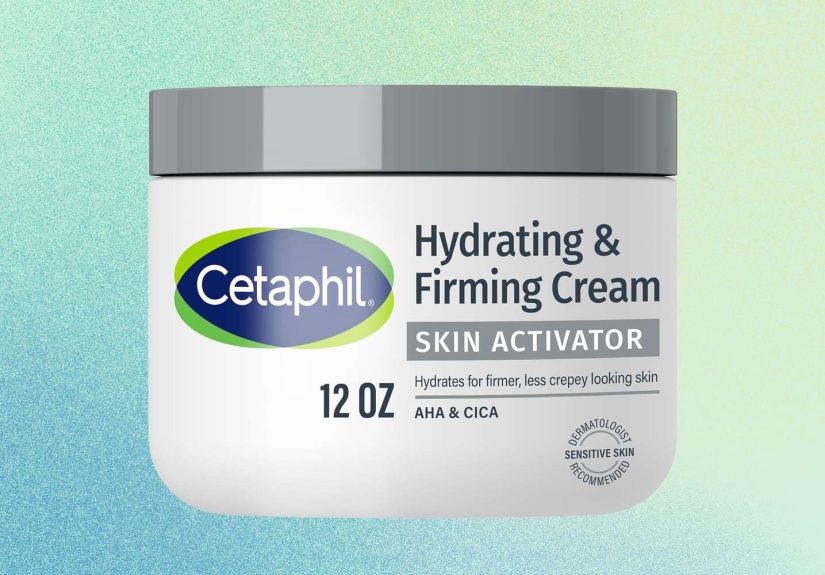
- Meet the Star: Cetaphil Skin Activator Hydrating & Firming Cream
- Why Mandelic Acid Helps Crepey Texture (Without Being Too Spicy)
- Why CICA (Centella Asiatica) Is a Smart Pairing for Sensitive, Dry, Crepey Skin
- How to Use This Cetaphil Cream for the Best “Firming” Results
- What Results to Expect (and When)
- How to Boost Results Without Turning Your Bathroom Into a Lab
- Who Should Be Cautious (Patch Test Club)
- Bottom Line: Why This $17 Cetaphil Cream Is Worth a Spot on Your Shelf
- Experiences: 4 Realistic “What It Felt Like” Stories (Plus What Actually Helped)
“Crepey skin” sounds like a snack food, but unfortunately it’s more like a surprise gift your arms, legs, neck, or chest may start handing out over time. One day you’re moisturized and minding your business. The next, your skin is giving “crumpled receipt” thin, papery, and wrinkly in that distinctive, lightly crinkled way.
The good news: while no topical cream can permanently “tighten” loose skin the way a procedure can, the right formula can make crepey skin look smoother, plumper, and more comfortable by improving hydration, supporting the skin barrier, and gently refining texture. That’s where a budget-friendly option has been getting a lot of buzz: Cetaphil Skin Activator Hydrating & Firming Cream, often spotted around $17 (price varies by retailer and sales).
Let’s break down what “firming” really means here, why crepey skin happens, and how this particular Cetaphil cream works plus a practical routine (that doesn’t require you to become a full-time lotion sommelier).
What Is Crepey Skin, Really?
Crepey skin is skin that looks thin and finely wrinkledlike crepe paperoften paired with dryness and a subtle “loose” look. It commonly shows up on the upper arms, inner thighs, knees, neck, and décolletage. It’s related to wrinkles, but it’s not exactly the same: crepiness is often a mix of dehydration, reduced elasticity, and surface texture changes.
Why it happens (the short, honest list)
- Sun exposure over time can damage collagen and elastin (the “bounce” team).
- Aging naturally slows skin cell turnover and can reduce oil production, making skin drier and more fragile.
- Moisture barrier wear-and-tear from harsh soaps, hot showers, low humidity, and over-exfoliation.
- Weight changes that leave skin with extra laxity can make crepiness more noticeable.
Translation: crepey skin is usually not one dramatic villain. It’s more like a group chat of small factors that slowly coordinate to annoy you.
What “Firming” Means in a $17 Cream (and What It Doesn’t)
When a body cream says “firming,” it typically means one (or more) of these realistic, measurable wins:
- Hydration plumping: well-hydrated skin reflects light more evenly and looks smoother, so fine lines appear softer.
- Barrier support: a healthier moisture barrier helps skin hold water longer, reducing that papery look.
- Texture smoothing: gentle exfoliants can reduce roughness and dullness, helping skin look more even.
What it usually does not mean: your skin will become magically “lifted” like it had a tiny invisible trampoline installed. Significant laxity from major weight loss or advanced sun damage may require in-office treatments (or at least a multi-step plan). But if your main complaint is dryness + crepey texture, topical care can make a meaningful difference.
Meet the Star: Cetaphil Skin Activator Hydrating & Firming Cream
Cetaphil’s Skin Activator Hydrating & Firming Cream is positioned as an anti-aging body cream for thinning, fragile, aging, or sensitive skin. The brand highlights three main ideas: 48-hour hydration, texture smoothing quickly, and visible firming over a few weeks. It’s also described as hypoallergenic, fragrance-free, and paraben-free.
The “why this one” formula story
This cream’s headline ingredients combo is:
- Mandelic acid (AHA) a gentle chemical exfoliant that can help refine texture and boost surface cell turnover.
- Centella asiatica (CICA) a soothing botanical ingredient often used to calm and support the skin barrier.
- Hydrators + emollients ingredients that pull in water and soften skin to reduce dryness and tightness.
Think of it like a three-person team: Water magnet + soft blanket + tiny polite broom (that’s the AHA, sweeping off dull dead skin).
Why Mandelic Acid Helps Crepey Texture (Without Being Too Spicy)
Alpha hydroxy acids (AHAs) help loosen the “glue” between dead skin cells so they shed more evenly. That can make rough, uneven, and dull skin look smoother over time. Mandelic acid is often described as a gentler AHA because its larger molecular size penetrates more slowly than stronger AHAs like glycolic acid.
What that means for your body skin
- Smoother feel: fewer rough patches that make skin look older than it is.
- More even appearance: light reflects better off smoother skin, so crepiness appears less obvious.
- Better product performance: removing excess dull buildup can help moisturizers sit and spread more evenly.
Two important cautions: AHAs can increase sun sensitivity, and they can irritate if you overdo it. If you use this cream on exposed areas (arms, chest, neck), sunscreen becomes non-negotiable. Also, if you’re already using strong actives (retinoids, other acids), you’ll want to stagger them like responsible adults at a dinner party.
Why CICA (Centella Asiatica) Is a Smart Pairing for Sensitive, Dry, Crepey Skin
Centella asiaticaoften called “cica”is popular because it’s generally well tolerated and is associated with soothing and barrier-supporting benefits. Dermatology experts often describe it as helpful for dry, irritated, or sensitive skin routines, even though the science varies by formulation.
For crepey skin, this matters because “crepey” often isn’t just about linesit’s also about a compromised moisture barrier. A calm, supported barrier holds onto hydration better, which is exactly what makes skin look less papery and feel less tight.
How to Use This Cetaphil Cream for the Best “Firming” Results
The biggest mistake people make with body creams is treating them like a random thought: “Oh yeah, lotion exists.” Then they apply it once, immediately forget, and wonder why nothing happened. Consistency matters more than heroic application.
The simple 4-step routine
- Shower smart: Use lukewarm water (not lava), and keep showers short when possible. Hot water strips oils and can worsen dryness.
- Pat, don’t punish: Towel off gently, leaving skin slightly damp.
- Apply immediately: Massage the cream into crepey-prone areas (upper arms, thighs, knees, neck/chest if tolerated). Applying on damp skin helps “lock in” water.
- Protect exposed skin: If the area sees daylight, use broad-spectrum SPF 30+ daily.
How often?
If your skin is sensitive or reactive, start once daily for a week. If all is calm (no stinging, redness, or peeling), you can move toward twice daily. If you’re using other exfoliants, keep it to once daily or alternate days.
Where it shines
- Upper arms (classic crepey zone)
- Thighs and knees (dryness + texture)
- Chest (if your skin tolerates AHAs; patch test first)
- Hands (especially if frequent washing leaves them thin and dry)
What Results to Expect (and When)
With crepey skin, the timeline is usually:
Days 1–3: Comfort + glow
Most people notice softer skin quickly because hydration is the fastest win. The surface looks a bit smoother, and tightness may ease. This is the “I didn’t know my elbows could feel this civilized” phase.
Week 1–2: Texture starts behaving
With consistent use, gentle exfoliation can make skin feel less rough and look less dull. Fine crinkles may still be present, but they often look less dramatic because the surface is more hydrated and even.
Weeks 3–4: “Firming” becomes visible for some
If a cream is going to deliver noticeable firming, this is usually when you’ll see itmainly as a more plumped, less crepey-looking appearance, especially in mild-to-moderate cases. If laxity is severe, you may still see improvement in texture and comfort, even if “firm” feels like an ambitious word.
How to Boost Results Without Turning Your Bathroom Into a Lab
Creams work better when you support them with smart basics. Here are realistic add-ons that help crepey skin look better:
1) Daily sun protection (yes, even for arms)
UV exposure is a major contributor to premature skin aging, including sagging and wrinkles. Protecting your skin helps prevent new damage while you’re trying to improve what’s already there.
2) Avoid harsh cleansers
If your body wash leaves your skin feeling squeaky, tight, or itchy, it may be too stripping. Gentle cleansing helps keep your barrier from waving a white flag.
3) Use a humidifier in dry months
Indoor heating and low humidity can pull moisture from skin. A humidifier can help reduce that constant “why am I dust?” feeling.
4) Consider targeted actives (strategically)
Dermatologists often point to ingredients like retinoids and vitamin C for photoaging, but body skin can be sensitive. If you already use a retinoid on the body, alternate nights with this AHA-based cream. If you don’t use actives, don’t panicyou can still get strong hydration benefits from this Cetaphil routine alone.
Who Should Be Cautious (Patch Test Club)
This cream is marketed for sensitive skin, but individual skin is… wildly individual. Be extra cautious if you:
- Have eczema flares or very compromised skin (introduce slowly, and stop if stinging persists).
- Use prescription retinoids or strong exfoliants on the same areas (alternate days to avoid irritation).
- Are sensitive to acids or have a history of rosacea-like irritation on the chest/neck.
- Have an almond allergy (mandelic acid is associated with bitter almonds; ask a clinician if unsure).
Patch test tip: apply a small amount to a discreet area (inner arm) daily for 3 days. If it’s calm, expand use. If it burns like betrayal, stop and go back to a bland, barrier-first moisturizer.
Bottom Line: Why This $17 Cetaphil Cream Is Worth a Spot on Your Shelf
If you’re dealing with dry, thinning, crepey-looking skin and want a product that’s not priced like a luxury vacation, this Cetaphil cream makes sense because it combines: long hydration + gentle resurfacing + barrier-friendly soothing.
Will it replace a dermatologist for severe laxity? No. But can it make your skin look and feel noticeably betterespecially when crepiness is driven by dryness and texture? For many people, yes. And at around $17, it’s a low-drama experiment with a high chance of “wow, my arms feel nice.”
Experiences: 4 Realistic “What It Felt Like” Stories (Plus What Actually Helped)
Skincare isn’t just chemistryit’s also the daily reality of remembering to do the thing. Here are four experience-based snapshots (drawn from common patterns people report with hydrating + gently exfoliating body creams) that show how this Cetaphil cream can fit into real life. No unicorns, no miracle claimsjust the practical “what changed” details that matter.
1) The “My elbows look like parchment” winter comeback
A lot of people notice crepey skin most in winterwhen indoor heat is on, humidity is low, and showers become suspiciously hotter. In this scenario, the first noticeable benefit is often comfort. Within a few days of applying the cream after showering (while skin is still slightly damp), the tight, papery look starts to soften. The skin doesn’t feel as “crispy.” By the end of week one, the biggest change is texture: elbows and upper arms feel smoother when you run your hand over them.
What helped most wasn’t applying more productit was applying it faster after bathing and switching from “I scrub everything like I’m sanding a deck” to gentler cleansing. Add SPF on exposed areas and the improvements tend to stick around longer, instead of disappearing the moment the weather changes its mood.
2) The “I lost weight and my skin is confused” reality check
After weight loss, people often describe a combo of looseness + crepiness, especially on arms and thighs. A cream can’t remove excess skin, but it can help the surface look less rumpled. In this story, the first two weeks are mainly about hydration plumping: the skin looks less thin and more “filled out,” even though the overall shape doesn’t change. The AHA component can make the area look more refined because the surface becomes more even.
The best results tend to come when the cream is paired with two habits: consistent moisturizing (daily, not “whenever”) and strength training. Not because biceps are magic, but because building muscle under the skin can improve the way the area looks in clothes, while hydration improves how the skin itself looks up close. Together, the effect is more noticeable than either one alone.
3) The “I’m sensitive and everything stings” slow-and-steady approach
Sensitive skin folks often have a history of buying “miracle firming lotions” that deliver one thing consistently: regret. For them, starting once daily (or every other day) is usually the move. In week one, the goal isn’t dramatic changeit’s tolerance. If there’s no stinging, redness, or itchy irritation, use can gradually increase.
By week three or four, the biggest difference is often that the skin looks less crepey because it’s less dry and less rough. The cream’s “firming” reads as subtle plumpness and smoother texture, not a tightened silhouette. The win is that it’s doable long termbecause a routine you can tolerate is the only routine that actually works.
4) The “I want results but I also use retinol” balancing act
If you already use a retinoid on the body (or even just on the chest/neck), stacking actives can backfiredryness, peeling, irritation, and that lovely “why is my skin angry?” vibe. A realistic strategy people use is alternating: retinoid at night one day, Cetaphil Skin Activator cream the next. That keeps exfoliation benefits while letting the barrier recover. Many report that this approach keeps skin smoother without triggering sensitivity.
And yes: sunscreen becomes the unglamorous hero here. If your routine includes acids or retinoids and you skip SPF, you’re basically running a “how to undo my progress” fundraiser. Not the vibe.
The overall experience takeaway: this $17 Cetaphil cream tends to reward people who treat it like a habit, not a hail-mary. Use it consistently, apply it on damp skin, protect exposed areas with sunscreen, and give it a few weeks. That’s when “crepey” can start looking more like “normal skin that had a long day”which is a huge upgrade.