Table of Contents >> Show >> Hide
- Who Is Raph, and Why Do These Comics Land So Well?
- What Makes Dark Humor Comics So Addictive?
- The Real Strength of These 30 New Comics
- How These Comics Fit into the Modern Webcomics Landscape
- Why Dark Humor Still Works in a Nervous World
- Specific Qualities Readers Will Notice Across the 30 Comics
- The Experience of Reading These Comics, One After Another
- A 500-Word Reflection on the Experience Around This Kind of Dark Humor
- Final Thoughts
There are comics that politely tap you on the shoulder and ask for a chuckle. Then there are comics that grin, pull the rug out from under your expectations, and leave you laughing because your brain showed up half a second late to the joke. That second category is where Raph lives, decorates, and apparently keeps the good snacks.
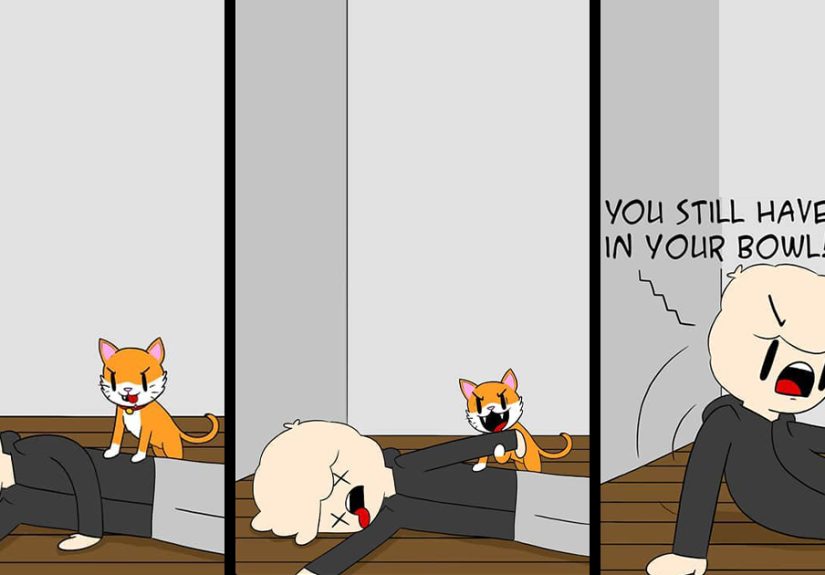
In this fresh batch of 30 new comics, the Melbourne-based artist leans into the exact thing that makes dark humor so hard to resist when it is done well: the balance between charming simplicity and absolute menace. His style looks approachable at first glance. The characters are clean, readable, and expressive. The setups often feel ordinary, even sweet. Then the punchline arrives with the energy of a banana peel placed by a philosophy major. Suddenly the comic is no longer just cute. It is sharp, strange, and a little bit wicked.
That contrast is the secret sauce. Dark humor comics work best when the visuals lull you into one kind of story and the writing delivers another. Raph understands that rhythm. These 30 new comics are not trying to be edgy for the sake of it, nor are they wallowing in cynicism. They are playful, compact acts of misdirection that take the logic of everyday life, twist it clockwise, and then snap it clean off.
For readers who love webcomics, unexpected endings, twisted humor, and single-panel or short-strip storytelling, this collection hits a very sweet spot. Or maybe a sour spot. Possibly a haunted sweet-and-sour spot. Either way, it works.
Who Is Raph, and Why Do These Comics Land So Well?
Raph’s public story has the kind of origin that feels right for a humor cartoonist: he started drawing in school, partly out of boredom and partly to make friends laugh. That detail matters because it explains something important about his work. Even now, the comics do not feel built in a lab for algorithmic perfection. They feel like jokes made by someone who genuinely enjoys the moment when another person bursts out laughing and says, “Wow, that’s messed up.”
His path into comic-making also helps explain the format. After trying to create a long-form comic and deciding it was not working, he pivoted toward short humorous strips. That move was not a compromise. It was a creative homecoming. Some artists are marathon runners; others are assassins of timing. Raph clearly belongs to the second group. He knows how to make a setup do just enough work, then let the last panel deliver the damage.
That is one reason these 30 new comics feel so polished. They are built for speed, but not rushed. Each strip knows its job. A face has to sell panic. A pause has to feel suspicious. A final line has to flip the entire premise. In a format this short, every visual choice matters. There is nowhere to hide, and Raph rarely needs hiding anyway.
What Makes Dark Humor Comics So Addictive?
Dark humor has always occupied a weird but fascinating corner of comedy. It takes subjects that would normally signal discomfort, awkwardness, fear, embarrassment, or outright dread and frames them through absurdity. That does not make the subject disappear. Instead, it changes the angle. You are no longer just reacting to the uncomfortable thing itself; you are reacting to the ridiculousness of how the comic repositions it.
That is why readers who enjoy dark humor comics often describe them as both funny and relieving. A joke can take tension and turn it into recognition. It can make the world’s chaos seem briefly manageable because, for one panel or one strip, the absurdity has shape. The comic says, “Yes, this is strange. Yes, reality is a little broken. Let’s at least give it a punchline.”
Raph’s comics fit that tradition beautifully. He does not lecture the audience. He does not stop the joke to explain itself. He trusts readers to follow the emotional swerve. That trust is a big part of what makes dark webcomics feel so satisfying. They invite participation. You are not just passively consuming a gag; you are completing it in your head, often a split second before the laugh arrives.
And let’s be honest: there is something deeply enjoyable about a comic that looks adorable and then reveals the soul of a tiny goblin.
The Real Strength of These 30 New Comics
1. They turn ordinary situations into little traps
One of Raph’s best instincts is taking a familiar social moment and nudging it toward disaster. A casual conversation, a small misunderstanding, a polite gesture, a moment of self-confidence, a tiny emotional vulnerability; all of these can become launchpads. The comic begins somewhere recognizable, which is important because dark humor needs a stable floor before it can yank it away.
That familiarity makes the twist stronger. The reader is not laughing at random chaos. The reader is laughing because the comic starts inside the world they know. Then it swerves into the kind of logic that belongs to nightmares, cartoons, or group chats at 2 a.m.
2. The art style keeps the joke clear
Dark humor can easily become cluttered if the visual storytelling gets too busy. Raph avoids that trap with simple character design and clean staging. The readability is not a limitation; it is a weapon. You immediately understand who is talking, where to look, and what emotional beat is being set up. That clarity gives the final joke more impact because your brain is not wasting energy decoding the frame.
In humor comics, clarity is kindness. Then the punchline shows up and kindness leaves the building.
3. The endings feel earned, not random
A weak dark joke often mistakes shock for wit. A strong one plants just enough information for the ending to feel both surprising and inevitable. That is where these new comics shine. Raph’s best punchlines do not come out of nowhere. They come from somewhere you failed to notice because the comic quietly guided your attention elsewhere.
That is a huge difference. Randomness can get a quick reaction, but structure gets a lasting one. The kind of comic you remember later in the day is usually the one that fooled you fairly.
4. There is a playful meanness, not empty cruelty
The tone matters. These comics can be dark, but they are rarely joyless. They have a mischievous pulse. The humor comes from exaggeration, reversal, absurdity, and the collision between innocent visuals and sinister turns. Even when a strip gets grim, it still feels like it belongs to a comic-maker who enjoys the craft of the joke more than the shock value of the premise.
That distinction is exactly why readers keep coming back. The collection feels wicked in a fun way, not bleak in a punishing one.
How These Comics Fit into the Modern Webcomics Landscape
Webcomics thrive online for a simple reason: they respect the speed of digital attention while still rewarding craft. A strong comic can be read in seconds, shared in one tap, and remembered all day. That is especially true for short-form humor comics with sharp endings. They are built for the scroll but can still deliver the kind of compact storytelling that older gag cartoons mastered in print.
Raph’s 30 new comics feel very modern in that sense. They belong to the internet, but they also inherit the discipline of classic joke construction. The best strips are not just funny captions with drawings attached. They are miniature narrative machines. Setup, pacing, expression, reveal. Click. Done. Another laugh. Another existential eyebrow raise.
That blend of old-school cartoon logic and online sensibility is a big part of the appeal. Readers are getting something fast, but not flimsy. Quick does not mean careless. In this collection, quick means precise.
Why Dark Humor Still Works in a Nervous World
We live in a time when many people are permanently one weird headline away from staring into the middle distance. That may be one reason dark humor remains so durable. It offers a kind of emotional judo. Instead of pretending uncomfortable things do not exist, it turns them into something momentarily manageable. Not solved, not erased, but reframed.
That does not mean every joke is for every person. Dark humor has always been selective. Some readers want cozy comedy. Others want comedy with teeth. Raph clearly makes work for the second group, though even then, the bite is usually wrapped in bright, accessible visuals that keep the tone from becoming heavy.
In this collection, the dark humor is less about nihilism and more about perspective. The comics keep asking versions of the same question: what if the normal thing you expected was never actually the normal thing at all? That question is fertile ground for comedy because life already feels that way half the time. A missed text turns into a crisis. A routine errand becomes a saga. A harmless comment detonates socially. Raph just pushes those tensions one step further until they become ridiculous.
Specific Qualities Readers Will Notice Across the 30 Comics
Even without spoiling individual strips, a few qualities stand out across the set.
First, the comic timing is sharp. The pauses are short, but they matter. A tiny beat before the last reveal often gives the final panel more force. Second, the facial expressions do heavy lifting. A blank stare, panicked eyes, or cheerful obliviousness can transform a line from mildly funny into devastatingly good. Third, the dialogue stays lean. There is very little wasted motion here. Nobody is giving a TED Talk in panel three. The joke would file a complaint.
There is also a consistency of voice. Even when the premises vary, the collection feels unified by a recognizable sensibility: playful, ironic, a little sinister, very online, but grounded in classic joke architecture. That is harder to achieve than it looks. Plenty of comics are funny once. Far fewer feel authored in a way that makes you recognize the mind behind them.
These 30 new comics do.
The Experience of Reading These Comics, One After Another
There is a special pleasure in reading dark humor comics as a batch instead of one at a time. A single strip can surprise you. A collection can train you badly. After a few comics, you start thinking you understand the artist’s rhythm. You become suspicious. You start watching the corners of the panels like a detective in a very low-stakes but emotionally unsafe crime drama. Then the comic still gets you. That feeling is half the fun.
With Raph’s work, the reading experience becomes a game between creator and audience. The artist says, “Here is a harmless setup.” The reader says, “I do not trust you.” The artist says, “That is wise, but also not enough.” Then the final panel arrives and everybody loses in the most enjoyable way possible.
That repeated cycle gives the collection momentum. It is not just about isolated laughs. It is about a rhythm of anticipation, suspicion, and payoff. The best humor comics create that rhythm quickly, and these do. They are breezy to read, but they leave little aftershocks. You finish one strip, scroll to the next, and carry the previous punchline with you like a tiny cursed souvenir.
A 500-Word Reflection on the Experience Around This Kind of Dark Humor
Reading a collection like This Artist’s Dark Humor Shines In These 30 New Comics is an experience that feels strangely social even when you are alone. You may be sitting on your couch, hunched over your phone like a goblin protecting treasure, but the reaction is communal. You immediately imagine sending a strip to a friend with the message, “This is awful. You’ll love it.” That is one of the strongest signs that a humor comic is doing its job. It does not just make you laugh; it makes you want to recruit a witness.
Dark humor, especially in webcomic form, creates a particular kind of bond between readers. It says, “You also see how weird all of this is, right?” That can be incredibly satisfying. In ordinary life, people spend a lot of energy smoothing things over, acting normal, pretending awkwardness is not awkward, pretending fear is manageable, pretending everyone knows what they are doing. A dark humor comic breaks that polite spell. It points at the hidden absurdity and puts a clown nose on it. Not to dismiss reality, but to admit that reality is often one step away from surreal nonsense.
There is also a pacing experience unique to this kind of work. When you read a novel, you settle in. When you watch a movie, you surrender to duration. But a sharp comic strip enters your day like a clever interruption. It is brief enough to fit between tasks, yet strong enough to alter your mood. That is why collections like this can become part of a person’s routine. You check in for a few jokes, and suddenly your brain feels less stiff. Not healed, not enlightened, not reborn in a beam of comic-strip sunshine, but definitely less stiff.
For many readers, the appeal is not only laughter but permission. Permission to admit that some thoughts are too ridiculous, too bleak, or too awkward to express directly. Dark humor gives those thoughts a costume. It lets them walk onstage as jokes. In that way, a comic can become a pressure valve. You laugh because the strip exaggerates something uncomfortable, but also because it names a feeling you may not have known how to phrase.
Raph’s style amplifies that experience because the drawings never feel hostile. They feel welcoming. The art invites you in, and the joke misbehaves once you arrive. That contrast creates a reading experience that is both easy and electric. You are not struggling through dense lore or complicated visual symbolism. You are simply moving from setup to punchline at high efficiency, which leaves more room for the reaction itself.
And that reaction is often layered. First comes surprise. Then laughter. Then the little moral hang time where you think, “I probably should not have laughed that hard.” Then, if the comic is especially good, comes admiration. You start noticing how elegantly the strip was built, how little it needed to say, how perfectly the expression landed, how inevitable the ending seems in retrospect. That is when a funny comic becomes a memorable one.
So the experience around these 30 new comics is not just that they are amusing. It is that they are agile. They sneak past your defenses, flip discomfort into delight, and remind you that comedy does not always need to be soft to be effective. Sometimes it just needs to be smart, fast, and brave enough to grin in the dark.
Final Thoughts
This Artist’s Dark Humor Shines In These 30 New Comics works because it understands the fragile architecture of a great joke. The collection never overexplains, rarely overstays, and consistently trusts the audience to keep up. Raph pairs simple visuals with expertly timed reversals, proving again that dark humor comics do not need visual chaos or endless dialogue to leave a mark. They just need craft, nerve, and a wonderfully crooked sense of timing.
If you enjoy webcomics with unexpected endings, playful cruelty, absurd twists, and a clean cartoon style that hides a delightfully unhinged brain, this batch is a treat. A weird treat, yes. Possibly a cursed treat. But a treat all the same.