Table of Contents >> Show >> Hide
- Why Avocado Is Surprisingly Great for Hand-Carving
- Choosing the Right Avocado for Carving
- Before You Start: Set Yourself Up for Success
- How I Hand-Carved an Avocado in Only One Hour
- The Biggest Mistakes People Make with Avocado Carving
- How to Keep a Carved Avocado from Turning Brown
- Best Ways to Use a Hand-Carved Avocado
- Is Hand-Carving an Avocado Worth It?
- Final Thoughts
- Extra Experience Section: What the One-Hour Avocado Project Actually Felt Like
- SEO Tags
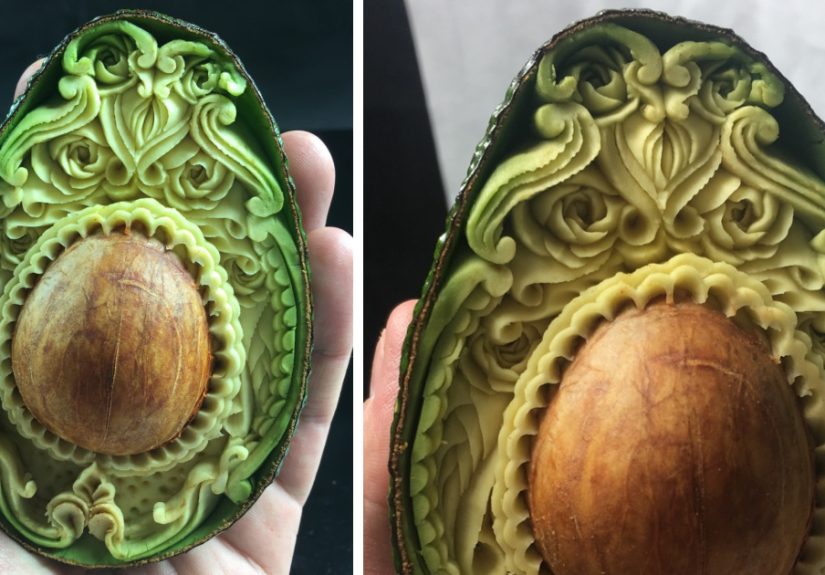
There are two kinds of kitchen projects in this world: the ones you plan for days, and the ones that begin with you staring at one avocado and thinking, Well… how hard could it be? This story belongs firmly in the second category. One hour later, I had transformed a humble avocado into an edible little work of art that looked fancy enough for brunch guests, dramatic enough for Instagram, and delicious enough that nobody cared it was technically “decor.” That is the magic of avocado carving: it feels extra, but it is surprisingly doable.
If you hear the phrase hand-carved avocado and picture an advanced culinary stunt performed by a stern chef with tweezers and a scary amount of confidence, relax. Avocado carving is less about perfection and more about understanding the fruit. Get the texture right, use a clean sharp knife, work quickly, and you can create a carved avocado garnish, avocado rose, fan, leaf shape, or elegant plated accent without spending your entire afternoon whispering threats at produce.
This article breaks down why avocado works so well for edible carving, how to choose the right fruit, what mistakes to avoid, and how to keep your avocado art from turning brown before it ever reaches the table. In other words, this is the practical, fun, no-drama guide for anyone who wants their food to look expensive while their effort remains gloriously reasonable.
Why Avocado Is Surprisingly Great for Hand-Carving
Avocados have a lot going for them beyond their reputation as toast royalty. Their creamy texture, rich color, and naturally elegant shape make them ideal for edible presentation. When an avocado is firm-ripe, it is soft enough to cut cleanly but sturdy enough to hold a shape. That matters because a carving project lives or dies by structure. Too hard, and the slices crack. Too soft, and your masterpiece turns into green optimism with no backbone.
Visually, avocado is a dream. The pale green flesh near the center and deeper green color near the peel create built-in contrast, which gives carved designs dimension without any extra effort. Even a simple fan of thin slices looks polished. A rolled avocado rose looks like something served at a café where the menu uses words like “artisanal” and “seasonal” with a straight face.
There is also the flavor factor. Unlike some food decorations that exist only to be admired and politely pushed aside, avocado is actually useful on the plate. It can top toast, grain bowls, tacos, salads, eggs, smoked salmon, sandwiches, sushi-style dishes, and appetizer platters. It adds richness, healthy fats, and a buttery finish that makes a dish feel more complete. So yes, your carved avocado may be pretty, but it also earns its rent.
Choosing the Right Avocado for Carving
Firm-ripe is the sweet spot
The best avocado for carving is not rock-hard and not mushy. You want an avocado that yields slightly to gentle pressure but still feels structured. Think “ready to cooperate,” not “one strong opinion away from guacamole.” That middle stage is ideal for thin slices, clean edges, and designs that hold their shape long enough to make it to the table.
If your avocado is too ripe, the knife will drag, the flesh will smudge, and every line you try to make will look like it was carved with a buttered spoon. If it is underripe, the flesh can be stiff and less flexible, which makes shaping a rose or curved design much harder.
Look for even skin and good weight
Pick an avocado that feels heavy for its size and looks free of major dents, deep bruises, or collapsed spots. Those soft patches often mean damaged flesh underneath, and nothing ruins a carving session faster than discovering your elegant garnish has the structural integrity of wet wallpaper.
Use it at the right moment
Timing matters. A firm-ripe avocado today can become a fully ripe avocado tomorrow. If you are planning a food styling moment for a brunch, dinner party, or content shoot, check your fruit ahead of time. Avocado is generous, but it is not known for its patience.
Before You Start: Set Yourself Up for Success
Good avocado carving is not about owning a drawer full of intimidating specialty tools. It is mostly about preparation. Start with clean hands, a clean cutting board, and a clean knife. Rinse the avocado before cutting it, because whatever is on the outside can transfer inward when the knife passes through the peel. Then dry it so it does not slip around like a tiny green bar of soap.
The most useful tools are simple:
- a sharp paring knife or chef’s knife
- a stable cutting board
- a spoon for removing the flesh if needed
- a small bowl of lemon or lime juice
- paper towels or a clean towel for quick cleanup
A sharp knife is actually your friend here. Dull blades crush delicate flesh and force you to use more pressure, which makes neat carving harder. Secure your cutting board so it does not slide around. The avocado has enough drama already.
How I Hand-Carved an Avocado in Only One Hour
Step 1: Start with the shape you want
Not all avocado carving has to be elaborate. In fact, the best beginner designs are the ones that look impressive without requiring surgical precision. My one-hour project focused on a layered floral shape inspired by an avocado rose, with a few additional cuts to sharpen the petals and create a more hand-carved look.
If you are new to avocado art, start with one of these:
- an avocado fan for toast or bowls
- an avocado rose for brunch plates
- leaf-like cuts for salads or appetizers
- small cut-out shapes for garnish
Step 2: Cut cleanly and keep the slices consistent
Consistency matters more than complexity. Thin, even slices are what make a carved avocado look elegant. Uneven slices can still taste great, but they will not curl or layer as nicely. The first few minutes of any avocado project are basically a negotiation between your ambition and your knife skills. Stay humble, go slowly, and keep the slices as uniform as possible.
Step 3: Use gentle pressure when shaping
Once sliced, the avocado can be nudged into shape with your fingers or the flat side of the knife. The trick is not to force it. Avocado likes persuasion, not wrestling. A rose shape, for example, comes together by slightly offsetting the slices, then curling them inward. A fan works by spreading them gradually while keeping the base intact. Simple movements create the best result.
Step 4: Work quickly to preserve color
Avocado starts losing its bright green glamour the moment air gets involved. That does not mean you have five seconds to live, but it does mean you should have your plate ready before you begin. If your design will sit out for a bit, lightly brush or dab the exposed surfaces with lemon or lime juice. This slows browning and helps the avocado keep that fresh, clean look.
Step 5: Plate with purpose
A carved avocado looks best when the rest of the plate gives it some breathing room. Put it on toast with a poached egg, next to smoked salmon, over a grain bowl, beside a tomato salad, or on top of a chilled soup. A cluttered plate makes delicate carving disappear. Let the avocado be the lead actor for once.
The Biggest Mistakes People Make with Avocado Carving
Using overripe fruit
This is the most common problem. If the avocado is too soft, it smears instead of slicing cleanly. You can still mash it, spread it, and love it, but you probably should not ask it to become a flower.
Trying to carve too late
Carving works best when you prep your serving plate, toppings, and camera, if you are photographing it, before you cut. Waiting too long invites browning and stress. Neither one improves presentation.
Ignoring surface stability
If your cutting board slides, your cuts get messy fast. A damp towel under the board is a small fix with a big payoff. Stability makes precision much easier.
Overcomplicating the design
You do not need to carve a dragon, a cathedral window, or a tiny edible self-portrait. A simple avocado fan or rose already looks refined. Smart presentation beats unnecessary suffering.
How to Keep a Carved Avocado from Turning Brown
The enemy is oxygen. Once the flesh is exposed, the color starts changing. The good news is that you can slow this down. Citrus juice is the classic move because it helps protect the surface. Pressing wrap directly against cut avocado or storing it in an airtight container also helps. For plated dishes, the easiest solution is timing: carve close to serving time and finish the dish promptly.
If you are making avocado garnish for a brunch table, prep the surrounding ingredients first, then carve at the end. If you are creating a content piece for your blog or social media, set up lighting, props, and your serving dish before the knife comes out. Avocado rewards readiness.
Also, let us retire one persistent kitchen myth: the pit sitting in your mashed avocado is not a magic force field. What protects the surface is limiting air exposure, not avocado superstition.
Best Ways to Use a Hand-Carved Avocado
Once you realize how easy a carved avocado can be, you start seeing opportunities everywhere. It is one of the fastest ways to make ordinary food look intentional.
For breakfast and brunch
Add an avocado rose to toast, eggs, or smoked salmon plates. Suddenly breakfast looks like it charges extra for sparkling water.
For salads and grain bowls
Use fanned avocado slices on grain bowls, chopped salads, quinoa plates, or rice dishes. The visual contrast makes colorful vegetables pop even more.
For appetizers
Avocado cut-outs or layered slices work beautifully on crostini, crackers, cucumber rounds, and canapés. A small garnish can make an appetizer platter feel far more polished.
For content creation
If you publish recipes, food blogs, or lifestyle content, carved avocado is a high-impact, low-cost styling trick. It communicates freshness, care, and modern presentation without requiring a culinary degree or a rented studio kitchen.
Is Hand-Carving an Avocado Worth It?
Absolutely, if you enjoy food that looks special but still feels approachable. This is not one of those kitchen projects that consumes your whole day and leaves you with three dishes, two regrets, and a strained relationship with your cutting board. It is quick, practical, and oddly satisfying.
The best part is that avocado carving sits at the sweet intersection of beauty and usefulness. It looks impressive, tastes good, works in savory meals, and does not demand fancy equipment. In a world full of overcomplicated online cooking projects, an avocado you can carve in an hour feels refreshingly realistic.
And honestly, that may be why the idea is so appealing. It turns an everyday ingredient into a small creative win. Not a life-changing event. Not a five-part documentary series. Just one avocado, one hour, and one tiny edible flex.
Final Thoughts
This avocado took me only one hour to hand-carve, but the lesson lasted longer than the garnish did. A good kitchen project does not have to be massive to be memorable. Sometimes all it takes is one well-timed ripe avocado, a steady surface, a sharp knife, and a willingness to make something a little beautiful before lunch.
If you have been curious about avocado carving, take this as your sign to try it. Start simple. Choose a firm-ripe avocado. Work clean. Move quickly. Let the fruit do some of the heavy lifting. The result may not belong in a museum, but it can absolutely belong on your plate.
And if your first carved avocado looks slightly chaotic? Congratulations. You have made edible art, which is still art, and much easier to forgive once it is covered in lemon juice and served with toast.
Extra Experience Section: What the One-Hour Avocado Project Actually Felt Like
What surprised me most about this whole experiment was not that the avocado looked pretty in the end. It was that the process felt calming in a way I did not expect. Usually, when people say a kitchen task is “therapeutic,” they mean it took so long they eventually surrendered to it. This was different. The avocado project had just enough precision to keep me focused, but not so much pressure that it stopped being fun.
The first ten minutes were spent doing what everyone does: overthinking. I checked the avocado from every angle, as if it had a better side for the camera and a preferred emotional tone. Then I washed it, dried it, set out my knife, and realized the biggest hurdle was simply starting. Once I made the first cut, the whole thing became easier. Not because I suddenly turned into a fruit sculptor, but because avocado is more forgiving than it looks.
I also learned that speed and calm can exist together. I had always assumed food styling required either professional experience or the patience of someone who alphabetizes their spice drawer for fun. But a carved avocado rewards decisiveness. Slice, shape, adjust, plate. The more I hovered over it, the worse it looked. The moment I relaxed and let the design stay simple, it got dramatically better.
There was one brief moment of panic when I thought the slices were too soft to hold their curve. I was already mentally composing a farewell speech for my failed avocado flower. But instead of forcing it, I shifted the design a little, tightened the center, and let the outer slices be looser. That ended up making it look more natural. It was a good reminder that in food presentation, “imperfect” often reads as organic and beautiful rather than wrong.
Another thing I noticed was how much the serving plate changed everything. On the cutting board, the carved avocado looked nice. On a clean plate beside toast and a few bright toppings, it suddenly looked intentional. Context matters. A simple garnish can feel elevated when the rest of the dish gives it room.
By the end of the hour, I had something I was genuinely proud of, and not in the fake “please compliment my effort” way. I mean actually proud. It looked fresh, modern, and restaurant-ish without being fussy. Better yet, it still tasted like avocado, which is a very important quality in an avocado.
Would I do it again? Absolutely. Not every day, because I do have a life and only so many avocados at perfect ripeness. But for brunch, recipe content, a dinner party, or simply because I want to feel a little more creative with lunch, yes. The one-hour avocado project proved that a small kitchen challenge can be enough to wake up your imagination. And when the final result is edible, attractive, and ends up on toast, that is a pretty great return on investment.