Table of Contents >> Show >> Hide
- The Facebook Group That Roasts LinkedIn Grindset Culture
- Why LinkedIn Feels So Cringy (And Weirdly Fascinating)
- The “Greatest Hits” Of Cringy LinkedIn Posts (As Roasted By Memes)
- Why We Love To Hate-Scroll LinkedIn
- The Serious Side: Hustle Culture, Burnout, And Toxic Productivity
- Is Anything Good On LinkedIn? Surprisingly, Yes.
- How Not To Become LinkedIn Meme Material
- Stories From The Scroll: Relatable Experiences With Cringy LinkedIn Posts
- Conclusion: Laugh At The Cringe, But Learn From It Too
If you’ve ever opened LinkedIn, read three posts in a row, and thought, “How is this app both a job board and a live-action cringe compilation?”congratulations, you’ve found your people.
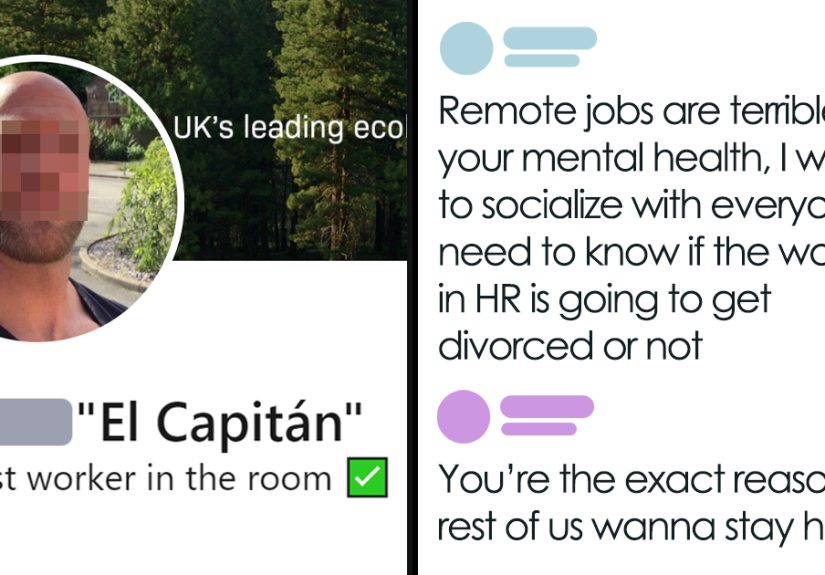
That’s exactly the energy behind the Facebook group often highlighted by Bored Panda for collecting cringy LinkedIn memes and “inspirational” posts that went a little too hard on the grindset. Instead of polished corporate-speak, the group curates screenshots and memes that expose the weirdest corners of professional self-branding: humblebrags, hustle-culture sermons, and oddly dramatic life lessons pulled from buying coffee or taking out the trash.
In classic Bored Panda fashion, the “30 pics” format lets you scroll through a gallery of workplace memes and LinkedIn fails that feel painfully familiar if you’ve spent any time networking online. You don’t even have to log into LinkedIn to get second-hand embarrassmentyou just need this Facebook group and a few minutes of doomscrolling.
The Facebook Group That Roasts LinkedIn Grindset Culture
The Facebook page celebrated by Bored Panda focuses on the kind of LinkedIn cringe most professionals recognize instantly: over-the-top motivational speeches, bizarre “leadership” stories, and brag posts dipped in a thin layer of fake humility. Think pep talks about waking up at 4:00 a.m. to “outwork the competition,” or posts that turn the barista at Starbucks into a metaphor for disruptive innovation.
Instead of treating these as serious thought leadership, the group reframes them as memes. A typical post might pair a screenshot of a LinkedIn rant with a caption like, “Bro, you’re just announcing you answered an email.” It’s a space where the community can laugh at the gap between how people want to appear onlinehyper-driven, ultra-inspirational, impossibly successfuland how those posts actually land on their exhausted peers.
That’s why Bored Panda loves it: the group turns everyday corporate melodrama into crowd-sourced comedy. It captures a specific moment in internet culture where LinkedIn is no longer just a professional Rolodexit’s a stage where people perform an idealized version of themselves, and sometimes overshoot the mark spectacularly.
Why LinkedIn Feels So Cringy (And Weirdly Fascinating)
If you’ve ever read a viral LinkedIn post and felt your soul try to leave your body, you’re not alone. Writers and social media analysts have pointed out that many viral career posts follow the same formula: a dramatic story, lots of moral adjectives, and a tidy life lesson at the end. It’s storytelling borrowed from social media, but dressed up as professional wisdom.
Common ingredients include:
- Virtue signaling: Posts that loudly showcase how compassionate, inclusive, or hardworking the author is, while technically being “about” someone else.
- Humblebrags: “I’m so honored and shocked to be named Employee of the Century… again.”
- Corporate buzzword salad: Sentences that mention synergy, alignment, leveraging, impact, disruption, and “unlocking potential” without ever saying what actually happened.
Research on social media engagement suggests that emotional and moral language makes posts more shareable, which helps explain why some LinkedIn content leans so heavily into outrage, inspiration, and grand lessons. The problem? When everyone starts writing like a motivational poster, it becomes difficult to tell who’s being genuine and who’s just optimizing for attention.
The result is that strange mix of fascination and discomfort: you can’t look away, but you’re also quietly grateful your coworkers can’t see what you’re reading.
The “Greatest Hits” Of Cringy LinkedIn Posts (As Roasted By Memes)
The Facebook group and similar communities have developed an unofficial taxonomy of LinkedIn cringe. You may recognize a few of these species from your own feed.
1. The Hustle-Culture Hero
This character wakes up at 3:59 a.m., runs a half-marathon, writes a book chapter, and closes a six-figure deal before breakfast. Their posts usually equate exhaustion with excellence and suggest that if you’re not working 80+ hours a week, you “don’t want it badly enough.”
Memes roast these posts by exaggerating them even further: “If you’re not taking investor calls while donating both kidneys and live-tweeting your surgery, do you even grind?” It highlights how unhealthy and unrealistic hustle culture can be, especially as studies link toxic productivity with burnout, anxiety, and declining performance.
2. The Humblebrag Life Lesson
This one always starts with, “I don’t usually share things like this, but…” followed by a long story that ends with the author being praised, promoted, or recognized as a visionary. Somewhere in the middle they’ll claim the main point is “helping others,” while subtly dropping several impressive achievements.
Memes pick up on this by replacing the story with absurdly trivial events: “Today I held the door for someone. They said ‘thanks.’ That’s when I realized: leadership is about hinges, not doors.” It’s a way of poking fun at the performative side of personal branding.
3. The Trauma-To-Business Pipeline Post
One of the most uncomfortable LinkedIn genres takes very real traumaillness, grief, assault, warand turns it into a sales pitch or business analogy. The internet has collectively agreed: that’s where the line is. These posts tend to go viral for all the wrong reasons and often end up screenshotted in meme groups as “what not to do, ever.”
Memes respond by stripping away the inspirational tone and just stating the moral mismatch: “If you think your quarterly OKRs are equivalent to someone’s life-or-death experience, please log off and go touch grass.”
4. The Micro-Event That Became A Leadership Parable
You’ve seen it. Someone drops their coffee, and suddenly we’re talking about resilience, synergy, and the future of work. Or a toddler refuses to share a toy, and now we’re unpacking global leadership challenges and M&A strategy.
Memes parody this by applying the same exaggerated logic to absolutely anything: “My cat knocked my laptop off the table. That’s when I realized: sometimes your biggest supporters will also push you off the edge so you can learn to fly. Be grateful for the fall.”
5. The Tone-Deaf Corporate Announcement
Another favorite target: posts that try to spin layoffs, pay cuts, or burnout culture as “exciting transformations” and “bold new journeys.” The comments often turn into a slow-motion trainwreck as affected employees point out the disconnect between the rosy language and their actual lived experience.
In meme form, the contrast is cranked up: sunny stock photos, inspirational fonts, and captions like, “We’re thrilled to announce we’ve replaced your salary with exposure!” It’s funny until you remember how many people have actually lived that storyline.
Why We Love To Hate-Scroll LinkedIn
So what keeps us coming back to these memes and cringe compilations? Part of it is simple relief. If you grew up being told that humility is everything, watching someone publicly launch a 25-paragraph brag post can feel like witnessing a social norm implode in real time.
Writers who study online behavior point out that “cringe” is often about projection: we see someone doing something we secretly want to dolike celebrating a win or asking for recognitionbut in a way we’d never dare. It feels too loud, too needy, too visible. So we label it cringe, laugh with others, and feel safer on the sidelines.
At the same time, hustle culture and professional pressure encourage people to constantly promote themselves. When your income, credibility, or job security seem tied to your personal brand, the temptation to overshare or oversell is strong. That tension between “be modest” and “market yourself” is part of what makes LinkedIn such a strange and emotionally loaded place.
The Serious Side: Hustle Culture, Burnout, And Toxic Productivity
Under the jokes, there’s a real critique happening in these meme groups. The posts they mock often glorify unsustainable work habits: 120-hour weeks, “sleep is for the weak” mantras, or constant availability as a badge of honor. Mental health research, however, keeps repeating the same messagechronic overwork is a straight line to burnout.
Psychologists and workplace researchers describe toxic productivity as an obsession with getting more done, regardless of the cost. It’s common to see people sacrificing sleep, social life, and health in the name of “hustle,” only to end up less creative, less focused, and more exhausted. The memes exaggerate these extremes to make a point: if your success story sounds like a slow-motion health crisis, maybe it’s not a success story.
So when the Facebook group laughs at grindset posts, it’s not just being mean; it’s also calling out a culture that treats burnout as a flex. Humor becomes a pressure valve for workers who are tired of being told that their worth is measured solely in promotions, side hustles, and networking coffees.
Is Anything Good On LinkedIn? Surprisingly, Yes.
To be fair, LinkedIn isn’t all cringe. Mixed in among the hustle sermons and inspirational monologues are genuinely helpful posts: practical career advice, transparent discussions about mistakes, thoughtful breakdowns of industry trends, and personal stories that don’t end with, “and that’s why you should buy my course.”
Case studies of effective personal branding show that when people share honest experiencesboth wins and failuresthey often build real trust and attract meaningful opportunities. Some creators report landing dream clients, promotions, or partnerships simply by showing up consistently and authentically on the platform: telling real stories, sharing useful insights, and not pretending to be a flawless productivity machine.
Branding experts and career coaches increasingly emphasize authenticity and practicality over polish. In other words, your professional presence shouldn’t be a character you play; it should be a recognizable version of your actual self. That kind of approach tends not to end up in meme compilationsbecause it doesn’t feel fake, manipulative, or wildly theatrical.
Even LinkedIn itself has leaned into humor more in recent years, adding a laughing reaction and highlighting creators who poke fun at corporate life in a relatable way. The platform seems to recognize that professionals are exhausted by nonstop jargon and are craving something closer to human conversation.
How Not To Become LinkedIn Meme Material
So how do you enjoy LinkedIn, build a useful network, and maybe share your workwithout becoming screenshot fodder in a Facebook meme group?
1. Lead With Clarity, Not Buzzwords
Before you hit post, ask: “Would a normal human understand this without a corporate decoder ring?” If your sentence contains three or more of the followingleverage, synergy, unlock, impact, disrupt, strategic pivottry rewriting it in plain English.
2. Share Wins Without Turning Them Into Sermons
It’s okay to be proud of yourself. You can say, “I’m really happy about this promotion” without weaving in a 19-paragraph parable about discipline, sacrifice, and waking up at 5:00 a.m. every day for six years. A simple, honest post is far less likely to be perceived as bragging than a story that feels engineered for applause.
3. Don’t Monetize Your Trauma
If an experience is deeply painful or sensitive, think carefully before turning it into a “lesson” about sales, leadership, or business. People can tell when a story is being used mainly as a marketing hook, and those posts are the ones that travel straight into meme groups.
4. Respect Your Audience’s Time
Not every thought needs to be a novella. Long-form posts can be great, but only when they’re tightly written and genuinely valuable. If you catch yourself adding emotional padding to make something seem more profound than it is, that’s a red flag.
5. Aim For Authentic, Not Perfect
Some of the most effective LinkedIn creators talk about missed deals, bad calls, and lessons learned the hard way. They still have professional boundaries, but their voice feels recognizably human. That mixrelatable, but purposefulis a lot harder to screenshot for ridicule.
Stories From The Scroll: Relatable Experiences With Cringy LinkedIn Posts
Ask around any office (or group chat), and you’ll find that nearly everyone has a story about a LinkedIn post that made them wince. Here are a few composite “experiences” that will feel familiar if you’ve been on the platform for more than five minutes.
The Coffee Shop Epic. One marketing manager describes opening LinkedIn on a Monday morning and immediately encountering a post that began, “I wasn’t going to share this, but I feel called to.” The story? The author bought coffee for the person in line behind them, then wrote 1, about servant leadership, legacy, and building a billion-dollar mindset. The manager’s reaction? “I just wanted to know if anyone was hiring. Instead, I got an emotional TED Talk about cappuccino.”
The Layoff Glow-Up. Another user recalls a company leader posting a slick infographic announcing a “bold restructuring” that would “unlock agility and empower our people.” Inside the company Slack, employees were quietly comparing notes on severance packages. A few weeks later, screenshots of the announcement appeared in a meme group with the caption: “When you’re excited about the cost savings, but your employees are excited about LinkedIn’s ‘Open to Work’ feature.”
The 3:30 A.M. Flex. A sales rep remembers seeing a post from a colleague bragging about waking up at 3:30 a.m. every day to “out-grind the competition.” The post included a photo of a dark kitchen, laptop open, energy drink in hand. In the comments, people alternated between cheering and quietly asking if he was okay. Months later, when that same colleague took medical leave for burnout, the screenshot resurfaced in a meme group as a cautionary tale about toxic hustle culture.
The Networking Fairy Tale. A young professional once read a post claiming that the author had randomly sat next to a CEO on a plane, delivered an impromptu pitch, and landed a life-changing job on the spot. The story was so perfectly structured it could have been a screenplay. In private, the reader wondered how much of it really happenedand whether they were failing because their own elevator pitches happened in actual elevators and never went viral.
The Over-Engineered Gratitude Post. One engineer remembers a teammate writing a lengthy public thank-you to their manager, calling them a “visionary disruptor” and “the Steve Jobs of supply chain.” The vibe was so intense that coworkers spent the rest of the week joking about who would be the “Elon Musk of invoicing” or the “Beyoncé of bug fixes.” Within days, someone had turned the original post into a meme template.
What all of these experiences have in common is the gap between intention and perception. Most of the authors weren’t trying to be ridiculousthey were trying to stand out, show gratitude, or prove they were serious about their careers. The memes, the Facebook group, and Bored Panda’s coverage simply highlight what happens when that earnestness gets filtered through a culture that rewards spectacle.
For the rest of us, there’s comfort in knowing we’re not the only ones who feel awkward about this new era of professional performance. We can laugh at the excesses, learn from the missteps, and maybe use a slightly lighter touch the next time we’re tempted to turn a minor life event into a four-act leadership saga.
Conclusion: Laugh At The Cringe, But Learn From It Too
The Facebook group that supplies Bored Panda with “30 pics” of cringy LinkedIn content is more than just a meme factory; it’s a reflection of how complicated modern professional life has become. We’re expected to be brands, thought leaders, motivational speakers, and data-driven performersall while staying sane and somehow not annoying everyone around us.
Those memes help us cope. They let us roll our eyes at the worst examples of hustle culture, humblebragging, and trauma-for-clicks. But they also remind us that there’s a better way to use platforms like LinkedIn: clear, honest communication; realistic expectations; and a sense of humor that doesn’t punch down.
If you want to avoid starring in the next viral cringe compilation, the formula is simple: be human, be helpful, and maybe think twice before turning your grocery trip into a leadership parable. And if you slip up, wellat least you’ll give the Facebook meme squad something to talk about.