Table of Contents >> Show >> Hide
- Why a “Cosplaying Since She Was 1” Story Hits So Hard
- The 21 New Transformations
- 1) Velma (Listed as “Vilma”) from Scooby-Doo
- 2) Chihiro Ogino from Spirited Away
- 3) Batman and Joker
- 4) Evelyn Wang from Everything Everywhere All At Once
- 5) Jack Torrance from The Shining
- 6) Martha Nielsen from Dark
- 7) Mathilda from Léon: The Professional
- 8) Clementine from Eternal Sunshine of the Spotless Mind
- 9) Misty from Pokémon
- 10) Baby Yoda (Grogu) from The Mandalorian
- 11) Martha Nielsen (Again!) from Dark
- 12) Sheila the Thief from Dungeons & Dragons
- 13) Athena from Saint Seiya: Knights of the Zodiac
- 14) Axl Rose from Guns N’ Roses
- 15) Padmé Amidala from Star Wars
- 16) Branch (Listed as “Tronco”) from Trolls
- 17) Buttercup from The Powerpuff Girls
- 18) Jessica from Jessica Jones
- 19) X-23 from Logan
- 20) Bruce Lee from Game of Death
- 21) Ryan Stone from Gravity
- What This Teaches Us About Great Cosplay
- Family Cosplay Tips (Safe, Practical, and Still Fun)
- How to Photograph Cosplay Transformations Like a Pro (Without a Studio)
- Respect, Privacy, and the “Cute Can Still Be Careful” Rule
- Conclusion: A Transformation Is Really a Time Capsule
- Experience Add-On (500+ Words): What This Kind of Cosplay Journey Feels Like in Real Life
- Sources Consulted (No Links)
Some kids collect plushies. Some kids collect rocks. And then there are kids like Maria Eduarda (aka “Duda’s Universe”), whose collection is apparently entire identitiescarefully crafted, joyfully photographed, and swapped out like outfits in a cartoon montage. One day she’s a whimsical cartoon character, the next she’s a sci-fi icon, and by the weekend she’s fronting a rock band (in spirit, anyway).
The headline “cosplaying since she was 1” sounds like a magic trickand honestly, it kind of is. But it’s also a story about what happens when creativity meets consistency: a family leans into imaginative play, learns costume skills over time, and documents the results in a way that’s equal parts adorable and impressive.
In this article, we’ll break down why this kind of long-running cosplay journey grabs the internet by the attention span, highlight 21 new transformations, and share practical, safety-first tips for anyone who wants to try family cosplay without turning their living room into a glitter-based economy.
Why a “Cosplaying Since She Was 1” Story Hits So Hard
Cosplay is often treated like a high-level craft sport (and it can be), but at its core it’s also a form of playtrying on roles, experimenting with expression, and building confidence. When a child grows up doing it, you get a time-lapse of creativity: better props, improved styling, stronger character choices, and a growing comfort in front of the camera.
And the appeal isn’t just “look how cute.” It’s “look how much effort, coordination, and imagination went into this.” For adults, it’s nostalgia and fandom. For kids, it’s dress-up turned into storytelling. For parents, it’s a crafty bonding project that (miraculously) doesn’t require assembling a 900-piece toy at 11:48 p.m.
The 21 New Transformations
Below are 21 fresh character looks featured as part of Duda’s recent cosplay run. Each one is a reminder that cosplay isn’t only about expensive materialsit’s about sharp character choices, recognizable details, and committing to the vibe.
1) Velma (Listed as “Vilma”) from Scooby-Doo
The orange sweater + glasses combo is basically cosplay shorthand for “I solved the mystery and I’m not even done with my snack.” This look works because it nails the clean silhouette and the instantly recognizable color blocking.
2) Chihiro Ogino from Spirited Away
Chihiro’s outfit is deceptively simple, which makes the details matter: the right shade of green, the red hair tie, and that “I did not expect my day to become magical chaos” expression. Relatable, honestly.
3) Batman and Joker
Two icons, one photo set, maximum contrast: dark and stoic vs. bright and mischievous. It’s a smart pairing because the characters are instantly recognizable even in simplified costume form.
4) Evelyn Wang from Everything Everywhere All At Once
This is a fun pick because it’s modern and character-driven. The magic here isn’t armor or fantasy propsit’s capturing Evelyn’s everyday vibe and making it “cosplay,” which is harder than it looks.
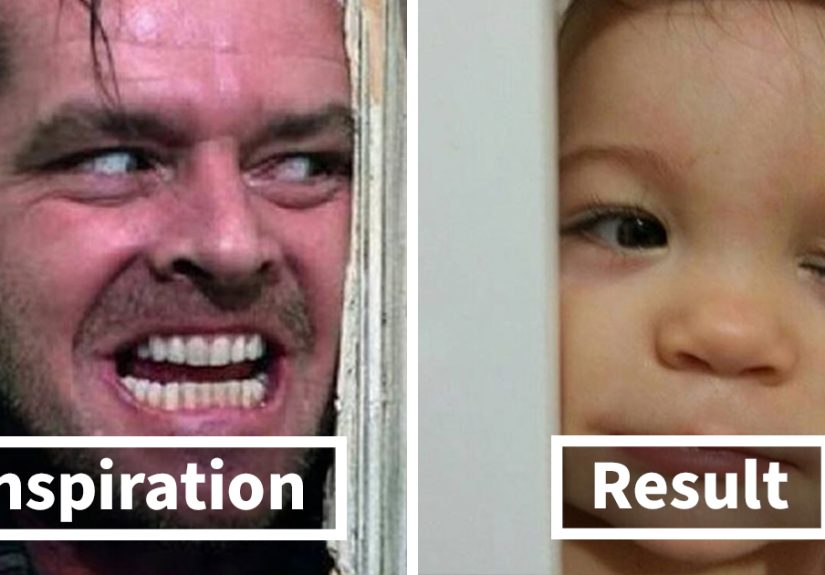
5) Jack Torrance from The Shining
Cosplaying a horror classic without going graphic is an art. This kind of look leans on costume cues and mood rather than intensityproof you can reference famous films in a kid-appropriate way.
6) Martha Nielsen from Dark
“Dark” is all atmosphere, which makes it perfect for cosplay photography. You don’t need a spaceshipjust the right styling, posture, and a photo that feels like it has secrets.
7) Mathilda from Léon: The Professional
This look is recognizable through its simple elements (hat, styling, attitude). When you cosplay a character from a serious movie, the key is keeping it respectful and focusing on the iconic fashion cuesnot the heavy plot.
8) Clementine from Eternal Sunshine of the Spotless Mind
Clementine is basically “hair color as a personality.” This cosplay shines when it leans into the expressive styling and the feeling of the character: messy, bright, and a little chaotic in the best way.
9) Misty from Pokémon
Misty is a classic for a reason: simple outfit, bold colors, and a hairstyle that reads instantly. Bonus points if the pose says, “Yes, I absolutely have opinions about gym battles.”
10) Baby Yoda (Grogu) from The Mandalorian
Grogu cosplay is a joy because it’s all about shape and cuteness. The trick is getting the ears right and letting the character’s vibe do the rest. You don’t cosplay Groguyou become a mood.
11) Martha Nielsen (Again!) from Dark
When a cosplay gets repeated, it usually means one thing: the character clicked. A second version can refine details, improve styling, or explore a different “season” look. Cosplay glow-ups are real.
12) Sheila the Thief from Dungeons & Dragons
Fantasy cosplay doesn’t have to be bulky armor. A cloak, a headband, and the right color palette can sell “adventurer” instantlyand it’s comfortable enough for a long day of pretending you’re on a quest.
13) Athena from Saint Seiya: Knights of the Zodiac
This is where cosplay loves symmetry: regal styling, iconic color choices, and a strong character presence. Even without heavy armor, a “divine” character reads through posture and clean costume lines.
14) Axl Rose from Guns N’ Roses
Rockstar cosplay is all about silhouette and attitude. Bandana, sunglasses, and stage energydone. It’s the kind of look that proves you don’t need special effects when your character is the special effect.
15) Padmé Amidala from Star Wars
Padmé is cosplay royalty. Even a simplified version works if it captures the elegant styling and recognizable hair cues. The secret ingredient is always: “I’m composed… but I have a plan.”
16) Branch (Listed as “Tronco”) from Trolls
Animated character cosplay is a playground for texturehair, color, and expressive face work. This kind of transformation pops in photos because it looks like a cartoon wandered into real life.
17) Buttercup from The Powerpuff Girls
Buttercup is a tiny icon of confidence. The costume is simple, but the expression sells it: tough stance, zero hesitation, and the energy of someone who would absolutely fight a villain before homework.
18) Jessica from Jessica Jones
Streetwear cosplay is underrated. Jessica’s look is about practical layers and a very specific attitudecool, tired, and unbothered. It’s a masterclass in “less costume, more character.”
19) X-23 from Logan
This cosplay works when it focuses on the recognizable styling and the character’s intense “don’t mess with me” vibewithout leaning into anything graphic. Strong, iconic, and photo-friendly.
20) Bruce Lee from Game of Death
A legendary look that’s instantly identifiable through color and fit. This is cosplay as tribute: clean costume, confident stance, and a reminder that sometimes the simplest outfits carry the biggest impact.
21) Ryan Stone from Gravity
Space cosplay doesn’t need a NASA budget to feel believable. The suit vibe, the staging, and the storytelling do the heavy lifting. It’s the kind of transformation that makes viewers go, “Waithow did they pull that off?”
What This Teaches Us About Great Cosplay
Recognizability beats complexity
The best cosplay transformations usually nail 2–3 signature elements: a silhouette, a color palette, and one unmistakable accessory (glasses, hair, cape, jacket). If people recognize the character instantly, you wineven if the costume was made with budget-friendly materials and a heroic amount of patience.
Photos are part of the costume
Cosplay lives in the details, but it also lives in the presentation: lighting, background, pose, and expression. A well-shot simple costume can outperform a complicated one if the photo tells the story.
Consistency creates skill
Doing cosplay over years builds a “maker toolbox” in the family: basic sewing, prop crafting, safe adhesives, makeup that doesn’t irritate skin, and the ability to improvise when something breaks five minutes before the photo.
Family Cosplay Tips (Safe, Practical, and Still Fun)
1) Keep costumes comfortable and movement-friendly
- Choose breathable fabrics and avoid anything that scratches or pinches.
- Make sure hems don’t drag (tripping risk is the villain nobody invited).
- Test the full outfit earlycomfort issues show up fast when kids are involved.
2) Prioritize basic costume safety
- If you’re making costumes at home, think about flame resistance and keep costumes away from open flames and candles.
- Use non-toxic, skin-safe materials when possible, especially for face paint and adhesives.
3) Be careful with face paint, makeup, and adhesives
- Patch-test new products on a small area first to reduce the chance of irritation.
- Remove makeup gently and thoroughly after wearing itskin gets cranky when it’s ignored.
- Avoid harsh glues on sensitive skin; choose products designed for cosmetic use.
4) Skip non-prescription decorative contact lenses
If a character “needs” special eyes, use photo editing, colored makeup, or safe costume design tricks. Non-prescription decorative contacts are not worth the riskespecially for kids and teens.
5) Follow convention prop rules (even for home photos)
Many conventions prohibit functional or sharp-edged props. If your child’s cosplay includes a weapon-like accessory, keep it obviously fake, lightweight, and non-functional. It’s safer, and it makes the cosplay easier to bring to public events.
6) Crafting safety for grown-ups: ventilation matters
If you’re building props with foam, spray paint, strong glues, or sealants, treat it like a mini workshop: ventilate, follow labels, and use protective gear when needed. Your lungs deserve better than “mystery fumes because the helmet had to be finished tonight.”
How to Photograph Cosplay Transformations Like a Pro (Without a Studio)
- Use soft natural light (shade outdoors beats harsh overhead indoor lighting).
- Pick a simple background so the costume reads clearly.
- Shoot at the character’s “energy” level: low angles for heroes, centered calm shots for regal characters, playful movement for animated looks.
- Let kids take breaks. The best photos happen when they’re having fun, not when they’re being directed like a tiny stressed actor.
Respect, Privacy, and the “Cute Can Still Be Careful” Rule
When a cosplay account features a child, the audience often sees “adorable.” The family sees “memories.” But the internet can also be weird, and kids deserve privacy. Practical ways families reduce risk include: avoiding overly identifying details (school names, addresses), moderating comments, and checking in with the child as they grow about what they’re comfortable sharing. Cosplay should build confidencenot create pressure.
Conclusion: A Transformation Is Really a Time Capsule
Twenty-one costumes can look like a list, but it’s really a timeline: evolving craft skills, evolving fandom taste, and a family committing to imaginative play year after year. That’s why the story works. It’s not only “look at this outfit.” It’s “look at the creativity, the practice, and the joy.”
If you’re inspired, start small: one character, one weekend, one photo you actually like. And if you mess up the wig the first time, congratulationsyou’ve officially entered the cosplay tradition of “fixing it later.”
Experience Add-On (500+ Words): What This Kind of Cosplay Journey Feels Like in Real Life
If you’ve never done cosplay with a kid (or as a family), here’s the part people don’t always tell you: the costume isn’t the hardest thing. The hardest thing is that cosplay has the audacity to be both art and logistics at the same time.
It usually starts innocently. A child watches a movie, latches onto a character, and announces, “I want to be that.” Your brain hears: “A fun craft project.” Your calendar hears: “A new part-time job.” Because now you’re thinking about fabric, sizing, comfort, and whether the character’s shoes are available in human form or only in cartoon physics.
Then comes the joyful chaos of the build. You measure something twice and cut it wrong anyway. The wig arrives and looks like it was packaged by a raccoon with big feelings. You learn that hot glue is both a miracle and a life choice. Somewhere in the middle, you realize cosplay isn’t one skillit’s a bunch of small skills stacked on each other: a little sewing, a little styling, a little prop crafting, and a surprising amount of problem-solving when the “perfect” item doesn’t exist and you have to create it from whatever your house has on hand.
With kids, the best moments are often the unscripted ones. They practice the pose without being asked. They improvise dialogue. They make up backstories. They take the character seriously in that pure kid way where the imaginary world is real enough to matter. And that’s when the cosplay becomes more than a photoit becomes play that builds confidence. You can actually watch them think: “I can be someone brave. I can be someone clever. I can be someone bold.”
Photo day is its own adventure. The costume looks perfect on the hanger, and then the child puts it on and immediately asks for a snack, needs the bathroom, and discovers that the cape is also a blanket and will be used as one. You learn quickly that the goal isn’t “hundreds of perfect shots.” The goal is “a few great ones while everyone stays happy.” You take breaks. You let them move. You chase the laugh, because the laugh always photographs better than the forced smile.
Over time, a long cosplay journey turns into a family language. Certain characters become favorites because they’re comfortable, or because the child loves how they feel in them. You start planning ahead: building a simple version first, then upgrading it later. You keep a small box of essentialspins, tape, emergency hair tiesbecause you’ve learned the sacred truth: something will always try to fall off five minutes before the camera comes out.
And maybe the biggest “experience” piece is this: you start seeing the world in cosplay solutions. A thrift store isn’t just a thrift storeit’s a treasure hunt. A craft aisle isn’t just suppliesit’s a prop department. A plain jacket becomes “Jessica Jones energy.” A green dress becomes “Chihiro potential.” Your brain starts filing objects under “could become a character,” which is either delightful or a sign you need a nap. Possibly both.
That’s why a kid who’s been cosplaying since she was 1 can inspire so many people: it’s not just the transformations. It’s the years of small creative moments that add up to something bigone costume, one photo, one memory at a time.
Sources Consulted (No Links)
- U.S. Consumer Product Safety Commission (costume safety and flame resistance)
- U.S. Food & Drug Administration (decorative contact lens safety)
- CDC/NIOSH (respirator basics and selection guidance)
- American Academy of Pediatrics / HealthyChildren.org (kids’ safety and pretend play)
- FTC (children’s privacy basics)
- Smithsonian Folklife Magazine (cosplay culture and community)
- Comic-Con International (costume/prop policy guidance)
- Washington Post (U.S. convention cosplay community reporting)
- Mount Sinai (skin reaction prevention for costumes/makeup)
- Make: Magazine and Instructables (foam/costume crafting education)