Table of Contents >> Show >> Hide
- What Exactly Is Crepey Skin?
- Why Retinol Is a Star Ingredient for Crepey Skin
- The Amazon Retinol Body Cream Everyone’s Talking About
- How to Use Retinol Body Cream for Best Firming Results
- Is Retinol Body Cream Safe for Everyone?
- What Kind of Results Can You Expect?
- Other Smart Habits to Boost Firmness
- of Real-World Retinol Body Cream “Experience”
- Bottom Line: Is This Amazon Retinol Body Cream Worth It?
If you’ve ever looked down at your arms, chest, or knees and thought, “Huh, when did my skin start looking like crumpled tissue paper?” welcome to the crepey skin club. The good news: you don’t have to just shrug and live with it. One of the most buzzed-about solutions right now is a retinol body cream from Amazon that shoppers say noticeably firms and smooths crepey skin without costing as much as your monthly car payment.
In this article, we’ll break down what crepey skin actually is, why retinol works so well on it, what makes these popular Amazon retinol body creams stand out, and how to use them safely so you get results, not a red, angry rash. We’ll also talk about realistic expectations and a few lifestyle tweaks that make any firming cream work harder for you.
What Exactly Is Crepey Skin?
“Crepey skin” is that thin, finely wrinkled texture that looks a bit like crêpe paper. Dermatologists note that it tends to show up on areas like the upper arms, chest, stomach, and thighs as we get older. Sun exposure, aging, loss of collagen and elastin, and big weight changes are all major drivers.
Unlike deep wrinkles, crepey skin is about overall texture and laxity. The skin can feel loose and slightly crinkled, even when you’re not making a facial expression or bending a joint. Over time, the skin’s support structure (collagen and elastin) thins out. Add in chronic dryness and UV damage, and everything starts to sag and fold instead of bounce.
Dermatology experts consistently recommend a “stacked” strategy for crepey skin: diligent sun protection, heavy-duty moisturizers, and topical ingredients that actually remodel the skin and that’s where retinol comes in.
Why Retinol Is a Star Ingredient for Crepey Skin
Retinol is a derivative of vitamin A and one of the most studied anti-aging ingredients in skincare. It speeds up cell turnover, encourages collagen production, and can even help improve discoloration. Medical sources and dermatologists repeatedly highlight retinol as a go-to for smoothing fine lines, firming lax skin, and generally making things look fresher and tighter.
When it comes to crepey body skin specifically, retinol does three key things:
1. Boosts Collagen and Elastin
Collagen gives skin structure; elastin gives it bounce. As we age, both decline. Topical retinoids have been shown to help thicken the dermis and stimulate new collagen, which over time can make skin appear firmer and less “crinkled.”
2. Speeds Up Cell Turnover
Crepey areas often look dull and rough. Retinol encourages older, damaged cells to shed more quickly and be replaced by fresher cells. That smoother surface translates into softer, more even-looking skin texture.
3. Works Well with Hydrating Ingredients
Retinol alone can be a little bossy effective, but sometimes irritating. That’s why many body creams pair retinol with hydrating and soothing ingredients like shea butter, aloe, hyaluronic acid, glycerin, and vitamin E to offset dryness and strengthen the skin barrier.
In other words, retinol is the “project manager” telling your skin to remodel itself, while the moisturizers and antioxidants are the construction crew making sure the work gets done without chaos.
The Amazon Retinol Body Cream Everyone’s Talking About
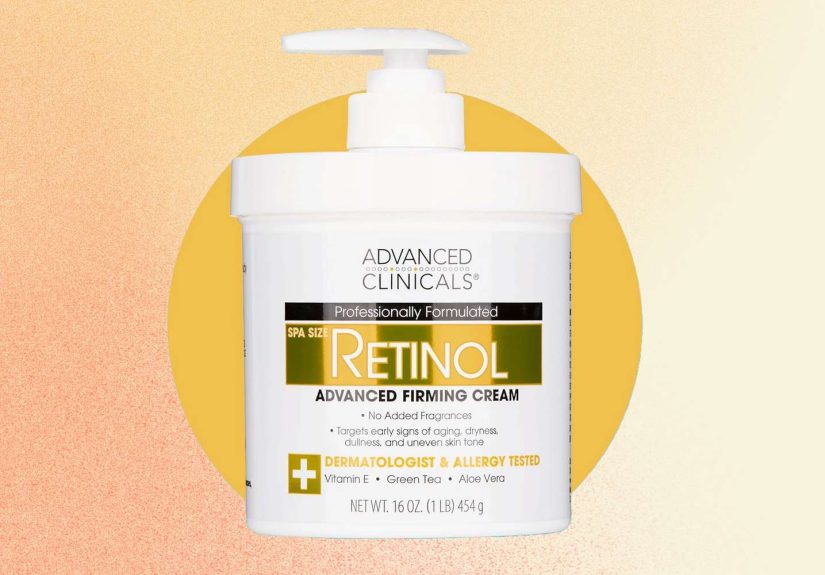
Amazon has several retinol body creams marketed specifically for crepey skin, but one of the most talked-about options is a spa-size firming cream from Advanced Clinicals a retinol body lotion designed for both face and body that targets fine lines, wrinkles, and crepe-looking dry skin.
Here’s what stands out when you look at the product details and shopper feedback across Amazon and beauty coverage:
- Retinol as the hero ingredient: The cream uses retinol to help soften the look of wrinkles and crepey texture while encouraging a visibly firmer feel over time.
- Big, budget-friendly size: It comes in a large “spa size” tub, which makes slathering it from shoulders to shins less painful on your wallet.
- Hydrating sidekicks: The formula is often paired with soothing ingredients like aloe, green tea, vitamin E, and plant oils to help offset the dryness retinol can cause and to keep skin comfortable.
- Designed for crepey and sun-damaged skin: The brand explicitly calls out crepey, sun-exposed areas as a target. Shoppers frequently mention using it on arms, chest, knees, and hands that have seen one too many summers.
- Thousands of positive reviews: Across Amazon, retinol body lotions of this type have racked up thousands of reviews, with mature users in particular talking about softer, smoother, more “springy” skin after several weeks of use.
Is it magic? No cream can fully reverse decades of sun and aging. But based on how retinol works in the skin and on the real-world feedback from shoppers who use these formulas daily it’s reasonable to expect gradual, noticeable improvements in texture and firmness if you stick with it.
How to Use Retinol Body Cream for Best Firming Results
Retinol body cream can be a game-changer, but only if you use it correctly. Going from “never used retinol” to “slathered from neck to ankles twice a day” is a fast track to irritation. Here’s how to ease in like a pro.
Start Slowly (Your Skin Will Thank You)
Dermatologists generally recommend starting retinol a few times per week and building up gradually, especially on thinner or more sensitive areas.
- Begin with 2–3 nights per week on crepey areas.
- Use a pea- to nickel-size amount for each major area (upper arms, chest, thighs).
- If your skin feels okay after 2–3 weeks, you can slowly increase to every other night or nightly use.
If you notice persistent stinging, redness, or peeling, scale back. Retinol is a “slow and steady wins the race” kind of ingredient.
Apply to Dry Skin After Cleansing
To minimize irritation, apply your retinol body cream to clean, completely dry skin. Using retinol on damp skin can sometimes make it absorb faster and feel more intense.
At night, try this routine:
- Shower or gently cleanse the area.
- Pat your skin dry and wait a few minutes.
- Apply your retinol cream to crepey zones in a thin, even layer.
- Follow with a plain, fragrance-free body moisturizer on top if your skin is dry or sensitive.
Make Moisturizer and SPF Non-Negotiable
Retinol can make skin feel drier and more sensitive, especially in the first few weeks. Common side effects include mild redness, flaking, and tightness all signs your skin is adjusting, not falling apart.
During the day, pair your retinol body routine with:
- Broad-spectrum SPF 30+ sunscreen on any exposed areas.
- A non-irritating, fragrance-free moisturizer to keep skin calm, hydrated, and supported.
Because UV damage is one of the biggest causes of crepey skin in the first place, sunscreen is as important as the cream itself.
Is Retinol Body Cream Safe for Everyone?
For most healthy adults, over-the-counter retinol products are considered safe when used as directed. Large reviews and medical sources note that the main concerns with topical retinol are local irritation (redness, dryness, peeling), not long-term systemic harm.
That said, there are important caveats:
- Pregnant or breastfeeding? Experts generally recommend avoiding retinol and other vitamin A derivatives during pregnancy and nursing, out of caution.
- Very sensitive, eczema-prone, or rosacea-prone skin? You may find retinol too irritating, or you might need to use it very sparingly alongside lots of barrier-supporting moisturizers.
- Already using strong exfoliants? Mixing retinol with AHAs, BHAs, benzoyl peroxide, or powerful vitamin C products can overload your skin barrier. Many experts recommend using these on alternate days or at different times of day.
If you have a history of skin conditions or are using prescription retinoids elsewhere in your routine, it’s smart to check with a dermatologist before layering on a retinol body cream.
What Kind of Results Can You Expect?
Here’s the part everyone really wants to know: will your arms suddenly look like you’re 20 again after a week? Sadly, no. But with consistent use, many people do see meaningful improvements.
Dermatologists and clinical studies on retinoids suggest that visible changes in texture and firmness typically take 8 to 12 weeks of regular use. Amazon reviewers echo that timeline, with many noting:
- Skin feels softer and smoother within a few weeks.
- Fine lines and crepey texture appear less noticeable after one to three months.
- Areas like knees, upper arms, and décolletage look more “filled in” and firm over time.
As always, individual results vary. If your crepey skin is mostly from chronic sun damage and dryness, you may see a more dramatic improvement than someone whose skin laxity is largely from genetics or major weight changes. Still, pairing retinol with sun protection, good hydration, and a generally healthy lifestyle tends to give the best payoff.
Other Smart Habits to Boost Firmness
Think of your Amazon retinol body cream as the MVP, but not the whole team. For the best results, combine it with these habits:
- Daily sunscreen: Broad-spectrum SPF on arms, chest, and anywhere else exposed is non-negotiable if you want firmer skin long term.
- Gentle cleansing: Skip harsh soaps that strip oils; opt for a mild, hydrating body wash instead.
- Hydrating diet: A pattern rich in fruits, vegetables, healthy fats, and adequate protein supports collagen and overall skin health.
- Strength training: Building underlying muscle can help give the appearance of tighter, more lifted skin on arms and legs.
- Consistent moisturization: Even on nights you skip retinol, moisturizing keeps the skin barrier strong and bouncy.
of Real-World Retinol Body Cream “Experience”
So what does using a retinol body cream for crepey skin actually feel like in real life beyond the polished product descriptions? Imagine this: you’ve just gotten out of the shower at night, and instead of your usual quick swipe of lotion, you scoop out a generous dollop from a big spa-size tub. The texture is thick but spreadable, and there’s that subtle “I’m doing something grown-up and proactive for my skin” moment as you smooth it over your upper arms and chest.
Night one: your skin feels moisturized, maybe a bit more “sealed in” than usual. No miracles, but you weren’t expecting any. By the end of week one, you might notice your skin feels a touch softer, especially if you’re also layering a simple body moisturizer on top. You start to get into a rhythm retinol cream on Monday, Wednesday, and Friday nights, regular lotion on the off days.
Then comes the “Is that… flaking?” phase. Around week two or three, many people notice a bit of dry, flaky skin especially on thinner areas like the inner arms or décolletage. That’s where the temptation to panic kicks in. But if you’ve read up on retinol, you know this can be part of the adjustment process, not a sign you’ve ruined your skin barrier forever. You dial things back to twice a week, pile on a bland, fragrance-free moisturizer, and let your skin calm down.
By weeks four to six, the rhythm feels normal. You’re not thinking about it as much it’s just part of your night routine like brushing your teeth. If you’re paying attention, you may notice that your skin texture looks slightly smoother in bright bathroom lighting. The tiny cross-hatched lines that used to show up every time you bent your elbows or raised your arms might not be quite as dramatic. Your skin also feels more velvety when you apply sunscreen or body oil in the morning.
Where people often get pleasantly surprised is in those “before and after” moments that happen accidentally. Maybe you’re putting on a short-sleeve dress you haven’t worn since last summer, or someone snaps a vacation photo at the pool. When you compare those images even mentally you might realize your upper arms or chest don’t look quite as crepey or shadowed as they used to. The change is rarely overnight, but it’s noticeable enough that you’re motivated to keep going.
Another very real part of the experience: figuring out just how much to apply. With a big Amazon tub, it’s easy to assume “more = better,” but often “more = itchy.” Over time, many users find that a thin, even layer on targeted areas is plenty. They save the heavy slathering for plain moisturizer, not the retinol cream, and their skin is happier for it.
And then there’s the budget factor. High-end body treatments for crepey skin can get seriously pricey. Having a generously sized retinol body cream show up on your doorstep for a comparatively modest price can feel like a small luxury that’s actually sustainable. You don’t have to ration it like liquid gold you can use it consistently, which is the real secret behind the results people talk about in reviews.
Finally, one of the biggest shifts people report is psychological. When you feel like you’re doing something active to support your skin rather than just watching it change and feeling frustrated that alone can boost confidence. No cream will make you 25 again, but a well-formulated retinol body product from Amazon can absolutely help your skin look smoother and more supported, while reminding you that caring for your body is an ongoing, worthwhile project.
Bottom Line: Is This Amazon Retinol Body Cream Worth It?
If crepey, thinning skin on your arms, chest, or legs is bothering you, a retinol body cream from Amazon can be a smart, science-backed addition to your routine. The combination of collagen-boosting retinol plus barrier-supporting moisturizers targets exactly what makes crepey skin look, well, crepey in the first place. When you pair it with sunscreen, patience, and consistent use, you’re stacking the odds in favor of firmer, smoother skin.
Just remember the golden rules: start slowly, moisturize generously, protect your skin from the sun, and manage expectations. You’re not aiming for “brand-new skin” you’re aiming for “my skin, but better supported, better hydrated, and more confident to show off.” And for a big tub of cream that lands right on your doorstep, that’s a pretty good deal.






