Table of Contents >> Show >> Hide
For a very long time, the sex-toy aisle followed one big idea: if it looked vaguely like a penis, it would probably sell. That assumption shaped product design, marketing, and even the broader way people talked about pleasure. The result? A whole lot of toys that treated one body part, one type of stimulation, and one narrow vision of sex as the default.
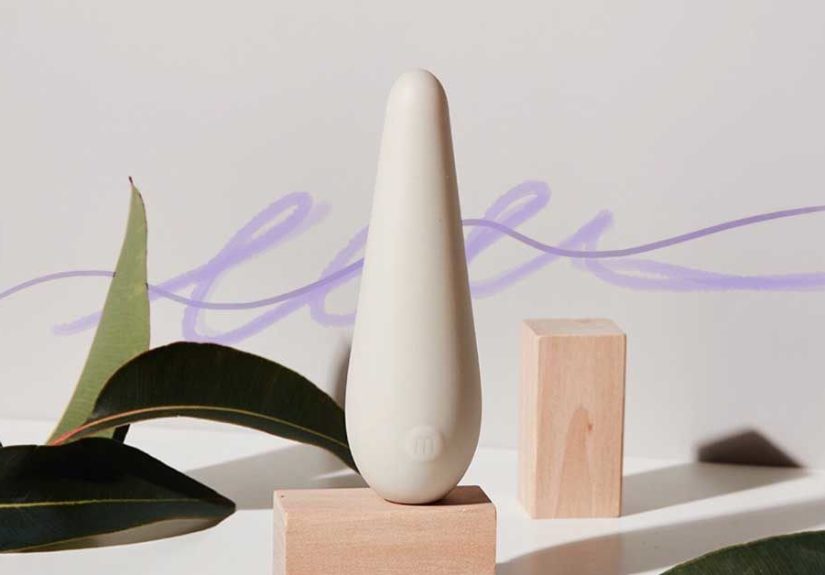
Thankfully, that script is getting rewritten. More modern sexual wellness products are shaped like pebbles, shells, commas, lips, crescents, or abstract little sculptures that look more at home on a nightstand than hidden in a shoebox under the bed. And that design shift is not just aesthetic. It reflects a bigger truth: pleasure is not one-size-fits-all, bodies are not all aroused the same way, and intimacy does not need to orbit penis-shaped symbolism to count as “real.”
That matters for beginners who find traditional toys intimidating. It matters for people with vulvas whose pleasure is often centered on external stimulation. It matters for queer, trans, and nonbinary users who may not want products coded as “for him” or “for her.” It matters for anyone with body-image baggage, gender dysphoria, religious shame, or a simple desire for sexual wellness products that feel thoughtful rather than tacky. In other words, the shape is not a gimmick. The shape is the message.
Why the Shape Matters in the First Place
1. Because anatomy is more interesting than old-school marketing
One reason non-phallic sex toys matter is simple: many people are not looking for penetrative stimulation as their main event. For lots of people with vulvas, external clitoral stimulation plays a major role in sexual pleasure and orgasm. That means a toy designed around direct or indirect external contact may be more useful than something built to imitate penetration and call it a day.
When the industry defaults to penis-like shapes, it quietly teaches users that “real” pleasure should look a certain way. But bodies do not read cultural scripts. They respond to pressure, vibration, rhythm, comfort, positioning, curiosity, and sometimes the magical combination of all six. A toy that is curved, wide, flat, wearable, or palm-sized may work better precisely because it is designed for function first, symbolism second.
2. Because not everyone wants a visual reminder of a penis
That may sound obvious, but it has real emotional weight. Some people just do not find phallic imagery sexy. Some find it too literal, too visually aggressive, or too locked into a narrow idea of heterosexual sex. Others want solo pleasure products that feel separate from partner dynamics. And some users, including people with trauma histories or gender dysphoria, may feel more comfortable with designs that do not mimic anatomy so directly.
This is where design becomes more than decoration. An object that feels neutral, elegant, or abstract can lower the emotional barrier to exploration. It can feel less like a prop and more like a tool. That difference may be small on paper, but in real life it can be the difference between “maybe someday” and “actually, I’m curious enough to try this.”
3. Because pleasure is broader than penetration
Let’s say it plainly: sex is not automatically more valid because something gets inserted somewhere. That idea has lingered for ages, and it has done a spectacular job of flattening people’s actual experiences. Non-phallic toys challenge that hierarchy. They make room for rubbing, pulsing, surrounding stimulation, broad contact, hands-free positioning, and partner play that is less about imitation and more about sensation.
That opens the door to a more realistic conversation about what intimacy can be. Sometimes pleasure is targeted. Sometimes it is diffuse. Sometimes the best design is the one that stays in place, fits between bodies, follows the shape of a hand, or works without demanding Olympic-level wrist commitment. A toy does not have to resemble a penis to be effective. It has to understand how bodies actually feel.
What Non-Phallic Design Gets Right
It centers comfort
Many newer toys are intentionally made to feel approachable. Soft curves, matte silicone, smaller silhouettes, and intuitive buttons are not accidental. They help the product feel less clinical than a medical device and less absurd than something bought under a flickering neon sign in a strip mall next to a payday loan office. In short, they make exploration feel normal.
That normalizing effect is important. Sexual wellness products are increasingly sold alongside skincare, supplements, and other self-care items for a reason: people are more willing to engage with products that do not scream embarrassment from the packaging. When a toy looks clean, modern, and purpose-driven, it helps destigmatize the whole experience.
It makes room for inclusive use
One of the smartest arguments for non-phallic design is that it can be more adaptable across bodies and identities. Some toys are built to work externally on different erogenous zones. Some fit between partners. Some can be used with a harness, around a penis, against a vulva, or in ways that do not force the user into a pink-for-ladies or black-for-guys marketing box.
That flexibility matters in real relationships and real bodies. Plenty of people do not want a toy that assumes what genitals they have, what language they use, or what kind of sex they enjoy. A more abstract design can feel less prescriptive. It invites experimentation rather than declaring, with all the subtlety of a marching band, exactly what you are supposed to do.
It encourages better product thinking
Once a designer stops asking, “How do we make this resemble anatomy?” they can ask better questions. Where should pressure land? How should the motor feel at lower speeds? Can the toy stay in place during partnered use? Is the grip good for people with mobility or dexterity limitations? Does the product feel comfortable to hold, clean, store, and recharge?
That is where innovation gets interesting. Non-phallic toys often push brands toward smarter engineering, not just prettier design. Some focus on broad external stimulation. Some use air-pulse or suction-style technology. Some combine internal and external contact without looking like a cartoon rabbit had a product-development meeting. The point is not novelty for novelty’s sake. The point is designing from human experience outward.
Why This Shift Is Culturally Important
For decades, the mainstream toy market reflected a limited story about sex: penis-centered, gendered, awkwardly marketed, and often weirdly hostile to subtlety. Newer non-phallic products challenge that story in a few important ways.
First, they help separate pleasure from performance. A sleek toy that prioritizes sensation over symbolism sends the message that intimacy is not a script you must act out correctly. It is something you learn about your own body. That shift can be especially powerful for people who spent years thinking their preferences were “wrong” just because they did not line up with the cultural standard package of penetration-plus-finish-line.
Second, they soften the shame factor. When a product feels aesthetically considered rather than lurid, people may be more willing to discuss it, buy it, leave it in a bedside drawer, or even think of it as part of adult wellness instead of secret contraband. And yes, packaging matters. Humans are visual creatures. If the product looks like a joke, many users will treat their curiosity like one too.
Third, they make the category more welcoming. The older adult-market vibe often made pleasure feel like something for a narrow audience with a high tolerance for cringe. Modern design opens the door to people who want sexual wellness without the camp, the gender assumptions, or the visual clichés. There is room in the world for humor, of course, but not everyone wants their intimate products to look like bachelor-party props.
How to Choose a Non-Phallic Toy That Actually Works for You
Start with sensation, not trendiness
Before buying anything, ask what kind of stimulation you actually enjoy or want to explore. Broad external vibration? More pinpoint contact? Hands-free partner use? A toy can be gorgeous enough to deserve a museum label, but if it does not suit your preferences, it is just expensive modern art with a charging cable.
Look for body-safe materials
Body-safe, nonporous materials matter. Silicone is a popular choice for a reason: it is smooth, durable, and easier to clean than porous materials. Cleaning instructions matter too. So does compatibility with lubricant. And if a toy is being shared, safer-use basics still apply: clean it properly and use barriers like condoms when appropriate. Sexy? Maybe not. Smart? Extremely.
Think about usability
The best toy is not always the strongest or the fanciest. It is the one you will actually use. Pay attention to button placement, noise level, charging method, shape, grip, and whether the product seems easy to position. Accessibility is not a niche concern. It is part of good design.
Do not confuse “non-phallic” with “beginner only”
A common mistake is assuming abstract or minimalist toys are somehow tame, entry-level, or less effective. Not even close. Some of the most powerful and best-loved products on the market look like pebbles, shells, snails, or futuristic jewelry. Function does not need a fake-anatomy costume to be impressive.
Common Myths About Non-Phallic Toys
Myth: If it is not penis-shaped, it is less serious
Nope. That idea confuses familiarity with effectiveness. Many non-phallic toys are designed around actual user feedback and anatomy rather than inherited assumptions from a very old, very male-centered market.
Myth: These products are only about aesthetics
Also no. Good design can reduce intimidation, widen accessibility, support different bodies, and improve comfort. Looking better and working better are not opposing goals. In the best products, they are roommates.
Myth: Penetration-focused toys are more “normal”
Normal is a terrible design standard. Useful is better. Comfortable is better. Pleasurable is definitely better. If a non-phallic toy aligns more closely with how your body responds, then for you, that is the more practical and more normal option.
Experiences People Commonly Describe With Non-Phallic Toys
One of the most common experiences people report is relief. Not fireworks, not a life-changing choir of angels, just plain relief. Relief that the product does not look silly. Relief that it does not assume what kind of body they have or what kind of sex they should be having. Relief that they can leave it in a drawer without feeling like they are hiding evidence from a crime scene. For many users, that emotional ease is the first real benefit. Curiosity tends to show up more easily when dread and embarrassment finally leave the room.
Beginners often describe non-phallic toys as less intimidating. A small external vibrator, a palm-shaped stimulator, or a curved wearable product can feel easier to approach than something long, explicit, and theatrically anatomical. Instead of feeling pressure to “use it correctly,” people say they feel invited to experiment. That matters because pleasure is rarely improved by performance anxiety. The more a product feels like a tool for discovery instead of a test you might fail, the more natural the learning process becomes.
People in long-term relationships also tend to talk about non-phallic toys differently. They often describe these products as conversation starters rather than replacements or competitors. Because the design feels less loaded, couples may find it easier to discuss what they want, where they like stimulation, and how to include a toy without turning the whole moment into a referendum on anyone’s ego. The product becomes less about impersonating a body part and more about adding sensation, flexibility, and a little creativity to intimacy.
Queer, trans, and nonbinary users frequently describe a different kind of value: emotional fit. A toy that is not rigidly gendered can feel less alienating. It may not solve every issue around body comfort or dysphoria, but people often say it helps them stay present rather than pulling them into language, imagery, or expectations that do not feel like theirs. That is not a small thing. A product that feels neutral, adaptable, and respectful can create more room for ease, and ease is often underrated in conversations about pleasure.
There is also the practical side. Users with sensitivity issues, pelvic floor concerns, mobility limitations, or simple preference for external stimulation often describe non-phallic products as more ergonomic and less demanding. They appreciate toys that rest against the body, target specific areas without too much pressure, or allow for shorter, gentler sessions. In other words, the “experience” is not always about intensity. Sometimes the win is comfort, control, and the freedom to enjoy something without needing to negotiate around a design that was never built with your body in mind.
The Bigger Takeaway
This is why it matters when a sex toy is not shaped like a penis: the design choice reflects a broader, healthier understanding of pleasure. It signals that intimacy does not need to copy one body part, one gendered script, or one old definition of what sex is supposed to be. It makes space for external stimulation, inclusive design, emotional comfort, and real-world usability. It invites people to ask better questions about what feels good instead of defaulting to what looks familiar.
That is progress. Not loud progress. Not confetti-cannon progress. More like smart, quietly revolutionary progress that shows up in good materials, thoughtful ergonomics, and the blessed absence of needless anatomical cosplay. A non-phallic toy is not important because it is trendy. It is important because it reminds people that pleasure can be designed around the user, not around old assumptions. And frankly, that is a shape worth celebrating.