Table of Contents >> Show >> Hide
- What Is Grove Brickworks Field Tile from Waterworks?
- Why This Tile Works So Well Around Countertops
- The Beauty Is in the Imperfection
- Best Places to Use Grove Brickworks Field Tile
- Color Strategy: Quiet Background or Bold Accent?
- Choosing the Right Grout
- Layout Ideas That Make Grove Brickworks Shine
- Installation: What Homeowners Should Know Before Ordering
- Cleaning and Maintenance
- Pros and Cons of Grove Brickworks Field Tile
- Design Examples: How to Use It in Real Rooms
- Buying Tips Before You Commit
- Experience Notes: Living With Grove Brickworks-Style Tile
- Conclusion
If a plain white wall tile is a crisp button-down shirt, Grove Brickworks Field Tile from Waterworks is the same shirt after a weekend in a charming old house: still elegant, but with better stories. This glazed brick tile has the relaxed confidence of painted brick, the polish of high-end ceramic, and the kind of surface variation that makes a room feel designed rather than assembled from a catalog.
For kitchens, baths, bars, laundry rooms, and statement walls, Grove Brickworks offers something many homeowners secretly want but do not always know how to describe: texture without chaos, shine without flashiness, and color with a little soul. It is not the tile for someone who wants every piece to look identical. It is the tile for someone who appreciates that handmade character is not a flaw; it is the whole point.
What Is Grove Brickworks Field Tile from Waterworks?
Grove Brickworks Field Tile is a glazed brick-style tile associated with Waterworks, a brand known for luxury bath, kitchen, and surface materials. The original appeal of Grove Brickworks was simple and clever: it created the look of painted brick without requiring homeowners to uncover a century-old wall behind the drywall and whisper, “Please be beautiful.”
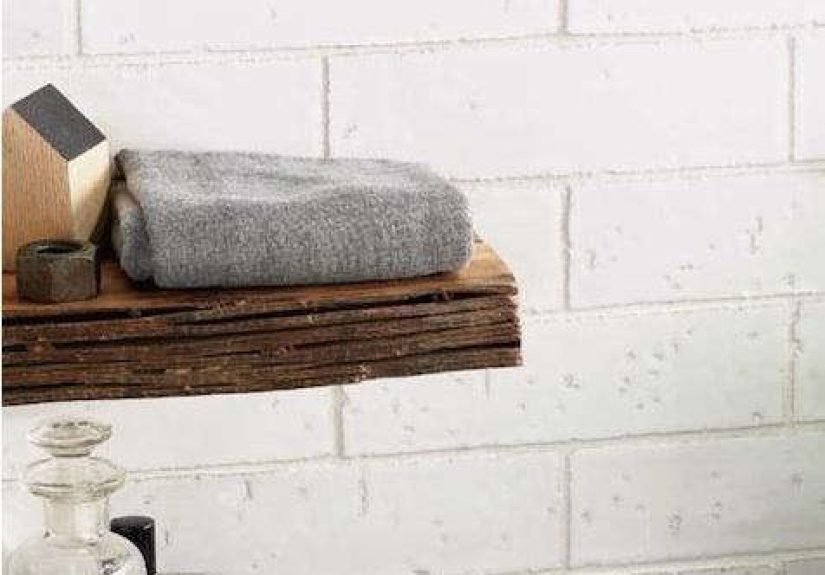
The tile is made with real brick-like material and finished with glaze, giving it a tactile, slightly rustic surface. Waterworks documentation describes Grove-style glazed brick as organic, earthy, and rich in surface complexity. Pinholes, irregular surfaces, and glaze movement are part of its personality. Instead of hiding those marks, the glaze catches them, making each tile read like a small handmade object.
Historically, Grove Brickworks was noted for elongated field tile proportions around the classic brick format, including pieces in the neighborhood of 2 1/4 by 8 inches and other related sizes. Waterworks documentation has also shown Grove Brickworks field tile options in multiple dimensions, including long and narrow formats suited to backsplash and wall applications. The visual result is familiar enough to feel timeless but detailed enough to avoid the dreaded “builder-basic subway tile” effect.
Why This Tile Works So Well Around Countertops
The phrase “tile and countertop” is really about the conversation between two surfaces. Countertops are usually the workhorse: stone, quartz, butcher block, stainless steel, or concrete. The backsplash is the storyteller. Grove Brickworks Field Tile works beautifully in that role because it adds depth without shouting over the counter material.
With marble or marble-look quartz, a white or pale gray Grove tile can soften the elegance and make the kitchen feel less like a museum where nobody is allowed to make toast. With soapstone or dark quartz, a glossy white or warm neutral brick tile creates contrast and brightness. With butcher block, walnut, or oak counters, deeper blue, gray, or green tones can lean into a cozy, old-world mood. With stainless steel, the handcrafted texture keeps the room from looking too commercial.
The Beauty Is in the Imperfection
One of the most important things to understand about Grove Brickworks is that it is not intended to look perfectly flat. Handmade and handmade-inspired tiles often include shade variation, surface movement, small pits, uneven edges, and glaze pooling. In a showroom sample, these details may look subtle. Across an entire wall, they become the rhythm of the room.
This is why designers often recommend viewing several pieces before ordering. A single tile tells you the color. A group of tiles tells you the personality. If you choose Grove Brickworks from one online image, you may be surprised when the finished installation has more movement, shine, or tonal variation than expected. That surprise can be delightful, but it is much better when it is planned.
Best Places to Use Grove Brickworks Field Tile
Kitchen Backsplashes
The kitchen backsplash is the natural home for Grove Brickworks. The elongated brick shape complements countertops, open shelving, pot fillers, range hoods, and classic cabinetry. In a running bond pattern, it feels relaxed and architectural. In a stacked layout, it becomes cleaner and more modern. Installed vertically, it can make low-ceilinged spaces feel taller.
Bathroom Walls
In a bathroom, Grove Brickworks can turn an ordinary wall into a textured feature. Sugar-white or pale gray tones work well for a spa-like bath, while darker glossy colors can make a powder room feel dramatic. Because bathrooms involve moisture, sealing, grout maintenance, and proper installation become especially important.
Bars, Pantries, and Laundry Rooms
Small spaces are excellent candidates for character tile. A butler’s pantry with glossy brick tile behind open shelving feels instantly more custom. A laundry room gets a little cheer. A home bar with deep blue or black glazed brick can look moody, expensive, and just dangerous enough to make sparkling water feel like an event.
Color Strategy: Quiet Background or Bold Accent?
Grove Brickworks has been associated with a broad glossy palette, including whites, grays, blues, dark tones, and earthy shades. The best color depends on whether the tile is meant to disappear gracefully or become the star of the wall.
White and off-white shades are ideal when the countertop has strong veining or the cabinetry already carries a bold color. Gray tones are versatile and pair well with stainless steel, soapstone, concrete, and cool quartz. Deep blue or black shades create a more dramatic design, especially with brass, nickel, or matte black hardware. Greenish or earthy tones can work beautifully with wood cabinets and natural stone.
One practical rule: decide whether the undertone is warm or cool before you fall in love with the color name. A creamy white tile may clash with a blue-white quartz. A cool gray tile may look flat next to honey oak. Bring samples home, stand them near the counter, and look at them in morning light, afternoon light, and evening light. Tiles have moods. Some of them are morning people; some are not.
Choosing the Right Grout
Grout can make Grove Brickworks look subtle, graphic, rustic, or modern. Matching grout creates a softer field and lets the glaze variation stand out. Slightly darker grout emphasizes the brick pattern and can be more forgiving in cooking areas. High-contrast grout is bold, but it also makes every line visible, including any handmade irregularity.
For a classic kitchen backsplash, a warm white tile with light gray grout is a safe and handsome choice. For a more dramatic look, dark tile with medium gray grout keeps the surface legible without turning the wall into a checkerboard. In bathrooms, tone-on-tone grout often feels calmer and cleaner.
Because handmade and textured tiles can hold grout in tiny surface depressions, testing is not optional. A sample board with the actual tile, grout color, grout width, and sealer can prevent expensive regret. It is much cheaper to dislike a sample board than to dislike an entire wall after the installer has packed up and gone home.
Layout Ideas That Make Grove Brickworks Shine
Running Bond
The most familiar layout is running bond, where each row is offset like traditional brickwork. This pattern suits the material naturally and gives kitchens and baths an easy, classic rhythm.
Stacked Horizontal
A stacked horizontal layout creates a cleaner, more contemporary look. It works especially well in modern kitchens where the cabinetry is flat-front and the countertop is simple.
Vertical Stack
Vertical installation is a smart choice for small spaces, shower walls, or narrow backsplash zones. It draws the eye upward and makes the tile feel more architectural.
Full-Height Backsplash
Taking Grove Brickworks from countertop to ceiling can create a serious design moment. This approach works beautifully around a range hood, behind floating shelves, or on a bar wall. It also avoids the awkward question of where the tile should stop, which has caused more kitchen debates than anyone wants to admit.
Installation: What Homeowners Should Know Before Ordering
Grove Brickworks Field Tile should be treated as a character material, not a perfectly uniform manufactured panel. That means careful planning matters. Before installation, tiles should be dry laid and blended from multiple boxes so the color and surface variation looks intentional. This is especially important with glossy glazes, deep colors, and handmade textures.
Installers may need to adjust the setting bed to account for slight thickness differences. Grout joints should be planned according to the tile’s actual dimensional variation, not just the look someone saved on a mood board. Very tight grout joints can be unrealistic with handmade-style tile, and forcing them can make a wall look crooked rather than refined.
Dark grout should be tested before full installation because it can stain or visually intensify crackle and surface texture. A grout release may be helpful when using contrasting grout. Waterworks guidance for ceramic surfaces, including Grove Brickworks, emphasizes sealing before grouting, sealing tile and grout after installation, and maintaining those surfaces regularly.
Cleaning and Maintenance
Once installed, glazed brick tile is not difficult to live with, but it does deserve the right care. Use a mild, pH-neutral cleaner and avoid harsh acids, bleach, or abrasive pads. In kitchens, wipe tomato sauce, oil, coffee, and wine splashes promptly. In bathrooms, manage moisture and keep grout lines clean.
Grout is usually the more vulnerable part of a tile installation. Even when the tile surface is glazed, grout can absorb stains if it is not properly sealed and maintained. Regular resealing may be needed depending on the product used, the room, and how much water or grease the surface sees.
Pros and Cons of Grove Brickworks Field Tile
Pros
- Rich handmade character with visible texture and glaze movement
- Classic brick proportions that feel timeless
- Strong design flexibility for kitchens, baths, bars, and feature walls
- Glossy finishes that reflect light and add depth
- Works with traditional, modern, industrial, and transitional interiors
Cons
- Surface and color variation require careful sample review
- Installation may take more planning than uniform machine-made tile
- Grout and sealing decisions are especially important
- Dark or contrasting grout can change the final look dramatically
- Premium materials and skilled installation can increase project cost
Design Examples: How to Use It in Real Rooms
The Refined Farmhouse Kitchen
Pair Sugar White-style glazed brick tile with honed marble or marble-look quartz, inset cabinetry, and unlacquered brass. Use a soft gray grout to keep the brick pattern visible. Add open oak shelves and suddenly the kitchen looks like it has been there for generations, minus the drafts and questionable wiring.
The Modern City Apartment
Use a stacked layout in a pale gray or white glossy finish with flat-panel cabinets and a simple quartz countertop. The tile adds texture so the room does not feel sterile, while the grid layout keeps everything crisp.
The Moody Butler’s Pantry
Choose a deep blue, charcoal, or black glazed brick behind glass-front cabinets. Add a dark stone counter and warm metal hardware. The result feels tailored, dramatic, and slightly cinematic, like the pantry has its own soundtrack.
Buying Tips Before You Commit
Always order samples before finalizing the design. View them beside your actual countertop, cabinet finish, flooring, and hardware. Ask about lead times, trim pieces, edge conditions, and whether the tile is appropriate for your intended application. Order extra material for cuts, waste, and future repairs. For many backsplash projects, 10 to 15 percent overage is common, though complex patterns or small spaces with many cuts may require more.
Most importantly, hire an installer who respects handmade materials. A great installer will talk about mockups, grout joints, blending, sealing, and movement joints. A questionable installer will say, “No problem, we’ll make it work,” which is also what people say right before assembling furniture without reading the instructions.
Experience Notes: Living With Grove Brickworks-Style Tile
The first thing you notice about a Grove Brickworks-style installation is that it changes throughout the day. In the morning, the glaze may look soft and milky. By afternoon, sunlight catches the tiny irregularities and the wall becomes more animated. At night, under warm sconces or under-cabinet lighting, the tile can look deeper and more dimensional. This is one reason glossy brick tile feels so different from flat ceramic. It does not just cover a wall; it reacts to the room.
In a kitchen, the tile’s texture brings welcome warmth to hard surfaces. Modern kitchens often contain many smooth planes: quartz counters, painted cabinets, metal appliances, glass fixtures. Grove Brickworks interrupts that smoothness in a good way. It gives the eye somewhere to land. Even in a white-on-white kitchen, the surface variation keeps the design from feeling blank.
Maintenance is manageable, but expectations matter. If you cook often, especially with oils, sauces, and spices, the backsplash needs regular wiping. A glossy surface helps, but grout lines still require attention. The best experience comes from choosing a grout color that fits your lifestyle. Pure white grout behind a busy range can look beautiful on day one and needy by day thirty. A soft gray, warm beige, or tone-on-tone grout can be more forgiving while still looking elegant.
Another lived-in lesson: lighting should be planned with the tile. Under-cabinet lights can either flatter or expose a textured wall. Warm LED strips usually enhance the glaze, while harsh cool lighting may make the surface look busier. Before final installation, hold samples under the same lighting planned for the room. This small step can prevent a big surprise.
Grove Brickworks-style tile also rewards restraint. Because the tile already has texture, shine, and variation, it often looks best when nearby materials are calmer. If the countertop has heavy veining, choose a quieter tile color. If the tile is dark and dramatic, consider a simpler counter. If both surfaces compete for attention, the kitchen can start to feel like two talented people talking over each other at dinner.
For homeowners who love character, the tile ages gracefully. Minor variation, small glaze details, and handmade irregularities make everyday use feel less precious. A perfectly flat, flawless surface can make every smudge feel like an emergency. A textured glazed brick wall is more relaxed. It has confidence. It says, “Yes, someone made pasta here, and the room survived beautifully.”
The best overall experience comes from treating the tile as a design investment rather than a quick decorative layer. Order the samples. Build the mockup. Test the grout. Think through the edges. Keep extra pieces. Use the right cleaner. When those steps are handled, Grove Brickworks Field Tile can deliver the rare combination of luxury and comfort: a surface that looks special without acting too fancy to live with.
Conclusion
Grove Brickworks Field Tile from Waterworks is not just another brick-shaped tile. It is a surface with texture, history, shine, and attitude. Used around countertops, it can soften stone, warm up modern cabinetry, highlight classic millwork, or turn a small bar or bath into the most memorable room in the house.
The secret is to respect the material. Its variation is intentional. Its glaze movement is part of its charm. Its installation requires planning, sampling, blending, sealing, and a grout decision made with both beauty and real life in mind. Done well, Grove Brickworks gives a room that elusive designer quality: it feels finished, layered, and quietly expensive without having to announce itself every five seconds.