Table of Contents >> Show >> Hide
- 1) Britney Spears’ Allegedly Chewed Gum
- 2) Justin Timberlake’s Leftover French Toast
- 3) William Shatner’s Kidney Stone
- 4) Scarlett Johansson’s Used Tissue
- 5) Mary-Kate & Ashley’s “Unwashed” Towel
- 6) “Celebrity Air” From Brad Pitt and Angelina Jolie
- 7) Jerry Garcia’s Toilet
- 8) John Lennon’s Tooth
- 9) Justin Bieber’s Lock of Hair
- 10) Elvis Presley’s Hair (A Lot of It)
- Why These Ridiculous Celebrity Items Keep Selling
- Conclusion
- Extra : What the “Celebrity Weirdness” Buying Experience Feels Like
Celebrity memorabilia used to mean a signed album, a movie prop, or maybe a framed tour poster. Then the internet showed up, handed everyone a bidding
button, and said: “Go be weirdtogether.”
The result is a glorious marketplace where people don’t just collect fame… they collect evidence of fame. Sometimes that evidence is tasteful
(a costume from a classic film). Sometimes it’s a little unhinged (a bodily byproduct in a plastic bag, blessed by a Sharpie). Either way, the price tags
can be real, the stories are wilder than fan fiction, and the logic is simple: if it touched a celebrity, it’s “history.”
Below are ten of the most ridiculous celebrity items people have paid money forplus why these bizarre collectibles keep selling, even when your common
sense is tapping the “close tab” button.
1) Britney Spears’ Allegedly Chewed Gum
A wad of gum is already a low point in human civilization. Add “celebrity saliva” to the mix, and suddenly it becomes a modern relic. Multiple listings
claimed to be Britney Spears’ used gum, with headlines screaming like a gossip blog in all caps. Reported prices reached eyebrow-raising territory,
including a widely repeated figure around $14,000.
Why anyone paid for it
Because fandom can turn anything into a trophy. That said, gum is also the perfect playground for hoaxesso the “value” is as much about the story as the
sticky lump itself. Even when a headline price is disputed, the takeaway remains: people will absolutely spend money on the idea of celebrity
proximity.
2) Justin Timberlake’s Leftover French Toast
In the year 2000when frosted tips and dial-up internet roamed the earthJustin Timberlake reportedly left behind half-eaten French toast after a radio
station appearance. A DJ (or someone adjacent to the breakfast scene) put the leftovers up for auction, and the toast sold for about $1,025.
Why anyone paid for it
This is parasocial bonding in breakfast form. It’s also “proof of contact”a quirky artifact that makes a fan feel like they own a tiny slice of pop
history. Not a gold record. Not a microphone. Just… toast. Fame is delicious like that.
3) William Shatner’s Kidney Stone
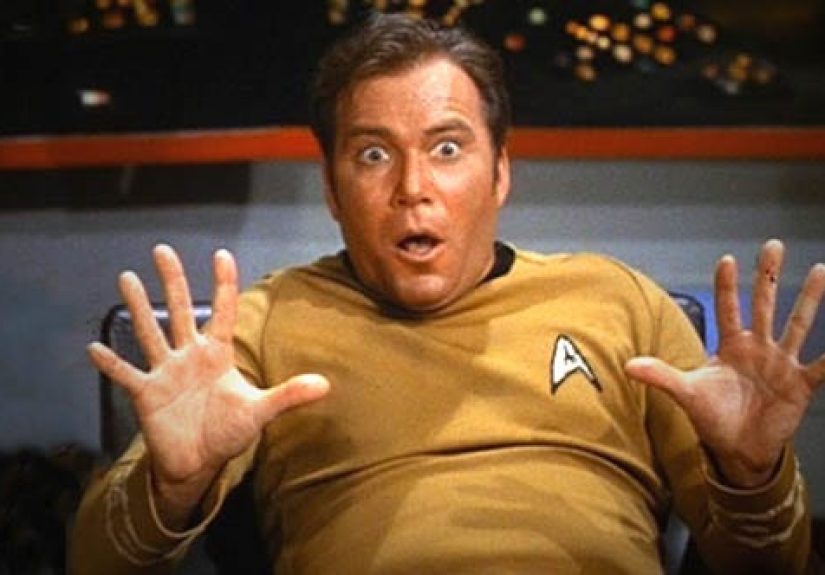
Some memorabilia is worn. Some is signed. And some is… medically produced. William Shatner famously sold a kidney stone for $25,000, with
reports noting the buyer was an online casino known for oddball purchases. The money reportedly went to charity, which is the only reason the universe
didn’t immediately fold in on itself.
Why anyone paid for it
Shock value is a currency. And this item has maximum shock value per ounce. Plus, celebrity collectors love “one of one” itemsbecause you can’t exactly
mass-produce a Shatner kidney stone without committing several crimes and upsetting every doctor on Earth.
4) Scarlett Johansson’s Used Tissue
During an appearance on late-night TV, Scarlett Johansson blew her nose into a tissue and then auctioned it for charity. The result? A reported winning bid
of $5,300. The tissue was essentially a celebrity cameoexcept instead of a video message, you got… mucus and lipstick, sealed in pop culture
amber.
Why anyone paid for it
Part charity, part novelty, part “I can’t believe this is real.” When an item is both ridiculous and tied to a good cause, it becomes easier for buyers to
justify the purchaseat least until the package arrives and reality hits like a freight train.
5) Mary-Kate & Ashley’s “Unwashed” Towel
In the economy of celebrity weirdness, “unwashed” is basically a certificate of authenticity. A towel claimed to be used (and not washed) by Mary-Kate and
Ashley Olsen reportedly sold on eBay for £10,100. That’s right: somebody looked at a towel and thought, “This is worth more than my rent.”
Why anyone paid for it
The collector mindset doesn’t always chase beautyit chases connection. A towel feels intimate, like a backstage pass you can fold. It’s also a
perfect example of how celebrity culture can turn everyday objects into status symbols for people who want the strangest brag in the group chat.
6) “Celebrity Air” From Brad Pitt and Angelina Jolie
Yes, air. Regular, invisible, oxygen-adjacent airallegedly captured near Brad Pitt and Angelina Jolie. Reports describe a jar of “celebrity air” selling
for about $529.99. It’s the ultimate proof that humans will pay for anything if you add a famous name and a dramatic product description.
Why anyone paid for it
It’s a conversation piece with built-in comedy. The buyer isn’t paying for airthey’re paying for the story of owning air. It’s also a souvenir of a
specific pop-culture moment, like bottling the frenzy of a premiere and putting it on a shelf.
7) Jerry Garcia’s Toilet
Celebrity homes get remodeled, and sometimes the fixtures go on a journey. A toilet said to have belonged to Grateful Dead frontman Jerry Garcia was
reportedly purchased for $2,550and then, in a plot twist worthy of a sitcom, it was reportedly stolen before it could be delivered.
Why anyone paid for it
It’s the ultimate “gross but iconic” artifact: equal parts rock history and bathroom humor. Some buyers collect instruments; others collect the porcelain
throne where legends… contemplated life. Fame finds a way into every room.
8) John Lennon’s Tooth
A tooth is deeply personal, slightly horrifying, and apparently worth a fortune. John Lennon’s extracted molar sold at auction for around £19,000
(about $31,200 in many reports). The buyer was reportedly a dentistbecause of course it was. If your job is teeth, this is basically the
Holy Grail with plaque.
Why anyone paid for it
Unlike a signed photo, a tooth feels like a direct physical fragment of history. It also proves a key truth of the collectibles market: provenance and
narrative matter as much as the object itself. A tooth alone is nothing. “John Lennon’s tooth” is legend.
9) Justin Bieber’s Lock of Hair
At peak Bieber fever, a lock of Justin Bieber’s hair was auctioned for charity and reportedly sold for $40,668 on eBay. That’s not a typo.
For that amount, you could buy a decent used car, or you could buy hair in a display case and live your truth.
Why anyone paid for it
Hair is weirdly collectible because it’s “real” in a way posters aren’t. It’s also scarce, easy to display, and instantly headline-friendly. And when the
proceeds go to charity, bidders feel like they’re doing good while also doing something absolutely unexplainable to their accountant.
10) Elvis Presley’s Hair (A Lot of It)
Elvis memorabilia is a universe unto itself, and hair is one of its strangest planets. In a well-publicized auction, a sizable bundle of Elvis’s hair
reportedly sold for about $115,120. That’s “hunka hunka burning love” money for something you normally sweep up and throw away.
Why anyone paid for it
Elvis is cultural royalty, so anything tied directly to him becomes a historic artifactespecially something as intimate as hair saved by a barber.
It’s a reminder that, in collectibles, emotional value can bulldoze practical value without even slowing down.
Why These Ridiculous Celebrity Items Keep Selling
The celebrity memorabilia market runs on three powerful fuels: story, scarcity, and identity. A weird item sells not because it’s useful,
but because it’s a portable narrativesomething you can own, display, and tell people about. Scarcity turns junk into treasure (“there’s only one of these”),
and identity turns a purchase into a badge (“I’m the kind of person who owns this”).
Add online auctions, social media attention, and the human love of outrageous dares, and you get a marketplace where the strangest objects can command serious
money. In other words: you’re not just buying a thingyou’re buying a headline you can keep.
Conclusion
If this list proves anything, it’s that celebrity culture doesn’t just sell music, movies, or fashionit sells proximity. Sometimes that proximity comes
in the form of hair in a case. Sometimes it comes in the form of toast. And sometimes it arrives as a tissue that should have been left to science and
forgotten by history.
Ridiculous? Absolutely. Real? Somehow, yes. And as long as fame keeps feeling rare and magical, people will keep paying for the weirdest little “proof” that
a celebrity once existed in the same universe as the rest of us.
Extra : What the “Celebrity Weirdness” Buying Experience Feels Like
If you’ve ever browsed an online auction late at night, you already understand the emotional roller coaster that makes ridiculous celebrity items sell. It starts
innocently: you’re scrolling, laughing at listings, sending screenshots to friends like, “No way this is real.” Then curiosity kicks in. You click. You read the
description. You notice the bid counter. And suddenly the internet has converted you from spectator to potential participant.
The weird part is how fast the brain adapts. Five minutes ago, a lock of hair sounded absurd. Now you’re thinking, “Well… it’s displayed nicely.” A half-eaten
snack seems grossuntil it’s framed as a “moment” from a specific era of pop culture you loved. The experience isn’t just shopping; it’s time travel mixed with
competition. You’re not buying an object so much as chasing the feeling you had when that celebrity meant something to you: a soundtrack to your teenage years,
a movie you watched on repeat, the era when your whole group chat spoke entirely in lyrics.
Then comes the adrenaline. Auctions gamify desire. The ticking clock, the sudden jump in bids, the “outbid” notificationthese are tiny stress hits that make the
item feel more valuable simply because other people want it. In a normal store, you either buy something or you don’t. In an auction, you’re battling a stranger
who might be equally ridiculous, equally sentimental, or equally determined to win just to say they won. It’s capitalism wearing a party hat.
The most memorable “experience” stories often come from what happens next: explaining the purchase to another human being. Try saying, out loud, “I bought a jar of
celebrity air,” without laughing. Try describing a “charity snot tissue” without sounding like you’re auditioning for a documentary titled Why Are We Like This?
This is where collectors earn their stripes. They learn to tell the story firstbecause the story is the only thing that makes the object make sense.
And honestly, that storytelling is the point. People who buy odd celebrity memorabilia aren’t always fooled; many are fully aware it’s absurd. They’re buying a punchline
they can keep, a museum oddity for their shelf, a party conversation starter that never fails. The object becomes a social artifact: it signals taste, humor, devotion, or
a willingness to participate in cultural chaos.
Finally, there’s the afterglowequal parts pride and “what have I done.” Some buyers display their items like trophies. Some stash them away and only admit ownership
under oath. But whether the purchase was serious, ironic, or charitable, the experience tends to be the same: a strange blend of laughter, nostalgia, and the undeniable
thrill of owning a tiny, ridiculous piece of fame.