Table of Contents >> Show >> Hide
- What’s Behind Toyota’s 50,000-Plus Seat Recall?
- Why This Recall Matters More Than the Average Recall Headline
- What Toyota Owners Should Do Right Now
- What This Recall Says About Toyota’s Reputation
- Why Used-Car Shoppers Should Care Too
- Owner Experience: What a Recall Like This Feels Like in Real Life
- Final Take
Toyota does not usually show up in headlines as the automaker that forgot how to bolt reality together. Its reputation has long been built on durability, routine competence, and the comforting sense that your family hauler will keep hauling long after your kid’s soccer cleats have taken over the cargo area. That is exactly why this recall lands with a thud. When a family-focused vehicle gets flagged for a seat-related defect, the story stops being abstract and starts feeling personal fast.
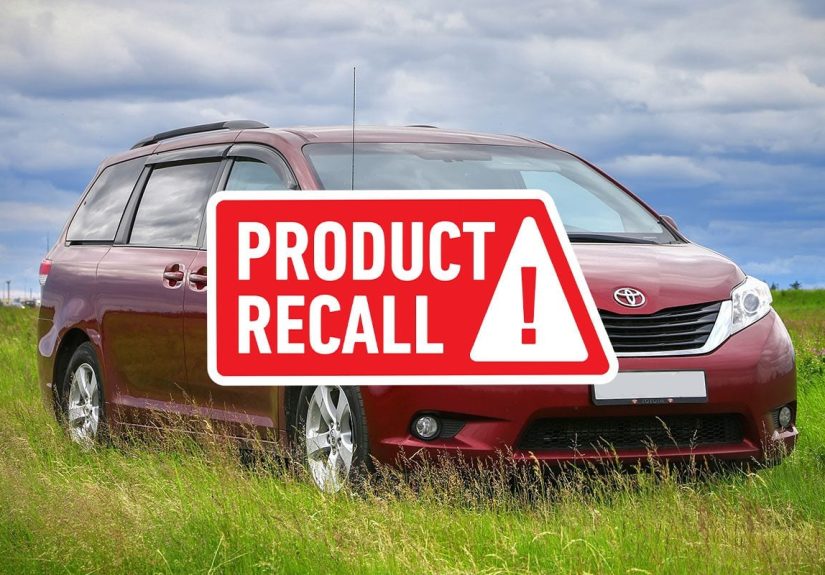
The latest issue involves more than 50,000 Toyota vehicles in the United States, specifically certain 2025 Toyota Sienna Hybrid minivans, recalled over improperly welded second-row seat rails. That may sound technical enough to make most people’s eyes glaze over, but here is the plain-English version: in certain high-speed collisions, the affected seat may not maintain its structural integrity the way it should. And when the problem involves the second row of a minivan, we are talking about the part of the vehicle that often carries kids, grandparents, snacks, tablets, backpacks, and the full chaos of modern family life.
So yes, this is a real safety story, not just another dusty recall notice headed for the kitchen junk drawer. Here is what happened, why it matters, what owners should do next, and why this particular recall hits harder than the average “please see dealer” headline.
What’s Behind Toyota’s 50,000-Plus Seat Recall?
The recall centers on certain 2025 Toyota Sienna Hybrid models sold in the U.S. Toyota’s official filings place the number of affected vehicles at 54,631, though many reports round that figure to about 55,000. Either way, it is a big enough number to move this from “isolated production hiccup” into “national safety campaign” territory.
Which Vehicles Are Affected?
The recalled vehicles are certain 2025 Toyota Sienna Hybrid minivans produced between mid-January and late July 2025. That production window matters because Toyota traced the issue to a specific period and a specific supplier process, not to every Sienna on the road. In other words, this is a targeted recall, not a blanket statement that every Sienna owner should immediately panic and start side-eyeing the second row like it owes them money.
Owners should still verify their vehicle identification number instead of guessing. A minivan may look perfectly normal and still be included in a recall campaign. That is the cruel little joke of manufacturing defects: they do not usually announce themselves with fireworks.
What Exactly Is Wrong With the Seats?
According to Toyota and federal recall documents, the second-row seats are mounted on rails that may have been improperly welded. The root of the problem appears to be a changed setting on a welding machine during assembly, which created the possibility of incomplete weld penetration. That phrase sounds like something a robotic welder would mumble during a deposition, but the safety implication is serious.
If the welds are not fully formed, the seat rail assembly may not hold up as intended during certain high-speed crash conditions. Toyota said the seat system could lose structural integrity if that seat is occupied, increasing the risk of injury. The company also said it found the issue during internal testing rather than through a wave of owner complaints, crashes, or warranty claims. That is good news in the narrow sense, because it suggests the defect was caught before a wider trail of harm emerged. It is still bad news in the obvious sense: no one wants to hear that the place where their child sits may be attached with less confidence than advertised.
Why This Recall Matters More Than the Average Recall Headline
Not every recall deserves the same level of alarm. Some involve software quirks, labeling problems, or obscure compliance issues that feel more bureaucratic than dangerous. This one is different because it touches a fundamental safety function. Seats are not just furniture for cars. They are part of the restraint system. When crash forces hit, the seat, the rails, and the seat belt all work together. If one piece is compromised, the whole safety picture gets shakier.
The Second Row Is Minivan Central Command
The Toyota Sienna is not some niche two-seater for weekend canyon runs and carefully curated playlists. It is a family machine. U.S. auto reviewers have repeatedly highlighted the Sienna’s second-row setup as one of the van’s defining features, with long-slide captain’s chairs, generous space, and easy access that make the second row one of the most-used parts of the cabin. On higher trims, it is practically a rolling living room. On everyday family duty, it is where the real action happens.
That is what makes this recall especially uncomfortable. A defective cupholder is annoying. A glitchy rear entertainment screen is expensive babysitting gone wrong. But a problem involving second-row seat rails goes directly to the heart of how this vehicle is used. In many homes, that is the row reserved for the people owners most want to protect.
Crash Safety Is All About Layers
Modern vehicles are designed as systems, not random piles of parts. The seat belt restrains the occupant. The seat frame and rails help manage force and maintain position. Airbags deploy based on timing and geometry. Remove confidence in one layer, and suddenly the rest of the safety package has to work around a weak link. That is why “the seat may lose structural integrity” is not a minor footnote. It is the kind of language that should make owners pay attention, even if the actual risk only appears under certain crash conditions.
To Toyota’s credit, the company moved to launch a safety recall after confirming the issue through testing. That is how the system is supposed to work. Discover the defect, notify regulators, tell owners, fix the problem for free. Still, even when the recall process works properly, it does not erase the fact that a family vehicle left the factory with a seat-related safety defect in the first place.
What Toyota Owners Should Do Right Now
Check the VIN, Not Your Horoscope
If you own a 2025 Toyota Sienna Hybrid, check your VIN through Toyota’s recall lookup or the NHTSA recall database. Do not rely on memory, trim level, or the classic American tradition of saying, “Mine’s probably fine.” Recalls are VIN-specific for a reason. Two nearly identical vehicles can have very different recall status depending on when they were built and which parts they received.
Toyota said dealers will replace the second-row seat rails with properly welded parts at no cost. That “free of charge” phrase is not marketing glitter. It is the core benefit of a safety recall. If your vehicle is included, the fix should not come out of your wallet.
Pay Attention to the Notification Timeline
Toyota’s recall documents indicated that interim owner letters were expected in late November 2025, with additional notification once the final remedy became available around early December 2025. If you bought used, moved recently, or somehow have the world’s least reliable mailbox, do not wait for paper to solve the mystery. Recall records can be checked directly, and that is a much better strategy than hoping the universe forwards your safety notices.
Ask Practical Questions When You Call the Dealer
Once you confirm recall status, ask the dealer whether parts are available, how long the repair will take, whether a loaner might be offered, and if there are any interim usage recommendations. Even when the repair itself is free, the real-life cost of a recall often shows up as inconvenience. Families still need to get to school, work, practice, and that birthday party at the trampoline place that somehow requires more logistics than a moon landing.
What This Recall Says About Toyota’s Reputation
Toyota still enjoys one of the strongest reputations in the industry for reliability, and one recall does not turn a trusted brand into a punchline. But brand reputation should never function as a substitute for mechanics. A bad weld does not become a good weld because it sits inside a Toyota. Physics remains stubbornly unpersuaded by marketing.
In fact, one reason this story is worth reading is because it highlights a broader truth about modern car ownership: even brands famous for dependability issue recalls, sometimes major ones, and owners need to treat them seriously. Recalls are not rare, weird, or a sign that you bought a lemon by default. They are part of the modern safety ecosystem. What matters is whether the defect is addressed quickly and whether owners actually follow through.
And that last part matters more than people think. A recall only protects you if the repair gets done. An ignored recall is basically a safety campaign with excellent intentions and terrible results.
Why Used-Car Shoppers Should Care Too
This story is not only for current owners. Anyone shopping for a used or nearly new Sienna should pay attention. Minivans are often bought for exactly the reasons that make this recall important: family hauling, child-seat duty, road trips, carpools, and everyday practicality. If you are considering a used 2025 Sienna Hybrid, checking for open recalls should be part of the pre-purchase routine, right alongside inspecting tires, service history, and whether the previous owner spilled enough cracker dust to form a small geological layer.
A recall repair can usually be completed by a dealer at no cost, but the key word is usually. The smarter move is to verify recall completion before you sign anything. That way, the “great family deal” does not come with a side order of avoidable hassle.
Owner Experience: What a Recall Like This Feels Like in Real Life
The following section reflects composite, realistic owner experiences related to a family-vehicle recall like this one. It is meant to capture what the situation feels like in everyday life, not to present verified interviews from specific individuals.
For many owners, a recall like this does not arrive with movie-level drama. It starts with a letter, an email, or a quick headline on a phone screen while standing in a school pickup line. One minute you are thinking about dinner, gas prices, and whether the kids left another water bottle under the seat. The next minute you are reading words like “seat rails,” “crash,” and “risk of injury,” and suddenly your perfectly ordinary minivan feels a lot less ordinary.
The emotional part is sneaky. There may be no warning light, no noise, no visible damage, and no incident that made you suspect anything was wrong. That is what makes recalls unsettling. Owners are not reacting to a problem they can see. They are reacting to the idea that a hidden flaw may have been there the whole time, quietly riding along during grocery runs, pediatrician appointments, long weekends, and every sleepy drive home after sports practice.
For parents, the second row is not just another row. It is usually the row. That is where booster seats go. That is where siblings negotiate peace treaties over snacks. That is where a toddler drops a toy, a teenager charges a phone, and someone inevitably says, “Are we there yet?” When the recall involves that exact space, the concern becomes immediate and personal. Even if the defect only matters under certain crash conditions, it is hard not to picture who usually sits there.
Then comes the practical hassle. Owners call the dealer and hear some version of, “Yes, we can confirm the recall,” followed by the less satisfying sequel: “We’re checking on parts availability.” That waiting period can be frustrating. You still need the vehicle. Life does not pause because a recall letter showed up. Families keep moving, school schedules keep sprinting, and the minivan still has a job to do every day.
There is also a strange mix of gratitude and irritation. Gratitude because Toyota caught the issue and is repairing it for free. Irritation because nobody buys a family vehicle hoping to become an expert in recall campaign numbers and owner notification timing. Owners want confidence, not homework.
Once the repair is complete, the feeling is usually less dramatic than the worry that came before it. There is no confetti cannon at the service department. Just relief. Quiet, boring, wonderful relief. The minivan goes back to being what it was supposed to be all along: the dependable family shuttle, mobile snack bunker, and road-trip peace treaty chamber. And honestly, boring is exactly what most people want from the seat underneath their loved ones.
Final Take
Toyota’s recall of more than 50,000 Sienna Hybrid minivans over improperly welded second-row seat rails is the kind of story that deserves attention, especially because it affects a vehicle built around family use. The defect was identified through testing, not through a trail of reported injuries, and the repair is free. Those are important positives. But the seriousness of the issue should not be shrugged off just because the brand name on the hood is one people trust.
The smartest response is simple: check the VIN, confirm whether your vehicle is involved, schedule the repair, and keep your paperwork. In the world of recalls, denial is not a maintenance strategy. A properly fixed minivan is useful. A recalled one that never sees a dealer is just optimism on wheels.

![18 Best Types of Charts and Graphs for Data Visualization [+ How to Choose]](https://corkopencoffee.org/wp-content/uploads/2026/05/18-best-types-of-charts-and-graphs-for-data-visualization-how-to-choose-qKM1PBYG-thumb.jpg)