Table of Contents >> Show >> Hide
- What Are Mushy Peas?
- Why This Traditional British Mushy Peas Recipe Works
- Ingredients for Traditional British Mushy Peas
- How to Make Traditional British Mushy Peas
- What Mushy Peas Should Taste and Look Like
- Best Serving Ideas for Mushy Peas
- Traditional vs. Shortcut Versions
- Common Mistakes to Avoid
- How to Store and Reheat Mushy Peas
- Frequently Asked Questions
- Final Thoughts
- Experiences and Home-Cook Notes About Traditional British Mushy Peas
There are side dishes, and then there are side dishes with opinions. Mushy peas belong in the second category. Some people hear the name and imagine a gloomy, cafeteria-green mash that inspires exactly zero confidence. But a proper traditional British mushy peas recipe is a whole different story. It is soft, savory, comforting, and just rich enough to hold its own next to fish and chips, meat pies, or sausages. In the United Kingdom, it is a pub classic. In an American kitchen, it is a pleasant surprise waiting to happen.
The secret is simple: real mushy peas are not just ordinary peas smashed with a spoon and a prayer. Traditional versions are usually made with dried marrowfat peas, which are mature peas with a starchier character than young garden peas. Once soaked and simmered, they break down into that famous thick, spoonable texture. A little butter, some salt, and maybe a touch of mint turn them into something humble but absolutely lovable. Think mashed potatoes’ quirky British cousin who spent a semester abroad and came back cooler.
This recipe is written for home cooks in the United States, so it stays faithful to the classic method while also explaining practical substitutions when marrowfat peas are hard to find. You will get the real-deal version, smart shortcuts, serving ideas, troubleshooting tips, and a longer experience section at the end to make the article more useful for web readers and food lovers alike.
What Are Mushy Peas?
Mushy peas are a traditional British side dish most often served with fish and chips, savory pies, or bangers and mash. The classic version uses dried marrowfat peas, which are soaked and then cooked until they soften enough to collapse into a thick mash. That texture is the whole point. This is not a crisp green vegetable side that politely sits in the corner of the plate. Mushy peas are meant to spread, scoop, and mingle with everything around them.
They are different from a quick pea purée made with fresh or frozen peas. A pea purée tends to be brighter, smoother, and more delicate. Mushy peas are starchier, heartier, and more rustic. They are comfort food with zero interest in being elegant. And honestly, that is part of the charm.
Why This Traditional British Mushy Peas Recipe Works
A good recipe does not just tell you what to do. It quietly saves you from disappointment. This one works because it respects the ingredient and the texture. Soaking dried peas helps them soften more evenly. A little baking soda encourages them to break down into that classic mush. Cooking them gently prevents scorching, while mashing near the end gives you control over how chunky or smooth you want the final dish to be.
It also keeps the flavor simple. Mushy peas should taste like peas first, not like a spice rack exploded in the saucepan. Butter adds richness. Salt brings the flavor into focus. Mint is optional but traditional enough to earn a seat at the table. Black pepper is welcome, though you do not need much. The result is cozy, savory, and surprisingly satisfying.
Ingredients for Traditional British Mushy Peas
Main Ingredients
- 1 cup dried marrowfat peas
- 1 teaspoon baking soda, plus a pinch more if needed
- 3 to 4 cups water, plus more for soaking
- 1 to 1 1/2 teaspoons kosher salt, to taste
- 1 tablespoon unsalted butter
- 1 to 2 teaspoons finely chopped fresh mint, optional
- Freshly ground black pepper, optional
Optional American Kitchen Shortcuts
- Split green peas if you cannot find marrowfat peas
- Frozen green peas for a quick weeknight version
- A splash of cream for a richer finish
- A spoonful of mint sauce for extra British pub energy
Important note: if you want the most authentic British mushy peas recipe, use marrowfat peas. Split peas can give you a similar comfort-food vibe, but the taste and texture are not exactly the same. Frozen peas make a tasty shortcut, though they move the dish closer to a pea mash than true traditional mushy peas.
How to Make Traditional British Mushy Peas
Step 1: Sort and soak the peas
Place the dried marrowfat peas in a bowl and look them over quickly. Remove any debris or shriveled peas. Cover them generously with cold water and stir in the baking soda. Let them soak overnight, or for at least 8 hours. This step helps soften the peas and encourages the classic mushy texture later on.
Step 2: Drain and rinse
Drain the soaked peas into a colander and rinse well under cold water. You want to wash away the soaking liquid and any extra baking soda so the flavor stays clean and pleasant.
Step 3: Simmer gently
Transfer the peas to a medium saucepan and add 3 to 4 cups of fresh water. Bring the pot to a boil, then lower the heat to a gentle simmer. Skim off any foam that rises to the top. Cook for 35 to 60 minutes, stirring occasionally and adding a splash of hot water if the pan looks dry. The peas should become very soft and start to fall apart.
Step 4: Mash and season
Once the peas are tender, use the back of a spoon or a potato masher to mash them to your preferred consistency. Some people like mushy peas a little chunky; others want them almost smooth. Stir in the butter, salt, and optional black pepper. Add chopped mint if you like a fresher finish.
Step 5: Serve hot
Spoon the peas into a warm bowl or directly onto plates. Serve them hot with fish and chips, roast meats, sausages, or a meat pie. If you want to lean fully into the pub-food mood, add malt vinegar at the table and act extremely pleased with yourself.
What Mushy Peas Should Taste and Look Like
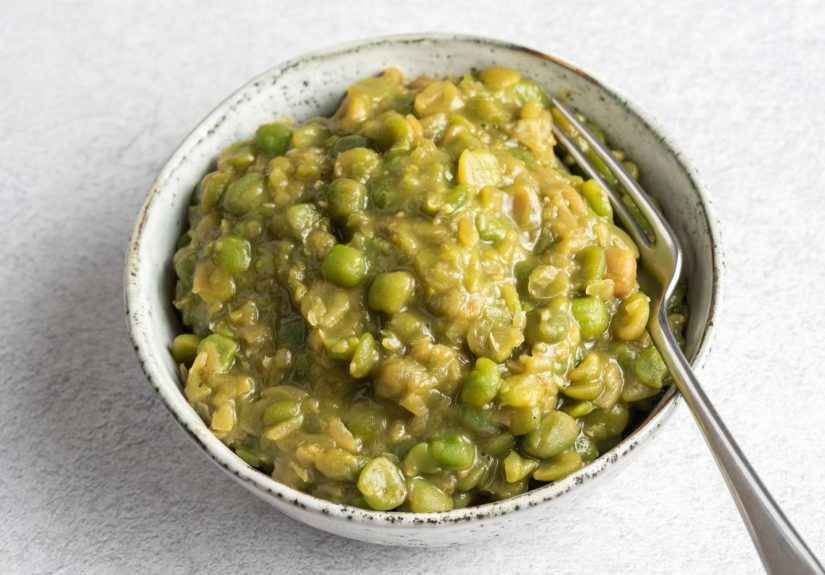
A proper batch should be thick but not dry, soft but not watery, and deeply pea-forward in flavor. The color may not be neon green, especially if you use dried peas, and that is perfectly normal. Traditional mushy peas often look more muted than quick frozen-pea versions. The goal is not bright-green glamour. The goal is savory comfort.
If the peas seem too thick, stir in a little hot water. If they look too loose, let them simmer uncovered for a few more minutes while stirring. You are aiming for a texture that sits nicely on a spoon without running away from it.
Best Serving Ideas for Mushy Peas
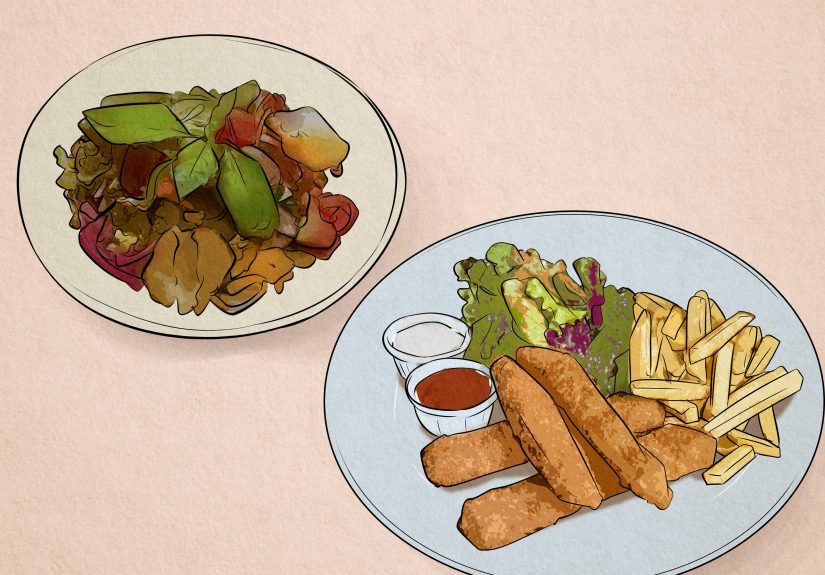
- Fish and chips: the classic pairing, and for good reason.
- Meat pies: steak pie, shepherd’s pie, or sausage rolls all work beautifully.
- Bangers and mash: yes, it is potatoes with peas, and yes, that is delicious.
- Roast lamb or pork: especially good when you want a cozy Sunday-dinner feel.
- Toast or fried bread: not traditional everywhere, but undeniably good.
For a more modern plate, serve mushy peas under pan-seared fish, grilled salmon, or even a crispy potato cake. Their creamy texture makes them surprisingly flexible.
Traditional vs. Shortcut Versions
Traditional Version
This method uses dried marrowfat peas, overnight soaking, and a slow simmer. It delivers the most authentic flavor and texture. If you are writing, cooking, or publishing around a traditional British mushy peas recipe, this is the version worth leading with.
Split Pea Version
Split green peas are easier to find in the United States and cook reliably. They do not need the same long soak, though some recipes still use one. The final texture is smooth and satisfying, but slightly less distinct than marrowfat peas.
Frozen Pea Version
Frozen peas make the fastest option by far. They are sweet, bright, and convenient. Blend or mash them with butter, salt, and mint, and you will have a lovely pea side dish in minutes. Just know that it is a cousin to mushy peas, not the exact historical article.
Common Mistakes to Avoid
Skipping the soak
If you are using marrowfat peas, skipping the soak makes the road rougher than it needs to be. The peas may cook unevenly and take longer to soften.
Adding too much liquid at the end
Mushy peas should be soft, not soupy. Add extra water gradually, not in one dramatic splash that turns dinner into pea soup with identity issues.
Over-seasoning too early
Salt is important, but it is smartest to finish seasoning once the peas have reduced and thickened. That way you do not overshoot.
Assuming bright green means better
Real mushy peas made from dried peas can be more muted in color. That is not a flaw. It is part of the traditional character.
How to Store and Reheat Mushy Peas
Let leftovers cool, then refrigerate them in an airtight container. They keep well for several days and reheat nicely on the stove or in the microwave. Add a splash of water while reheating to loosen the texture, since peas tend to thicken as they sit.
If you make a larger batch, mushy peas also freeze surprisingly well. Portion them into small containers, freeze, and thaw overnight in the refrigerator before reheating. It is the sort of make-ahead move that feels very responsible and only slightly smug.
Frequently Asked Questions
Can I make mushy peas without marrowfat peas?
Yes. Split green peas are the best backup option in most American supermarkets. Frozen peas are the fastest shortcut, though less traditional.
Do mushy peas need mint?
No. Mint is common and tasty, but not mandatory. Many cooks prefer a plain buttery version.
Can I make them vegan?
Absolutely. Swap the butter for olive oil or a plant-based butter alternative.
Are mushy peas healthy?
They can be a smart side dish because peas provide fiber and plant-based nutrition while still feeling comforting. The exact nutrition depends on your final ingredients, but the dish is much more than a green blob with commitment issues.
Final Thoughts
A well-made traditional British mushy peas recipe proves that simple food does not have to be boring. With just a few ingredients and a little patience, you get a dish that feels warm, nostalgic, and deeply satisfying. It is the kind of recipe that surprises first-time eaters and earns repeat requests once people realize what it actually tastes like.
So the next time you make fish and chips, roast sausages, or just want a side dish that leans hard into comfort, give mushy peas a shot. They may not be glamorous, but they are honest, hearty, and far more delicious than their awkward name suggests. Frankly, many foods would love to achieve that kind of comeback story.
Experiences and Home-Cook Notes About Traditional British Mushy Peas
The first time many American cooks try making mushy peas, there is usually a moment of hesitation right around the soaking stage. You look at a bowl of dried peas, a spoonful of baking soda, and a recipe from another food culture, and you wonder whether this is going to become dinner or a science fair project. Then the peas soften, the kitchen starts to smell warm and savory, and the whole thing begins to make sense. That is one of the best experiences with this dish: it starts with skepticism and ends with surprise.
Another common experience is discovering how different real mushy peas are from the shortcut versions people may have tried before. If all you know is a frozen-pea mash, the traditional style can feel deeper, starchier, and more substantial. It does not scream for attention, but it quietly wins people over. A lot of home cooks notice that once the peas are on the plate beside crispy fish or roasted sausages, the texture suddenly clicks. They are not supposed to stand alone like a fancy purée. They are supposed to balance crunchy, salty, fried, or roasted foods. In that role, they are excellent.
There is also the mint question, which tends to divide households in a very polite but very determined way. Some people love a little chopped mint because it wakes up the peas and keeps the dish from feeling too heavy. Others want nothing but peas, butter, and salt. Both camps usually defend their positions with unusual passion for a side dish made from legumes. In practice, the best experience comes from making the base recipe plain, then splitting off a portion and adding mint to only half. It is a low-risk solution and makes everyone feel heard, which is not always easy at dinner.
Texture is another place where experience teaches more than instructions ever can. On your first try, you may mash too soon and wonder why the peas still feel firm, or you may add too much water and drift toward soup territory. After one or two batches, though, you learn the signs. The peas start collapsing on their own. The spoon drags through the pot with a gentle thickness. The surface looks soft and slightly glossy. That is the sweet spot. Once you see it, you remember it.
Perhaps the nicest experience of all is serving mushy peas to someone who thinks they will not like them. The reaction is often the same: cautious first bite, brief pause, then an expression that says, “Well, this is unexpectedly good.” It is a reminder that old-fashioned recipes survive for a reason. They are not always flashy, but they know exactly what they are doing. Mushy peas may have an unfortunate name, but in the right meal, they feel comforting, classic, and entirely worth making again.