Table of Contents >> Show >> Hide
- Why Carnival Food Is a Love Letter to Frying
- The Sweet Stars of Italian Carnival
- Chiacchiere (a.k.a. Frappe, Cenci, Bugie, Galani, Crostoli)
- Castagnole (Carnival “Chestnuts” That Are Definitely Not Nuts)
- Frittelle (Especially Venetian-Style Fritole)
- Zeppole (Festival Dough Bites With Big “Paper Bag” Energy)
- Migliaccio (The Ricotta-Semolina Cake That Balances the Frying Frenzy)
- Bonus Regional Cameos: Bugie and Other “Same but Different” Treats
- Don’t Forget the Savory Side of Carnival
- How to Build an Italian Carnival Spread in a U.S. Kitchen
- Best Pairings: Drinks, Dips, and Little Extras
- Troubleshooting: How to Get That Bakery-Style Result
- Experience Notes: How Carnival Foods Feel in Real Life (500+ Words)
- Conclusion
In Italy, Carnival (or Carnevale) is basically the national holiday of “we’ll be good later.” It’s the glittery, mask-wearing,
confetti-tossing stretch of time leading up to Lentwhen people historically tightened the belt and lightened the menu. So before the serious
season begins, Italians do what any reasonable person would do: they fry, fill, dust, drizzle, and generally make desserts that laugh in the face
of moderation. (Politely. With powdered sugar.)
If you’ve ever wondered why Italian Carnival foods lean so hard into fried pastries, citrusy aromas, and ricotta-rich comfort, you’re not alone.
The short version: these dishes are delicious, celebratory, and rooted in the practical rhythms of winter pantry cooking. The longer version?
Keep readingyour future self (and your coffee mug) will thank you.
Why Carnival Food Is a Love Letter to Frying
Many classic dolci di Carnevale rely on the same humble building blocks: flour, eggs, sugar, butter (or olive oil), citrus zest, and a splash
of something aromaticmaybe grappa, Marsala, anise liqueur, or wine. Historically, frying made sense: it was a quick way to turn simple dough into a
festive treat, and it helped use up rich ingredients before a period of fasting and restraint. You’ll also notice how often these sweets show up in
bakeries for weeks during Carnival season, not just one daybecause joy, like powdered sugar, should be applied generously.
The Sweet Stars of Italian Carnival
Chiacchiere (a.k.a. Frappe, Cenci, Bugie, Galani, Crostoli)
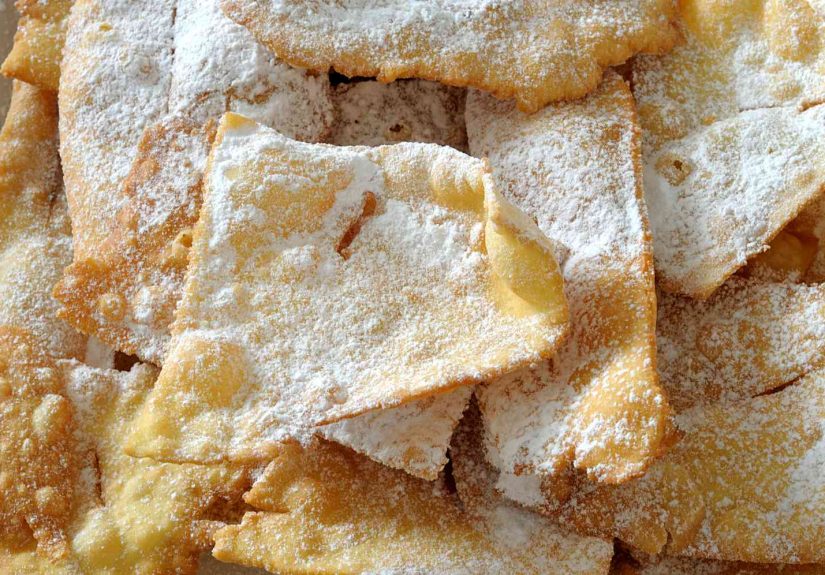
Chiacchiere are the crispy ribbons of Carnival: thin sheets of lightly sweet dough, cut into strips or bow ties, fried until blistered and
golden, then finished with a snowfall of confectioners’ sugar. Depending on where you are in Italy, you’ll hear different namesfrappe in Rome,
cenci in Tuscany, bugie in parts of the north, galani around Venice, and crostoli in many Italian-American homes.
Same irresistible concept, different regional accent.
Flavor-wise, chiacchiere are subtle on purpose. The magic is in the texture: airy-crisp, not greasy, with tiny bubbles that crackle when you bite.
A little alcohol in the dough helps create that shattery finish, and rolling the dough very thin is non-negotiable. If your chiacchiere come out
thick, they’ll still taste goodbut they’ll lose that “I can’t believe this is just flour and eggs” effect.
- Classic finish: powdered sugar (added after cooling so it doesn’t melt into sticky glue).
- Common twists: citrus zest, vanilla, a hint of anise, or a chocolate dip for the ends.
- Serving vibe: best with espresso, hot chocolate, or a sweet dessert wineplus a friend who won’t judge you for going back for “one more.”
Castagnole (Carnival “Chestnuts” That Are Definitely Not Nuts)
Castagnole are small fried dough ballsthink Italian doughnut holes with a Carnival costume change. Their name comes from their chestnut-like
size and shape (castagna means chestnut), but the flavor is all dessert: lightly sweet dough scented with lemon or orange zest, sometimes enriched with
butter, and often perfumed with rum or another liqueur. After frying, they’re rolled in sugar or dusted with powdered sugar while still faintly warm.
Here’s where castagnole get fun: they’re endlessly customizable. Some versions are plain and simple; others are filled with pastry cream or chocolate cream.
You’ll also find ricotta-based castagnole, which tend to be extra tender and rich (the kind of treat that makes you whisper “worth it” after the third one).
- Texture goal: crisp outside, soft insidelike a tiny edible pillow with better boundaries.
- Flavor options: citrus zest, vanilla, anise, cinnamon, rum, grappa, or lemon liqueur.
- Pro tip: keep the oil temperature steady so they cook through without turning dark too fast.
Frittelle (Especially Venetian-Style Fritole)
If chiacchiere are the crispy confetti of Carnival, frittelle are the plush party favors. These are soft frittersoften yeast-raisedcommonly
studded with raisins and sometimes pine nuts, apple pieces, or citrus. In Venice, frittelle are practically a seasonal institution, sold in pastry shops in
multiple variations, including custard-filled versions that take the whole thing from “snack” to “main character.”
The best frittelle are tender and fragrant, with a delicate crust and a rich interior. They’re often shaped as rustic scoops rather than perfect ringsbecause
during Carnival, perfection is optional but powdered sugar is mandatory.
- Most traditional add-ins: raisins, pine nuts, sometimes apple.
- Most popular upgrade: pastry cream filling (vanilla, chocolate, or even zabaglione-style flavors).
- When to eat: as soon as possiblefritters wait for no one.
Zeppole (Festival Dough Bites With Big “Paper Bag” Energy)
Zeppole show up across Italian and Italian-American celebrations, and they’re beloved for a simple reason: they taste like a festival.
Depending on the style, zeppole might be made from a choux-like dough (piped or spooned into oil) or from a softer batter or dough, then fried into puffy,
golden bites. They’re typically showered with powdered sugar and served warmoften in a paper bag that becomes dangerously “shareable” until you remember you
have free will.
You’ll see zeppole paired with honey, cinnamon sugar, or citrus zest, and in some traditions they’re especially associated with other calendar celebrations too.
But the techniqueand the joyfits perfectly with Carnival season: fast, festive, and not interested in your diet app.
- Signature finish: powdered sugar (or cinnamon sugar).
- Flavor boosts: lemon zest, vanilla, ricotta for tenderness, or a drizzle of honey.
- Hosting tip: set out small bowls of toppings so guests can customize.
Migliaccio (The Ricotta-Semolina Cake That Balances the Frying Frenzy)
Not everything at Carnival has to be friedmigliaccio is the proof. This traditional Neapolitan dessert is a soft, comforting cake made with
semolina and ricotta, often scented with lemon and orange zest and vanilla. The texture lands somewhere between cheesecake and semolina pudding, but with its
own identity: plush, slightly grainy in a cozy way, and deeply aromatic.
Migliaccio is a smart host’s secret weapon. It can be baked ahead, slices beautifully, and offers a creamy counterpoint to the crispy fried sweets on the table.
Dust it with powdered sugar, serve with espresso, and suddenly your Carnival spread looks like it has a pastry chef on payroll.
Bonus Regional Cameos: Bugie and Other “Same but Different” Treats
Carnival is famously regional in Italy, and the desserts reflect that. Bugie (“lies”) may refer to a chiacchiere-like fried pastry in parts of the
north, sometimes filled with jam or chocolate depending on local habits. You’ll also hear names like sfrappole, frappe, or galani, all
pointing back to the same delicious idea: thin dough made festive through frying, sugar, and a little seasonal mischief.
Don’t Forget the Savory Side of Carnival
While sweets steal the spotlight, Carnival tables can include hearty savory dishesespecially in the south. One famous example is Neapolitan lasagna for Carnival
(often called lasagna di Carnevale): a rich, celebratory bake layered with ragù, meatballs, cheeses like ricotta, and sometimes hard-boiled eggs.
It’s the kind of dish that says, “Yes, Lent is coming… but not today.”
How to Build an Italian Carnival Spread in a U.S. Kitchen
Pick a “Crunch + Cream + Cake” Trio
For a party-friendly lineup, aim for contrast:
- Crunch: chiacchiere/crostoli for the shatter and snap.
- Creamy or soft: castagnole (especially ricotta-based) or custard-filled frittelle.
- Baked anchor: migliaccio for sliceable, make-ahead ease.
Make-Ahead Strategy (So You’re Not Frying in a Tuxedo)
If you’re hosting, do the calm stuff early. Mix and rest doughs the day before, bake migliaccio ahead, and prep toppings (powdered sugar, citrus zest sugar, warm honey).
Save frying for the day-of, because that’s when texture is at its peak. Also: frying while wearing a fancy mask is a charming idea until you realize oil and sequins have
incompatible life goals.
Frying Without Fear
Great fried desserts are about temperature control. Too hot and the outside browns before the inside cooks; too cool and everything absorbs oil and turns heavy.
Use a thermometer if you can, fry in batches, and give the oil time to return to temperature between rounds. Your reward is crisp, light pastries that taste celebratorynot greasy.
Best Pairings: Drinks, Dips, and Little Extras
- Espresso: the classic partner for powdered sugar pastries.
- Hot chocolate: especially good with chiacchiere for dipping (yes, dipping is allowed; it’s Carnival).
- Sparkling wine: bright bubbles cut through fried richness.
- Citrus-forward liqueurs: a tiny pour after dessert feels very on-theme.
- Chocolate sauce or pastry cream: turns a simple platter into a “wow” moment.
Troubleshooting: How to Get That Bakery-Style Result
“My chiacchiere aren’t crisp.”
The dough probably wasn’t rolled thin enough, or the oil temperature was too low. Chiacchiere need to be almost paper-thin so they blister quickly and dry into crisp layers.
Let them cool fully before dusting with sugar.
“My castagnole are dark outside and raw inside.”
That’s usually oil too hot (or pieces too large). Keep them chestnut-sized, fry in small batches, and don’t rush the color.
“Everything tastes oily.”
Oil too cool, overcrowding the pot, or draining incorrectly. Fry in batches and drain on a rack or paper towels. Also, don’t reuse oil that smells tiredyour pastries will taste like it.
Experience Notes: How Carnival Foods Feel in Real Life (500+ Words)
One of the best parts of “Traditional Italian Carnival Foods” isn’t just how they tasteit’s how they behave. These are foods that show up with personality.
Chiacchiere arrive like edible confetti: you put a plate down, blink once, and suddenly half the ribbons are gone. They’re so light and crisp that people keep reaching back in
“just to straighten the pile,” which is a lie worthy of the name bugie. If you’ve ever carried a tray of powdered-sugar pastries across a room, you know the silent comedy:
the sugar doesn’t stay politely on the cookies. It drifts. It lands on dark shirts. It makes your kitchen look like a happy snow globe. Nobody complains.
Then there’s the aroma. When citrus zest hits warm doughor when vanilla and a hint of liqueur meet hot oilthe smell turns your home into a neighborhood bakery for an hour.
That’s the moment where people start “checking on you” in the kitchen, not because they’re worried, but because they sense something good is happening. Carnival foods have that
gravitational pull. The sound matters too: the gentle hiss of frying, the faint crackle when a chiacchiera cools, the soft thunk of castagnole being rolled in sugar.
It’s basically ASMR for dessert people.
If you want an Italian-American style Carnival experience in the U.S., the easiest path is to visit a great Italian bakery in late winterespecially in cities with deep
Italian heritage. You’ll often see trays of ribbon cookies (sometimes labeled crostoli), piles of sugar-dusted dough balls, and seasonal specialties that appear for a short
window and then vanish like a masked guest at midnight. It’s a uniquely thrilling kind of scarcity: you buy more than you planned because you know you won’t see them again soon.
That’s not a lack of self-control; that’s seasonal intelligence.
Hosting your own mini-Carnevale at home can be just as memorable, even without Venetian canals outside your door. The key is to lean into the playful spirit:
put on music, set out a couple of simple toppings, and treat the frying step like a live cooking show. Guests love watching frittelle puff up in real timebecause it’s
basically magic you can eat. If you want a low-stress win, bake a migliaccio ahead and slice it while the fried items cool. The table will feel abundant, and you’ll get
that satisfying contrast of textures: crisp ribbons, plush dough balls, and a creamy semolina-ricotta cake that tastes like sunshine in February.
The most “authentic” experience, though, is sharing. Carnival foods are not solitary snacks; they’re social. Someone always breaks a chiacchiera in half to offer a taste.
Someone always claims they only want “a small castagnola,” then immediately negotiates for a second. Someone always asks, “Waitwhat are these called again?” and you get to
explain that Italy has approximately forty names for the same delicious fried dough, which is both charming and extremely on brand for a country that takes food as seriously
as it takes celebration. In the end, that’s what Carnival tastes like: sweetness, warmth, and a little joyful chaospreferably with espresso nearby.
Conclusion
Traditional Italian Carnival foods are a perfect mix of practicality and pure celebration: simple pantry ingredients transformed into crisp ribbons, tender fritters,
sugar-dusted dough balls, and creamy cakes meant to be shared before Lent’s quieter season begins. Whether you’re making chiacchiere at home, hunting down castagnole at a
local Italian bakery, or building a full Carnevale spread with frittelle, zeppole, and migliaccio, the point is the same: eat something festive, share it, and let the
powdered sugar fall where it may.