Table of Contents >> Show >> Hide
- Why Menswear Fabrics Are Taking Over Interiors
- The Key Menswear Fabrics and Patterns to Know
- How to Bring Menswear Fabrics Into the Home
- The Best Color Palette for This Look
- Common Mistakes to Avoid
- Why This Trend Has Real Staying Power
- The Real-Life Experience of Living With Menswear Fabrics at Home
- Conclusion
There was a time when “menswear-inspired” home decor sounded like a room full of dark leather, a dramatic cigar box, and one lonely globe bar trying way too hard. Thankfully, that version has retired. Today’s take on menswear fabrics in the home is smarter, softer, and far more stylish. Think tailored textures, classic patterns, rich neutrals, and materials that feel collected rather than costume-y. It is less bachelor pad, more beautifully dressed townhouse.
Designers and shelter magazines have been circling this look for years, but lately the aesthetic has sharpened into a full-fledged trend. Tweed, plaid, herringbone, pinstripes, flannel-inspired checks, and houndstooth are showing up on upholstered chairs, throw pillows, bedding, wallpaper, stair runners, and even tile layouts. The mood is polished, grounded, and quietly confident. In other words, your living room has started borrowing from a very well-made blazer.
If you want a home that feels warm, layered, timeless, and just a little more grown-up, menswear fabrics are worth a serious look. The trick is knowing how to use them without making your space feel like a gentlemen’s club from a movie set. Below, we break down why this trend works, which patterns matter most, and how to bring menswear fabrics into your home with style, balance, and zero decorative overacting.
Why Menswear Fabrics Are Taking Over Interiors
Menswear fabrics bring something many homes are craving right now: structure. After years of ultra-minimal rooms, overly pale palettes, and furniture that looked nice but felt emotionally unavailable, people want spaces with more depth. Suiting-inspired textiles deliver that depth through texture, pattern, and a sense of craftsmanship.
Tweed adds nubby richness. Herringbone creates movement without visual chaos. Plaid feels familiar and cozy. Pinstripes introduce order. Houndstooth adds a graphic kick. Together, these elements create rooms that feel tailored in the best sense of the word. They look intentional. They feel finished. They whisper, “Yes, someone here owns a lint roller and good taste.”
Another reason this trend has staying power is that it plays nicely with several bigger decorating movements. It works with quiet luxury because the fabrics feel refined and investment-worthy. It aligns with traditional interiors because the patterns are classic. It fits right in with cozy cabin, coastal grandpa, English country, and fisherman-inspired spaces because the palette naturally leans into browns, olives, navies, charcoals, creams, and oxblood tones.
The Difference Between Old Masculine Decor and Modern Menswear Style
Modern menswear style is not about making a room feel “for men.” It is about borrowing the elegance of classic tailoring and translating it into home design. That means softer layering, not stereotypes. A plaid wool pillow on a linen sofa? Great. A pinstripe swivel chair beside a brass reading lamp? Excellent. An entire room that looks like a law office from 1987? Maybe not.
The modern version also values contrast. Menswear fabrics look especially good when paired with materials that lighten them up: creamy upholstery, warm wood, soft boucle, marble, ceramic, and natural linen. That balance is what keeps the room from tipping into heaviness.
The Key Menswear Fabrics and Patterns to Know
Tweed
Tweed is the overachiever of the group. It offers texture, depth, and a slightly rugged charm that makes even a simple chair feel more considered. In interiors, tweed can read almost like a neutral, especially in brown, gray, olive, camel, or heathered blue tones. It is ideal for accent chairs, ottomans, benches, and pillows because it adds richness without demanding the spotlight.
One of tweed’s biggest strengths is that it looks expensive even when the room around it is relaxed. Put a tweed pillow on a slipcovered sofa and suddenly the whole setup looks less “just trying to survive laundry day” and more “curated weekend house in New England.”
Herringbone
Herringbone is beloved for a reason. Its zigzag arrangement adds motion and refinement while staying understated. In fabric, it works beautifully on upholstery, throws, and drapery. In hard finishes, herringbone also appears in wood flooring, brick, and tile, which means you can echo the menswear idea without using actual cloth on every available surface.
This pattern is especially useful if you want subtle sophistication. It reads classic, not loud. It can add visual interest to a neutral room and make basic materials feel more architectural. A herringbone runner, backsplash, fireplace surround, or upholstered headboard can bring the menswear mood home without a single tartan in sight.
Plaid and Tartan
Plaid is the extrovert of the family. It can be rustic, traditional, preppy, academic, lodge-like, or surprisingly modern depending on scale and color. Small-scale plaids feel tailored. Large windowpane patterns feel airy and graphic. Tartan adds heritage and warmth, especially in deeper tones like forest green, burgundy, navy, and camel.
The secret with plaid is restraint. You do not need a full sofa in a roaring red tartan unless you are decorating a castle, a Christmas movie set, or both. In most homes, plaid works best as a layer: a throw blanket, an accent pillow, a footstool, dining chair seats, or Roman shades. Used well, it gives a room personality. Used wildly, it gives a room opinions.
Pinstripes and Ticking Stripes
Pinstripes are having a quiet comeback, and for good reason. They feel crisp, polished, and a little unexpected in interiors. Unlike broader cabana stripes, pinstripes have a finer, more tailored quality. They look especially chic on side chairs, bed skirts, headboards, and tailored drapery.
Ticking stripes deserve honorable mention here too. They offer a softer, more relaxed cousin to the pinstripe while still carrying that suiting-inspired order. If you want the menswear look in a beach house, farmhouse, or casual guest room, ticking stripes are a very smart choice.
Houndstooth
Houndstooth is bold, graphic, and instantly recognizable. It is also easy to overuse, which is exactly why it works best in smaller doses. A houndstooth pillow, stair runner, vanity stool, or accent chair can add visual drama without hijacking the room. Black and cream is the classic combo, but softer taupe, brown, and charcoal versions feel more current and easier to live with.
If plaid is your charming dinner guest, houndstooth is the one who arrives wearing statement eyewear and somehow pulls it off. Great in moderation. Memorable in the right setting.
How to Bring Menswear Fabrics Into the Home
Living Room
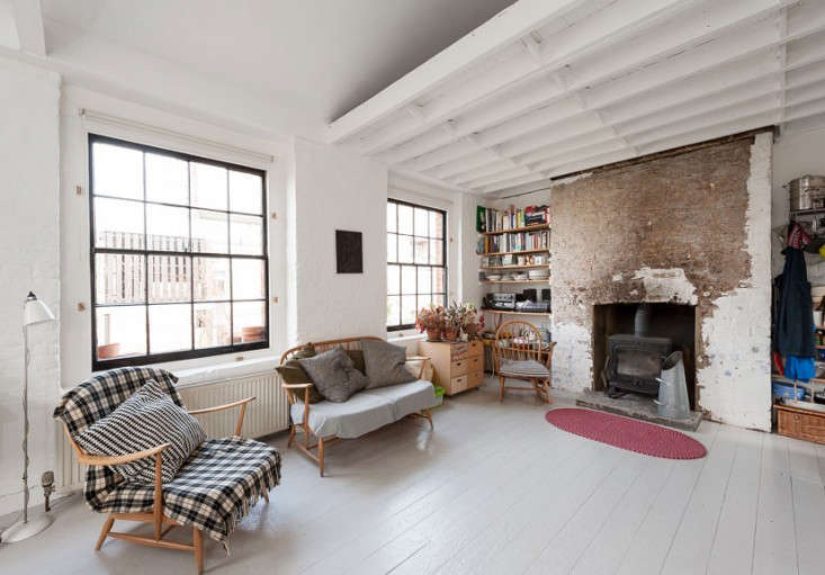
The living room is the easiest place to start. A plaid or tweed accent chair can instantly introduce the trend without requiring a full redesign. Layer in a wool-blend throw, a couple of herringbone pillows, and maybe a leather ottoman, and the room starts to feel more tailored. Dark walnut, smoked oak, or blackened metal finishes help complete the look.
If your sofa is neutral, menswear fabrics can do the styling heavy lifting. If your sofa already has texture, use these patterns in smaller accents. Remember: a room should feel dressed, not overdressed.
Bedroom
Menswear fabrics work brilliantly in bedrooms because they naturally create coziness. A flannel-style plaid blanket at the end of the bed, a pinstripe duvet, or a tweed bench can add that layered, boutique-hotel quality everyone wants and very few people achieve with random throw pillows from three separate life phases.
For a refined look, combine navy, taupe, cream, and charcoal. For something moodier, add forest green or deep brown. If you want just a hint of the trend, a herringbone wallpaper or upholstered headboard will do the job beautifully.
Dining Room and Home Office
This is where menswear fabrics really shine. Dining chairs in windowpane plaid or a host chair in a subtle stripe can make the room feel polished and tailored. In a home office, a pinstripe desk chair, leather desk pad, dark wood shelves, and a plaid roman shade can create a space that feels focused without feeling stiff.
Because these rooms are naturally more structured, the menswear aesthetic often feels completely at home in them. It is like giving your workspace a better haircut.
Entryway, Staircase, and Kitchen
Not every expression of the trend has to involve upholstery. A herringbone tile floor, a plaid runner, a striped stair carpet, or a houndstooth stool can nod to menswear style in a more architectural way. Kitchens benefit from herringbone backsplashes because the pattern adds detail without clutter. Entryways benefit from dark woods, tailored lighting, and practical textiles that feel durable as well as handsome.
The Best Color Palette for This Look
Menswear fabrics are at their best when the palette stays grounded. Start with the classics: charcoal, navy, camel, taupe, chocolate brown, olive, cream, and black. From there, layer in cognac leather, brass or polished nickel accents, and dark wood finishes.
If you want a slightly fresher version of the trend, pair these fabrics with soft blue, dusty green, or warm ivory. If you want a more dramatic version, lean into oxblood, espresso, and deep forest tones. The goal is not gloom. The goal is depth.
Common Mistakes to Avoid
Using Too Many Heavy Patterns at Once
Plaid, houndstooth, herringbone, and pinstripes can live together, but they need breathing room. Mix scale carefully. If one pattern is bold, let the others stay subtle.
Making Everything Dark
Menswear style loves moody tones, but a room still needs lightness. Add ivory upholstery, pale walls, linen drapery, or reflective surfaces to keep things from feeling dense.
Forgetting Texture Variety
If every fabric in the room feels similarly weighty, the space can look flat. Balance woolly or tailored textiles with smoother materials like cotton, velvet, ceramic, glass, and wood.
Turning the Theme Into a Costume
This trend works because it feels referential, not literal. You are borrowing the elegance of classic menswear, not trying to decorate your den like the inside of a three-piece suit.
Why This Trend Has Real Staying Power
Menswear fabrics in the home are not just another blink-and-you-miss-it decorating fad. They have real staying power because they are based on patterns and materials that have already proven themselves over decades. Herringbone floors still look elegant. Plaid still reads cozy. Tweed still signals texture and tradition. Pinstripes still feel sharp. The names may change around them, but the foundation remains timeless.
That timelessness matters. Homeowners want rooms that feel current now but will not look silly when the next micro-trend arrives wearing novelty fringe and demanding attention. Menswear fabrics do the opposite. They settle in. They age well. They make a room feel considered, collected, and personal.
The Real-Life Experience of Living With Menswear Fabrics at Home
The most interesting thing about this trend is how different it feels in real life compared with how it looks in a magazine spread. In photos, menswear fabrics often read as polished and a little formal. In daily life, they are much friendlier. A plaid throw tossed over an armchair does not feel stiff. It feels inviting. A tweed bench at the foot of the bed does not feel old-fashioned. It feels reassuring, like the room has finally grown into itself.
That is the experience many people notice first: the space starts to feel more complete. Not busier, not stuffier, just more settled. A living room with a herringbone pillow, leather accent, and dark wood side table suddenly feels like a place where people actually linger. A bedroom with a pinstripe duvet and flannel-style blanket feels less like a rushed setup and more like a retreat. The change is subtle, but it has an outsized effect.
There is also something deeply practical about these fabrics. They tend to hide wear a little better than very flat, very pale textiles. Heathered weaves, small patterns, and textured surfaces are forgiving. That matters in homes with kids, pets, guests, snacks, and all the little chaos agents of everyday life. Menswear-inspired decor may look refined, but it is often surprisingly livable.
Another part of the experience is emotional. These patterns feel familiar, which is part of their power. Plaid throws can remind people of family cabins, old wool coats, holiday weekends, or books read by a window on cold afternoons. Herringbone and pinstripes can make a room feel ordered and calm, especially if the rest of life is doing its best impression of a runaway shopping cart. The comfort is not only physical. It is visual and psychological too.
That said, living with this trend teaches one lesson quickly: balance matters. One or two menswear-inspired pieces can make a room sing. Too many can make it feel themed. The best spaces usually combine these tailored fabrics with softer elements such as washed linen, vintage wood, handmade pottery, warm lampshades, and a little imperfection. The room should feel collected over time, not as though it was styled in a single dramatic afternoon with a plaid cannon.
There is also a surprising versatility to the look. It can skew classic in a traditional house, cozy in a cottage, moody in a city apartment, or fresh in a newer build that needs some soul. That flexibility is what makes the trend so appealing. You do not have to copy one exact formula. You can take the parts that work for your space. Maybe that means a tartan pillow and a polished nickel lamp. Maybe it means a herringbone floor and a cognac leather chair. Maybe it means finally admitting that your plain beige room has been begging for a little texture and a better personality.
Ultimately, the experience of living with menswear fabrics is less about fashion and more about atmosphere. These materials create homes that feel grounded, layered, and quietly confident. They suggest that the people who live there care about comfort, but also about detail. And honestly, that is the sweet spot most of us are after: a home that looks put together, feels easy to live in, and never once seems like it is trying too hard.
Conclusion
Menswear fabrics in the home are one of those rare design trends that manage to feel fresh and familiar at the same time. They bring warmth, structure, texture, and timeless pattern into a space without demanding a complete style overhaul. Whether you start with a plaid pillow, a herringbone backsplash, a pinstripe chair, or a tweed bench, the result is the same: a room that feels more tailored, more layered, and more interesting.
So yes, this trend is absolutely worth watching. More importantly, it is worth trying. Because when your home borrows the best qualities of great menswearfit, texture, restraint, and confidenceit ends up looking effortlessly well dressed. And unlike some trends, this one is unlikely to embarrass you later.