Table of Contents >> Show >> Hide
- What Is an Untamed Garden?
- Why Untamed Gardens Are Trending Now
- The Gardenista Mood: Wild, Stylish, and Considered
- Native Plants Are the Backbone of the Untamed Garden
- Pollinator Gardens Without the Preciousness
- The Beauty of Reduced Lawn
- Rain Gardens, Swales, and the New Water Wisdom
- How to Make an Untamed Garden Look Designed
- Maintenance: Less Perfection, More Observation
- Untamed Garden Ideas for Different Spaces
- Common Mistakes to Avoid
- Experience Notes: Living With a Garden That Refuses to Sit Still
- Conclusion: The Future of Gardens Is Beautifully Unruly
Untamed gardens are having a moment, and honestly, it feels overdue. For years, the “perfect” yard was expected to behave like a living room carpet: clipped, controlled, suspiciously quiet, and usually terrified of dandelions. But the latest wave of garden inspiration is wilder, looser, more ecological, and far more interesting. Think swaying grasses, self-seeding flowers, native shrubs, soft paths, buzzing pollinators, and a little mystery around the edges. In other words, the garden is finally allowed to have a personality.
The phrase Gardens, Untamed captures a design mood that has been growing steadily across the gardening world: landscapes that look natural without being neglected, abundant without being chaotic, and beautiful without requiring the homeowner to patrol every leaf like a tiny green security guard. Inspired by wild gardens, coastal landscapes, meadow-style planting, woodland edges, and wildlife-friendly design, this trend is less about abandoning structure and more about designing with nature instead of constantly wrestling it into submission.
For gardeners, designers, and homeowners, the appeal is obvious. Untamed garden design can reduce lawn dependency, support birds and pollinators, manage rainwater more intelligently, improve soil health, and create outdoor spaces that feel alive. It also offers something many modern landscapes lack: atmosphere. A manicured lawn says, “I own a mower.” An untamed garden says, “Something magical may be living under that fern, and it probably pays rent in butterflies.”
What Is an Untamed Garden?
An untamed garden is not a messy yard with better public relations. It is a thoughtfully layered landscape that borrows from meadows, forests, prairies, cottage gardens, dunes, and other natural plant communities. The goal is to create a space that feels organic, relaxed, and ecologically useful while still being intentional enough to belong beside a home.
At its best, an untamed garden balances freedom and design. Plants are allowed to spill, mingle, reseed, lean, and change through the seasons, but the garden still has bones: paths, borders, seating areas, stonework, fences, hedges, or repeated plant groupings. That structure is what keeps the look romantic rather than “someone forgot about the side yard in 2018.”
Key features of the untamed garden style
- Native and climate-adapted plants that support local insects, birds, and wildlife.
- Layered planting with trees, shrubs, perennials, grasses, groundcovers, and bulbs.
- Loose, natural shapes instead of stiff rows and overly clipped edges.
- Seasonal interest from spring blooms, summer flowers, fall seedheads, and winter stems.
- Reduced lawn areas replaced by meadow patches, planting beds, or bee lawns.
- Ecological maintenance such as leaving some leaves, avoiding pesticides, and building healthy soil.
Why Untamed Gardens Are Trending Now
The rise of untamed gardens is not just an aesthetic shift. It reflects a bigger change in how people think about outdoor space. Homeowners want gardens that are beautiful, yes, but also useful, resilient, lower-maintenance, and better for the environment. The old “green desert” lawn is losing its crown, especially as gardeners become more aware of drought, pollinator decline, stormwater runoff, invasive plants, and the cost of constant upkeep.
There is also a cultural reason this style feels fresh. After years of highly edited interiors and spotless social media aesthetics, people are craving spaces that feel real. An untamed garden has movement, surprise, and imperfection. It changes every week. It hosts visitors with wings. It does not collapse emotionally if one flower leans over the path.
Garden trends for 2026 continue to emphasize pollinator support, climate resilience, smarter water use, and personal expression. Untamed gardens fit neatly into all of those priorities. They are practical and poetic at the same time, which is a rare combinationlike finding gardening gloves that do not disappear into another dimension.
The Gardenista Mood: Wild, Stylish, and Considered
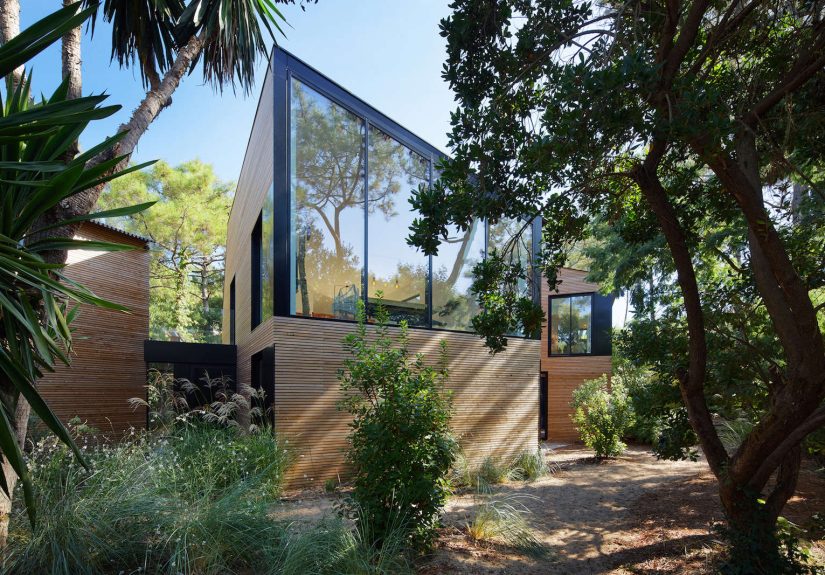
Gardenista has long celebrated outdoor spaces that feel thoughtful rather than overdecorated. The “Gardens, Untamed” theme leans into wild garden inspiration: scrubby coastal pines, relaxed terraces, meadow-like plantings, and vacation landscapes that seem to belong to their place. The look is not about importing a fantasy garden from somewhere else. It is about paying attention to what the land wants to do and then making it more beautiful, usable, and hospitable.
That is why an untamed garden can look different depending on where it lives. In New England, it might feature ferns, asters, birches, blueberries, goldenrod, and weathered stone. In California, it may lean toward salvias, manzanita, ceanothus, native grasses, and gravel paths. In the Midwest, prairie dropseed, coneflowers, milkweed, and little bluestem may take the lead. In the Southeast, oakleaf hydrangea, beautyberry, sedges, and native azaleas can create a lush, layered effect.
The common thread is not a specific plant list. It is a philosophy: let the garden feel rooted, alive, and slightly less obsessed with obedience.
Native Plants Are the Backbone of the Untamed Garden
If the untamed garden has a secret ingredient, it is native planting. Native plants have evolved alongside local wildlife, which means they often provide better food and habitat for birds, bees, butterflies, moths, and beneficial insects. Many are also well adapted to regional soils and weather patterns, making them strong choices for lower-input landscapes once established.
This does not mean every non-native plant must be marched out of the garden with a tiny botanical eviction notice. A beautiful, functional garden can include a mix. However, increasing the percentage of native plantsespecially native trees, shrubs, grasses, and flowering perennialscan dramatically improve the ecological value of a yard.
Native plants to consider by garden role
- For pollinators: milkweed, bee balm, mountain mint, coneflower, goldenrod, aster, penstemon.
- For birds: serviceberry, elderberry, native viburnum, oak, dogwood, chokeberry.
- For structure: switchgrass, little bluestem, sumac, ninebark, bayberry, wax myrtle.
- For shade: ferns, sedges, woodland phlox, wild ginger, foamflower.
- For wet areas: blue flag iris, cardinal flower, swamp milkweed, rushes, sedges.
The smartest approach is to choose plants by region, site conditions, and purpose. Sun exposure, soil moisture, winter temperature, deer pressure, and local ecology matter far more than whether a plant looked cute in a photo from a garden 2,000 miles away. Plants, like people, generally perform better when they are not forced into a climate they never signed up for.
Pollinator Gardens Without the Preciousness
A pollinator-friendly garden does not need to look like a science project or a wildflower seed packet exploded in a corner. The best pollinator gardens are planned for long bloom times, diverse flower shapes, and layered habitat. They provide nectar and pollen across spring, summer, and fall, while also offering nesting places and shelter.
To make an untamed garden more pollinator-friendly, plant in generous clusters instead of scattering one of everything everywhere. A drift of bee balm is easier for pollinators to find than a lonely plant waving from behind the mailbox like it missed the bus. Combine early bloomers, summer powerhouses, and late-season flowers so insects have food throughout the growing season.
Easy pollinator design tips
- Plant flowers in groups of three, five, seven, or more for visual impact and easier pollinator access.
- Include late-season bloomers such as asters and goldenrod, which are valuable when many gardens are fading.
- Avoid routine pesticide use, especially on flowering plants.
- Leave some bare soil, hollow stems, leaves, and undisturbed corners for nesting insects.
- Add shallow water sources with stones or landing spots for bees and butterflies.
The point is not to create a garden that looks “buggy.” The point is to create a garden that functions. A healthy garden should have movement: bees working flowers, birds searching shrubs, butterflies drifting through sunlight, and the occasional suspicious rustle that turns out to be a perfectly respectable toad.
The Beauty of Reduced Lawn
One of the strongest moves in untamed garden design is reducing traditional lawn. Lawns can be useful for play, pets, pathways, and open visual space, but many yards contain far more turf than anyone actually uses. Converting even a portion of lawn into planting beds, meadow strips, native groundcovers, or shrubs can create a richer and more resilient landscape.
Start with the least useful lawn areas: awkward slopes, dry strips along driveways, damp corners, narrow side yards, or patches under trees where grass sulks dramatically. Replace those spots with plants suited to the conditions. A shady lawn struggling under an oak may become a soft landing of sedges, ferns, woodland flowers, and leaf mulch. A sunny strip near the curb may become a mini meadow with grasses and tough perennials.
This is where untamed gardens become practical. Less mowing means less noise, less fuel, less water, and less weekend labor. It also means more habitat and more visual interest. The lawn does not have to disappear; it just needs to stop monopolizing the conversation.
Rain Gardens, Swales, and the New Water Wisdom
Untamed gardens are often better at handling water than conventional landscapes. Instead of rushing rain into storm drains, they can slow it down, spread it out, and let it soak into the ground. Rain gardens, shallow swales, planted low areas, permeable paths, and deep-rooted perennials can help manage runoff while adding beauty and habitat.
A rain garden is especially useful near roofs, driveways, patios, or compacted lawn areas where stormwater tends to collect. Planted with grasses and flowering perennials, it can filter runoff and create a lush seasonal feature. In a design sense, rain gardens also make the landscape feel more connected to weather. Rain stops being a nuisance and becomes part of the garden’s choreography.
Good places for water-wise untamed features
- Below a downspout, with proper distance from the foundation.
- Near a driveway edge where runoff flows toward the street.
- In a low lawn area that stays soggy after storms.
- Along a path where planted edges can absorb overflow.
- At the bottom of a gentle slope where water naturally gathers.
Always plan carefully before digging. Avoid placing rain gardens too close to buildings, septic systems, or utility lines. When in doubt, consult a local extension office, stormwater guide, or landscape professional. Untamed does not mean uninformed. Water is charming until it is in the basement.
How to Make an Untamed Garden Look Designed
The most common fear about wild garden style is that it will look messy. That fear is fair. A naturalistic garden without structure can become visually confusing, especially in smaller yards or front gardens where neighbors may already be emotionally attached to straight lines.
The solution is to add “cues to care.” These are design signals that show the garden is intentional. A mown edge, gravel path, low fence, stone border, repeated plant palette, seating area, birdbath, archway, or tidy entrance can make abundant planting feel polished. The plants may dance, but the frame keeps the dance from becoming a parking-lot flash mob.
Simple cues to care
- Define edges: Use steel edging, brick, stone, logs, or a crisp mown strip.
- Repeat plants: Repetition creates rhythm and prevents the garden from feeling random.
- Keep paths clear: A clean path makes even exuberant planting look intentional.
- Use focal points: Add a bench, urn, sculpture, boulder, small tree, or gate.
- Edit seasonally: Remove invasive seedlings, thin aggressive spreaders, and cut back where needed.
One of the best tricks is to combine wild planting with simple hardscape. A gravel path through grasses, a weathered bench under a tree, or a stone step tucked into a meadow instantly makes the garden feel curated. The contrast between loose planting and strong structure is what gives untamed gardens their charm.
Maintenance: Less Perfection, More Observation
Untamed gardens are often described as low-maintenance, but a more accurate phrase is different-maintenance. You may mow less, water less, and fertilize less, but you will observe more. Instead of forcing the garden into the same shape every week, you watch how it behaves and guide it over time.
That might mean cutting back paths when plants lean too far, removing invasive weeds before they set seed, dividing perennials after a few years, or letting seedheads stand through winter for birds. It may also mean leaving some leaves in garden beds as natural mulch and habitat, while keeping walkways, drains, and turf clear for safety and plant health.
A seasonal rhythm for untamed gardens
- Spring: Cut back dead stems gradually, watch for seedlings, add plugs or divisions, refresh paths.
- Summer: Water new plantings, weed lightly, enjoy the chaos, and resist unnecessary fussing.
- Fall: Plant natives, move leaves into beds, leave seedheads, and note what performed well.
- Winter: Appreciate structure, grasses, bark, berries, and the quiet drama of stems in frost.
The best untamed gardeners become editors, not dictators. They cut a little, move a little, add a little, and mostly pay attention. The garden becomes a collaborationoccasionally with bees, occasionally with wind, occasionally with a squirrel who believes your bulb plan lacks imagination.
Untamed Garden Ideas for Different Spaces
For a front yard
Use defined edges, low-growing native perennials, ornamental grasses, and a clear path to the door. Keep taller plants toward the sides or back, and use a repeating palette so the garden feels intentional from the street. A small tree, such as serviceberry or redbud, can anchor the design beautifully.
For a small urban garden
Layer vertically. Use vines, tall planters, narrow shrubs, wall-mounted containers, and compact perennials. A tiny untamed garden can feel lush with ferns, sedges, herbs, pollinator flowers, and a small water bowl. Even a balcony can support bees and butterflies if it offers nectar-rich blooms and shelter from wind.
For a backyard
Create zones: a seating terrace, a meadow edge, a shady woodland corner, and a path that invites wandering. Backyards are perfect for experimenting because they are more private. Try a mini meadow, a rain garden, or a “soft landing” under trees with leaves and native groundcovers.
For a dry or hot garden
Use gravel, mulch, drought-tolerant native plants, deep-rooted grasses, and shade where possible. Many untamed gardens in dry climates look best when they embrace openness and texture rather than trying to imitate a lush English border. Silver foliage, seedheads, and sculptural shrubs can be stunning.
Common Mistakes to Avoid
The untamed look is forgiving, but it is not foolproof. The first mistake is confusing wildness with neglect. A neglected yard allows invasive plants, bare soil, and weak structure to take over. A designed wild garden supports biodiversity while still making room for people.
The second mistake is using generic wildflower mixes without checking what is inside. Some mixes contain non-native or aggressive species that may not suit your region. It is better to choose regionally appropriate seeds or plant plugs from reputable native plant nurseries.
The third mistake is planting too sparsely. Naturalistic gardens need density. Bare soil invites weeds, erosion, and disappointment. Plant in layers and repeat key species so the garden fills in over time.
The fourth mistake is expecting instant maturity. Untamed gardens often take two to three years to settle into themselves. The first year may look modest, the second year promising, and the third year suddenly like the garden hired a stylist. Patience is part of the design.
Experience Notes: Living With a Garden That Refuses to Sit Still
One of the most satisfying experiences with an untamed garden is learning to notice small changes. In a conventional landscape, success is often measured by sameness: the hedge stays square, the lawn stays short, the mulch stays visible, and nothing surprises anyone except the water bill. In an untamed garden, success feels more like a series of discoveries. A patch of asters suddenly becomes a butterfly café. A clump of grass catches evening light in a way no outdoor lamp could imitate. A plant you forgot about reappears after rain, as if it had been away on a mysterious botanical sabbatical.
The first season can be humbling. New gardeners often expect the space to look instantly full, but many native perennials spend their early months building roots. Above ground, they may look unimpressivesmall, quiet, almost suspiciously lazy. Below ground, however, they are preparing for long-term resilience. This is the moment when patience matters. Water the new plants, keep aggressive weeds down, and resist the urge to redesign everything every Saturday morning. Gardens can sense panic.
By the second season, the personality begins to emerge. Some plants will thrive beyond expectation. Others will politely decline your invitation to participate. This is not failure; it is information. A dry corner may tell you it wants little bluestem instead of moisture-loving flowers. A shady edge may ask for ferns and sedges rather than sun-hungry blooms. The most experienced gardeners are not the ones who control everything. They are the ones who listen, adjust, and learn what the site is trying to become.
Another rewarding experience is the return of wildlife. The first bee on a newly opened flower can feel oddly triumphant, like receiving a five-star review from nature. Birds may begin exploring seedheads. Fireflies may appear if leaf litter and chemical-free areas are available. Butterflies may pause on milkweed, asters, or coneflowers. These moments make the garden feel less like decoration and more like a living neighborhood.
There is also a social learning curve. Neighbors may be curious, delighted, or mildly alarmed. Clear edges and visible care help. A tidy path, a small sign, a bench, or a neat border can communicate that the garden is intentional. Over time, people often become interested rather than skeptical, especially when the space blooms, attracts birds, or handles storms better than the old lawn did.
The deepest pleasure of an untamed garden is that it changes the gardener. You stop seeing fallen leaves as trash and start seeing them as winter shelter. You stop viewing every chewed leaf as damage and start recognizing it as evidence of a functioning food web. You stop chasing perfection and begin building relationship. That shift is the real trend behind “Gardens, Untamed.” It is not just a style. It is a gentler, smarter way to share space with the living world.
Conclusion: The Future of Gardens Is Beautifully Unruly
Trending on Gardenista: Gardens, Untamed reflects a broader movement toward outdoor spaces that are more natural, more resilient, and more emotionally satisfying. These gardens are not careless. They are carefully relaxed. They replace rigid perfection with layered planting, native species, pollinator support, water-wise design, and seasonal beauty. They invite birds, bees, butterflies, and humans to participate in the same living system.
For homeowners, the untamed garden offers a refreshing promise: your yard does not have to be a high-maintenance stage set. It can be a habitat, a retreat, a design statement, and a small act of ecological repair. Start with one bed, one tree, one pollinator patch, or one corner of lawn you no longer wish to mow. Add structure, choose plants wisely, and let nature bring some of the magic.
After all, the best gardens are not the ones that behave perfectly. They are the ones that make you want to step outside, look closer, and stay a little longer.