Table of Contents >> Show >> Hide
- What Did Keith Urban Say to Kelly Clarkson?
- Why Kelly Clarkson’s “Somebody Like You” Cover Worked So Well
- Keith Urban’s Timing: Back in The Voice World
- Kelly Clarkson’s Voice Legacy Still Looms Large
- Why Fans Immediately Wanted a Keith Urban and Kelly Clarkson Duet
- The Kellyoke Effect: Why Artists Pay Attention
- Keith Urban’s Message Shows Real Musical Respect
- Could a Keith Urban and Kelly Clarkson Collaboration Actually Happen?
- Why This Moment Resonates Beyond One Cover
- Experience Section: What Fans Feel When a Cover Becomes a Moment
- Conclusion
- SEO Tags
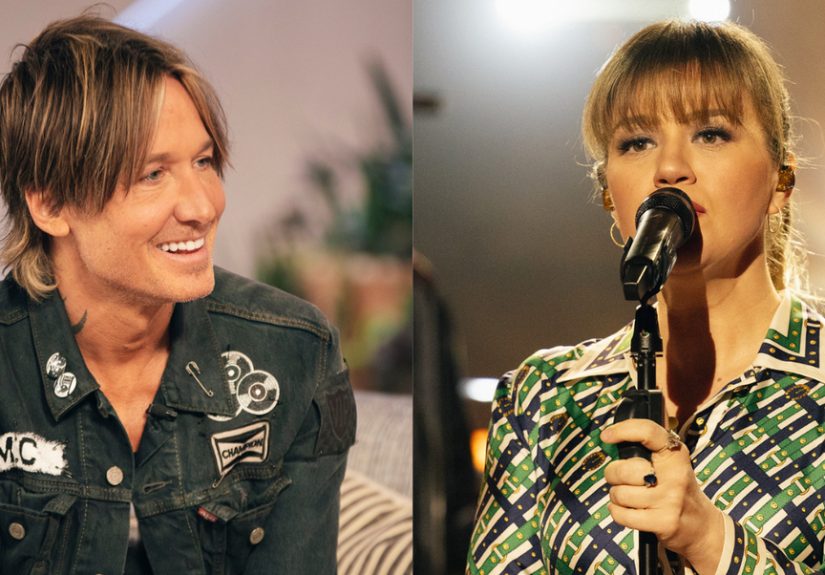
Keith Urban does not seem like the kind of artist who throws around compliments just to keep the internet hydrated. So when the country superstar publicly praised Kelly Clarkson after she performed one of his biggest hits, fans paid attention. The moment was small on the surface: Clarkson covered Urban’s “Somebody Like You” during her beloved Kellyoke segment on The Kelly Clarkson Show, and Urban responded with a delighted message that sounded equal parts admiration, friendship, and very polite musical begging.
His playful question was simple: did Kelly Clarkson take requests? That one line turned a daytime-TV performance into a fan-fueled conversation about vocals, country-pop chemistry, The Voice, and the duet that many viewers suddenly decided they needed immediately, if not sooner.
The exchange also arrived at a perfect time. Urban was stepping back into the Voice universe as the Mega Mentor for Season 25, while Clarkson remained one of the most successful coaches the NBC competition had ever seen. Put them together, add a Keith Urban classic, sprinkle in Kelly Clarkson’s superpower for making every cover sound like she found it abandoned on the curb and legally adopted it, and you get a warm pop-culture moment with real staying power.
What Did Keith Urban Say to Kelly Clarkson?
After Kelly Clarkson performed “Somebody Like You” for Kellyoke in April 2024, Keith Urban shared his reaction on X, formerly Twitter. His message was enthusiastic, affectionate, and very Keith Urban: he loved hearing her sing the song, said he loved hearing her sing anything, and then asked whether she accepted requests.
That last part is what sent fans into full “please make this happen” mode. A compliment is nice. A compliment from the original artist is even better. But a compliment that includes a possible request? That is basically a country-pop smoke signal.
Urban’s response worked because it felt natural. He was not issuing a stiff celebrity statement or tossing out a generic “great job.” He sounded like a musician genuinely moved by another musician’s interpretation. Clarkson did not simply imitate the song. She pushed it through her own vocal identity: big, bright, soulful, slightly raspy when the emotion called for it, and polished without sounding over-sanded.
Why Kelly Clarkson’s “Somebody Like You” Cover Worked So Well
“Somebody Like You” is one of Keith Urban’s defining early-2000s songs. Released from his album Golden Road, the track helped establish the sunny, guitar-driven country-pop style that became a major part of Urban’s sound. It is upbeat, romantic, and instantly recognizable. In other words, it is dangerous Kellyoke territory.
Why dangerous? Because Kelly Clarkson has a habit of walking into someone else’s song like she has a spare key. She respects the original, but she rarely sounds trapped by it. Her version of “Somebody Like You” leaned into the melody’s joy while giving the chorus the kind of vocal lift that Clarkson fans expect. She did not need to out-country Keith Urban. Instead, she used her pop-rock belt, Texas roots, and live-band energy to make the song feel fresh without stripping away its charm.
That balance matters. Covers fail when they either copy too closely or renovate so aggressively that the original song has to file a missing-person report. Clarkson’s best Kellyoke performances usually land in the sweet spot: familiar enough for longtime fans, different enough to justify the cover, and strong enough to make the original artist smile from wherever they happen to be scrolling.
Keith Urban’s Timing: Back in The Voice World
Urban’s message also hit differently because he was preparing for a major role on The Voice. For Season 25, he joined the show as Mega Mentor, helping artists during the Knockout Rounds. That season featured coaches Reba McEntire, John Legend, Chance the Rapper, and Dan + Shay, giving contestants a wide range of musical perspectives.
Urban was a smart choice for the role. He has experience as a chart-topping performer, a guitarist with a signature style, a songwriter, and a television mentor. He previously worked in singing-competition spaces, including serving as a judge on American Idol and coaching on the Australian version of The Voice. He also appeared on the U.S. version of The Voice as an adviser in an earlier season.
That résumé makes his praise for Clarkson more than casual fan behavior. Urban knows what a strong live vocal sounds like. He knows what it means to reinterpret a song under pressure. He knows how hard it is to make a familiar tune feel spontaneous in front of cameras, studio lights, and an audience waiting to be impressed before lunch.
Kelly Clarkson’s Voice Legacy Still Looms Large
Calling Kelly Clarkson a “former Voice coach” is technically accurate for the period around Urban’s message, but it barely captures her impact on the show. Clarkson joined The Voice as a coach in Season 14 and quickly became one of its most effective mentors. She won four seasons: first with Brynn Cartelli, then with Chevel Shepherd, Jake Hoot, and Girl Named Tom.
Her coaching style worked because it blended humor, emotional honesty, and practical vocal advice. Clarkson understood contestants from the inside out. She was not a star who had only watched competition shows from a VIP seat; she became famous by winning the first season of American Idol. She knew the nerves, the sudden fame, the impossible song choices, the camera close-ups, and the wild mental math of trying to sing beautifully while wondering whether America remembered to vote.
That background made Clarkson credible. She could laugh with contestants, cry with them, tease rival coaches, and still give sharp advice about phrasing, pitch, breath, and storytelling. She turned her chair into a combination of vocal booth, therapy couch, and friendly battlefield.
Why Fans Immediately Wanted a Keith Urban and Kelly Clarkson Duet
The fan reaction made perfect sense. Keith Urban and Kelly Clarkson occupy different but overlapping musical worlds. Urban brings country guitar, warm phrasing, and a polished arena-ready sound. Clarkson brings powerhouse vocals, pop-rock punch, gospel-tinged emotion, and the rare ability to make a high note feel like both a technical achievement and a personal argument.
On paper, they fit. In practice, they might fit even better. Urban’s voice has a smooth, flexible quality that pairs well with stronger belters because he does not need to compete for volume. Clarkson, meanwhile, has shown repeatedly that she can blend when she wants to and blast through the roof when the arrangement asks for it. A duet between them could go several directions: a country-pop love song, a breakup ballad, a bluesy acoustic performance, or even a live Kellyoke-style trade-off where Urban’s guitar does half the talking.
Fans love these possibilities because the exchange did not feel manufactured. There was no obvious campaign, no dramatic countdown, no “big announcement coming” tease wrapped in ten flame emojis. Just one artist praising another artist. Sometimes that is enough to make the internet grab a clipboard and start planning a collaboration.
The Kellyoke Effect: Why Artists Pay Attention
Kellyoke has become one of the most reliable reasons people watch clips from The Kelly Clarkson Show. The concept is simple: Clarkson and her band perform covers from across genres. The result is often anything but simple. She has covered pop, rock, soul, country, Broadway, indie, and classic hits with the same fearless energy that made her famous.
For artists, being covered by Clarkson is a compliment with a built-in spotlight. It introduces songs to new listeners, reminds longtime fans why the original mattered, and creates a second life online. When the original artist responds, the moment becomes even more shareable. Urban’s reaction did exactly that. It turned a strong performance into a conversation between two major artists who clearly respect each other.
There is also something charmingly old-school about it. Before streaming algorithms and short-form video trends, music discovery often happened through covers, live sessions, and artists recommending one another. Kellyoke brings that feeling into modern daytime television. It is polished enough for TV but loose enough to feel like a great band warming up in the world’s most cheerful rehearsal room.
Keith Urban’s Message Shows Real Musical Respect
Urban’s public praise matters because musicians tend to hear details casual listeners may miss. He likely noticed not only that Clarkson hit the notes, but how she shaped the song. Did she keep the lift of the chorus? Did she honor the groove? Did she understand the emotional temperature? Did she make the song sound alive rather than laminated?
His answer was clearly yes. The “do you take requests?” line added humor, but underneath the joke was genuine respect. It suggested he would happily hear Clarkson sing more of his catalog, and honestly, the man is not alone. Fans quickly imagined her taking on other Urban songs, from emotional ballads to guitar-heavy radio favorites.
That kind of public artist-to-artist encouragement is good for music culture. It reminds audiences that stars are not always locked in competition. Sometimes they are fans of each other. Sometimes a Grammy-winning country artist hears a daytime talk-show cover and reacts like the rest of us: impressed, amused, and ready for the next song.
Could a Keith Urban and Kelly Clarkson Collaboration Actually Happen?
There has been no confirmed duet attached to this specific exchange, but the idea is not far-fetched. Both artists have long histories of collaboration, genre-blending, and live performance. Clarkson has recorded and performed country-leaning music before, including collaborations and covers that highlight her Southern roots. Urban has built a career on stretching country music toward pop, rock, and soul without losing his guitar-centered identity.
A collaboration would also make strategic sense. Clarkson’s audience spans pop fans, country fans, daytime-TV viewers, and The Voice loyalists. Urban’s audience includes country listeners, guitar lovers, and fans who followed him through his television judging and mentoring roles. A duet would not need much explaining. The story is already there: she sang his song, he loved it, fans asked for more.
The only question is what kind of song would serve them best. A glossy radio single could work, but a stripped-down live session might be even stronger. Give Urban an acoustic guitar, give Clarkson room to build from a soft verse to a full-throttle chorus, and let the harmony do the rest. No confetti required. Maybe one tasteful spotlight. Fine, two spotlights. We are not monsters.
Why This Moment Resonates Beyond One Cover
At its core, this story is not just about a celebrity tweet or a viral daytime clip. It is about what happens when a great song travels from one artist to another and still feels alive. “Somebody Like You” already had a long life as a Keith Urban hit. Clarkson’s performance did not replace that history; it added a new chapter. Urban’s response then connected the two versions in a way fans could celebrate.
It also highlights why viewers remain attached to artists like Urban and Clarkson. Both have technical skill, but skill alone is not the reason people care. Fans respond to warmth, generosity, humor, and the feeling that the artist still loves music even after decades in the business. Urban sounded delighted. Clarkson sounded fully engaged. That combination is difficult to fake.
Experience Section: What Fans Feel When a Cover Becomes a Moment
Anyone who has followed music for a long time knows the strange thrill of hearing a favorite artist cover another favorite artist. It feels a little like introducing two friends at a party and realizing they should have known each other years ago. That is the emotional center of the Keith Urban and Kelly Clarkson moment. Fans were not simply reacting to a good vocal performance. They were reacting to the feeling that two musical worlds had bumped into each other and immediately started laughing.
There is also a personal layer to a song like “Somebody Like You.” For many listeners, it is tied to road trips, early-2000s country radio, summer afternoons, first crushes, or that one friend who insisted on controlling the car stereo because they had “the perfect playlist.” When Clarkson sang it, she brought those memories into a new room. Her voice did not erase the original version; it made people revisit it. That is one of the best things a cover can do. It sends listeners back to the source while giving them a new reason to care.
The experience of watching Kellyoke is different from listening to a studio cover. It has immediacy. You see the band, the lights, the smile before the big note, the little choices that happen in real time. Clarkson often performs covers with the confidence of someone who has done the homework but still wants to have fun. That matters because audiences can sense joy. When she is clearly enjoying a song, the performance becomes contagious.
Urban’s response added another layer of satisfaction. Fans love when the original artist approves because it validates what they already felt. It is the musical equivalent of the chef coming out of the kitchen and saying, “Yes, that remix of my recipe is delicious.” Suddenly, the cover is not just fan excitement; it becomes a shared celebration between artists and audience.
For aspiring singers, the moment also offers a useful lesson. Clarkson did not succeed by copying Urban’s tone or delivery. She respected the song’s structure while trusting her own strengths. That is what strong performers do. They do not ask, “How can I become the original artist?” They ask, “How can I tell the truth through this song using the voice I actually have?” Urban, as a mentor, surely recognized that. It is the same kind of advice contestants on The Voice hear again and again: be yourself, but be specific; honor the song, but do not hide inside it.
That is why the message still feels charming. It was not dramatic. It was not scandalous. Nobody threw a chair, unless you count The Voice chairs, which are professionally designed for drama. It was simply one artist hearing another artist sing beautifully and saying, in public, “I love this.” In an entertainment world that often rewards noise, that kind of sincere musical appreciation feels refreshingly human.
Conclusion
Keith Urban’s message to former Voice coach Kelly Clarkson was short, sweet, and surprisingly powerful. After Clarkson performed “Somebody Like You” on Kellyoke, Urban responded with open admiration and a playful request that instantly made fans dream of a future duet. The moment worked because it connected several things people already love: Urban’s country-pop songwriting, Clarkson’s unstoppable vocal range, the mentoring spirit of The Voice, and the simple pleasure of artists cheering each other on.
Whether or not a collaboration ever happens, the exchange has already given fans a memorable pop-culture moment. It reminded viewers that great songs can keep finding new life, especially when they land in the hands of a singer bold enough to make them her own and gracious enough to honor where they came from. Keith Urban heard Kelly Clarkson sing his song and loved it. Fans heard his response and immediately wanted more. Honestly, can anyone blame them?
Note: This article is original, fully rewritten SEO content based on publicly reported entertainment information, official show details, and widely available performance coverage. It contains no copied source text or unnecessary citation markup.