Table of Contents >> Show >> Hide
The Iberian garden is having a moment, and honestly, it deserves the spotlight. In a world where half the backyard seems to be either thirsty lawn or a patio set slowly losing a fight with the sun, the gardens of Spain and Portugal offer a better idea: shade, stone, citrus, fragrance, water used with drama instead of waste, and plants that do not faint dramatically every time July clears its throat.
Inspired by Gardenista’s eye for cultivated living, the Iberian garden blends Spanish courtyards, Portuguese terraces, Moorish water features, Roman-inspired loggias, Mediterranean planting, and modern water-wise design. It is stylish without being fussy, practical without looking like it was assembled by a committee, and romantic without requiring a villa, a vineyard, or a mysterious inheritance from a great-aunt in Seville.
At its heart, the Iberian garden is about living outdoors beautifully. It invites you to sit, cook, read, nap, harvest herbs, smell orange blossoms, and pretend your grocery-store lemonade is actually something poured under a pergola in Mallorca. More importantly, it gives homeowners a durable design language for hot summers, dry spells, and landscapes that need to look good without demanding a personal assistant.
What Is an Iberian Garden?
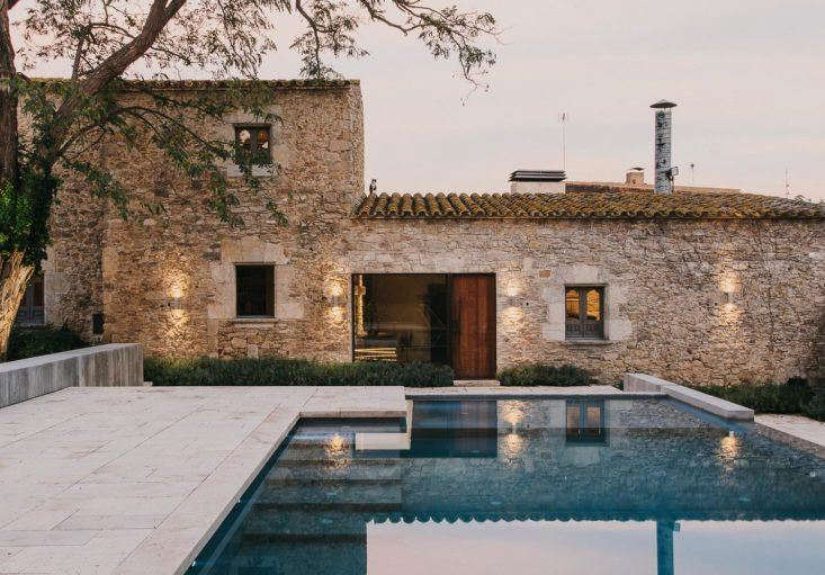
An Iberian garden draws from the landscapes and cultural traditions of the Iberian Peninsula, especially Spain and Portugal. It often includes Mediterranean plants, shaded courtyards, stone paving, gravel paths, terra-cotta pots, tiled surfaces, citrus trees, herbs, vines, water channels, fountains, and architectural features that blur the line between house and garden.
Unlike a purely formal garden, the Iberian garden is not obsessed with perfect symmetry from every angle. It can be structured, yes, but it also welcomes age, patina, scent, and seasonal looseness. A clipped rosemary hedge may sit beside a cloud of lavender. A tiled fountain may anchor a courtyard while bougainvillea climbs a wall with the enthusiasm of a guest who found the dessert table.
The look is especially relevant now because many regions in the United States are dealing with hotter summers, water restrictions, and a growing interest in low-maintenance landscaping. The Iberian garden answers those concerns with grace. It does not scream “xeriscape experiment.” It whispers, “Would you like to sit in the shade while the lavender handles itself?”
Why the Iberian Garden Is Trending
1. It Is Beautifully Water-Wise
The Iberian garden understands that water is precious. Traditional Spanish and Portuguese gardens often used water as a focal point, not as a background utility. A narrow channel, a small reflecting pool, or a bubbling fountain can cool the atmosphere and create sound without turning the garden into a municipal splash pad.
Modern versions take this further by using drought-tolerant plants, gravel mulch, permeable paving, drip irrigation, and thoughtful hydrozoning. In plain English: put plants with similar water needs together so nobody gets drowned, starved, or passive-aggressively wilted.
2. It Replaces Lawn Anxiety With Courtyard Calm
A classic Iberian-inspired space often relies on hardscape: stone, gravel, tile, brick, limewashed walls, and paved terraces. These materials reduce the need for large thirsty lawns and create useful outdoor rooms. Instead of mowing every weekend, you can sweep a courtyard, prune herbs, and feel deeply superior while doing almost nothing.
3. It Works for Small Spaces
You do not need an estate. A balcony, side yard, front entry, or small patio can borrow the Iberian mood. A terra-cotta pot with a dwarf citrus tree, a rosemary shrub, a tiled table, a gravel planter, and a climbing jasmine can create the feeling instantly. The Iberian garden is generous that way; it lets renters, townhouse owners, and tiny-yard survivors join the party.
Key Design Elements of the Iberian Garden
Courtyards: The Outdoor Room That Never Gets Old
The courtyard is one of the great gifts of Iberian design. In hot climates, enclosed or semi-enclosed outdoor rooms create shade, privacy, and a sense of retreat. Walls protect plants from wind, paving stores warmth, and a central fountain or tree can give the space a strong visual anchor.
For an American home, the courtyard idea can be translated into a patio bordered by tall planters, a stucco wall, a hedge, or a pergola. The goal is not to copy a palace courtyard brick by brick. The goal is to create a place where the outside feels as intentional as the living room, only with more bees and fewer throw pillows.
Tile: Pattern With Personality
Tile is one of the most recognizable Iberian garden details. Spanish and Portuguese traditions both celebrate decorative tile, from bold geometric patterns to blue-and-white azulejos. Used outdoors, tile can appear on stair risers, fountain surrounds, benches, tabletops, walls, and planters.
The trick is restraint. A small amount of patterned tile can make a garden sing. Too much can make it look like the patio lost a bet with a souvenir shop. Use tile as punctuation: a backsplash behind an outdoor sink, a border around a fountain, or a bright tabletop under a pergola.
Water Features: Small, Smart, and Sensory
The Alhambra and Generalife in Granada remain among the most famous examples of water used as architecture. Reflecting pools, channels, fountains, and terraced gardens show how water can guide movement, create sound, cool the air, and bring life to stone spaces.
In a home garden, the lesson is not “install a royal hydraulic system by Saturday.” It is simpler: make water count. A recirculating fountain, a narrow rill, or even a glazed bowl with aquatic plants can add the feeling of freshness without irresponsible waste. Place it where you can hear it from a seating area, because a fountain hidden behind the garage is basically gossip with no audience.
Shade: The Unsung Hero
No Iberian-inspired garden is complete without shade. Pergolas, loggias, vine-covered arbors, umbrellas, and trees all make the garden usable when the sun becomes a little too committed to its role. In Portugal, loggias and covered corridors historically offered shaded movement through hot spaces. In modern yards, a pergola with grapevine, wisteria, jasmine, or climbing roses can do the same job beautifully.
Shade also protects furniture, reduces heat buildup, and creates a reason to linger outdoors. A garden without shade may photograph well, but it will not invite you to sit down unless you enjoy becoming toast.
Best Plants for an Iberian-Inspired Garden
Olive Trees
Olive trees bring instant Mediterranean structure. Their silvery leaves, sculptural trunks, and drought tolerance make them ideal for warm climates. In colder zones, they can be grown in large containers and moved to protection during winter. Even a young olive tree in a terra-cotta pot can make a patio feel more composed.
Citrus Trees
Orange, lemon, and lime trees are strongly associated with Spanish and Portuguese gardens. Citrus flowers are famously fragrant, and the fruit adds color and usefulness. In USDA Zones 9 to 11, many citrus varieties can grow outdoors; elsewhere, dwarf citrus can live in containers and overwinter indoors near bright light.
Lavender
Lavender is practically the garden equivalent of good manners. It smells wonderful, attracts pollinators, tolerates drought once established, and looks beautiful against gravel or stone. Give it full sun and sharp drainage. Do not trap it in soggy soil unless your gardening goal is heartbreak.
Rosemary
Rosemary belongs in an Iberian garden because it works hard and complains little. It can be clipped into hedges, allowed to sprawl over walls, grown in pots, or harvested for cooking. It prefers sun, well-drained soil, and modest watering after establishment.
Santolina
Santolina, also called lavender cotton, offers fine-textured silver or green foliage and cheerful button-like yellow flowers. It is excellent for edging paths, softening gravel gardens, and adding drought-tolerant structure. Prune it regularly so it stays compact instead of becoming woody and dramatic.
Rockrose
Rockrose, or Cistus, is a rugged Mediterranean shrub with papery flowers and aromatic foliage. It thrives in lean, well-drained soil and handles heat with admirable calm. This is a plant for gardeners who like beauty but do not want to negotiate daily.
Jasmine, Bougainvillea, and Climbing Roses
Vines bring romance to the Iberian garden. Jasmine adds fragrance, bougainvillea adds color in warm regions, and climbing roses soften walls and pergolas. Choose based on your climate, and give each vine a strong support. A flimsy trellis under a vigorous vine is not a design feature; it is a future apology.
How to Create the Look at Home
Start With the Bones
Begin with structure before buying plants. Decide where people will sit, walk, cook, and gather. Add a gravel path, a dining area, a bench, or a paved courtyard. The Iberian garden is not just a collection of pretty plants; it is a place designed for daily life.
Choose a Warm Material Palette
Use materials that feel sun-baked and natural: terra-cotta, limestone, decomposed granite, gravel, brick, stucco, aged wood, wrought iron, and ceramic tile. Warm whites, clay reds, sand tones, olive greens, and deep blues all fit the mood.
Plant in Layers
Create a layered composition with trees, shrubs, herbs, perennials, and ground covers. A simple formula might include one small tree, three evergreen shrubs, a drift of lavender, several rosemary plants, creeping thyme near stepping stones, and a vine over a pergola. Repetition matters. One lavender looks lonely. Five lavenders look intentional.
Use Gravel as a Design Tool
Gravel is practical and stylish in Mediterranean-style gardens. It suppresses weeds, allows water to move into the soil, reflects light, and makes silver foliage look even better. It also creates that wonderful crunch underfoot, which makes every trip to the compost bin feel slightly cinematic.
Water Deeply, Not Constantly
Many Mediterranean plants need regular water during establishment, especially in their first growing season. After that, the goal is deep, infrequent watering that encourages roots to grow down. Constant shallow watering can weaken plants and invite disease, particularly in hot weather.
Common Mistakes to Avoid
Overwatering
This is the classic mistake. Many Iberian and Mediterranean plants hate wet feet. Lavender, rosemary, santolina, and rockrose can suffer in heavy, soggy soil. Improve drainage, plant slightly high, and group low-water plants together.
Using Too Many Themes at Once
An Iberian garden can include Spanish tile, Portuguese pottery, Moorish geometry, Roman courtyards, rustic herbs, and modern furniture. But it should not include all of them at maximum volume. Pick two or three strong ideas and repeat them.
Forgetting Comfort
The best Iberian gardens are meant to be used. Add seating, shade, lighting, and a small table. A beautiful garden with nowhere to sit is like a cookbook with no recipes: technically attractive, spiritually suspicious.
Experience Notes: Living With the Iberian Garden Style
One of the most rewarding things about an Iberian-inspired garden is how quickly it changes the rhythm of daily life. A conventional yard often asks for chores first and enjoyment second. The Iberian garden reverses that. It gives you a place to step outside in the morning with coffee, brush a hand over rosemary, check whether the citrus is blooming, and feel as if the day has started with a small vacation.
The sensory experience is what makes the style memorable. Gravel warms underfoot. Lavender releases fragrance when the afternoon sun hits it. A fountain adds a quiet sound that makes nearby traffic seem less bossy. Terra-cotta pots age gradually, developing mineral marks and weathered edges. Nothing feels too new for too long, which is a blessing for anyone who does not want their garden to look like it came shrink-wrapped.
In practical terms, the Iberian garden also teaches patience. Many drought-tolerant plants look modest when first planted. A young rosemary hedge is not going to win a beauty contest on day one. But after a season or two, the structure begins to settle in. The plants knit together, the gravel softens visually, the pots gather character, and the garden develops that relaxed confidence that cannot be rushed.
Another experience worth noting is how social the space becomes. A shaded table under a pergola naturally attracts people. Add a few lanterns, a bowl of oranges, a pitcher of iced tea, and suddenly the patio becomes the most popular room in the house. The Iberian garden does not need to be grand to feel generous. Even a small courtyard can host dinner, conversation, and the occasional heroic battle against a mosquito.
Maintenance is refreshingly straightforward, but it is not zero. Herbs need pruning. Gravel needs occasional raking. Potted citrus needs feeding and seasonal care. Fountains need cleaning unless you are cultivating a boutique algae collection. Still, compared with a thirsty lawn and high-maintenance flower beds, the workload feels calmer and more seasonal.
The best advice is to start small. Create one Iberian corner before redesigning the entire yard. Place a large terra-cotta pot near the door, add rosemary and thyme, install a simple bench, replace a small patch of lawn with gravel, or hang a patterned tile mirror on a patio wall. Once that corner begins to work, expand the idea. Good gardens grow by observation, not panic-shopping at the nursery.
Ultimately, the Iberian garden is less about copying Spain or Portugal and more about learning from them. It borrows the wisdom of shade, the beauty of restraint, the usefulness of herbs, the poetry of water, and the durability of materials that improve with age. It is a garden style for people who want elegance, climate sense, and a place to sit down before life sends another email.
Conclusion
The Iberian garden is trending because it solves modern landscape problems with old-world intelligence. It is water-wise, heat-aware, deeply atmospheric, and wonderfully livable. By combining gravel, tile, terra-cotta, citrus, herbs, vines, shade, and carefully chosen water features, homeowners can create outdoor spaces that feel relaxed, resilient, and rich with character.
Whether you have a courtyard, a suburban backyard, a balcony, or a narrow side yard, the Iberian garden offers flexible inspiration. Start with structure, plant for your climate, use water thoughtfully, and let texture do the heavy lifting. The result is not just a garden that looks good in photos. It is a garden that invites you outside, keeps you there, and quietly suggests that maybe dinner tastes better under a pergola.
Note: This article is written in original American English for web publishing and synthesizes real garden design principles, plant guidance, and Iberian landscape traditions without copied source text or unnecessary citation placeholders.