Table of Contents >> Show >> Hide
- What Are Nasolabial Folds?
- What Causes Nasolabial Folds?
- Are Nasolabial Folds a Medical Problem?
- Treatment Options for Nasolabial Folds
- Do Facial Exercises Help Nasolabial Folds?
- At-Home Skincare for Nasolabial Folds
- How to Prevent Nasolabial Folds From Looking Deeper
- Safety Tips Before Getting Treatment
- When Should You See a Dermatologist?
- Real-Life Experiences and Practical Lessons About Nasolabial Folds
- Conclusion
Note: This article is for educational publishing purposes only and should not replace personalized medical advice from a board-certified dermatologist, plastic surgeon, or qualified health professional.
What Are Nasolabial Folds?
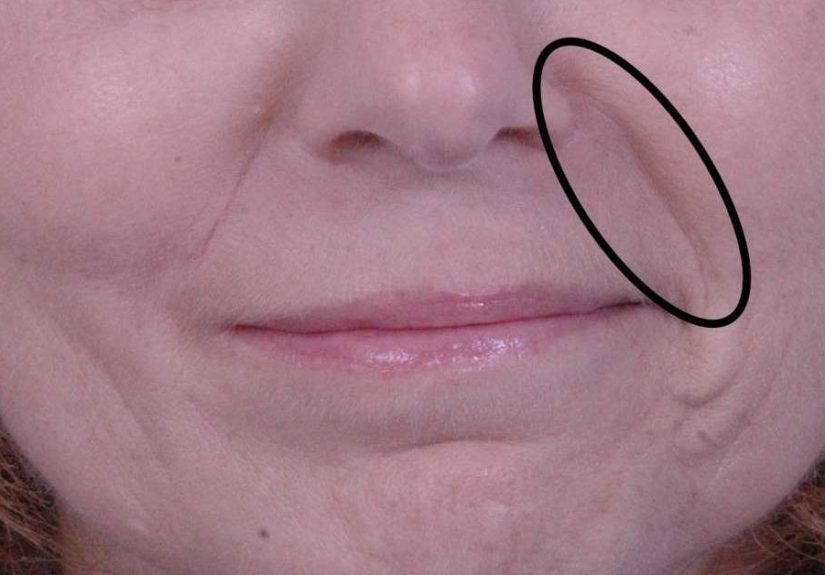
Nasolabial folds are the natural creases that run from the sides of the nose down toward the corners of the mouth. Many people call them smile lines or laugh lines, which is a much friendlier nickname than “those grooves that suddenly showed up in the bathroom mirror under bad lighting.”
Here is the good news: nasolabial folds are normal. Everyone has them to some degree because they are part of the way the face moves, smiles, talks, chews, laughs, and occasionally reacts to group chats. They are not a disease, and they do not mean something is wrong with your skin.
However, these folds can become deeper or more noticeable over time. Aging, sun exposure, genetics, facial volume loss, smoking, weight changes, and repeated facial movement can all play a role. Some people love their smile lines because they tell a story. Others prefer to soften them. Both attitudes are valid. The goal is not to erase expression from the face, but to understand what is happening and choose realistic, safe options if treatment is desired.
What Causes Nasolabial Folds?
1. Natural Aging
As the skin ages, it gradually produces less collagen, elastin, and hyaluronic acid. Collagen gives skin structure, elastin helps it bounce back, and hyaluronic acid helps hold moisture. When these support systems decline, the skin may become thinner, drier, and less firm. The midface can also lose volume, making the cheek area appear flatter and allowing the nasolabial folds to look more pronounced.
This is not a failure of skincare. It is biology doing what biology does best: refusing to ask permission before changing things.
2. Facial Volume Loss
Nasolabial folds are not only a surface-skin issue. They are also connected to deeper facial anatomy. Over time, facial fat pads can shift downward or shrink. Bone structure also changes gradually with age. When support in the cheeks decreases, the skin can fold more noticeably between the nose and mouth.
This is why simply applying a rich cream may improve texture and dryness, but it usually cannot fully correct deep folds. A moisturizer can make the skin look healthier, but it cannot rebuild cheek volume like a structural treatment might.
3. Sun Exposure
Ultraviolet radiation is one of the biggest outside contributors to premature skin aging. UV rays break down collagen and elastin, which can make wrinkles, fine lines, uneven tone, and folds appear earlier or look deeper. Daily sunscreen is not glamorous, but it is one of the most useful anti-aging habits available. Think of sunscreen as a seatbelt for your face: not exciting, but extremely helpful.
4. Smoking
Smoking can speed up skin aging by reducing blood flow, increasing oxidative stress, and damaging collagen and elastin. It can also contribute to fine lines around the mouth because of repeated lip movements and the effect of smoke exposure on skin quality. Quitting smoking supports overall health and may help slow visible skin aging.
5. Repeated Facial Expressions
Smiling, laughing, talking, and eating all involve the muscles around the mouth and cheeks. Over many years, repeated movement can help make natural creases more visible. This does not mean people should stop smiling. A life without laughter would be terrible skincare and worse living.
6. Weight Changes
Weight gain or loss can change facial volume. Significant weight loss may reduce fullness in the cheeks, making nasolabial folds appear deeper. Weight gain can also change how facial tissue sits around the mouth and lower face. These changes vary widely from person to person.
7. Genetics
Some people develop visible nasolabial folds earlier because of inherited facial structure, skin thickness, cheek volume, or collagen patterns. If several family members have prominent smile lines, genetics may be part of the story. You can thank your ancestors kindly, then apply sunscreen anyway.
Are Nasolabial Folds a Medical Problem?
In most cases, nasolabial folds are cosmetic rather than medical. They do not require treatment unless a person wants to soften their appearance. The folds themselves are not dangerous, contagious, or harmful.
That said, any sudden facial change, swelling, pain, skin color change, weakness, or one-sided facial drooping should be evaluated promptly by a medical professional. Ordinary smile lines develop gradually. Sudden changes are a different category and should not be brushed off as “just aging.”
Treatment Options for Nasolabial Folds
1. Dermal Fillers
Dermal fillers are one of the most common nonsurgical treatments for nasolabial folds. They are injectable products used to restore volume, soften creases, and improve facial contour. Hyaluronic acid fillers are especially popular because hyaluronic acid occurs naturally in the body and can hold water in the skin.
For nasolabial folds, fillers may be placed directly into the fold or strategically in the cheeks to restore support. In many cases, treating the cheek area can soften the fold more naturally than simply filling the crease itself. The best approach depends on facial anatomy, skin quality, age, and personal goals.
Results may appear quickly, although swelling and bruising can occur for several days. Depending on the product, placement, metabolism, and lifestyle, results may last several months to more than a year. Fillers are temporary, which can be a benefit for people who want flexibility.
2. Biostimulatory Fillers
Some injectable treatments work by stimulating collagen production over time. Examples include poly-L-lactic acid and calcium hydroxylapatite fillers. These products may help improve facial volume and skin support gradually rather than producing only immediate plumping.
Because results develop over weeks to months, biostimulatory treatments require patience. They are not the best choice for someone who wants a dramatic overnight change. But for suitable candidates, they may create a subtle, refreshed look that builds slowly.
3. Botulinum Toxin
Botulinum toxin injections, often known by brand names such as Botox, are better known for expression lines in the forehead, between the brows, and around the eyes. They are not usually the main treatment for nasolabial folds because these folds are often caused by volume loss and tissue descent rather than muscle movement alone.
However, in selected cases, a skilled injector may use small amounts around nearby muscles to soften certain expression-related patterns. This requires careful technique. Too much relaxation around the mouth can affect smile movement, speech, or facial balance, which is why experience matters.
4. Laser Resurfacing
Laser resurfacing can improve skin texture, fine lines, sun damage, and collagen remodeling. It may help the skin look smoother and firmer, especially when nasolabial folds are mild and accompanied by rough texture or photoaging.
However, lasers cannot fully lift sagging tissue or replace lost facial volume. They are often better for skin quality than for deep structural folds. Recovery time varies depending on whether the laser is ablative, nonablative, or fractional.
5. Microneedling and Radiofrequency Treatments
Microneedling creates controlled micro-injuries that encourage collagen production. Radiofrequency microneedling adds heat energy to stimulate deeper remodeling. These treatments may help improve mild laxity, texture, and firmness, but they usually produce gradual and modest changes.
For people with early nasolabial folds, these procedures may be useful as part of a broader skin-maintenance plan. For deep folds caused by significant volume loss, they may not be enough on their own.
6. Chemical Peels
Chemical peels can improve uneven tone, dullness, and fine surface lines. Light peels have minimal downtime, while deeper peels require more recovery and medical supervision. Peels may refresh the skin around the folds, but they do not directly correct deeper facial volume changes.
7. Facelift or Midface Lift
For deeper folds caused by tissue laxity and facial descent, surgery may provide more noticeable and longer-lasting improvement. A facelift, midface lift, or related surgical procedure can reposition tissue rather than simply filling a crease.
Surgery involves more cost, downtime, and risk than nonsurgical options. It should be discussed with a board-certified plastic surgeon or facial plastic surgeon who can evaluate whether the concern is mainly volume loss, skin laxity, or both.
Do Facial Exercises Help Nasolabial Folds?
Facial exercises are popular online, and some people enjoy them because they feel natural, low-cost, and empowering. The idea is that targeted movements may strengthen facial muscles or improve circulation. However, evidence for facial exercises specifically reducing nasolabial folds is limited.
There is also a practical concern: nasolabial folds are partly created by repeated facial movement. Overdoing exaggerated exercises may theoretically deepen expression lines in some people. A gentle routine is reasonable if it does not cause strain, discomfort, or obsessive mirror-checking.
Gentle Exercise Ideas
These exercises should be done lightly, without pulling aggressively on the skin:
- Soft smile holds: Smile gently without squinting hard. Hold for five seconds, relax, and repeat a few times.
- Cheek lifts: Place clean fingertips lightly on the cheeks and smile softly, feeling the cheek muscles engage.
- Vowel movements: Slowly say “O” and “E” with controlled mouth movement, avoiding extreme stretching.
- Relaxation reset: Release jaw tension, soften the lips, and breathe through the nose for a few slow breaths.
Facial exercises should be treated as supportive, not magical. If a video promises to erase deep folds in seven days, that is not skincare advice; that is the internet wearing a tiny magician hat.
At-Home Skincare for Nasolabial Folds
Use Daily Sunscreen
Daily broad-spectrum sunscreen is one of the best habits for preventing premature skin aging. Choose SPF 30 or higher, apply it every morning, and reapply when outdoors, sweating, or swimming. Sunscreen helps protect collagen and elastin, which are essential for keeping skin resilient.
Try Retinoids or Retinol
Retinoids are vitamin A derivatives that can support collagen production, improve texture, and soften fine lines over time. Prescription retinoids are stronger, while over-the-counter retinol may be gentler. Start slowly, such as two or three nights a week, and moisturize well to reduce dryness or irritation.
Moisturize Consistently
Moisturizers do not erase deep folds, but they can make the skin look smoother and healthier. Ingredients such as hyaluronic acid, glycerin, ceramides, and peptides can help hydrate and support the skin barrier. Well-hydrated skin reflects light better, which may make lines look less obvious.
Use Antioxidants
Vitamin C, niacinamide, and other antioxidants may help protect skin from environmental stress and support a brighter, more even appearance. Vitamin C can be especially useful in the morning under sunscreen, though sensitive skin may need a gentler formula.
Avoid Harsh Over-Exfoliation
Exfoliation can improve dullness, but too much can damage the skin barrier. Red, stinging, flaky skin is not “glowing”; it is your face sending a strongly worded email. Use acids or scrubs carefully, and pause if irritation appears.
How to Prevent Nasolabial Folds From Looking Deeper
You cannot completely prevent nasolabial folds because they are part of normal facial anatomy and aging. Still, you can slow premature skin aging and keep the surrounding skin healthier.
- Wear sunscreen daily: Protect against UV damage that breaks down collagen.
- Do not smoke: Smoking accelerates wrinkles and skin aging.
- Stay hydrated: Hydration supports overall skin function, though it will not replace lost volume.
- Sleep well: Skin repair processes are linked with healthy sleep habits.
- Maintain stable weight: Major weight fluctuations can affect facial fullness.
- Use gentle skincare: Protecting the skin barrier helps skin look smoother and less irritated.
- See qualified professionals: If considering procedures, choose licensed, trained providers.
Safety Tips Before Getting Treatment
Cosmetic treatments can be safe and effective when performed by qualified professionals, but they are still medical procedures. Fillers, lasers, and injections all carry possible risks.
Common filler side effects can include swelling, tenderness, bruising, redness, itching, or small lumps. Rare but serious complications can include infection, vascular blockage, skin injury, vision problems, or tissue damage. This is why provider choice matters more than bargain pricing. Your face is not the place for a “flash sale, cash only, back room” situation.
Questions to Ask a Provider
- Are you a board-certified dermatologist, plastic surgeon, facial plastic surgeon, or properly licensed medical professional?
- How often do you treat nasolabial folds?
- Which product do you recommend and why?
- What are the risks for my face and skin type?
- What should I do if I notice severe pain, unusual discoloration, or vision changes?
- Do you have a plan for managing complications?
Avoid at-home filler devices, unlicensed injectors, counterfeit products, and social media trends that make medical procedures look as casual as applying lip gloss. Injectable treatments belong in trained hands.
When Should You See a Dermatologist?
Consider seeing a dermatologist or qualified cosmetic specialist if your nasolabial folds bother you, if you are unsure which treatment fits your goals, or if skincare products are not giving the results you expected.
A professional can evaluate whether your folds are mainly caused by skin texture, volume loss, muscle movement, or tissue laxity. This matters because the best treatment depends on the cause. For example, retinol may help fine lines, filler may help volume loss, and surgery may be more appropriate for significant sagging.
A good consultation should feel educational, not pushy. If the provider makes you feel rushed, judged, or pressured into more treatment than you wanted, it is reasonable to leave and seek another opinion.
Real-Life Experiences and Practical Lessons About Nasolabial Folds
One of the most common experiences people have with nasolabial folds is noticing them suddenly, even though they have been developing gradually for years. The bathroom mirror, overhead lighting, and front-facing phone camera often form an unholy alliance. A person may smile, relax their face, lean closer, and think, “Wait, when did that line move in and sign a lease?”
In real life, nasolabial folds often become noticeable during normal transitions: entering the late twenties or thirties, losing weight, spending more time outdoors, having a stressful season, sleeping poorly, or simply seeing a photo taken from an unforgiving angle. Many people first try skincare. A moisturizer may make the area look smoother. A retinol may improve texture over several months. Sunscreen may not create instant drama, but it helps protect the skin from getting worse due to UV exposure.
Another common experience is confusion about treatment. People may assume the fold itself must be filled directly. Sometimes that works. But many experienced injectors explain that the fold may be a symptom of cheek volume loss. In that case, adding support to the midface can soften the fold more naturally than chasing the line. This is why two people with similar-looking smile lines may receive different treatment plans.
Some people also discover that less is better. A subtle filler result can look refreshed, while too much product around the mouth may look heavy or unnatural. The goal should be facial balance, not total line elimination. Faces are supposed to move. A completely expressionless lower face can look less natural than a few well-earned smile lines.
There is also an emotional side. Nasolabial folds can make people feel older than they feel inside. That reaction is understandable, especially in a world where filtered images make real skin look like a technical error. But normal facial folds are not flaws. They are part of human expression. Treatment can be a personal choice, but it should come from preference rather than panic.
People who are happiest with their results usually have realistic expectations. They understand that skincare can improve quality, injectables can soften volume-related folds, energy treatments can help texture, and surgery can address deeper laxity. They also understand that maintenance is part of the process. No treatment freezes time. Even the best filler does not send aging a formal cancellation letter.
A practical approach is to start with the basics: daily sunscreen, gentle cleanser, moisturizer, and a retinoid if tolerated. Take photos in consistent lighting every few months rather than checking the mirror five times a day. If the folds still bother you, schedule a consultation with a qualified professional. Ask questions. Bring reference photos of yourself from a few years ago, not heavily edited celebrity images. The best cosmetic plan respects your own face.
Finally, remember that prevention does not mean obsession. Wear sunscreen, avoid smoking, protect your skin barrier, sleep when you can, and laugh without fear. Smile lines are connected to smiling, after all. If you choose to soften them, do it safely. If you choose to keep them, wear them confidently. Either way, the goal is healthy skin and a face that still feels like yours.
Conclusion
Nasolabial folds are normal facial creases that run from the nose to the corners of the mouth. They can deepen with age, sun exposure, smoking, genetics, facial volume loss, and repeated expression. While they are not medically harmful, they can affect how people feel about their appearance.
The best approach depends on the cause. Skincare may improve texture and support prevention. Sunscreen, retinoids, moisturizers, and antioxidants can help maintain healthier-looking skin. Dermal fillers may soften folds related to volume loss, while lasers, microneedling, and peels may improve surface quality. Surgery may be considered for more advanced facial laxity.
Facial exercises may feel helpful for some people, but evidence is limited, and aggressive movements may not be useful. Above all, safety matters. Choose qualified professionals, avoid at-home injectable trends, and keep expectations realistic. Nasolabial folds are part of a living, expressive face. Treat them if you want to, prevent premature aging where you can, and do not forget to smile while wearing sunscreen.