Table of Contents >> Show >> Hide
Some trends arrive wearing too much perfume. They sweep in, demand a custom pergola, a pizza oven the size of a hatchback, and a furniture set that looks suspiciously like it belongs inside a boutique hotel lobby. Then there is the simple outdoor life, the enduring Gardenista-style idea that your garden, patio, deck, or scrappy side yard should feel beautiful, useful, and just a little bit undone in the best possible way.
That idea still lands because it never depended on showing off. It depended on living outdoors well. A bean tunnel can be as exciting as a sculptural gate. A backyard canopy can feel more luxurious than a full-blown outdoor room. A few herbs near the kitchen door can earn their keep more honestly than an elaborate landscape that mostly exists to be admired from behind glass. In other words, the simple outdoor life is not about doing less because you gave up. It is about doing the right things because you finally got smart.
If you look at what has been resonating across garden and home design coverage lately, the same themes keep bubbling up: low-maintenance backyard ideas, lawn-free planting, pollinator-friendly borders, edible gardens, permeable paths, layered patios, earthy colors, and outdoor spaces that feel personal instead of overly staged. Gardenista was early to this way of thinking, and now the rest of the outdoor design world seems to be catching up with a muddy trowel in one hand and an olive-green cushion in the other.
What “The Simple Outdoor Life” Really Means
At its heart, Gardenista’s version of outdoor living has always favored practical romance. Not romance in the candlelit-fountain-statue sense. Romance in the “there is shade where I need it, scent where I want it, and something edible growing within arm’s reach” sense. It is a style built on comfort, restraint, and quiet pleasure.
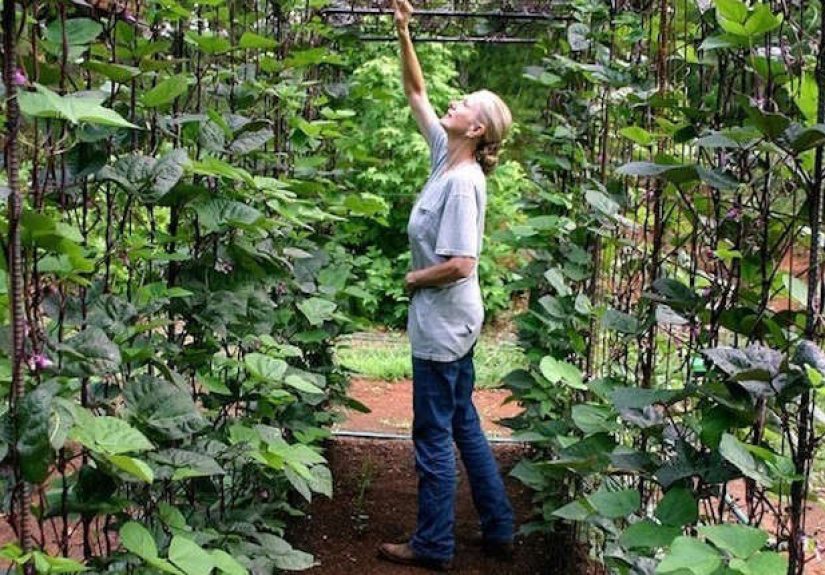
That is why the original mix feels so telling: a DIY bean trellis, hydrangeas that look good close-up, indoor-outdoor jute rugs, a soothing sunburn cure, and ideas for a backyard canopy. It is a collection of everyday luxuries, not grand gestures. It says the good life may include beautiful flowers and clever styling, but it also includes beans, shade, texture, and recovery after too much sun. Frankly, that is the most realistic design brief summer has ever seen.
Today, this approach reads less like a niche taste and more like a blueprint for sane outdoor living. People want spaces that work harder. They want patios that feel like extra rooms, but they also want gardens that support birds, bees, and butterflies. They want a welcoming front yard without constant mowing. They want color and softness, but not a maintenance schedule that feels like a second job. The simple outdoor life solves that tension by combining design with purpose.
Why the Trend Feels More Relevant Than Ever
Part of the appeal is cultural. After years of screen-heavy living, many people are craving outdoor spaces that feel grounding rather than performative. A garden is one of the few places where “productive” can mean pulling weeds, watering basil, or moving a chair six feet to catch the breeze. That shift matters. Outdoor living is no longer just about entertaining guests on holiday weekends; it is about daily quality of life.
It is also practical. Traditional turf-heavy yards, concrete-dominant landscapes, and rigidly manicured beds are losing some of their shine. In their place, homeowners and designers are embracing softer edges, more biodiversity, more shade, and more flexibility. The result is a garden design language that feels more relaxed and more alive. Think naturalistic planting instead of stiff symmetry, gravel or permeable pavers instead of endless paving, and container gardens or kitchen gardens that make a patio feel deliciously inhabited.
Even the look has shifted. Outdoor spaces now borrow from interiors in a smarter way: rugs, portable lighting, layered textiles, mixed materials, and furniture that invites lingering. But the best versions stop short of turning the yard into a showroom. The goal is not to make the backyard look indoors. The goal is to make it feel just as welcoming.
The Core Ingredients of the Simple Outdoor Life
1. Shade That Feels Easy, Not Heavy-Handed
Nothing says “I actually use this space” like good shade. One of the most lasting Gardenista instincts is the love of simple canopy solutions: bamboo screens, light fabric, pergolas, awnings, umbrellas, even a vine-covered frame if you are patient and feeling optimistic. Shade creates an instant destination. It makes morning coffee possible, lunch pleasant, and late afternoon civilized.
The key is not to overbuild. A modest canopy often feels more charming than an oversized structure that dominates the yard. The simple outdoor life leans toward breathable materials, filtered light, and setups that feel temporary enough to stay relaxed. You want “summer refuge,” not “event venue.”
2. Edible Gardens That Pull Their Weight
One reason the original Gardenista roundup still feels fresh is that it treated edible growing as beautiful, not merely useful. That idea is everywhere now, and for good reason. A few pole beans, a pot of rosemary, a blueberry shrub, or a raised bed of lettuces can make an outdoor space feel richer and more lived-in.
The best edible garden ideas do not separate beauty from bounty. They use vertical elements like bean trellises and arbors, strong lines that guide the eye, and contrasting foliage that makes vegetables look intentionally designed instead of accidentally agricultural. A tomato vine scrambling upward beside a bench has more charm than it has any right to.
This is especially useful in small spaces. A balcony herb garden, a narrow strip of strawberries, or a row of containers planted with basil, thyme, and nasturtiums can create the feeling of abundance without requiring acreage or a personal relationship with your compost thermometer.
3. Outdoor Rooms With Some Soul
Patios and decks now function as true extensions of the home, but the most inviting spaces avoid looking too matched or too polished. The simple outdoor life prefers character over perfection. A weathered table, mismatched planters, a striped cushion, a lantern, and a rug that can handle real weather beat a pristine catalog setup every time.
Design-wise, this means layering. Start with seating that encourages people to stay put. Add one textile element, like a rug or throw. Introduce warm lighting. Bring in plants that soften edges and partially blur boundaries. Suddenly the patio is not just a slab with furniture; it is an outdoor living room with a pulse.
And yes, function matters. Ceiling fans, heaters, portable lamps, and serving surfaces all make a space more usable. But the spirit of the trend is restraint. You do not need a complete outdoor kitchen with seventeen burners to qualify as someone who enjoys dinner outside. A tray, a pitcher, and somewhere comfortable to set a bowl of grilled corn will do just fine.
4. Lawn-Lite Landscapes and Softer Hardscape
One of the biggest shifts in garden design trends is the move away from thirsty, high-maintenance turf as the star of the show. Lawn reduction is not about punishment. It is about opportunity. The square footage once devoted to mowing can become planting, seating, pathways, or stormwater-friendly groundcover.
This is where the simple outdoor life becomes more than a style. It becomes a smarter landscape strategy. Low-impact front yards, sponge-garden planting, permeable paths, mixed root systems, mulching, and mown pathways through softer planting all help create a landscape that works with the site instead of constantly fighting it.
There is also an aesthetic gain. Less lawn often means more layers, more texture, more movement, and more life. A path curving through grasses and perennials feels more memorable than a giant flat rectangle of clipped green. It may also save water, reduce maintenance, and support a wider range of insects and birds. Not bad for a decision that began with “I am tired of mowing.”
5. Pollinator Planting Without the Messy Reputation
For years, some people heard “pollinator garden” and pictured chaos with good intentions. But newer examples prove a pollinator garden can be refined, stylish, and deeply ecological at the same time. Limited color palettes, repeated plant combinations, dense planting, matrix layouts, rain gardens, and living fences can all support wildlife while still looking intentional.
This matters because the simple outdoor life is not anti-design. It is design with a conscience. You can have grasses that sway, flowers that feed bees, small trees that create privacy, and berms or borders that help manage runoff without creating a yard that looks like it gave up on structure entirely. Think curated looseness, not botanical mutiny.
Bonus: dense pollinator-friendly planting often means fewer weeds, less bare soil, and more season-long interest. In other words, the garden gets prettier and more useful at the same time. That is basically the dream.
6. Small Spaces That Feel Bigger Than They Are
Gardenista has long understood that a small garden does not need more square footage; it needs more intention. Recent small-space ideas reinforce that point beautifully. Backlighting plants, using a continuous palette, creating a sense of journey, blurring boundaries, choosing statement trees, and carving the space into zones can make even a tight courtyard or slim patio feel generous.
The secret is to give the eye somewhere to travel. A winding path, a vertical trellis, a planted corner, or a bench tucked under a small tree can transform a compact area from “not much space” into “surprisingly complete.” This is a huge part of the simple outdoor life. It is not about having more yard. It is about making the yard you have feel deeply habitable.
How to Bring the Look Home
If you want to recreate this style without turning the project into a six-month saga, start with one clear move.
- Create one destination. A chair under shade, a small dining area, or a bench facing the best planting can anchor the whole space.
- Add one edible element. Beans, herbs, lettuces, strawberries, or a compact fruiting shrub instantly make the garden feel engaged with daily life.
- Reduce one patch of unnecessary lawn. Replace it with planting, gravel, pavers, or a small seating zone.
- Choose a grounded color palette. Greens, terracotta, warm neutrals, soft whites, dusty blues, and weathered wood are hard to regret.
- Layer light carefully. Portable lamps, lanterns, and low-level lighting beat a blinding floodlight every time.
- Plant for movement and seasonality. Grasses, flowering perennials, small trees, and repeat bloomers help the space look alive instead of static.
The larger principle is simple: do not aim for perfection on day one. The best outdoor spaces reveal themselves over time. You notice where the sun hits too hard, where a chair naturally wants to live, where rosemary would be useful, and where a path should have gone in the first place. That is not failure. That is how real gardens become good.
Common Mistakes That Miss the Point
The fastest way to lose the Gardenista spirit is to overcomplicate it. Too many materials, too many trendy accessories, too much paving, too much matching furniture, or too much dependence on thirsty lawn can make a space feel expensive without making it feel better.
Another common mistake is treating plants like garnish. In the simple outdoor life, planting is the structure, not the afterthought. It defines edges, creates privacy, sets mood, feeds pollinators, and softens hardscape. If the furniture matters more than the planting, the balance is off.
And finally, beware of designing for fantasy instead of habit. If you never host twelve people, you probably do not need a giant dining setup. If you love coffee outside at 7 a.m., spend money on shade, a chair, and fragrant planting instead. A good outdoor space reflects the life you actually live, not the one imagined by a catalog photo shoot.
What the Simple Outdoor Life Feels Like in Real Life
Here is where the trend stops being a design concept and starts becoming an experience. The simple outdoor life feels like stepping outside early enough to hear the neighborhood before it fully wakes up. The chair is still cool from the night air. The mint smells stronger than it did yesterday. The pot of basil by the back door looks a bit smug, as basil often does when it knows it will be invited to lunch.
It feels like noticing small things because the space invites slowness. A bee disappears into salvia and emerges looking busy enough to file a report. A climbing bean has somehow grown another inch while you were indoors answering emails you did not enjoy. Light moves across the patio in a way that makes you rethink whether the table should stay where it is. Outdoor living, at its best, is full of these tiny adjustments. Nothing dramatic, just a steady conversation between you and the space.
By midday, the value of good shade becomes obvious. A simple canopy or pergola turns harsh sun into dappled light, and suddenly lunch outside seems not only possible but necessary. Water tastes colder outdoors. Bread tastes better. Even leftovers feel upgraded when there is a breeze and a pot of thyme nearby trying to contribute. This is one of the quiet truths of a well-designed garden: it improves ordinary moments so effectively that you stop waiting for special occasions.
Later in the day, the garden changes character. Pollinator plants become animated. Grasses move. The edges blur. A path that seemed purely practical in the morning now feels atmospheric in the evening. Maybe friends come by and end up staying longer than planned because the patio is more comfortable than anyone expected. Maybe no one comes by, and that is even better. The point is not constant entertaining. The point is having a space that is generous enough for company and calm enough for solitude.
There is also a particular satisfaction that comes from usefulness. Snipping herbs for dinner. Brushing past tomato vines. Deadheading a few flowers while waiting for something on the grill. Watering containers and feeling, for once, like the task is restorative instead of annoying. These rituals are small, but together they form the emotional core of the simple outdoor life. The garden is not scenery. It is part of the day’s rhythm.
Even imperfections become part of the charm. A cushion fades a little. Gravel wanders where it should not. The rug gets dusty. A hydrangea flops more dramatically than planned. None of that ruins the effect. In many ways, it completes it. A truly livable outdoor space should show evidence of living. A garden that is too pristine can feel like a museum with mosquitoes.
And maybe that is why this idea has such staying power. The simple outdoor life is not asking for a perfect climate, a giant budget, or a magazine-worthy estate. It asks for a bit of intention, a place to sit, something growing, and a willingness to enjoy the outdoors as it is. That is a generous trend. It leaves room for beginners, renters, plant obsessives, and people who just want somewhere pleasant to drink iced tea while pretending they are the sort of person who always remembers to deadhead the zinnias.
Conclusion
Trending on Gardenista: The Simple Outdoor Life still resonates because it offers a smarter version of outdoor aspiration. It is not about building the biggest deck, buying the most furniture, or treating the backyard like a competitive sport. It is about creating an outdoor space that feels good to use, easy to maintain, and rich with texture, shade, planting, and purpose.
That is why the trend keeps evolving without losing its soul. It welcomes edible gardens, low-impact pathways, lawn alternatives, pollinator planting, and layered patios because all of them support the same goal: a beautiful outdoor life that is grounded in reality. A little more breeze, a little less fuss, and a lot more reasons to step outside. Honestly, that sounds pretty timeless.