Table of Contents >> Show >> Hide
- Why Organization Inspiration Is Trending Right Now
- The New Rules of an Organized Home
- Entryway Organization: Win the First Five Minutes
- Kitchen Organization: Make Cooking Easier, Not Fancier
- Closet Organization: Build a Wardrobe You Can See
- Bathroom Organization: Reduce the Bottle Population
- Laundry Room Organization: Stop the Sock Rebellion
- Home Office Organization: Clear Desk, Clearer Decisions
- Living Room Organization: Stylish, Comfortable, and Not a Storage Unit
- Kids’ Spaces: Organization They Can Actually Use
- Sustainable Organization: Buy Less, Use Better
- The 15-Minute Reset Method
- Room-by-Room Organization Inspiration Checklist
- Common Organization Mistakes to Avoid
- Experiences and Real-Life Lessons From Organizing a Home
- Conclusion: Organization Inspiration That Makes Home Feel Lighter
- SEO Tags
If your home has ever looked like a laundry basket, a junk drawer, and a shipping box joined forces to overthrow your peace of mind, welcome. You are not alone. The modern home works hard: it is a kitchen, office, gym, homework station, snack depot, pet playground, hobby zone, and occasionally a place where people sleep. That is why organization inspiration is more than pretty baskets lined up like soldiers on a shelf. It is about building a home that helps you live better, move faster, breathe easier, and stop asking, “Where did I put the scissors?” three times before breakfast.
The best home organization ideas trending now are practical, flexible, and surprisingly human. They do not require a mansion, a professional pantry, or a label maker with the confidence of a Broadway star. Instead, today’s most useful organizing strategies focus on daily habits, smart storage, sustainable decluttering, visible systems, and spaces that match the way real families actually live. The goal is not perfection. The goal is a home that resets without a dramatic soundtrack.
This guide explores the most helpful organization inspiration for every room, from the entryway to the pantry, closet, bathroom, laundry area, home office, kids’ spaces, and those mysterious corners where old batteries and single socks go to build community. Whether you are starting fresh, reorganizing after a busy season, or simply craving a calmer space, these ideas can help you create an organized home that looks good and works even better.
Why Organization Inspiration Is Trending Right Now
Home organization has moved from a once-a-year cleaning project to a lifestyle priority. People want spaces that support busy routines, reduce decision fatigue, and make everyday tasks easier. The rise of remote work, online shopping, smaller living spaces, and multi-purpose rooms has made clutter more visible and more annoying. A messy drawer may not ruin your life, but five messy drawers, an overflowing closet, and a pantry full of mystery boxes can absolutely make Tuesday feel like a group project you did not sign up for.
One reason organization content is so popular is that it offers fast, visible progress. Paint takes drying time. Renovations take money. Decluttering a bathroom cabinet takes twenty minutes and immediately makes you feel like a responsible adult with excellent lighting. That emotional payoff matters. An organized space can make mornings smoother, meals easier, cleaning faster, and relaxing more believable.
The biggest shift is that people are no longer organizing only for appearances. Yes, a beautifully arranged shelf still deserves applause. But the most successful systems are designed around function. The question is not, “Would this look good on social media?” The better question is, “Can I maintain this when I am tired, hungry, and carrying groceries?” If the answer is yes, you have found organization gold.
The New Rules of an Organized Home
Forget the old idea that every home needs to look like a showroom. The best organizing approach is personal, realistic, and easy to repeat. Start with these modern rules before buying a single bin.
Rule 1: Declutter Before You Containerize
Buying storage products before decluttering is like hiring a moving truck for a couch you secretly hate. Containers are helpful only after you know what you are keeping. Begin by sorting items into clear groups: keep, donate, recycle, repair, and toss. This method works because it turns emotional clutter into decisions. You are not “cleaning the whole house.” You are simply deciding what deserves space in your life.
For example, before reorganizing a pantry, remove expired food, duplicate spices, stale snacks, and ingredients you bought during an ambitious cooking phase that lasted one weekend. Then group what remains by category: breakfast, baking, dinner staples, snacks, canned goods, and school lunches. Once you see the real inventory, choosing baskets or containers becomes much easier.
Rule 2: Organize for the Person Who Uses the Space
A system that works for one person may completely fail for another. A child’s backpack station should be low enough for the child to use. A coffee station should live near mugs, filters, sweeteners, and the machine. A laundry setup should make it easy to sort, wash, dry, fold, and put away without creating a textile mountain on the nearest chair.
When organizing shared spaces, think about behavior before beauty. If everyone drops keys by the door, place a tray there. If mail piles up on the kitchen island, create a paper station nearby. If shoes gather in the hallway like they are waiting for a bus, add a shoe rack, basket, or bench with storage. The most effective organization systems do not fight habits; they gently redirect them.
Rule 3: Make Maintenance Obvious
The best organized homes are easy to reset. Labels, open bins, drawer dividers, hooks, and clear zones all help people know where items belong. Maintenance should not require a treasure map. If a guest, partner, teenager, or half-awake version of yourself can understand the system, it is probably a keeper.
One smart trend is subtle labeling. Instead of giant labels on every surface, many homes now use small tags, matching stickers, etched labels, or simple handwritten cards. The system still communicates clearly, but the visual effect is calmer and more polished.
Entryway Organization: Win the First Five Minutes
The entryway is the home’s launchpad. It handles shoes, bags, keys, mail, umbrellas, coats, pet leashes, returns, sports gear, and the occasional rock a child insists is “special.” If this zone is chaotic, the rest of the house often follows.
Create a landing zone with three basics: a place to hang, a place to sit, and a place to drop small essentials. Wall hooks are usually easier to maintain than hangers, especially for kids. A bench with cubbies can hold shoes and bags. A small tray or drawer can catch keys, sunglasses, wallets, and earbuds.
For mail, avoid the classic “pile of doom.” Use a simple sorter with three categories: action, file, and recycle. The action slot is for bills, forms, invitations, and anything that needs a response. The file slot is for records worth keeping. Everything else should move quickly to recycling. Mail is sneaky. It enters politely and then takes over the counter.
Kitchen Organization: Make Cooking Easier, Not Fancier
The kitchen is one of the most important rooms to organize because it affects daily routines. A functional kitchen saves time, reduces food waste, and makes cooking feel less like a scavenger hunt.
Start by clearing counters. Countertop space is valuable real estate, so reserve it for items used daily. If the stand mixer comes out once a month, it does not need a penthouse view. Store occasional appliances in cabinets, pantry shelves, or a utility closet. Keep the coffee maker, toaster, or kettle only if they truly earn their spot.
Use Zones for Kitchen Flow
Kitchen zones make storage intuitive. Store prep tools near the cutting board, knives, and mixing bowls. Keep cooking utensils near the stove. Place plates and bowls near the dishwasher if possible. Store snacks where kids can reach them if you want independence, or higher up if you want the cookies to stop disappearing before dinner.
Drawer dividers are small but mighty. They prevent utensils from becoming a metal jungle. Deep drawers can hold pots, lids, food containers, or baking supplies with adjustable dividers. Lazy Susans work well for oils, vinegars, condiments, and awkward corner cabinets. Pull-out bins can transform lower cabinets from dark caves into usable storage.
Pantry Organization That Actually Lasts
A good pantry system starts with visibility. You should be able to tell what you have before buying a third bag of flour. Clear containers can help, but they are not mandatory. Baskets, shelf risers, turntables, and labeled bins can work just as well. The key is grouping similar items and making the most-used products easiest to reach.
Try a “first in, first out” approach: place older items in front and newer items behind them. Create a small backstock zone for unopened duplicates. Add a weekly five-minute pantry check before grocery shopping. This tiny habit prevents waste and keeps the pantry from becoming a museum of forgotten crackers.
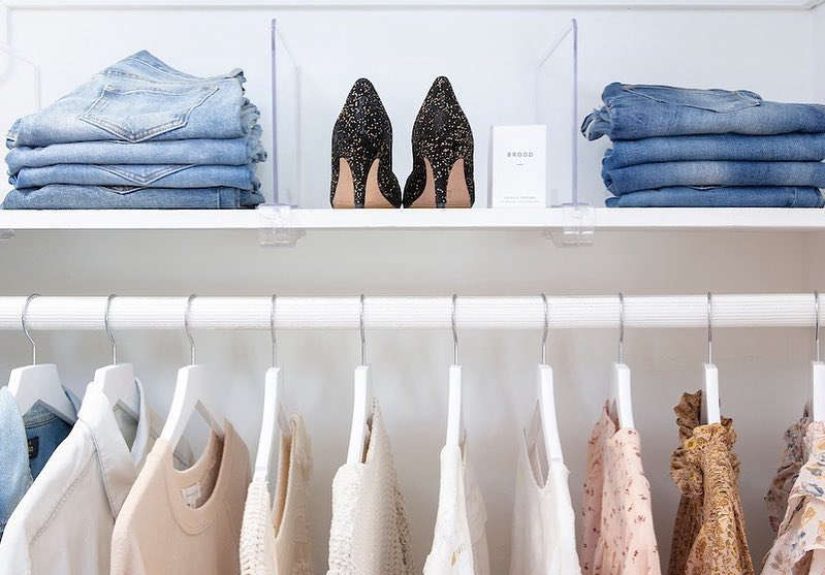
Closet Organization: Build a Wardrobe You Can See
Closets become cluttered when they are asked to store fantasy lives. There is the outfit for the party you never attend, the jeans from a different era, the shoes that hurt but look innocent, and the jacket that might be useful if you suddenly become a lighthouse keeper. A better closet begins with honesty.
Remove everything from one section at a time. Ask whether each item fits, feels good, matches your current lifestyle, and is in wearable condition. Keep clothes that support your real week, not your imaginary calendar. Donate pieces that are still useful but no longer useful to you.
Organize by category first, then color if desired. Keep everyday clothes at eye level. Store seasonal or formal items higher up or farther back. Use matching hangers if you want a cleaner visual effect, but do not let aesthetics become the whole project. A closet with mismatched hangers and clothes you actually wear is better than a beautiful closet full of guilt.
Small Closet Ideas
Small closets benefit from vertical thinking. Add shelf dividers for sweaters, hooks for belts and bags, slim hangers for more hanging space, and over-the-door organizers for shoes or accessories. Use bins on upper shelves for seasonal items, and label them clearly. If your closet has unused wall space, install hooks or a narrow rail. Small spaces work best when every inch has a job.
Bathroom Organization: Reduce the Bottle Population
Bathrooms collect products at a heroic pace. Shampoo, lotion, skincare, makeup, medicine, travel toiletries, hotel soaps, backup toothpaste, and fourteen things you bought because the packaging whispered “new you.” The first step is removing expired, empty, unused, or irritating products.
Keep daily items in the easiest-access zone. Use drawer organizers for makeup, toothbrushes, razors, and skincare. Store backup products separately so they do not crowd the daily routine. Under-sink bins can hold hair tools, cleaning supplies, and extra toiletries. Use stackable drawers if plumbing leaves awkward space.
For shared bathrooms, assign each person a bin or drawer. This reduces arguments and keeps personal products from spreading like ivy. If counter clutter is a problem, use a tray to limit what stays out. A tray creates boundaries, and boundaries are what separate a bathroom from a beauty supply warehouse.
Laundry Room Organization: Stop the Sock Rebellion
Laundry areas do not need to be large to be efficient. They need flow. Create a system for sorting, treating stains, washing, drying, folding, and returning clothes to their homes. The return step is where many systems collapse, usually on a chair, bed, or treadmill that has not seen exercise since 2021.
Use separate hampers for lights, darks, towels, and delicates if your household can maintain it. Keep detergent, stain remover, dryer sheets, mesh bags, and cleaning cloths on a shelf or cart near the machines. Add a small bin for orphan socks. Set a time limit for the orphan sock bin; if a match does not appear after a few weeks, it may be time to let the sock pursue a solo career as a dust cloth.
If space allows, create a folding surface. If not, use a wall-mounted drop-down table or fold clothes immediately in the bedroom where they belong. The shorter the distance between clean laundry and storage, the higher the chance it actually gets put away.
Home Office Organization: Clear Desk, Clearer Decisions
A home office should make work easier, not remind you of every unfinished task in your personal history. Start by removing anything unrelated to work, study, planning, or office supplies. Then sort paperwork into active, reference, archive, and shred categories.
Keep only daily-use items on the desk: computer, notebook, pen cup, lamp, and maybe one personal item. Store extra supplies in drawers or bins. Use cable clips or cord sleeves to reduce visual clutter. A charging station can prevent cords from migrating across the room like electronic vines.
Digital organization matters too. Set up folders for bills, taxes, school, work, medical records, and warranties. Unsubscribe from emails you never read. Scan documents you do not need in paper form. A tidy desk paired with a chaotic inbox is only half a victory.
Living Room Organization: Stylish, Comfortable, and Not a Storage Unit
The living room often serves as the public face of the home. It should feel welcoming, not overly staged. The trick is to combine hidden storage with easy access. Storage ottomans, baskets, media cabinets, side tables with drawers, and built-ins can hold blankets, games, remotes, books, and toys.
Use the “one-motion rule.” If putting something away requires opening a closet, moving a box, lifting a lid, and solving a riddle, it probably will not happen. Baskets are great because they allow fast resets. A large basket for blankets, a smaller one for toys, and a tray for remotes can make the room look organized in under five minutes.
Be selective with decor. Too many small objects can make a clean room feel cluttered. Group decor in odd numbers, vary height, and leave breathing room. Negative space is not wasted space. It is the visual equivalent of taking a deep breath.
Kids’ Spaces: Organization They Can Actually Use
Children’s organization systems should be simple, visible, and forgiving. Clear bins, picture labels, low shelves, and open baskets work better than complicated drawers. If a child has to sort toys into twelve tiny categories, the system may collapse before bedtime.
Create broad categories: blocks, dolls, cars, art supplies, books, dress-up, puzzles, and outdoor toys. Rotate toys if the room feels overloaded. Keep fewer items available and store the rest in a closet or bin. Toy rotation makes old toys feel new and reduces cleanup time.
For school supplies, create a homework station with pencils, scissors, glue, paper, chargers, and folders. A rolling cart works well because it can move to the kitchen table, desk, or wherever homework actually happens. Again, organize for real life, not the fantasy version where children complete assignments quietly in a sunlit study while classical music plays.
Sustainable Organization: Buy Less, Use Better
One of the smartest organization trends is sustainability. Decluttering should not mean sending everything to the landfill and then buying a mountain of new plastic bins. A more thoughtful approach starts with using what you already own. Shoeboxes, jars, baskets, trays, and small boxes can become drawer organizers or pantry containers.
Before buying new storage, measure the space and list what needs to live there. Choose durable materials when possible, such as bamboo, metal, glass, wood, recycled plastic, or washable fabric. Natural textures are popular because they add warmth and blend with home decor. A woven basket can hold clutter while pretending to be charming. That is range.
Donate responsibly, recycle where possible, and avoid using decluttering as an excuse to over-shop. The most organized item is often the one you never bring home. Mindful buying keeps future clutter from entering through the front door wearing a sale tag.
The 15-Minute Reset Method
Large organizing projects are useful, but daily resets keep a home functioning. Set a timer for fifteen minutes and focus on one zone. Clear the kitchen counter, reset the entryway, fold one load of laundry, sort one drawer, or return items to their homes. Stop when the timer ends.
This method works because it lowers resistance. You are not committing to a whole weekend of decluttering. You are giving the house a quick tune-up. Over time, these small resets build momentum and prevent clutter from becoming a full theatrical production.
For families, try a nightly “closing shift.” Everyone spends ten minutes resetting shared spaces. Dishes go to the kitchen, toys return to bins, shoes go to the entryway, papers go to the mail station, and blankets return to baskets. It may not be perfect, but it prevents morning chaos from greeting you with jazz hands.
Room-by-Room Organization Inspiration Checklist
Use this simple checklist when you need a quick starting point:
- Entryway: Add hooks, shoe storage, a key tray, and a mail sorter.
- Kitchen: Clear counters, group zones, organize drawers, and check pantry dates.
- Pantry: Use bins, labels, shelf risers, and a backstock area.
- Closet: Declutter by fit and lifestyle, then organize by category.
- Bathroom: Toss expired products, separate daily items from backups, and use drawer dividers.
- Laundry: Create a sorting system, stain station, folding area, and orphan sock bin.
- Office: Reduce desktop clutter, manage cords, and create paper categories.
- Living Room: Use baskets, trays, storage ottomans, and fewer small decor pieces.
- Kids’ Spaces: Choose open bins, broad categories, picture labels, and toy rotation.
Common Organization Mistakes to Avoid
The first mistake is organizing too much at once. A whole-house overhaul sounds inspiring until every room is covered in piles and you are eating dinner next to donation bags. Start small. Finish one drawer, one shelf, one cabinet, or one corner before moving on.
The second mistake is copying systems that do not match your habits. If you hate decanting cereal into containers, do not build a pantry that requires decanting cereal into containers. If your family will never fold towels into spa-style rolls, stack them normally and live freely. Organization should support your life, not audition for a lifestyle commercial.
The third mistake is keeping too many “just in case” items. A few backups are practical. A closet full of items for imaginary emergencies becomes clutter. Ask yourself: Can I borrow it, rent it, replace it affordably, or live without it? If yes, it may not need permanent storage.
The fourth mistake is ignoring maintenance. Every system needs a reset schedule. Pantry checks, seasonal closet edits, paper sorting, medicine cabinet reviews, and toy rotation are easier when done regularly. Organization is not a one-time event. It is a relationship with your stuff, and like all relationships, it improves with communication and fewer random piles.
Experiences and Real-Life Lessons From Organizing a Home
The most useful organization lessons usually come from real life, not perfect photos. One common experience is discovering that clutter often gathers where decisions are unclear. A stack of papers on the counter may not be about laziness; it may mean there is no simple place for bills, school forms, receipts, and coupons. Once a clear paper system exists, the pile shrinks. The problem was never the paper. The problem was the absence of a decision path.
Another lesson is that convenience beats ambition. Many people begin with a beautiful system that requires too much effort. For example, a family might set up individual labeled baskets for every type of toy, only to find that cleanup takes too long. Switching to fewer, broader bins can make the system less perfect but far more successful. The best organization system is the one people actually use when life gets loud.
Kitchen organization offers another practical example. A household may buy groceries every week but still feel like there is “nothing to eat.” After organizing the pantry, they might discover duplicates, expired items, and hidden ingredients. Creating visible zones for pasta, rice, canned goods, baking supplies, and snacks can change the way the family cooks. Meal planning becomes easier because the inventory is visible. Grocery spending may become more intentional because the pantry stops hiding things like a magician with a carbohydrate problem.
Closets can be surprisingly emotional. Many people keep clothes connected to past versions of themselves: old jobs, old sizes, old hobbies, old events. Decluttering a closet is not just about hangers. It is about deciding what belongs in the present. A helpful experience is to create a “maybe” box. Place uncertain items inside, label it with a date, and store it away. If you do not miss the items after a few months, donating them becomes easier. This method creates emotional distance without forcing an immediate decision.
Entryways teach the power of friction. If shoes are always scattered, the storage may be too hard to use. A basket may work better than a rack. If coats land on chairs, hooks may work better than hangers. If keys vanish, a small tray by the door may solve the daily search party. These small changes prove that organization does not always require more discipline. Sometimes it requires lowering the number of steps between “I am home” and “this item has a place.”
Bathrooms reveal how quickly small items multiply. A drawer full of samples, expired sunscreen, dull razors, and half-used products can make every morning feel cluttered. One real-life strategy is to keep only current daily products in the top drawer or on a tray, then place extras in a backup bin. When the daily toothpaste runs out, shop the backup bin before buying more. This prevents overbuying and makes routines smoother.
Home offices show that visual clutter can quietly drain focus. When the desk holds old notes, unopened mail, chargers, snack wrappers, and three pens that do not work, the brain has to filter all of it before beginning a task. Clearing the desktop to essentials can make work feel less overwhelming. A weekly ten-minute paper review helps prevent the office from becoming an archive of postponed decisions.
The biggest real-life takeaway is that organized homes are not spotless homes. They are homes with recovery systems. Life will always create mess: groceries come in, laundry gets worn, kids make projects, mail arrives, and someone opens a package with the enthusiasm of a raccoon. The difference is whether the home can recover quickly. A basket, a hook, a label, a drawer divider, or a weekly reset can turn chaos into something manageable.
Conclusion: Organization Inspiration That Makes Home Feel Lighter
An organized home is not about owning fewer things than everyone else or arranging your pantry until it looks like a boutique grocery store. It is about creating spaces that support your routines, reduce stress, and make daily life easier. The best organization inspiration begins with observation: Where does clutter collect? What items are used most often? Which systems are too complicated? What can be removed, simplified, grouped, or made more visible?
Start small, choose practical storage, declutter before buying containers, and design systems around real behavior. Focus on high-impact areas first: entryway, kitchen, pantry, bathroom, closet, laundry space, and home office. Use labels where helpful, baskets where speed matters, and clear categories wherever confusion tends to grow. Most importantly, build a home that can reset quickly after real life happens.
Organization is not a personality type. It is a collection of decisions made easier. And once everything has a home, you may finally experience that rare household miracle: finding the scissors on the first try.