Table of Contents >> Show >> Hide
- Who Were Trey Parker and Matt Stone Before South Park?
- What Is Cannibal! The Musical About?
- The Filmmaking Legend in the Middle of the Madness
- Why Stan Brakhage Appeared in Parker and Stone’s Movie
- Stan Brakhage’s Importance to American Film
- How Brakhage’s Spirit Connects to Parker and Stone
- Troma’s Role in Turning the Student Film Into a Cult Object
- Why the Cameo Still Matters
- Specific Examples of Parker and Stone’s Early Style in the Film
- What This Cameo Says About Independent Filmmaking
- Experience Section: Watching the Cameo Today
- Conclusion
Before South Park became a cultural flamethrower, before Broadway audiences were humming along to The Book of Mormon, and before Trey Parker and Matt Stone became the rare comedy duo who could make executives sweat through their blazers, they were college filmmakers with a weird idea, a tiny budget, and a musical about Alferd Packer. That movie was Cannibal! The Musical, a scrappy 1993 black comedy Western that looks like it was held together with duct tape, snow, theater-kid confidence, and the kind of optimism only young filmmakers possess before reality sends them an invoice.
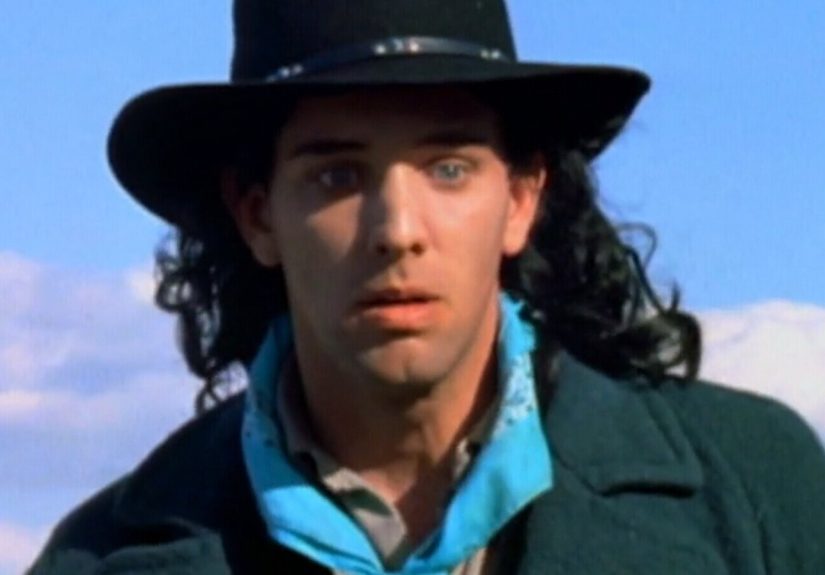
But hidden inside that strange little movie is a fascinating piece of film history: Parker and Stone managed to give legendary experimental filmmaker Stan Brakhage one of his only conventional acting appearances. Brakhage, often described as one of the most important avant-garde filmmakers in American cinema, briefly appears as the father of George Noon, played by Dian Bachar. It is not a large role. It is not a dramatic monologue delivered under a spotlight. It is more like discovering that Picasso once doodled on a restaurant napkin and the napkin somehow ended up in a college comedy about doomed prospectors singing in the mountains.
That unlikely cameo tells us a lot about Parker and Stone’s roots, Brakhage’s influence, and the wonderfully odd ecosystem of independent filmmaking. It also proves that sometimes cinema history does not arrive wearing a tuxedo. Sometimes it arrives in a tiny hat, standing in a low-budget musical, wondering how it got here.
Who Were Trey Parker and Matt Stone Before South Park?
Today, Trey Parker and Matt Stone are best known as the creators of South Park, the long-running animated series that began in 1997 and turned crude paper-cutout-looking animation into one of television’s sharpest satire machines. They later expanded their creative empire with movies such as South Park: Bigger, Longer & Uncut, the puppet action satire Team America: World Police, and the Tony-winning stage musical The Book of Mormon.
But before all that, Parker and Stone met at the University of Colorado Boulder. Parker had a strong background in music and film, while Stone studied art and math. That combination sounds like the setup for a sitcom roommate pairing, but it turned out to be creative dynamite. Together, they started making short films, animated experiments, and eventually their first feature-length project: Cannibal! The Musical.
The movie began as a student project under the title Alferd Packer: The Musical. It was loosely inspired by the historical figure Alferd Packer, a prospector associated with one of the most infamous survival stories in Colorado history. Parker wrote, directed, co-scored, produced, and starred in the film, while Stone acted, produced, and helped shape the production. It was ambitious, absurd, and very much a sign of what was coming: outrageous comedy with real musical craft hiding under the fake mustache.
What Is Cannibal! The Musical About?
Cannibal! The Musical tells its story with the cheerful energy of an old Hollywood musical and the deadpan silliness of a group project that got wildly out of hand. The film follows Alferd Packer, played by Parker under the pseudonym Juan Schwartz, as he recounts a disastrous journey through the Colorado Territory. Instead of treating the subject with grim seriousness, Parker and Stone turn it into a bizarre musical adventure filled with awkward optimism, catchy songs, and frontier slapstick.
The humor is not subtle, but the structure is smarter than it first appears. The film borrows the rhythm of classic American musicals, especially the wholesome “let’s sing through hardship” tone of shows like Oklahoma!, then drops that style into a story where everything keeps going spectacularly wrong. The result is a comedy of contrast. The songs are bright. The journey is bleak. The characters behave as if they are starring in a cheerful stage production even while the universe is clearly refusing to cooperate.
That mix became a Parker-and-Stone trademark. Their later work often uses traditional entertainment formssitcoms, movie musicals, action films, Broadway showstoppersand fills them with blunt satire, chaos, and jokes that arrive wearing muddy boots. Cannibal! The Musical is not as polished as their later projects, but its creative DNA is impossible to miss.
The Filmmaking Legend in the Middle of the Madness
The surprising name in the credits is Stan Brakhage. For casual viewers, his appearance may pass by without much fuss. For film students, experimental cinema fans, or people who own Criterion discs arranged more carefully than their emergency documents, it is a major double take.
Brakhage was not a mainstream actor. He was a towering figure in experimental film, known for challenging nearly every assumption about what cinema could be. His films often moved away from traditional plot, dialogue, and character. Instead, he explored light, color, movement, texture, memory, perception, and the act of seeing itself. Works such as Dog Star Man, Mothlight, Window Water Baby Moving, and The Dante Quartet helped define American avant-garde cinema.
In other words, Brakhage was not the obvious person to cast in a goofy musical Western. He was the kind of filmmaker students watch in a dark classroom while trying to look deeply enlightened, even if they are secretly thinking, “Am I understanding this, or did I skip breakfast?” Yet there he is in Cannibal! The Musical, briefly playing George Noon’s father. It is a small cameo, but it is historically delicious in the non-literal, film-nerd sense.
Why Stan Brakhage Appeared in Parker and Stone’s Movie
The explanation is surprisingly simple: Parker and Stone were students, and Brakhage was connected to the University of Colorado Boulder film world. Brakhage taught there, and Parker and Stone were part of that environment. Student filmmakers often ask professors, friends, relatives, roommates, and anyone standing too close to the camera to appear in their films. Brakhage’s participation fits that tradition perfectly.
Still, the cameo feels bigger because of who Brakhage was. He represented a serious, deeply personal, fiercely independent approach to cinema. Parker and Stone represented a loud, comic, musical, anti-polished form of student filmmaking. On paper, those worlds seem miles apart. In practice, they share something important: a refusal to ask permission.
Brakhage made films that ignored conventional rules because he believed cinema could be a direct expression of vision. Parker and Stone made comedy that ignored polite boundaries because they believed absurdity could expose truth. One artist scratched, painted, and layered images onto film. The other two gave America a cartoon child in an orange parka. The methods are different, but the independent impulse is strangely related.
Stan Brakhage’s Importance to American Film
To understand why this cameo matters, it helps to understand Brakhage’s place in film history. Born in 1933, he became one of the most influential experimental filmmakers of the 20th century. His career stretched across decades and included hundreds of works. Many of his films rejected standard narrative structure entirely, asking viewers to experience cinema as pure seeing rather than as filmed theater or illustrated literature.
His 1961–1964 work Dog Star Man is often discussed as one of his major achievements. It is not a conventional story with a tidy plot and a clean emotional roadmap. It is more like a cosmic poem made of images. Brakhage’s style could include rapid editing, layered exposures, hand-painted film, direct manipulation of celluloid, and imagery that feels closer to dreams, memory, or sensation than to traditional drama.
For many viewers, Brakhage can be challenging. His films do not always explain themselves. They ask for patience, attention, and a willingness to let go of the comforting question, “So what happens next?” But for filmmakers, artists, and scholars, that challenge is exactly the point. Brakhage expanded the language of film by insisting that movies could be personal, abstract, handmade, and radically free.
How Brakhage’s Spirit Connects to Parker and Stone
At first glance, Brakhage and the creators of South Park look like they belong in separate cinematic galaxies. Brakhage is associated with silent experimental imagery and meditations on perception. Parker and Stone are associated with satire, musical profanity, cartoon chaos, and jokes that often arrive like a thrown snowball. Yet both sides share a belief that filmmaking does not need to behave politely.
Brakhage helped prove that cinema could be made outside commercial formulas. Parker and Stone proved that comedy could be smarter, harsher, and more musically sophisticated than its crude surface suggested. Their work is different in tone, but both challenge the idea that art must fit a narrow category to matter.
This is why Brakhage’s appearance in Cannibal! The Musical feels more meaningful than a random cameo. It is a tiny bridge between the avant-garde classroom and the future of American television satire. It shows Parker and Stone before fame, surrounded by a creative community that included serious film thinkers, student collaborators, and independent weirdos willing to make something strange just because it might work.
Troma’s Role in Turning the Student Film Into a Cult Object
Cannibal! The Musical eventually found a home with Troma Entertainment, the famously outrageous independent studio co-founded by Lloyd Kaufman. Troma became known for low-budget, rebellious, proudly tasteless genre films that operated far outside the Hollywood system. In other words, it was not exactly the place where a studio executive says, “Could we make this more brand-safe?” and everyone nods while dying inside.
Kaufman admired Brakhage, which makes the cameo even more interesting. According to Kaufman’s own reflections on Brakhage, the experimental filmmaker had a major influence on his understanding of independent cinema. So when Cannibal! The Musical came into Troma’s orbit, Brakhage’s presence was not just a quirky footnote. It was a badge of artistic weirdness, a signal that this ridiculous musical had roots in a larger tradition of outsider filmmaking.
Troma’s release helped give the film a longer life. Without that cult distribution path, Cannibal! The Musical might have remained a campus legend, whispered about by friends of friends who once saw a VHS copy in someone’s basement. Instead, it became part of the Parker-and-Stone origin story, a movie fans could revisit after South Park made its creators famous.
Why the Cameo Still Matters
Brakhage’s role in Cannibal! The Musical is brief, but its cultural value comes from context. It is not funny simply because a respected artist appears in a silly movie. It is funny because the appearance captures a moment before everything changed. Parker and Stone were not yet television icons. They were young creators testing their voice. Brakhage was already a major figure in film art. The cameo places them all in the same scrappy production universe for a few minutes.
It also reminds us that film history is not only made on red carpets, studio lots, and awards stages. Sometimes it happens in classrooms, student shoots, cheap costumes, and awkward favors. A professor says yes to a cameo. A student film gets finished. A weird independent company distributes it. Years later, people look back and realize the tiny moment was actually a charming collision between two very different branches of American cinema.
Specific Examples of Parker and Stone’s Early Style in the Film
1. The Musical Numbers Are Sillier Than They Look
Parker’s musical talent is already obvious in Cannibal! The Musical. The songs are intentionally goofy, but they are not lazy. They use the bright structure of classic show tunes to make the grim frontier story feel absurdly cheerful. That same trick later powered South Park: Bigger, Longer & Uncut and The Book of Mormon, where polished musical craft makes the jokes land harder.
2. The Movie Loves Bad Ideas Taken Seriously
A major Parker-and-Stone comedy principle is treating ridiculous concepts with total commitment. Cannibal! The Musical does this constantly. Instead of winking at the audience every two seconds, the film lets characters behave as though their musical misadventure is perfectly normal. That seriousness is what makes the absurdity work.
3. The Low Budget Becomes Part of the Charm
The film does not hide its rough edges. The locations, costumes, and performances have a homemade quality that gives the movie its cult personality. Instead of feeling like a failure of resources, the cheapness becomes part of the joke. It says, “Yes, this is handmade. Please enjoy the snow and emotional instability.”
What This Cameo Says About Independent Filmmaking
The story of Brakhage in Cannibal! The Musical is also a lesson in independent filmmaking. Great creative moments often come from proximity. Parker and Stone were near Brakhage because they were students in Boulder. They were making a film with limited resources, so they reached into the world around them. That is how independent movies get built: not by waiting for perfect conditions, but by using whoever is available, whatever location is open, and whichever friend owns a jacket that looks vaguely historical.
This is why the cameo still feels inspiring. It shows that a student film can become more than an assignment. It can become an archive of creative relationships. It can capture the early spark of future careers. It can preserve a rare performance by a filmmaker who mostly lived behind the camera, reshaping cinema from the inside out.
Experience Section: Watching the Cameo Today
Watching Cannibal! The Musical today is a strange and enjoyable experience, especially if you already know what Parker and Stone later became. The movie feels like opening a time capsule and finding a rubber chicken, a student ID, and a surprisingly well-written song inside. You can see the roughness everywhere, but you can also see the confidence. Parker and Stone had not yet mastered the entire machine, but they already understood rhythm, contrast, and how to make comedy feel bigger than its budget.
The Brakhage cameo adds a special layer for viewers who love film history. On a first viewing, someone might simply notice an older man playing a small role and move on. But once you know it is Stan Brakhage, the scene changes. It becomes an inside joke between cinema worlds. Here is a filmmaker whose work belongs in museums, archives, film courses, and serious essays, stepping into a goofy college musical made by future comedy legends. It is like seeing a legendary jazz musician casually join a garage band for one song because the drummer asked nicely.
That experience can also change how you think about artistic influence. Influence is not always direct. Parker and Stone did not become experimental filmmakers in the Brakhage mold. They did not abandon narrative, paint directly on film, or make silent meditations on visual perception. But they did absorb something from being around a serious film culture: the courage to make personal work without waiting for permission. Brakhage’s cinema said that film could be whatever the filmmaker needed it to be. Parker and Stone’s comedy, in its own rowdy way, says the same thing.
For young filmmakers, writers, or content creators, that may be the most useful lesson. You do not need a perfect production setup to make something memorable. Cannibal! The Musical was not born from a luxury studio pipeline. It came from students, friends, improvised solutions, and a willingness to look ridiculous in pursuit of a finished movie. The fact that it includes Stan Brakhage only makes the story better. It reminds us that creative communities are often messy, generous, and unpredictable.
There is also a viewing pleasure in noticing how much Parker and Stone’s later voice is already present. The cheerful songs undercutting uncomfortable subject matter, the fascination with American myths, the mix of innocence and bad behavior, the refusal to treat “good taste” as a sacred objectall of it is there. The movie may wobble, but it wobbles in the direction of a future style.
In that sense, Brakhage’s cameo is more than trivia. It is a symbol of the beautiful accident of art-making. A student film became a cult movie. A cameo became a film-history footnote. Two college creators became major American satirists. And one experimental legend, who spent his life expanding the possibilities of cinema, briefly appeared in a musical comedy where the mountains are cold, the songs are cheerful, and good judgment has clearly gone out for lunch.
Conclusion
Trey Parker and Matt Stone giving Stan Brakhage a role in Cannibal! The Musical remains one of the strangest and most delightful pieces of their origin story. The cameo is tiny, but the context is huge. It connects the future creators of South Park with one of American cinema’s most influential experimental artists. It also captures the spirit of independent filmmaking: make the movie, ask your teacher to appear, sing through the disaster, and hope somebody understands the joke later.
Brakhage’s appearance works because it is so unlikely. He was not chasing Hollywood acting jobs. Parker and Stone were not yet comedy royalty. The film itself was not designed to become a polished mainstream product. Yet the combination created a memorable little spark in movie history. It is funny, odd, and oddly touchinga reminder that cinema’s best stories often happen when serious art and ridiculous ambition share the same frame.
Note: This article is written in original wording for web publishing and is based on verified public film-history information. No external source links or unnecessary citation placeholders are inserted in the article body.