Table of Contents >> Show >> Hide
- What Is Trichotillomania?
- Common Symptoms of Trichotillomania
- What Causes Trichotillomania?
- Who Gets Trichotillomania?
- How Trichotillomania Is Diagnosed
- Possible Complications
- Best Treatments for Trichotillomania
- Helpful Coping Strategies at Home
- When to Seek Professional Help
- Living With Trichotillomania: Real Experiences and Practical Lessons
- Conclusion
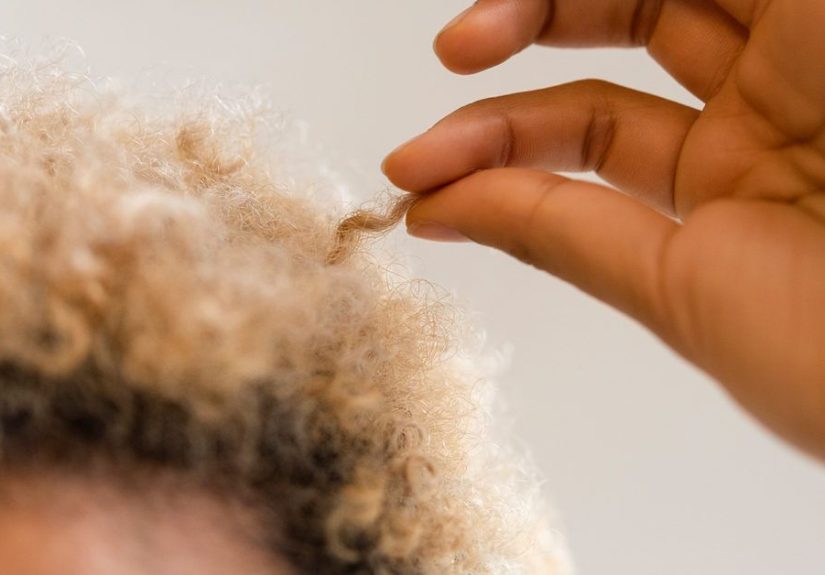
Trichotillomania, also known as hair-pulling disorder, is a mental health condition that causes repeated urges to pull out hair from the scalp, eyebrows, eyelashes, beard area, arms, legs, or other parts of the body. For some people, the pulling feels automatic, almost like the hand has its own tiny steering wheel. For others, it is intentional and linked to tension, stress, boredom, or the strangely satisfying feeling of removing a certain hair.
Although the word “trichotillomania” sounds like a spelling bee villain, the condition itself is very real. It can lead to visible hair loss, skin irritation, emotional distress, shame, and social avoidance. The good news is that trichotillomania is treatable. Many people learn to reduce hair pulling, manage urges, protect hair regrowth, and rebuild confidence with the right support.
What Is Trichotillomania?
Trichotillomania is classified as an obsessive-compulsive and related disorder. That does not mean it is exactly the same as obsessive-compulsive disorder, but it shares a family tree with conditions involving repetitive behaviors that feel hard to control. It is also considered a type of body-focused repetitive behavior, or BFRB, along with skin picking, nail biting, and cheek biting.
A person with trichotillomania repeatedly pulls out their own hair, usually despite trying to stop. The behavior causes hair loss and may interfere with daily life, school, work, relationships, or self-esteem. Some people pull hair while watching TV, studying, scrolling on a phone, lying in bed, or sitting in traffic. Others notice urges during stress, anxiety, frustration, or moments when they feel overstimulated.
Trichotillomania is not vanity, laziness, attention-seeking, or “just a bad habit.” It is a recognized mental health condition. Telling someone to “just stop pulling” is about as useful as telling a thunderstorm to “try being less wet.” Support, skill-building, and treatment work much better than criticism.
Common Symptoms of Trichotillomania
The main symptom of trichotillomania is repeated hair pulling that results in noticeable or hidden hair loss. The scalp is a common area, but people may also pull from eyelashes, eyebrows, facial hair, body hair, or multiple areas at different times.
Physical Signs
Physical symptoms may include patchy hair loss, uneven hair length, broken hairs, thinning areas, bald spots, irritated skin, redness, tenderness, or repeated touching and searching for certain hairs. Some people prefer hairs with a specific texture, thickness, curl, or root sensation. Others may pull without paying attention until they later notice hair on clothing, bedding, the desk, or the floor.
Emotional and Behavioral Signs
Emotionally, trichotillomania often comes with embarrassment, guilt, frustration, and anxiety about being noticed. A person may wear hats, scarves, wigs, false eyelashes, eyebrow makeup, long sleeves, or certain hairstyles to hide the effects. They may avoid swimming, sleepovers, haircuts, bright lighting, dating, photos, or windy weatherthe sworn enemy of carefully arranged bangs.
Some people feel tension before pulling and relief afterward. Others do not notice a clear emotional pattern. Pulling can be “focused,” meaning the person is aware of the urge and chooses to pull, or “automatic,” meaning it happens outside full awareness. Many people experience both types.
What Causes Trichotillomania?
There is no single cause of trichotillomania. Researchers believe it develops from a mix of biological, psychological, genetic, and environmental factors. In plain English: the brain, body, emotions, habits, and life stressors may all pile into the same tiny car and drive the behavior forward.
Brain and Habit Loops
Trichotillomania may involve brain circuits related to impulse control, reward, emotion regulation, and habit formation. Pulling can become linked with a feeling of relief or satisfaction, which teaches the brain to repeat the behavior. Over time, the habit loop becomes stronger: trigger, urge, pulling, temporary relief, repeat.
Stress, Anxiety, and Boredom
Stress does not “cause” every case, but it can make hair pulling worse. People may pull during exams, family conflict, deadlines, loneliness, fatigue, or long periods of boredom. Boredom is sneaky because it does not feel dramatic. Nobody writes a movie trailer that says, “In a world where nothing happens, one hand reaches for an eyebrow.” But boredom can be a powerful trigger.
Genetics and Family Patterns
Some people with trichotillomania have relatives with similar body-focused repetitive behaviors, anxiety, OCD, or related conditions. This does not mean a person is destined to develop trichotillomania, but genetics may increase vulnerability.
Age and Development
Trichotillomania often begins in childhood or adolescence. Younger children may pull hair more automatically, while teens and adults may experience stronger shame, secrecy, or emotional triggers. Early support can reduce distress and prevent the behavior from becoming more deeply established.
Who Gets Trichotillomania?
Trichotillomania can affect children, teenagers, and adults of any gender. Older studies often suggested it was more common in women, but newer research indicates that rates may be more similar across genders than previously believed. One reason the numbers are hard to pin down is that many people hide symptoms for years. Hair pulling can feel private, confusing, and embarrassing, so people may not mention it even to doctors.
The condition can occur by itself or alongside anxiety, depression, OCD, ADHD, skin picking, nail biting, or other mental health concerns. Having more than one issue does not mean someone is “broken.” It means the treatment plan should look at the whole person, not just the hair.
How Trichotillomania Is Diagnosed
Diagnosis usually starts with a conversation and sometimes a physical exam. A healthcare provider, mental health professional, or dermatologist may ask about where the hair pulling happens, how often it occurs, what triggers it, whether the person has tried to stop, and how much distress it causes.
A provider may also rule out other causes of hair loss, such as alopecia areata, fungal infections, thyroid conditions, medication side effects, nutritional deficiencies, or hair breakage from styling practices. This step matters because not every bald patch equals trichotillomania. Hair loss is a mystery novel, and the clinician needs to find the right suspect before planning treatment.
Trichotillomania is generally diagnosed when recurrent hair pulling leads to hair loss, the person has made repeated attempts to decrease or stop, the behavior causes distress or impairment, and the symptoms are not better explained by another medical or mental health condition.
Possible Complications
Trichotillomania can affect more than appearance. Hair loss may lead to social anxiety, bullying, low self-esteem, or avoiding activities. Repeated pulling may irritate the skin or damage hair follicles. In some cases, hair may grow back normally when pulling stops; in others, long-term pulling can affect regrowth.
Some people also bite, chew, or swallow pulled hair. This can be medically serious because swallowed hair may collect in the digestive system. Anyone who swallows hair and develops stomach pain, nausea, vomiting, constipation, unexplained weight loss, or appetite changes should seek medical care promptly.
Best Treatments for Trichotillomania
Treatment works best when it is practical, compassionate, and personalized. The goal is not to shame the person into stopping. Shame usually makes trichotillomania pack a suitcase and move in permanently. The goal is to understand the behavior and build better tools.
Habit Reversal Training
Habit reversal training, often called HRT, is one of the most widely recommended treatments for trichotillomania. It teaches people to notice pulling triggers, recognize early warning signs, and use a competing response instead of pulling. For example, a person might clench their fist, hold a textured object, sit on their hands briefly, use a fidget tool, or place their hands flat on their thighs until the urge passes.
HRT is not magic, but it is powerful when practiced consistently. It turns an invisible habit into something the person can track, interrupt, and change.
Cognitive Behavioral Therapy
Cognitive behavioral therapy, or CBT, helps people identify thoughts, feelings, situations, and patterns linked to pulling. It may target perfectionism, anxiety, self-criticism, shame, or avoidance. A therapist may help the person replace “I ruined my progress” with “I had a setback, and I can reset.” That shift sounds small, but it can change the whole recovery process.
Comprehensive Behavioral Treatment
Comprehensive Behavioral Treatment, often called ComB, looks at different trigger categories: sensory, cognitive, emotional, motor, and environmental. In other words, it asks: Is the pulling driven by how the hair feels? By thoughts? By emotions? By hand movement? By the room, lighting, mirror, tweezers, bedtime routine, or phone scrolling?
ComB is useful because trichotillomania does not look the same for everyone. One person may pull while anxious before school; another may pull while relaxed and watching a show. Same behavior, different engine.
Acceptance and Commitment Therapy
Acceptance and Commitment Therapy, or ACT, may help people notice urges without automatically obeying them. Instead of fighting the urge like it is a monster in a video game, ACT teaches people to observe it, make room for discomfort, and choose behavior based on values. For example, “I feel the urge to pull, and I also want to protect my eyebrows because confidence matters to me.”
Medication Options
No medication is guaranteed to cure trichotillomania, and medication decisions should always be made with a qualified healthcare professional. Some clinicians may consider medications or supplements for certain people, especially when anxiety, depression, OCD symptoms, or severe urges are also present. Options that have been studied include certain antidepressants, clomipramine, N-acetylcysteine, and other medications, but results vary. Behavioral therapy remains a central treatment approach.
Helpful Coping Strategies at Home
Home strategies are not a replacement for professional care, but they can support recovery. The best strategies make pulling harder, awareness easier, and self-kindness louder.
Track Patterns Without Judging Yourself
Write down when pulling happens, where you are, what you are feeling, and what your hands are doing. The point is not to create a courtroom drama starring you as the villain. The point is to collect clues.
Create Speed Bumps
Speed bumps can include wearing bandages on fingertips, using gloves during high-risk times, keeping tweezers out of reach, covering mirrors, tying hair back, wearing a hat at home, or using fidget objects. These tools do not “solve” trichotillomania, but they create a pause between urge and action.
Practice Competing Responses
Try squeezing a stress ball, folding hands, knitting, doodling, using putty, rubbing lotion into hands, or holding an ice-cold drink. The replacement should be safe, easy, and available during your most common pulling times.
Reduce Shame
Tell one trusted person if you can. Shame thrives in silence. Support does not have to mean a giant announcement with balloons and a microphone. It can be as simple as saying, “I’m dealing with hair pulling, and I’m working on it.”
When to Seek Professional Help
Consider professional help if hair pulling causes visible hair loss, emotional distress, skin irritation, avoidance of social situations, conflict at home, problems at school or work, or repeated failed attempts to stop. A dermatologist can assess hair and skin health. A therapist trained in CBT, HRT, or BFRBs can help build a treatment plan. A psychiatrist or medical provider may help if medication is being considered.
For children and teens, parents should focus on calm support rather than punishment. Scolding, teasing, or constant monitoring can increase stress and secrecy. A better approach is curiosity: “When does it happen most?” “What makes the urge stronger?” “What can we change about the environment?”
Living With Trichotillomania: Real Experiences and Practical Lessons
People who live with trichotillomania often describe recovery as a series of small experiments rather than one dramatic breakthrough. One person may realize that most pulling happens during homework, especially when reading difficult assignments. Another may notice it happens in the bathroom mirror, where “just checking one eyebrow” turns into twenty minutes of searching for the perfect hair to pull. Someone else may pull while falling asleep and wake up upset, wondering why willpower did not work while they were half-dreaming about pancakes.
A common experience is the “I’ll stop tomorrow” cycle. After a pulling episode, a person may feel guilty and promise to quit completely. The next day, stress appears, the hand moves automatically, and the cycle repeats. This can feel discouraging, but it also reveals an important truth: trichotillomania is not simply a motivation problem. Most people are already motivated. What they need is a system that works when urges show up.
Many people find that awareness is the first real turning point. At first, they may only notice pulling after it happens. Later, they notice their hand rising toward their hair. Eventually, they notice earlier signals: tension in the shoulders, scanning for a rough hair, leaning close to the mirror, or zoning out during screen time. That earlier awareness creates a precious pause. In that pause, a new choice becomes possible.
Another lived lesson is that setbacks are not failure. Someone may go a week without pulling and then have a difficult night. The old reaction is, “I ruined everything.” A healthier reaction is, “Something triggered me. What can I learn?” Maybe the person skipped meals, slept poorly, felt lonely, or studied for three hours without a break. The setback becomes information, not a verdict.
Support also matters. People with trichotillomania often fear judgment, but many are surprised by how relieved they feel after telling a trusted friend, parent, partner, therapist, or support group. The right person will not stare at your eyebrows like a detective inspecting a crime scene. They will listen, encourage treatment, and help you remember that you are more than a behavior.
Some practical routines can make daily life easier. Keep fidget tools where pulling usually happens: next to the bed, by the couch, in the backpack, near the desk, or in the car. Use soft lighting in mirror-heavy spaces. Make a “high-risk time” plan for studying, watching shows, or scrolling. Take hand breaks. Wear hairstyles or coverings that reduce access without making you feel punished. Celebrate tiny wins, such as noticing an urge, delaying pulling for one minute, or choosing a competing response once.
The biggest lesson from real-life recovery is this: progress is not always smooth, but it is still progress. Trichotillomania can be stubborn, but people are stubborn tooin the best way. With treatment, patience, and practical tools, many people reduce pulling, protect regrowth, and feel less controlled by urges. Recovery is not about becoming perfect. It is about becoming prepared.
Conclusion
Trichotillomania is a real, treatable mental health condition that involves repeated hair pulling and difficulty stopping. It can affect confidence, appearance, relationships, and emotional well-being, but it is not a character flaw. The most effective path usually combines education, trigger awareness, behavioral therapy, supportive routines, and professional guidance when needed.
If you or someone you care about is dealing with hair-pulling disorder, start with compassion. Then add skills. Then add support. That combination is much stronger than shameand far better for your hairline.