Table of Contents >> Show >> Hide
- Quick Navigation
- Why This Duo Works (Without Pretending It’s Wizardry)
- Mood Support: The Brain-Inflammation Connection
- Pain Relief: Inside-Out and Outside-In
- Lower Inflammation: What’s Actually Happening Under the Hood
- How to Use Turmeric and Cayenne (Food, Supplements, Topical)
- Safety, Interactions, and Who Should Tap the Brakes
- Simple Recipes and Routines That Don’t Taste Like Regret
- Experiences: What People Commonly Notice (and How They Make It Work)
- Conclusion: Spicy, Sensible, and Surprisingly Useful
If your spice rack had a “most likely to improve your day” award, turmeric and cayenne would be fighting over the trophy
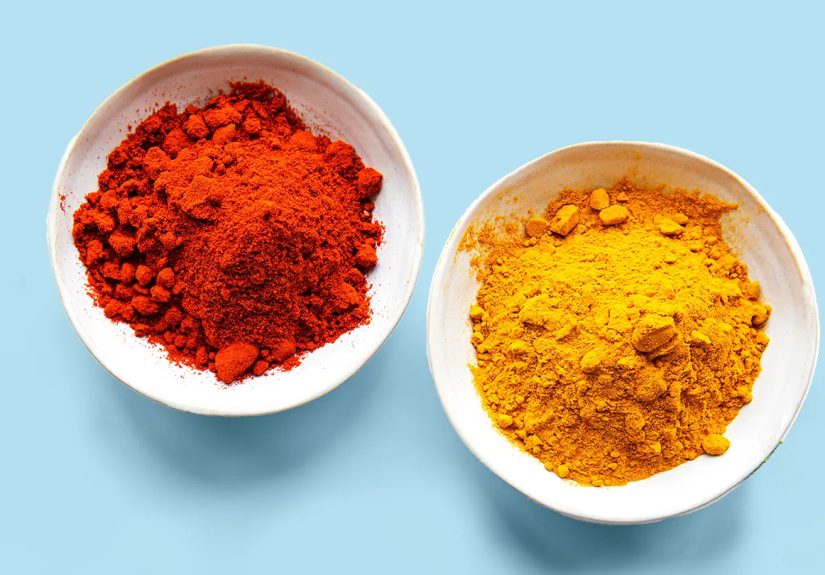
(and accidentally turning it neon yellow). One is earthy, golden, and famously clingy to cutting boards. The other is
a tiny red dare in powder form. Together? They’re a surprisingly practical duo for people who want to feel better
without turning their wellness routine into a second job.
Let’s be clear: turmeric and cayenne aren’t magical cure wands. But research and clinical use suggest they can support
three big goals that most of us care about: steadier mood, less everyday aches, and a calmer inflammatory load. The
trick is knowing what they can do, what they can’t, and how to use them in ways your body won’t hate you for.
Quick Navigation
- Why this duo works (without pretending it’s wizardry)
- Mood support: the brain-inflammation connection
- Pain relief: inside-out and outside-in
- Inflammation: what’s actually happening under the hood
- How to use turmeric and cayenne (food, supplements, topical)
- Safety, interactions, and who should tap the brakes
- Simple recipes and routines that don’t taste like regret
- Experiences and real-life routines people swear by
- Conclusion + SEO JSON
Why This Duo Works (Without Pretending It’s Wizardry)
Turmeric’s main claim to fame is curcumin, a bright-yellow compound studied for its antioxidant and
anti-inflammatory properties. Cayenne’s superstar is capsaicin, the molecule that makes chili peppers
feel like a small, enthusiastic dragon moved into your mouth (or your skin, if you use it topically).
Here’s the interesting overlap: both spices interact with pathways involved in pain signaling and inflammatory
chemistry. Turmeric tends to work more like a “turn down the volume” assistant for inflammatory messaging. Capsaicin,
meanwhile, is famous for “confusing” pain signalsespecially when applied to the skinso the discomfort you notice can
fade over time.
But waitcan spices really affect mood?
Potentially, yesindirectly and modestly. Mood is influenced by sleep, stress load, gut comfort, pain, movement, and
inflammation. When inflammation and pain are better managed, people often feel more like themselves. Also, spicy food
can trigger a short-term “feel good” response in some people (your body sometimes answers heat with calming chemicals,
because it’s dramatic like that).
Mood Support: The Brain-Inflammation Connection
The “mood and inflammation” conversation isn’t just a social-media trendscientists have been exploring how chronic
inflammation may interact with neurotransmitters, stress hormones, and the gut-brain axis. That doesn’t mean
inflammation causes depression in a simple way. It does mean that for some people, lowering inflammatory load
may support emotional resilience alongside the big essentials: therapy, sleep, movement, connection, and (when needed)
medication.
Turmeric (curcumin) and depressive symptoms
Multiple clinical trials and meta-analyses have looked at curcumin for depressive symptoms, often as an add-on to
standard care. The overall picture: curcumin appears safe for many people in studied doses and may
provide a modest benefit for mood in certain groupsespecially when taken consistently for several
weeks. It’s not a replacement for proven treatments, but it may be a helpful “support player.”
Why might it help? Researchers propose several mechanisms, including antioxidant activity, calming inflammatory
signaling, and potential effects on neurochemical pathways. Translation: curcumin may help reduce some of the “static”
that can make the brain feel like it’s buffering on bad Wi-Fi.
Cayenne and the “spicy happiness” effect
Capsaicin activates a receptor involved in heat and pain perception (TRPV1). Your body may interpret spicy heat as a
small stressor, then respond by releasing chemicals linked to pain relief and stress reduction. Some people report a
brief mood lift after spicy mealsothers just report sweating and existential reflection.
The mood angle isn’t about cayenne “treating depression.” It’s more about the downstream benefits: more comfortable
movement, less pain distraction, andif you tolerate spice wella small psychological perk from a sensory “wake up.”
Pain Relief: Inside-Out and Outside-In
Pain is personal. What feels like a mild annoyance to one person can be a full-time job to another. Turmeric and
cayenne are best thought of as tools for mild-to-moderate discomfort or as complementary supports for
people working with clinicians on chronic pain.
Turmeric for joint discomfort and soreness
Curcumin has been studied in osteoarthritis and other joint issues, with research suggesting it may help reduce pain
and improve function in some people. In practical terms, many folks use turmeric as part of an anti-inflammatory diet
pattern: lots of colorful plants, quality protein, fiber, and healthy fats.
One useful approach: pair turmeric with habits that already reduce pain sensitivitystrength training, walking, sleep
regularity, stress management, and maintaining a healthy weight. Turmeric isn’t the whole plan; it’s the seasoning on
top of the plan.
Cayenne for topical, targeted pain relief
Capsaicin is especially known for topical use: creams, lotions, and patches designed to reduce certain types of pain.
Clinically, topical capsaicin is used for nerve pain (like postherpetic neuralgia) and also for minor muscle/joint
pain. If you’ve ever tried it, you already know the first rule: wash your hands. The second rule:
don’t touch your eyes. The third rule: yes, it will feel warmno, that doesn’t mean it’s “burning your
nerves off.”
The way it’s often explained: capsaicin creates a warming sensation and can reduce pain signaling over time. Some
people feel relief after consistent use, while others decide they’d rather be mildly sore than voluntarily spicy.
Lower Inflammation: What’s Actually Happening Under the Hood
“Inflammation” is not inherently bad. You need it to heal cuts, fight infection, and recover from training. The goal
is avoiding chronic, unnecessary inflammationthe kind linked with long-term metabolic and
cardiovascular stress.
Turmeric: the calm-down signal
Curcumin has been studied for its ability to influence inflammatory pathways and oxidative stress. In human studies,
turmeric/curcumin shows promise in areas like knee osteoarthritis, and researchers continue exploring broader impacts.
The biggest practical takeaway for everyday life: turmeric can be part of a dietary pattern that supports a healthier
inflammatory balance.
Cayenne: the “signal modifier”
Capsaicin’s anti-inflammatory story is connected to its interaction with sensory receptors and downstream signaling.
While much of its strongest practical application is topical pain relief, people also use cayenne in food as part of a
metabolism- and heart-friendly eating styleespecially when it replaces ultra-sugary sauces or heavy processed
condiments.
Bonus: spicy food can slow you down and make meals more satisfying. When you eat mindfully, you’re less likely to
inhale half a bag of chips like you’re competing in an Olympic event.
How to Use Turmeric and Cayenne (Food, Supplements, Topical)
1) In food (the simplest, most affordable method)
For most people, starting in the kitchen is the safest and easiest way. You’ll get flavor, phytonutrients, and the
psychological win of doing something good for yourself that doesn’t require a subscription.
- Turmeric: add 1/4 to 1 teaspoon to soups, scrambled eggs, rice, roasted veggies, marinades, or smoothies.
- Cayenne: start tiny (think: a pinch), then adjust. Add to chili, tacos, roasted sweet potatoes, or hot chocolate if you’re brave.
2) Improve turmeric absorption (because curcumin is picky)
Curcumin is not easily absorbed. In real life, that means turmeric sprinkled on food is healthybut may not deliver
the concentrated curcumin amounts used in some clinical trials. Absorption can be improved by:
- Eating turmeric with fat (olive oil, avocado, yogurt, eggs, coconut milk).
- Combining with black pepper (piperine is widely used to boost bioavailability).
- Using standardized extracts when supplements are appropriate (and medically safe for you).
3) Supplements (only if you’re choosing them intentionally)
Supplements can be useful when someone is targeting a specific outcome (like joint comfort) and prefers a consistent,
studied dose. But supplements also bring the “grown-up paperwork” of safety checks: interactions, quality control, and
choosing brands that are third-party tested.
Many experts suggest curcumin extracts (not just turmeric powder) for arthritis-focused goals, often around the
ballpark of studied doses. If you take medications or have medical conditions, talk to a clinician before starting,
especially if you use blood thinners or have gallbladder issues.
4) Topical capsaicin (for pain you can point to with a finger)
If your discomfort is localizedlike a sore joint or a specific nerve pain areatopical capsaicin can be a practical
option. Follow label directions carefully. Expect warmth. Some people feel strong burning at first, which often
decreases with consistent use.
Pro tips that save regret:
- Use a small amount the first time.
- Wash hands thoroughly after applying (or use gloves).
- Avoid eyes, nose, and any broken skin. (Yes, this includes “that tiny scratch.”)
- Don’t combine with heating pads unless the product says it’s safe.
Safety, Interactions, and Who Should Tap the Brakes
The internet loves to shout “natural = safe.” Nature would like a word. Both turmeric and cayenne are generally safe
in culinary amounts for most people, but supplements and concentrated topical products can change the risk profile.
Turmeric and curcumin: common cautions
- GI effects: nausea, reflux, upset stomach, diarrhea, constipationespecially at higher doses.
- Medication interactions: turmeric/curcumin may increase bleeding risk in some contexts and may interact with certain medications.
- Pregnancy and breastfeeding: high-dose supplements are generally not recommended without medical guidance.
- Quality matters: not all supplements are created equal, and some enhanced formulations have been linked to rare adverse events.
Cayenne/capsaicin: common cautions
- Heartburn and irritation: if you’re prone to reflux, cayenne may feel like a personal attack.
- Skin sensitivity: topical capsaicin can burn or irritatefollow directions and avoid damaged skin.
- Kids and sensitive populations: use caution; product safety varies by age and condition.
If you’re managing chronic conditions, take multiple medications, or are pregnant, your “spice strategy” should be
personalized. That’s not gatekeepingit’s just how biology works.
Simple Recipes and Routines That Don’t Taste Like Regret
Golden-savory soup booster
Stir into soup or broth: 1/2 teaspoon turmeric + pinch of cayenne + black pepper + a drizzle of olive oil. It adds
warmth, color, and a “I totally have my life together” vibe.
Anti-inflammatory egg scramble
Sauté spinach or peppers, add eggs, then season with turmeric, black pepper, and a tiny pinch of cayenne. Pair with
avocado for healthy fat. Breakfast that supports your joints and your schedule.
Workout recovery rice bowl
Brown rice or quinoa + salmon or tofu + roasted veggies + turmeric-lime yogurt sauce (yogurt, turmeric, lime, salt,
pepper). Add cayenne if you like heat. This hits protein, fiber, and fatsyour inflammation-fighting trifecta.
“Don’t call it a cleanse” cacao drink
Warm milk (or soy/oat) + cocoa + cinnamon + tiny pinch of cayenne. Optional: 1/4 teaspoon turmeric if you enjoy the
flavor. It’s cozy, it’s spicy, and it makes you feel like the protagonist of a winter novel.
Experiences: What People Commonly Notice (and How They Make It Work)
Below are common patterns reported by people who consistently use turmeric and cayenne in real life. These aren’t
medical claims or guaranteesmore like “here’s what tends to happen when normal humans try to be consistent for more
than three days.”
1) The “I just want to move without creaking” crowd. People with stiff knees, achy hands, or
post-workout soreness often start with turmeric in food, then (if needed) consider a curcumin supplement after
discussing it with a clinician. The most common experience is not a dramatic overnight fixit’s a gradual “huh, I
didn’t think about my joints as much today.” Many say the difference becomes noticeable after a few weeks of
consistency, especially when turmeric is paired with walking, strength work, and better sleep.
2) The “my mood is fine, I’m just… crispy” crowd. Some people don’t describe themselves as depressed,
but they feel stressed, mentally foggy, or emotionally brittlelike their patience battery is permanently at 14%.
When these folks add anti-inflammatory habits (more fiber, fewer ultra-processed foods, consistent movement) and
include turmeric regularly, they often describe a subtle improvement in steadiness. Not euphoriamore like fewer
“why am I annoyed by air?” moments. If pain decreases at the same time, mood often improves as a side effect of not
being constantly distracted by discomfort.
3) The cayenne “thermostat reset” experience. People who enjoy spicy food often report that a small
amount of cayenne makes meals feel more satisfying, which can reduce snacking driven by boredom. Some also describe a
short-term mood lift after spicy mealslikely because the sensory intensity forces you into the present moment
(nothing says “mindfulness” like a sudden realization that your tongue has feelings). The key is dosage: a pinch can
feel energizing; too much can feel like a personal betrayal.
4) Topical capsaicin: the “it burns… then it works” story. Among people trying capsaicin creams for
localized pain, the most common early report is “Is this supposed to feel like this?” followed by “Oh, okay, it’s
calming down.” Many find the first week is the hardest. Those who benefit often say relief is best with consistent
application as directed, not random use when pain spikes. Practical lessons show up fast: wash hands, don’t apply
after a hot shower, and keep it far away from eyes, nose, and any area you’d describe as “delicate.”
5) The kitchen-confidence effect. A sneaky benefit of this duo is behavioral: when people find
two go-to spices that make healthy food taste better, they cook more. That often means fewer takeout meals, more fiber
and protein, and less sugar-and-salt whiplash. Over time, that can reduce inflammation more than any single
supplement ever could. The spices are the gateway; the consistent pattern is the real win.
6) The “my stomach filed a complaint” experience. Not everyone tolerates turmeric supplements or
spicy foods well. Some people get reflux, nausea, or stomach upsetespecially with higher-dose curcumin or too much
cayenne. A common workaround is scaling back to culinary amounts, using turmeric in cooked meals (often easier on the
stomach than raw drinks), and choosing gentler heat (like smoked paprika with a pinch of cayenne). People with GERD
often do better with turmeric in savory dishes and very minimal cayenneor none at all.
7) “I tried it for three days and nothing happened.” This is the most universal human experience.
Spices, like strength training and flossing, are not a cinematic montage. The people who report benefits tend to
follow a boring-but-effective formula: consistent use for weeks, reasonable dosing, and pairing with fundamentals
(sleep, movement, protein, fiber). If you’re looking for a fast, dramatic shift, the closest you’ll get is turmeric
staining your favorite shirt in under four seconds.
Conclusion: Spicy, Sensible, and Surprisingly Useful
Turmeric and cayenne work best when you treat them like what they are: evidence-informed spices that
may support mood, pain comfort, and inflammatory balanceespecially when you use them consistently and intelligently.
Turmeric (curcumin) has the stronger research story for inflammation and joint discomfort, while cayenne (capsaicin)
shines for topical pain relief and, for spice-lovers, a small “wake up” effect that can make healthy eating more
enjoyable.
Keep it simple: start in food, go slow, and pay attention to your body. If you move into supplements or topical
products, treat them like real interventionscheck interactions, choose quality, follow directions, and loop in a
clinician if you have health conditions or take medications. Your goal isn’t to eat like a fire-breathing golden
dragon. Your goal is to feel better in a way you can actually maintain.