Table of Contents >> Show >> Hide
- Why This Marinade Works (Without a Food Science Lecture)
- Recipe Overview
- Ingredients
- Step-by-Step Instructions
- Cooking Method A: Grill (Best Smoky Flavor)
- Cooking Method B: Oven-Baked (Easiest Weeknight Option)
- Cooking Method C: Stovetop Sear (Fast + Crispy Edges)
- Cooking Method D: Air Fryer (Quick + Surprisingly Juicy)
- Food Safety Notes (Important, But Not Scary)
- Cut-by-Cut Tips
- Serving Ideas (So Dinner Doesn’t Feel Like “Chicken Again”)
- Quick Sauce Options
- Meal Prep and Storage
- Common Problems (And How to Fix Them)
- FAQ
- Real-Kitchen Experiences: What This Recipe Feels Like (An Extra 500-ish Words)
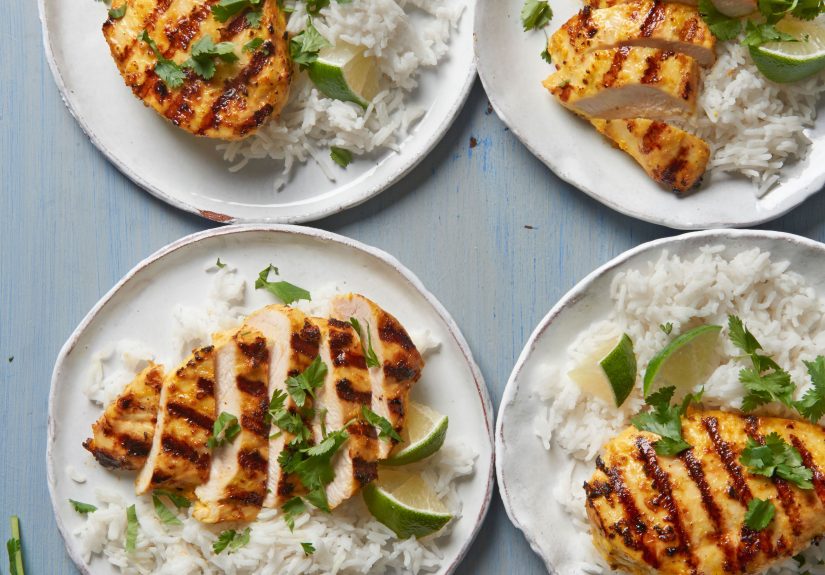
If your weeknight dinners have been feeling a little… beige, this turmeric-ginger marinated chicken recipe is here to fix that. It’s sunny-yellow, warm-and-zippy, and smells like you actually planned your life (even if you definitely did not). The marinade is built for real humans: it works whether you’re grilling, baking, pan-searing, or air-fryingand it’s forgiving if you eyeball the spices like a confident auntie.
Turmeric brings earthy depth and that “wow, what IS that?” color. Ginger adds brightness and a gentle bite. Garlic shows up because garlic always shows up. And a yogurt base (optional but strongly encouraged) helps the flavor cling and keeps the chicken juicy. The result: chicken that tastes like you paid attention.
Why This Marinade Works (Without a Food Science Lecture)
Great marinades do three jobs: season, tenderize (a little), and help browning. This one does all three:
- Salt seasons the meat more deeply and helps it stay juicy.
- Yogurt (lactic acid) is gentler than straight vinegar or heavy citrus, so the chicken stays tender instead of turning weirdly mealy.
- A touch of honey or brown sugar encourages caramelization, especially on the grill or in a hot oven.
- Oil carries fat-soluble flavors and helps everything coat evenly.
- Turmeric + ginger + garlic create a bold, aromatic “golden” profile that plays well with rice, salads, wraps, and meal prep.
Recipe Overview
Best for: boneless thighs, drumsticks, or chicken breasts (see cut-specific tips below)
Marinade time: 30 minutes minimum; 4–12 hours is ideal; overnight is fantastic (especially with yogurt)
Cook to: 165°F internal temperature for safety
Ingredients
For the Chicken
- 2 pounds chicken thighs (boneless/skinless) or drumsticks (see variations)
For the Turmeric-Ginger Marinade
- 3/4 cup plain yogurt (whole milk or Greek) (or see dairy-free option below)
- 2 tablespoons freshly grated ginger (or 1 tablespoon ginger paste)
- 4 garlic cloves, finely grated or pressed
- 1 1/2 tablespoons ground turmeric
- 1 teaspoon ground cumin
- 1 teaspoon ground coriander
- 1 teaspoon smoked paprika (optional, but delicious)
- 1 1/2 teaspoons kosher salt
- 1/2 teaspoon black pepper
- 1 tablespoon honey or brown sugar
- 2 tablespoons olive oil (or avocado oil)
- Zest of 1 lemon + 1 tablespoon lemon juice (optional, for extra brightness)
- Pinch of cayenne or red pepper flakes (optional, for heat)
Dairy-Free Marinade Option
Swap the yogurt for 1/2 cup full-fat coconut milk plus 1 tablespoon extra oil. The flavor shifts slightly tropical (in a good way), and the turmeric still shines.
Step-by-Step Instructions
1) Make the Marinade
- In a bowl, whisk together yogurt, ginger, garlic, turmeric, cumin, coriander, paprika, salt, pepper, honey, oil, and optional lemon zest/juice.
- Taste it. It should be bold and slightly saltybecause it’s seasoning two pounds of chicken, not a single sad bite.
2) Marinate the Chicken
- Add chicken to a zip-top bag or a bowl. Pour in the marinade and toss until thoroughly coated.
- Cover and refrigerate at least 30 minutes. For best flavor, marinate 4–12 hours (overnight is excellent).
- When ready to cook, let the chicken sit at room temperature for 10–15 minutes while you preheat your grill/oven/pan. (Don’t leave it out foreverthis is chicken, not a houseplant.)
3) Choose Your Cooking Method
Cooking Method A: Grill (Best Smoky Flavor)
Ideal for: thighs, drumsticks, skewers
- Preheat grill to medium-high heat. Oil the grates.
- Shake off excess marinade (a thin coat is good; thick globs can scorch).
- Grill thighs 5–7 minutes per side (depending on thickness), or drumsticks 20–30 minutes total, turning occasionally. Use a thermometer and cook to 165°F.
- Rest 5 minutes before slicing so the juices don’t sprint out of the chicken like they’re late for a meeting.
Cooking Method B: Oven-Baked (Easiest Weeknight Option)
Ideal for: thighs, drumsticks, breasts
- Heat oven to 425°F. Line a sheet pan with foil for easy cleanup (turmeric stains are committed).
- Place chicken on a rack over the pan if you have one; otherwise, place directly on the lined pan.
- Bake boneless thighs 18–24 minutes; drumsticks 35–45 minutes; breasts 18–22 minutes (timing varies by size).
- Optional: broil 1–2 minutes at the end for extra browning, watching closely.
- Rest 5 minutes. Slice and serve.
Cooking Method C: Stovetop Sear (Fast + Crispy Edges)
Ideal for: boneless thighs or thin breasts
- Heat a large skillet over medium-high heat. Add a slick of oil.
- Add chicken in a single layer (don’t crowd; crowded chicken steams and gets sad).
- Sear 4–6 minutes per side for thighs (or until 165°F), adjusting heat to prevent burning.
- Rest 5 minutes, then slice.
Cooking Method D: Air Fryer (Quick + Surprisingly Juicy)
Ideal for: boneless thighs, bite-size pieces
- Preheat air fryer to 380°F if your model recommends it.
- Arrange chicken in a single layer. Cook 10–14 minutes, flipping halfway, until 165°F.
- Rest 3–5 minutes before serving.
Food Safety Notes (Important, But Not Scary)
- Always marinate chicken in the refrigerator, not on the counter.
- Don’t wash raw chicken; it can spread germs around your sink and counters.
- If you want to use leftover marinade as a sauce, boil it first. Otherwise, discard anything that touched raw chicken.
- Keep raw chicken and its juices away from ready-to-eat foods (salads, fruit, your innocent sandwich, etc.).
Cut-by-Cut Tips
Chicken Thighs
Thighs are the “can’t mess it up” cut. They stay juicy, take bold spices well, and reheat like champions. If you’re meal prepping, thighs are the best friend you didn’t know you needed.
Chicken Breasts
Breasts are leaner, so they benefit from either (1) yogurt in the marinade and/or (2) pounding to an even thickness. If you tend to overcook chicken, a thermometer will change your life more than any motivational quote ever could.
Drumsticks or Bone-In Pieces
Bone-in chicken takes longer but rewards you with deeper flavor. Add a few extra minutes and use a thermometer near the thickest part. Bonus: it looks impressive, like you hosted a barbecue on purpose.
Serving Ideas (So Dinner Doesn’t Feel Like “Chicken Again”)
- Rice bowl: jasmine rice + cucumber + herbs + a drizzle of yogurt sauce.
- Wraps: warm pita or tortillas + shredded lettuce + pickled onions + sliced chicken.
- Salad upgrade: chopped romaine + tomatoes + avocado + citrus vinaigrette.
- Roasted veggies: sheet-pan carrots, cauliflower, or sweet potatoes alongside the chicken.
- “Fancy” plate: chicken + lemony greens + toasted nuts. People will think you’re thriving.
Quick Sauce Options
1) Lemon-Garlic Yogurt Drizzle
- 1/2 cup yogurt
- 1 tablespoon lemon juice
- 1 small garlic clove, grated
- Pinch of salt
- Optional: chopped cilantro or mint
Stir together and spoon over hot chicken. It’s bright, creamy, and makes everything feel intentional.
2) Honey-Lime Glaze (Fast + Sticky)
In a small pan, simmer 2 tablespoons honey, 1 tablespoon lime juice, and a pinch of salt for 1–2 minutes. Brush on cooked chicken right before serving.
Meal Prep and Storage
- Cooked chicken: cool, then refrigerate in an airtight container. Use within 3–4 days for best quality.
- Freezing: freeze cooked sliced chicken up to 2–3 months. Thaw in the refrigerator.
- Reheating: warm gently (microwave at 60–70% power or a covered skillet) to avoid drying it out.
Common Problems (And How to Fix Them)
“My chicken tastes bland.”
Two likely culprits: not enough salt or not enough time. Don’t be shy with seasoning, and aim for at least 4 hours when you can. Also: make sure the chicken is fully coatedmarinade can’t flavor what it can’t touch.
“It burned on the outside before cooking through.”
Excess marinade can scorch, and sugar can caramelize quickly. Shake off heavy coating, lower the heat slightly, and finish in the oven if needed.
“The turmeric stained my cutting board / shirt / soul.”
Welcome to the Golden Era. Use glass or stainless bowls when possible, line pans, and consider wearing an apron you don’t emotionally depend on.
FAQ
How long should I marinate turmeric-ginger chicken?
Minimum 30 minutes for surface flavor. Ideal is 4–12 hours for deeper seasoning. Overnight is great, especially with yogurt. If your marinade is heavy on lemon/vinegar, keep it shorter to avoid soft texture.
Can I make this spicy?
Absolutely. Add cayenne, red pepper flakes, or a spoonful of chili paste. You can also serve with hot sauce or sliced jalapeños.
Can I use fresh turmeric?
Yesgrate about 1 tablespoon fresh turmeric (and maybe wear gloves, unless you enjoy having “mystery yellow fingertips” for two days). Fresh turmeric is potent and slightly more peppery.
Can I use the marinade as sauce?
Only if you boil it first. Otherwise, discard it. Food safety rules are not the place to freestyle.
Real-Kitchen Experiences: What This Recipe Feels Like (An Extra 500-ish Words)
The first time most people make turmeric-ginger marinated chicken, the immediate reaction is, “Wait… why does my kitchen smell like a restaurant that has its life together?” Turmeric warms the air with an earthy, slightly peppery aroma, while ginger brings that bright, almost citrusy zing that makes everything feel fresh. Even before cooking, the marinade looks like edible sunshine. It’s hard not to feel a tiny bit proud, like you just unlocked a new adulting badge.
Then comes the practical reality: turmeric is a beautiful ingredient with a mischievous side. It will try to tint whatever it touches. If you marinate in a plastic container, it may leave a golden souvenir. If you drip it on a white towel, that towel is now “golden accent decor.” The good news is that most home cooks solve this instantly by switching to glass bowls, stainless steel, or zip-top bagsand by accepting that the turmeric has chosen them as its next art project. (Pro tip: if you’re using a bag, place it on a plate anywaybecause gravity loves drama.)
Flavor-wise, this recipe is a crowd-pleaser because it hits multiple notes at once. The chicken tastes savory and deeply seasoned, but not heavy. The ginger keeps it lively. Garlic makes it comforting. And if you include a touch of honey or brown sugar, the edges caramelize into those slightly sticky, browned bits that people “accidentally” pick at while you’re trying to plate dinner. If you grill it, you also get that smoky char that plays perfectly with the warm spicessuddenly it’s not just chicken, it’s grilled chicken with opinions.
This marinade is also one of those rare recipes that behaves well in real schedules. If you remember to marinate at lunch, dinner tastes like you planned ahead. If you forget and only do 30 minutes, it’s still goodjust more “bright and surface-y” than deeply infused. And if you marinate overnight, the next day feels like a cheat code: the chicken cooks up juicy, flavorful, and surprisingly forgiving even if your heat control is not perfect.
People often discover their favorite way to serve it through repetition. One week it’s rice bowls with cucumbers and herbs. The next week it’s tucked into wraps with crunchy lettuce and a drizzle of lemony yogurt sauce. Later it becomes “that chicken” you slice cold for salads, because it stays tasty even after refrigeration. It’s the kind of recipe that quietly upgrades your routine: it’s easy enough for a Tuesday, interesting enough for guests, and reliable enough that you stop staring into the fridge like it personally betrayed you.
And perhaps the most relatable experience of all: you’ll probably tell yourself you’re making extra for leftovers. Then the chicken comes off the heat, you taste “just one piece,” and suddenly your leftover plan has been revised by your stomach. That’s not failure. That’s proof the recipe works.