Table of Contents >> Show >> Hide
- Why This Tuscan Bean Soup Works
- Ingredients for Tuscan Bean Soup
- How to Make Tuscan Bean Soup
- Tips for the Best Tuscan White Bean Soup
- Recipe Variations
- What to Serve With Tuscan Bean Soup
- Storage, Freezing, and Reheating
- Common Mistakes to Avoid
- Experience Notes: What Cooking Tuscan Bean Soup Teaches You
- Conclusion
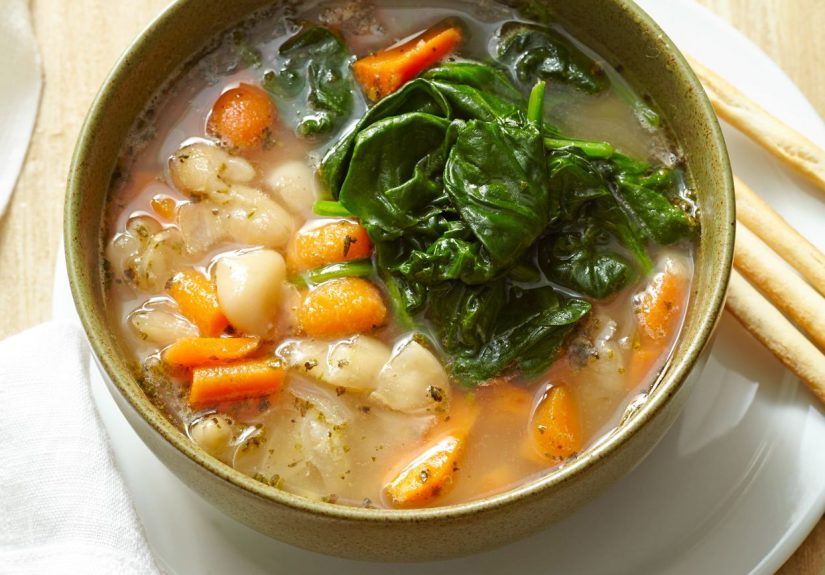
Some soups politely sit in a bowl. Tuscan bean soup practically pulls up a chair, throws a cozy blanket over your shoulders, and says, “Relax, I brought bread.” This rustic Italian-inspired soup is hearty without being heavy, simple without being boring, and budget-friendly without tasting like you raided the back of the pantry during a snowstorm.
At its heart, a great Tuscan bean soup recipe is built from humble ingredients: creamy cannellini beans, aromatic vegetables, garlic, herbs, olive oil, broth, leafy greens, and a little acidity to wake everything up. The magic comes from technique. You soften the vegetables slowly, season in layers, simmer just long enough for the flavors to mingle, then mash or blend some of the beans so the broth becomes silky without a drop of cream.
This version is designed for real kitchens and real weeknights. You can make it vegetarian, add pancetta or sausage, use canned beans, start with dried beans, toss in kale, spinach, or Swiss chard, and still end up with a bowl that tastes like it has been simmering under the Tuscan suneven if you are actually cooking in sweatpants while answering emails.
Why This Tuscan Bean Soup Works
The best Tuscan white bean soup balances five things: creaminess, savoriness, freshness, aroma, and texture. Cannellini beans bring a tender, buttery body. Onion, carrot, and celery form a classic aromatic base. Garlic, rosemary, thyme, bay leaf, and Parmesan rind add depth. Kale or spinach makes the soup feel nourishing and colorful. A squeeze of lemon at the end keeps it from tasting flat.
Unlike cream-based soups, this one gets its cozy texture from the beans themselves. When some of the cannellini beans are mashed into the broth, they create a naturally thick, velvety consistency. It is the soup equivalent of wearing thick socks: comforting, practical, and quietly brilliant.
Ingredients for Tuscan Bean Soup
Main Ingredients
- 2 tablespoons extra-virgin olive oil
- 1 medium yellow onion, diced
- 2 medium carrots, diced
- 2 celery stalks, diced
- 4 garlic cloves, minced
- 1 tablespoon tomato paste
- 1 teaspoon dried Italian seasoning
- 1 teaspoon chopped fresh rosemary or 1/2 teaspoon dried rosemary
- 1/2 teaspoon dried thyme
- 1/4 teaspoon red pepper flakes, optional
- 3 cans cannellini beans, drained and rinsed, divided
- 4 cups vegetable broth or chicken broth
- 1 can diced tomatoes, with juices
- 1 Parmesan rind, optional but highly recommended
- 1 bay leaf
- 3 cups chopped kale, spinach, or Swiss chard
- 1 tablespoon lemon juice, plus more to taste
- Salt and black pepper, to taste
- Grated Parmesan, for serving
- Crusty bread, for dipping and dramatic soup enjoyment
Optional Add-Ins
For a meatier Tuscan bean soup, add diced pancetta, bacon, or Italian sausage before sautéing the vegetables. For a vegan Tuscan bean soup, skip the Parmesan rind and finish with nutritional yeast, extra olive oil, or a spoonful of dairy-free pesto. If you want more body, add diced potatoes, farro, or small pasta. Just remember: pasta keeps absorbing broth, because apparently it has no boundaries.
How to Make Tuscan Bean Soup
Step 1: Build the Flavor Base
Heat the olive oil in a large Dutch oven or heavy soup pot over medium heat. Add the onion, carrots, and celery. Cook for 7 to 9 minutes, stirring occasionally, until the vegetables soften and the onion becomes translucent. Do not rush this step. The soup is watching, and it knows.
Add the garlic and cook for 30 seconds to 1 minute, just until fragrant. Stir in the tomato paste, Italian seasoning, rosemary, thyme, and red pepper flakes. Cook for another minute, letting the tomato paste darken slightly. This quick toasting step gives the soup a richer, more savory flavor.
Step 2: Add the Beans, Tomatoes, and Broth
Add two cans of cannellini beans, diced tomatoes with their juices, broth, Parmesan rind, and bay leaf. Stir well and bring the soup to a gentle boil. Reduce the heat and simmer uncovered for 20 to 25 minutes. The vegetables should be tender, the broth should smell incredible, and anyone walking through the kitchen should suddenly become “just curious” about dinner.
Step 3: Make It Creamy Without Cream
Remove about 2 cups of the soup and blend it until smooth, then stir it back into the pot. You can also use an immersion blender and pulse just a few times directly in the pot. Do not blend the whole thing unless you want bean puree with ambition. The goal is creamy broth with plenty of whole beans and vegetables still visible.
Add the remaining can of beans after blending. This gives the soup a better texture because some beans become creamy while others stay tender and whole.
Step 4: Stir in the Greens
Add the chopped kale and simmer for 5 to 8 minutes, until tender. If using spinach, add it during the last 1 to 2 minutes because spinach wilts faster than your motivation to wash extra dishes. Remove the bay leaf and Parmesan rind before serving.
Step 5: Finish Bright
Stir in the lemon juice. Taste and adjust with salt, black pepper, more lemon, or a drizzle of olive oil. This final adjustment matters. Beans are mild, so they need enough seasoning to come alive. A little acid at the end makes the soup taste cleaner, fresher, and more balanced.
Tips for the Best Tuscan White Bean Soup
Use Cannellini Beans for Classic Creaminess
Cannellini beans are traditional in many Italian-style white bean soups because they are creamy, tender, and mild. Great Northern beans also work well, though they are slightly smaller. Navy beans can be used in a pinch, but the texture will be a little different.
Do Not Skip the Aromatics
Onion, carrot, and celery may look humble, but they are the backbone of the soup. When cooked slowly in olive oil, they give the broth sweetness and depth. Garlic joins later because burned garlic tastes like regret in tiny chopped form.
Add a Parmesan Rind
A Parmesan rind is one of the easiest ways to add savory flavor to soup. It will not melt completely, but it releases salty, nutty depth as the soup simmers. Store leftover rinds in the freezer and toss one into soups, stews, and sauces whenever you want extra richness.
Balance the Soup With Lemon
Tuscan bean soup is earthy and hearty, which means it benefits from brightness. Lemon juice at the end cuts through the richness and makes the beans, greens, and herbs taste more vivid. Start with one tablespoon, then add more if needed.
Control the Thickness
If the soup is too thick, add more broth or water. If it is too thin, simmer it uncovered for a few extra minutes or mash more beans against the side of the pot. The perfect texture is personal. Some people like it brothy; others want a spoon to stand up and salute.
Recipe Variations
Vegetarian Tuscan Bean Soup
Use vegetable broth and skip meat completely. Add a Parmesan rind if you eat dairy, or use nutritional yeast for a vegan-friendly savory boost. A swirl of olive oil at the end gives the soup a luxurious finish.
Tuscan Bean Soup With Sausage
Brown 8 ounces of Italian sausage before adding the onion, carrot, and celery. Use mild sausage for a family-friendly version or spicy sausage if you want the soup to arrive wearing sunglasses.
Ribollita-Inspired Tuscan Soup
Ribollita is a famous Tuscan bread soup traditionally made with vegetables, beans, and leftover bread. To create a ribollita-inspired version, stir torn pieces of day-old bread into the soup near the end, then simmer until thick. The bread absorbs the broth and turns the soup into a rustic, spoonable meal.
Tomato-Free White Bean Soup
If you prefer a lighter, creamier white bean soup, skip the diced tomatoes and increase the broth by 1 cup. Add extra rosemary, thyme, and lemon for a brighter flavor profile.
What to Serve With Tuscan Bean Soup
This soup loves bread. Crusty sourdough, garlic toast, focaccia, or a toasted baguette all work beautifully. If you want a fuller meal, serve it with a simple green salad, roasted vegetables, grilled chicken, or a small antipasto plate with olives, roasted peppers, and cheese.
For a cozy dinner, ladle the soup into wide bowls, top with Parmesan, drizzle with olive oil, and add cracked black pepper. Place bread on the side and watch everyone become very quiet for several minutes. That is the sound of dinner success.
Storage, Freezing, and Reheating
Let the soup cool, then store it in airtight containers in the refrigerator for 3 to 4 days. For longer storage, freeze it for up to 3 months for best quality. Bean soups freeze well, especially when they do not contain cream or pasta.
When reheating, warm the soup gently on the stovetop over medium-low heat. Add a splash of broth or water if it has thickened in the fridge. If reheating in the microwave, cover loosely and stir halfway through so the heat distributes evenly.
If you plan to freeze the soup, consider leaving out delicate greens and adding them fresh when reheating. Kale holds up better than spinach, but both taste fresher when added near serving time.
Common Mistakes to Avoid
Underseasoning the Beans
Beans need salt, herbs, fat, and acidity to shine. Taste the soup at the end and adjust carefully. A flat soup often does not need a total personality makeover; it usually needs salt and lemon.
Boiling Too Hard
A gentle simmer is best. Hard boiling can break down the beans too aggressively and make the vegetables mushy. Tuscan bean soup should feel rustic, not like it lost a wrestling match.
Adding Greens Too Early
Kale can handle simmering for several minutes, but spinach should be added at the end. Overcooked greens lose their color and fresh flavor.
Forgetting the Finish
The final drizzle of olive oil, sprinkle of Parmesan, and squeeze of lemon are not decorations. They add richness, aroma, and balance. Think of them as the soup’s closing argument.
Experience Notes: What Cooking Tuscan Bean Soup Teaches You
There is something deeply satisfying about making Tuscan bean soup because it rewards patience without demanding perfection. You do not need fancy equipment, expensive ingredients, or culinary school confidence. You need a pot, a spoon, and the ability to not panic when your kitchen smells so good that people start hovering.
The first lesson is that simple food can be surprisingly layered. Onion, carrot, and celery may not look exciting on the cutting board, but once they soften in olive oil, they become the quiet foundation of the whole dish. Add garlic and herbs, and suddenly the room changes. This is the part of cooking that feels almost unfairly magical. You did not do anything complicated, yet the soup already smells like you know secrets.
The second lesson is texture. A thin bean soup can taste fine, but a partially blended bean soup tastes intentional. Blending just a portion gives the broth body while keeping the soup rustic. It is the difference between “beans in liquid” and “please hand me another piece of bread immediately.” If you have ever wondered how restaurants make simple soups feel rich without adding cream, this is the trick.
The third lesson is flexibility. Tuscan bean soup forgives substitutions. No kale? Use spinach. No cannellini beans? Use Great Northern beans. No Parmesan rind? Add extra herbs, nutritional yeast, or a splash of good olive oil. Want heat? Add red pepper flakes. Want more protein? Add sausage or shredded chicken. Want it vegan? Use vegetable broth and skip the cheese. The soup does not throw a tantrum. It adapts.
This recipe is also a great reminder that leftovers can be a gift. The soup thickens overnight as the beans absorb the broth, and the flavors become deeper. The next day, you can loosen it with broth and enjoy it as soup again, or simmer it down until it becomes more stew-like. Spoon it over toasted bread and you have a completely different meal. That is not leftovers; that is meal planning wearing a cape.
Another enjoyable part of this recipe is how it fits different moods. On a cold evening, it feels like comfort food. On a busy weekday, it feels practical. After a weekend of too much takeout, it feels like a responsible life choice that still tastes good. It is hearty enough for dinner but not so heavy that you need to schedule a nap afterward.
Cooking Tuscan bean soup also teaches you to taste as you go. The difference between a good bowl and a great bowl often comes down to the last two minutes. Add salt. Add pepper. Add lemon. Add olive oil. Taste again. The soup will tell you what it needs, although sadly not in words, because that would be both helpful and terrifying.
Finally, this is a recipe worth repeating because it becomes personal. After making it once, you may decide you like more rosemary, fewer tomatoes, extra kale, or a thicker texture. That is the beauty of rustic cooking. The recipe gives you a reliable path, but your preferences give it character. Eventually, you will stop measuring every detail and start cooking by feel. That is when Tuscan bean soup becomes part of your kitchen routinethe dependable, cozy meal you can make when you want something nourishing, affordable, and genuinely delicious.
Conclusion
A great Tuscan bean soup recipe proves that comfort food does not need to be complicated. With creamy cannellini beans, aromatic vegetables, garlic, herbs, greens, and a bright finish of lemon, this soup delivers rich flavor from everyday ingredients. It is flexible enough for vegetarians, easy enough for weeknights, and satisfying enough to serve as a full meal with nothing more than crusty bread and a generous sprinkle of Parmesan.
Whether you keep it classic, make it vegan, add sausage, or turn it into a ribollita-inspired bread soup, this recipe belongs in your regular dinner rotation. It is cozy, practical, deeply flavorful, and exactly the kind of meal that makes the whole kitchen smell like a good decision.
![18 Best Types of Charts and Graphs for Data Visualization [+ How to Choose]](https://corkopencoffee.org/wp-content/uploads/2026/05/18-best-types-of-charts-and-graphs-for-data-visualization-how-to-choose-qKM1PBYG-thumb.jpg)