Table of Contents >> Show >> Hide
- What Twitter Actually Added to Android
- Why This Small Update Was Actually a Big Deal
- Where the Feature Still Fell Short
- How It Compared With Other Messaging Apps
- What This Said About Twitter’s Product Strategy
- What Happened Next
- Practical Ways People Used DM Search on Android
- Experience: What It Felt Like When Twitter DM Search Came to Android
- Conclusion
For years, Twitter direct messages had one very specific talent: hiding the exact conversation you needed at the exact moment you needed it. A recruiter’s note? Buried. A customer complaint? Gone fishing somewhere in 2019. That clever pitch you sent to a brand at 1:14 a.m.? Lost in the digital attic next to old memes and one suspicious “hey” from a stranger with a crypto avatar.
That is why Twitter’s decision to add DM search capability to Android was a bigger deal than it may have sounded at first glance. On paper, it was a modest feature update. In practice, it fixed one of the most annoying parts of using Twitter as a messaging tool on mobile. The rollout also highlighted something longtime users already knew: Twitter’s DMs had become far more important than the company sometimes seemed willing to admit.
Historically, Twitter treated direct messages like the side door to the party. The public timeline got the spotlight, the algorithm got the drama, and DMs quietly became the place where journalists traded tips, creators pitched partnerships, customer service teams handled problems, and normal people tried to remember who promised to send them that restaurant name three summers ago. Android users, however, had been lagging behind iPhone users for nearly two years when it came to DM search. So when Twitter finally brought the feature over, it felt late, useful, and just a little bit overdue.
What Twitter Actually Added to Android
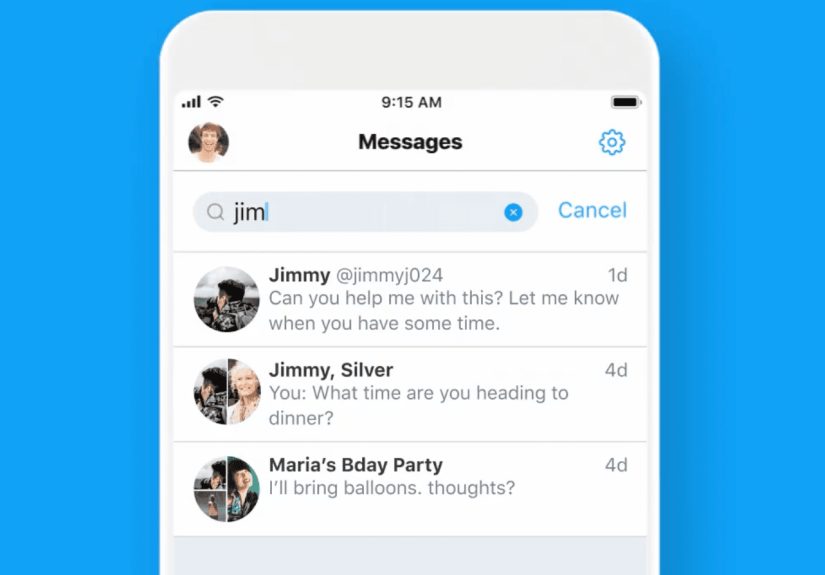
The Android rollout gave users a search bar inside the Direct Messages inbox, making it easier to locate conversations without endlessly scrolling. That alone made the app more practical, especially for people who treat Twitter DMs like a weird cross between email, texting, and networking roulette.
Searching names, not message text
There was, however, a catch. At launch on Android, the search tool did not behave like full message search in apps such as iMessage, Messenger, or WhatsApp. It mostly helped users search by the name of a person or group chat, not by the actual content of the messages. In other words, if you remembered who you talked to, great. If you only remembered that someone once messaged you about “tickets,” “launch day,” or “that taco place,” you were still out of luck.
That limitation mattered because memory rarely works in a nice, searchable spreadsheet. Most people remember fragments. A topic. A joke. A keyword. A half-baked plan. Twitter’s first Android version of DM search solved the “Who did I talk to?” problem better than the “What did we talk about?” problem.
Older conversations, finally
Still, the Android version was more than a simple copy-and-paste from the earlier iOS release. Twitter described it as an improved version that could search older conversations, not just the most recent ones. That made the feature immediately more practical. For users with years of DM history, this was the difference between a decorative search bar and a genuinely helpful one.
Think about the average active Twitter user. Over time, DMs become a messy archive of collaborations, support requests, article tips, event invites, side conversations, and random networking notes. Searching only recent chats would be like building a library and then unlocking one shelf. Searching older conversations finally made the feature feel like a tool instead of a teaser.
Why This Small Update Was Actually a Big Deal
On social platforms, tiny usability changes can have outsized effects. A better inbox is not glamorous, but it changes how people use a platform every day. Twitter’s Android DM search mattered because private messaging had quietly become one of the service’s most useful layers.
DMs had become Twitter’s back office
Public tweets are the noisy front stage. DMs are the folding table backstage where actual work gets done. Reporters use DMs to follow up with sources. Freelancers use them to pitch editors. Customer service teams use them to move sensitive conversations out of public threads. Small brands use them to confirm orders, coordinate collaborations, or respond to complaints. Friends use them to send screenshots they absolutely do not want on the main timeline, where strangers can turn every minor opinion into a Roman coliseum.
Once you understand DMs as functional infrastructure, search becomes essential. Without it, the inbox feels temporary even when it is technically permanent. With it, the inbox starts acting more like a real communication archive.
Android users were playing catch-up
The update also mattered because Android users had been waiting. Twitter introduced DM search to iOS in 2019, which meant Android users spent a long stretch watching the other mobile platform get a convenience they did not have. This is the kind of product gap that makes users feel like second-class citizens, even when the feature sounds minor in a press release.
And let’s be honest: Android users notice this stuff. Nothing stings quite like learning a simple, sensible feature has existed elsewhere for nearly two years while you are still excavating your inbox with your thumb like an archaeologist in a notification trench.
Where the Feature Still Fell Short
As useful as the Android rollout was, it did not instantly turn Twitter DMs into a best-in-class messaging experience. The biggest weakness was obvious: no full keyword search inside message content at launch. That left Twitter a step behind dedicated chat apps and even behind user expectations.
Search is only as powerful as the questions it can answer. “Who did I talk to?” is helpful. “Where is that conversation about the event venue?” is better. “Show me every DM where someone mentioned ‘invoice’ or ‘meeting link’” is where search becomes truly valuable. Twitter was not there yet.
The platform also had a broader reputation problem. Users often liked Twitter for discovery and live conversation, but not necessarily for polished messaging. The DM product had improved over time, yet it still felt like a feature inside a social network rather than a messaging system designed from the ground up to compete with the heavyweights.
How It Compared With Other Messaging Apps
By the time Twitter brought DM search to Android, users had already been trained by other apps to expect more. Apple’s Messages, Facebook Messenger, and WhatsApp had made people comfortable with the idea that old chats should be searchable, retrievable, and not locked behind endless scrolling. Search had become basic plumbing.
That comparison is important because users do not judge apps in isolation. They judge them against whatever they opened five minutes earlier. If your inbox on one platform can search by keywords, attachments, names, and dates, then a platform that only finds usernames feels undercooked.
Twitter’s Android update closed part of that gap, but not all of it. It solved the most visible pain point while revealing the next obvious improvement. In classic tech fashion, the feature inspired both relief and impatience. Progress, yes. Perfection, not exactly.
What This Said About Twitter’s Product Strategy
Twitter’s rollout said something larger about the company’s product habits. The platform often moved in bursts: test a feature, roll it out unevenly, refine it later, and let users fill in the gaps with a mix of hope and sarcasm. DM search on Android fit that pattern. It arrived late, arrived useful, and arrived with a promise that something better was still coming.
That strategy is not unusual in social media, where public experimentation is part of the culture. But it can create friction when a feature has already crossed the line from “nice to have” into “why on earth is this missing?” Searching old private conversations is not some moonshot innovation. It is table stakes for any messaging experience people rely on for real communication.
At the same time, the update suggested Twitter understood how central DMs had become. The company was investing in making the inbox more usable, and that hinted at a broader recognition that private interactions were not just a side effect of the public platform. They were part of the product’s core value.
What Happened Next
In the most predictable twist possible, Twitter did not fully deliver on content search “later that year.” The more advanced search upgrade arrived in 2022 instead. When it did, users could finally search DM content by keywords, not just names. That was the version people had really wanted all along.
The later upgrade made the earlier Android rollout easier to appreciate in hindsight. The 2021 feature was the bridge. It fixed discoverability at the conversation level, then the 2022 improvement made DMs behave more like a searchable knowledge base. Together, those steps turned Twitter’s inbox from a semi-organized pile into something much closer to a usable archive.
In other words, the Android rollout was not the finish line. It was the moment Twitter admitted the race existed.
Practical Ways People Used DM Search on Android
For everyday users, the benefits were simple and immediate. You could pull up an old conversation with a friend instead of scrolling through months of newer threads. You could find a group chat you had ignored by accident. You could locate a customer support exchange with an airline, retailer, or creator without reconstructing your entire timeline history.
For professionals, the feature was even more useful. Writers could quickly reopen conversations with editors. Social media managers could revisit brand outreach. Founders could find investor intros. Customer care teams could respond faster when a user moved from a public complaint to a private message. It did not magically transform Twitter into Slack or email, but it made the platform less clumsy for work-adjacent communication.
And for the chronically online, it offered a much-needed mercy. Sometimes you do not want to relive six months of internet life just to find one thread. Sometimes you want one message, one name, one group, and a fast exit. That is not laziness. That is survival.
Experience: What It Felt Like When Twitter DM Search Came to Android
If you want to understand why this feature mattered, imagine being a longtime Android Twitter user before the update. Your DM inbox is not neat. It is not curated. It is a living museum of internet habits. There are conversations with college friends, creators you networked with once, brands that asked for your shipping address, journalists who wanted a quick quote, and at least three group chats that died the exact same week they were born.
Before DM search, finding anything specific could feel ridiculous. You would open the inbox with confidence, scroll for ten seconds, then another twenty, then lose track of what year you were even in. Did that conversation happen before the holidays? After the product launch? Was it the person with the anime avatar or the person who changed usernames four times? Suddenly you were not searching for a message anymore. You were rewatching your own digital biography.
That is why the Android update felt surprisingly satisfying. It reduced friction in a place where friction had become normal. The moment a search bar appears in a cluttered inbox, the mood changes. The app stops saying, “Good luck, buddy,” and starts saying, “Fine, let me help.” That shift is small in design terms, but huge in emotional terms.
There was also a funny kind of validation in it. Android users had watched iPhone users get the feature earlier, so the rollout felt less like a shiny innovation and more like overdue fairness. It was the software equivalent of a restaurant finally bringing you the side dish everyone else got twenty minutes ago. You are happy, yes, but you are also quietly thinking, “Ah, so we agree this should have been here the whole time.”
In real use, the feature made Twitter feel more adult. Not glamorous. Not revolutionary. Just more competent. You could type a name, pull up a thread, and move on with your day instead of spelunking through your inbox like a historian of old internet decisions. That matters because good software does not always wow you. Sometimes it simply stops wasting your time.
Of course, the first version on Android still had the same frustration hiding in plain sight: if you remembered the topic but not the person, you could still hit a wall. That made the feature feel both helpful and incomplete. It was like being handed a flashlight with slightly weak batteries. Better than the dark, no question. But you still wanted the upgraded model.
Even so, the Android rollout changed habits. Once users knew they could find old conversations more easily, DMs became a little more dependable. They felt less disposable. You could use them for actual follow-up, not just quick exchanges you assumed would dissolve into the inbox fog. Over time, that changes behavior. People trust the channel more when retrieval becomes easier.
And that may be the real lesson of the feature. Search is not only about finding the past. It changes how confidently people use a product in the present. When Twitter added DM search capability to Android, it did more than save users from endless scrolling. It made the inbox feel more useful, more intentional, and a little less like a junk drawer with push notifications.
Conclusion
Twitter adding DM search capability to Android was not the loudest product announcement in the company’s history, but it was one of those quietly important improvements that made daily use meaningfully better. It acknowledged the reality that direct messages were no longer a side feature. They were part of how people networked, worked, solved problems, and stayed connected off the timeline.
The rollout also captured Twitter at its most familiar: a platform smart enough to make a needed improvement, late enough for users to tease it, and ambitious enough to hint at the next upgrade before the current one had fully settled in. Android users finally got a better way to find old conversations, and the later addition of keyword search made the whole effort feel complete.
In the end, that is the story here. Twitter did not reinvent messaging overnight. But by giving Android users DM search, it made the app more practical, more competitive, and more respectful of people’s time. In a world full of flashy updates nobody asked for, that kind of improvement deserves a little applause. Or at least one very relieved thumbs-up from anyone who has ever tried to find an old DM by scrolling until their soul left their body.