Table of Contents >> Show >> Hide
- Why Two Weeks’ Notice Still Matters (Even When You’re Mentally Already on the Beach)
- Before You Write: Do This First (Your Future Self Will Thank You)
- The Perfect Two Weeks’ Notice Letter: What to Include
- What Not to Include (Unless You Enjoy Unforced Errors)
- Two Weeks’ Notice Resignation Letter Samples
- Sample 1: The Classic Professional Two Weeks’ Notice Letter
- Sample 2: Short and Simple (Because You’re Keeping It Minimal)
- Sample 3: Resignation Email (Two Weeks’ Notice) With a Great Subject Line
- Sample 4: New Job Opportunity (Positive, Not Gushy)
- Sample 5: Personal Reasons (Private, Professional, and Drama-Free)
- Sample 6: Grateful + Detailed Transition Offer (For Key Roles)
- Sample 7: Internal Transfer (You’re Leaving the Role, Not the Company)
- Sample 8: Resigning When You Love Your Team (Warm, Still Professional)
- Sample 9: Resigning From a Toxic Situation (Polite, Firm, and Minimal)
- Sample 10: Two Weeks’ Notice for Part-Time or Temporary Roles
- Quick Customization Tips (So Your Letter Sounds Like You, Not a Robot)
- Frequently Asked Questions
- Conclusion: Leave Like a Pro (Even If You’re Counting the Minutes)
- Experiences People Commonly Have When Giving Two Weeks’ Notice (500+ Words)
Writing a resignation letter is a weird little moment in your career: you’re leaving, but you’re also
trying to leave well. A two weeks’ notice resignation letter is the professional version of saying,
“No hard feelingsplease keep liking me on LinkedIn.”
This guide gives you ready-to-copy two weeks’ notice resignation letter samples, plus practical tips
to customize them for real lifewhether you’re resigning via email, switching teams internally, or escaping
to a new job opportunity like it’s the season finale of your work life.
Why Two Weeks’ Notice Still Matters (Even When You’re Mentally Already on the Beach)
In the U.S., two weeks’ notice is often considered standard professional courtesy. It gives your manager time
to plan coverage, transfer projects, and avoid finding out about your departure from an accidental “good luck!”
message in a team chat.
That said, “standard” doesn’t mean “one-size-fits-all.” Some roles (client-facing, regulated, leadership,
or project-critical work) may benefit from more notice. Others may be governed by an employment contract,
a company policy, or a union agreement that sets different expectations. When in doubt, check your offer letter,
employee handbook, or HR policies before you commit to a final date.
Before You Write: Do This First (Your Future Self Will Thank You)
1) Tell your manager in a conversation before sending the letter
Your letter is the formal record; the conversation is the human part. A quick meeting (in person or video call)
prevents surprises and sets a respectful tone.
2) Pick your last day carefully
“Two weeks” usually means roughly 10 business days, but calendars are sneaky. Consider scheduled PTO,
pay cycles, deadlines, and any benefits timing. If your company asks for an earlier end date, stay calm
it happens sometimes. Keep your letter factual and your next steps clear.
3) Decide how much detail you want to share (spoiler: keep it light)
You can be honest without being a memoirist. Your resignation letter is not the place for a full plot summary
of why the team dynamic feels like a reality TV reunion episode. Keep reasons brief and neutral, or skip them entirely.
The Perfect Two Weeks’ Notice Letter: What to Include
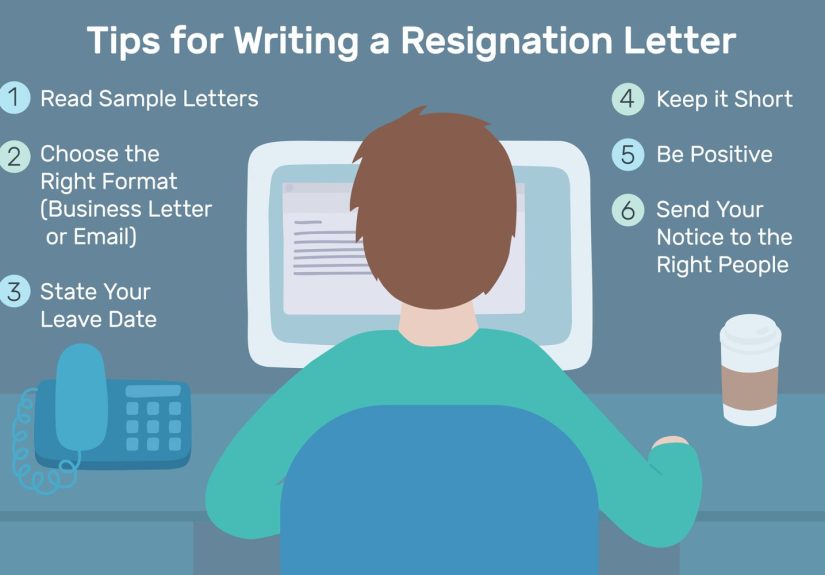
A solid two weeks notice letter is short, clear, and professional. Aim for 3–5 brief paragraphs.
- A clear resignation statement (“I am resigning from my role as…”)
- Your last working day (specific date)
- Gratitude (something sincere, not syrupy)
- Transition support (offer to help hand off work)
- Contact details (optional, but helpful)
What Not to Include (Unless You Enjoy Unforced Errors)
- Complaints, criticism, or “feedback” that reads like a Yelp review
- Overly personal details (“My cat is spiritually opposed to my commute”)
- Threats, ultimatums, or negotiation tactics
- Anything you wouldn’t want screenshot and forwarded
Two Weeks’ Notice Resignation Letter Samples
Below are flexible resignation letter templates and examples. Replace bracketed text with your details.
Keep the tone aligned with your relationship with your manager and the culture of your workplace.
Sample 1: The Classic Professional Two Weeks’ Notice Letter
Best for: Most situations. Clean, calm, and hard to argue with.
Sample 2: Short and Simple (Because You’re Keeping It Minimal)
Best for: When you want the letter to do its job and then quietly exit the room.
Sample 3: Resignation Email (Two Weeks’ Notice) With a Great Subject Line
Best for: Remote roles, fast-moving workplaces, or when your company prefers email records.
Sample 4: New Job Opportunity (Positive, Not Gushy)
Best for: When you want to be transparent without turning the letter into a press release.
Sample 5: Personal Reasons (Private, Professional, and Drama-Free)
Best for: Protecting your privacy while still leaving on good terms.
Sample 6: Grateful + Detailed Transition Offer (For Key Roles)
Best for: Roles with complex handoffs (clients, operations, finance, project leadership).
Sample 7: Internal Transfer (You’re Leaving the Role, Not the Company)
Best for: Internal moves where you still want your current manager to be your champion.
Sample 8: Resigning When You Love Your Team (Warm, Still Professional)
Best for: When you genuinely mean it and want that good reference later.
Sample 9: Resigning From a Toxic Situation (Polite, Firm, and Minimal)
Best for: When you want to exit cleanly and keep emotions out of the paper trail.
Sample 10: Two Weeks’ Notice for Part-Time or Temporary Roles
Best for: Retail, hospitality, internships, and part-time roles where scheduling matters.
Quick Customization Tips (So Your Letter Sounds Like You, Not a Robot)
Swap in one specific “thank you”
Instead of “Thank you for everything,” try: “Thank you for the opportunity to lead the Q3 rollout” or
“I appreciate your coaching on client presentations.” One concrete detail feels realand still stays professional.
Make your transition offer realistic
Don’t promise “anything you need” if you have 17 meetings, 4 projects, and one brain. Offer two or three
specific ways you can help (documentation, training, status updates) and ask what they want prioritized.
Choose a tone that matches your workplace
If your company is formal, keep it formal. If it’s casual, you can be warm without being messy. The goal is:
competent, respectful, and easy to file in HR without anyone raising an eyebrow.
Frequently Asked Questions
Do I have to give exactly two weeks’ notice?
Not always. Two weeks is common, but your situation may be different based on company policy, contracts,
or role requirements. When possible, giving notice helps you preserve relationships and protect references.
Can I resign by email?
In many workplaces, yesespecially in remote or hybrid environments. A short meeting first is still a good move.
After that, email provides a clear written record.
Should I include the reason I’m leaving?
Only if you want to, and only briefly. “Accepted another opportunity” or “personal reasons” is usually enough.
If you want to share more context, a conversation is often better than a permanent document.
What about vacation, PTO, and final pay?
Policies vary widely by employer and state. If PTO payout matters to you, review your handbook and ask HR how
your final paycheck and unused time off are handled. It’s a boring question, which is exactly why it’s important.
Conclusion: Leave Like a Pro (Even If You’re Counting the Minutes)
A two weeks’ notice resignation letter is short, practical, and quietly powerful: it sets your exit on record,
protects your professional reputation, and helps your team transition without chaos. Pick a sample above,
customize it with a few honest details, and keep the tone respectful. Your future referencesand your current
selfwill appreciate the clean landing.
Experiences People Commonly Have When Giving Two Weeks’ Notice (500+ Words)
If you’ve never resigned before, the “two weeks’ notice” moment can feel oddly cinematiclike you’re about to
dramatically remove your badge and walk into the sunset. In reality, it’s usually a mix of awkward, relieving,
and surprisingly normal.
One of the most common experiences is the manager meeting that starts with your heart pounding and
ends with your manager saying, “I understand.” Many people expect a confrontation; instead they get a calm
conversation about timelines, handoffs, and whether you can document that one process nobody else understands.
(Congratulations: you’re now the only human manual for a mission-critical spreadsheet.)
Another classic is the emotional whiplash of reactions from coworkers. Some people are genuinely happy
for you. Others act like you’ve announced you’re moving to Mars and can’t receive texts anymore. A few will
immediately ask: “Where are you going?” If you’re not ready to share, it’s completely normal to keep it vague:
“I’m excited for the next step, and I’ll share details soon.”
Then there’s the counteroffer moment. It doesn’t happen to everyone, but it happens often enough
that it deserves a mention. You might suddenly hear, “What if we matched the salary?” or “What if we promoted you?”
Some people find that flattering; others find it a little suspiciouslike the company just remembered you exist
once you tried to leave. If you get a counteroffer, the experience tends to split into two paths:
either it confirms you’re valued, or it confirms you’re ready to move on. The resignation letter helps here because
it keeps everything clean and factual while you think.
The handoff sprint is also real. Many employees spend their final days creating documents they wish
existed on day one: login lists, project status notes, “If this breaks, here’s how to fix it,” and the legendary
“things I do every week that no one notices until I’m gone.” This is where offering transition help in your letter
becomes more than a polite lineit’s a practical way to reduce stress for everyone, including you.
Finally, people often report the strange calm that arrives around day three of giving notice. The anxiety fades,
and you start seeing your job with new eyes. Meetings become shorter. Small annoyances shrink. You’re still
professional, still helpfulbut emotionally, you’re already closing the chapter. A good two weeks notice letter
supports this healthier mindset because it frames your departure as a planned transition, not a workplace breakup.
If you take one thing from these shared experiences, let it be this: most resignations are remembered less for
the reason you left and more for how you left. A clear letter, a respectful tone, and a thoughtful handoff
can turn a stressful exit into a strong professional moveno dramatic soundtrack required.