Table of Contents >> Show >> Hide
- What Is Ultra Boost Juice?
- Ultra Boost Juice Claims: The Big Promises
- Consumer Report Snapshot: What Raises Concern?
- What About the Ingredients?
- Does the Science Back Ultra Boost Juice?
- Is Ultra Boost Juice a Scam?
- Who Should Be Especially Careful?
- Better Questions to Ask Before Buying
- Final Verdict
- Extra Consumer Experiences and Buying Scenarios
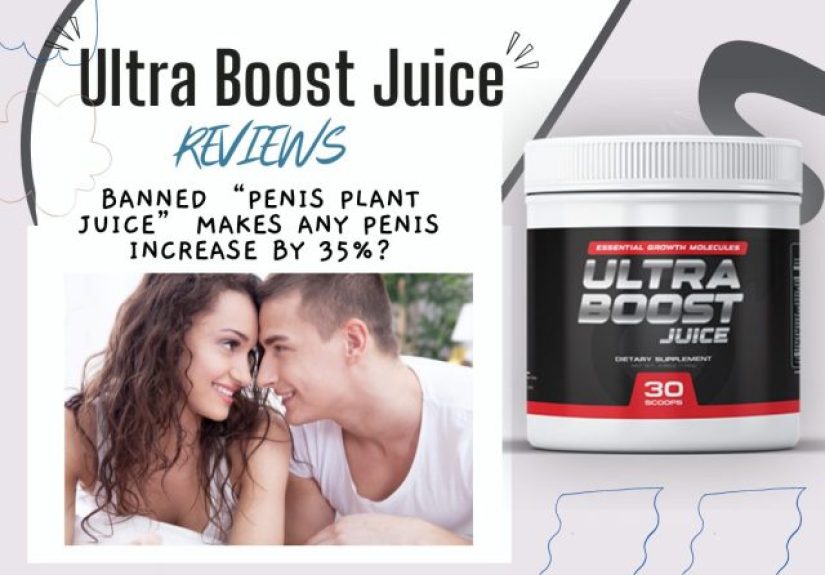
If you’ve been circling the internet looking for Ultra Boost Juice reviews, you’ve probably seen the usual supplement fireworks: bold promises, dramatic before-and-after vibes, and copy that sounds like it was written by a motivational speaker with a blender. Ultra Boost Juice is marketed as a male enhancement powder that can support erections, improve performance, and even increase penis size. That is a very crowded promise basket.
So, is Ultra Boost Juice a scam? Not necessarily in the courtroom-drama sense. But based on the public marketing, the science language, and what major U.S. medical and consumer sources say about this category, there are enough red flags to justify a giant skeptical eyebrow. This review takes a consumer-report approach: what the product claims, what the ingredients seem to suggest, what the evidence actually says, and whether the offer looks more like credible health support or internet supplement theater.
What Is Ultra Boost Juice?
Ultra Boost Juice is sold as a powdered male enhancement supplement. On its public sales page, it is framed as a “clinically formulated” blend that allegedly supports erectile health, boosts blood flow, increases stamina, and enlarges penis size over time. The page also leans heavily on “natural” positioning, with references to fruits, vegetables, herbs, vitamins, minerals, prebiotics, and probiotics.
That sounds wholesome enough until the claims start doing backflips. The product page says the formula can increase penis size by up to 35%, add as much as 3 inches within 30 days, and work through “thermogenesis” in penile tissues. In plain English: it says a drink mix can deliver permanent-looking changes in size and performance by turning up the internal heat. That is not how most mainstream U.S. medical sources describe evidence-based erectile dysfunction treatment or penis enlargement.
And yes, that matters. A supplement can be natural and still be overhyped. “Natural” is not the same as “proven,” “safe for everyone,” or “worth your money.” Kale also exists naturally, but nobody expects it to perform magic tricks.
Ultra Boost Juice Claims: The Big Promises
To understand whether a product deserves trust, start with the promises it makes. Ultra Boost Juice markets itself around a few core ideas:
1. Penis enlargement
This is the loudest claim, and it is also the shakiest. Major U.S. medical sources have repeatedly warned that most advertised penis-enlargement pills, lotions, and similar products are not proven to work. If a powder says it can add inches like you’re updating your phone storage, caution is the correct emotional response.
2. Better erections through blood flow
This claim sounds more plausible because blood flow really does matter in erectile function. The problem is that plausible does not equal proven. There is a huge difference between “some ingredients may support general circulation” and “this branded powder reliably treats ED.”
3. Fast results
Quick-turnaround promises are classic supplement marketing bait. They are especially common in sexual wellness products, where urgency and insecurity often do the selling long before evidence gets invited to the meeting.
4. Clinical credibility
Terms like “clinically formulated,” “scientific studies,” and “tested” can sound reassuring. But smart consumers look for the actual study, the dose, the ingredient standardization, and the human clinical evidence tied to the finished productnot just a cloud of lab-coat vocabulary drifting around the sales page.
Consumer Report Snapshot: What Raises Concern?
If this were a consumer-report style scorecard, Ultra Boost Juice would lose points in several important categories.
Huge body-change promises
Any supplement claiming dramatic penis growth should face immediate scrutiny. U.S. medical guidance on penis enlargement is generally blunt: most non-surgical products do not work, and some can be risky.
Vague science language
The product uses phrases like “over fifty essential tissue growth molecules” and thermogenesis-based enlargement. That sounds impressive until you ask the obvious follow-up: which molecules, at what dose, supported by which human trials on the finished formula? Publicly visible answers are thin.
Odd ingredient storytelling
The ingredient section lists botanicals and produce extracts, but some claims attached to them are eyebrow-raising. For example, the page suggests certain ingredients can nearly double girth or grow the penis by 3 to 4 inches in some cases. That is not a normal evidence standard; that is late-night infomercial energy.
No obvious public Supplement Facts panel on the main sales page
For a product asking consumers to swallow big promises and spend real money, the public-facing information feels surprisingly light on precise formulation detail. A shopper should be able to review exactly what is in a product and how much of it is there.
Built-in contradiction on the page itself
One of the stranger details is that the page displays “verified purchase” review blocks that read like negative customer experiences while still being visually framed as five-star testimonials. That kind of formatting does not inspire confidence. It inspires questions.
What About the Ingredients?
Ultra Boost Juice mentions ingredients such as asparagus, carrot extract, beet plant, wheatgrass, orange and strawberry extracts, spirulina, kale, camu fruit, mangosteen, and eleuthero root. On paper, that sounds like a superfood smoothie crashed into a men’s health ad.
Some of these ingredients do show up in general wellness conversations. Beet-derived compounds, for example, are often associated with nitric oxide pathways and circulation support. Spirulina and kale are nutrient-dense foods. Eleuthero appears in some traditional wellness contexts. But that still does not get you to “clinically proven penis enlargement.” Not even close.
The central issue is this: ingredient familiarity is not product validation. Even when an ingredient has some early or limited evidence for general wellness or circulation, that does not prove the branded product works for erectile dysfunction, treats low testosterone, or causes physical enlargement. Evidence has to match the claim. A handful of recognizable plant names cannot do all the heavy lifting.
Does the Science Back Ultra Boost Juice?
Based on the public information available, the science case is weak.
Major U.S. health sources say there is no definite evidence that herbal or complementary sexual-enhancement products are safe and effective for erectile dysfunction. They also warn that many products in this category may contain hidden pharmaceutical ingredients or interact dangerously with medications, especially nitrates and other heart-related drugs.
That does not mean every supplement is automatically dangerous. It does mean consumers should not confuse marketing confidence with medical confidence. The official Ultra Boost Juice page also uses the familiar dietary-supplement disclaimer language: the statements have not been evaluated by the FDA, and the product is not intended to diagnose, treat, cure, or prevent disease. That disclaimer is common in supplements, but it matters more when the surrounding copy sounds like it is basically auditioning to be a prescription drug.
Is Ultra Boost Juice a Scam?
Here is the honest answer: there is not enough verified public evidence to label Ultra Boost Juice a proven scam outright. But there is also not enough credible, transparent evidence to treat it like a trustworthy, medically grounded solution.
In consumer terms, that places Ultra Boost Juice in the high-skepticism zone.
Why? Because the public-facing pitch checks several red-flag boxes common in questionable supplement marketing:
- dramatic penis-size claims,
- fast-result promises,
- vague clinical language,
- limited transparent product-detail presentation,
- heavy urgency pricing,
- and category-level safety concerns documented by U.S. regulators and health agencies.
So no, I would not call it automatically fraudulent just because it is a supplement. But I also would not call it credible just because it has a glossy website and a 60-day guarantee. Plenty of products know how to look official online. Looking official and being well-supported are very different hobbies.
Who Should Be Especially Careful?
If you have heart disease, diabetes, high blood pressure, are taking nitrates, or use multiple medications, this category deserves extra caution. Erectile problems can also be a symptom of broader health issues, including vascular disease, hormonal imbalance, stress, anxiety, obesity, or medication side effects. In other words, ED is often not a one-scoop problem.
That is why major U.S. medical sources recommend talking with a healthcare professional rather than self-diagnosing through supplement ads. Sometimes the best “male enhancement” step is not buying a powderit is getting a workup that checks your heart health, hormones, sleep, stress level, and medication list.
Better Questions to Ask Before Buying
If you are considering Ultra Boost Juice or any similar erectile dysfunction supplement, ask these questions first:
- Is the exact formula and dose clearly disclosed?
- Are the product-specific human trials publicly available?
- Do the claims sound realistic, or do they sound like a late-night dare?
- Is the brand transparent about manufacturer identity and customer support?
- Would I trust this product if the sales page removed all hype words and countdown energy?
If the answer to most of those questions is “not really,” that is your review right there.
Final Verdict
Ultra Boost Juice is marketed as a breakthrough male enhancement powder, but the public evidence does not support the kind of claims the sales page makes. Some of the listed ingredients may sound healthy or familiar, yet the leap from “contains plants” to “adds inches and fixes ED” is enormous. U.S. regulators and medical sources have been warning consumers for years that sexual-enhancement supplements are one of the riskiest and least reliable corners of the supplement market.
Bottom line: Ultra Boost Juice does not look like a confident, evidence-first product. It looks more like an aggressively marketed supplement in a category already known for inflated promises. If you want a practical consumer answer, here it is: approach with caution, do not expect medically proven results, and do not treat this product like a substitute for real evaluation or evidence-based care.
Extra Consumer Experiences and Buying Scenarios
Because independently verifiable, high-quality public reviews for Ultra Boost Juice appear limited, the most useful way to add “experience” to this discussion is to describe the kinds of consumer experiences that commonly happen with products in this category. First, there is the hopeful buyer experience. A shopper lands on a slick page, reads dramatic claims about size, stamina, and confidence, and thinks, “Well, maybe this is the one.” The price seems high enough to feel premium but low enough to feel worth the gamble. Add in a money-back guarantee, and the risk can appear smaller than it really is.
Then comes the use phase. Many consumers who try male enhancement supplements are not necessarily measuring clinical outcomes with any precision. They are often tracking how they feel: more confident, less anxious, more hopeful, maybe more attentive to changes in arousal or performance. Sometimes that creates a placebo-style bump in confidence, which can feel real in the short term. But that is not the same as evidence that a powder changed anatomy or reliably treated erectile dysfunction.
Another common experience is the “I’m not sure anything happened” stage. People may finish a jar or bottle and realize the effects are fuzzy. Maybe there was no major change. Maybe there was some temporary perception of better energy. Maybe the result was mostly disappointment wrapped in optimism. That pattern is common in heavily marketed supplements because the claims are so much bigger than the effects most people can honestly verify.
There is also the refund-policy experience. A guarantee sounds comforting on the front end, but consumers often discover that guarantees are only as useful as the support process behind them. If return instructions are vague, contact channels are limited, or the process depends on details buried after purchase, the buyer may feel less protected than expected. A “money-back guarantee” is not worthless, but it should never be mistaken for proof that a product works.
Finally, there is the healthcare reality check. Some men who start by shopping for a supplement eventually learn that their symptoms are tied to stress, sleep issues, cardiovascular health, diabetes, medication side effects, or relationship anxiety. That is a much more useful discovery than chasing miracle claims online. In that sense, the smartest consumer experience is often the least glamorous one: pause, skip the hype, talk to a clinician, and spend your money on answers instead of advertising copy in a fancy bottle.