Table of Contents >> Show >> Hide
- Why pop into upcycling popcorn tins?
- Materials you’ll need
- Prep like a pro (clean, sand, prime)
- Paint selection: spray vs. brush-on vs. chalk
- Step-by-step: turning a popcorn tin into a teal organization container
- Functional upgrades
- Where to use your teal container
- Troubleshooting & pro tips
- Safety and sustainability notes
- Design ideas and accents
- Quick reference: best products & finishes
- Conclusion
- Personal experiences: on living with and loving your teal upcycled tin
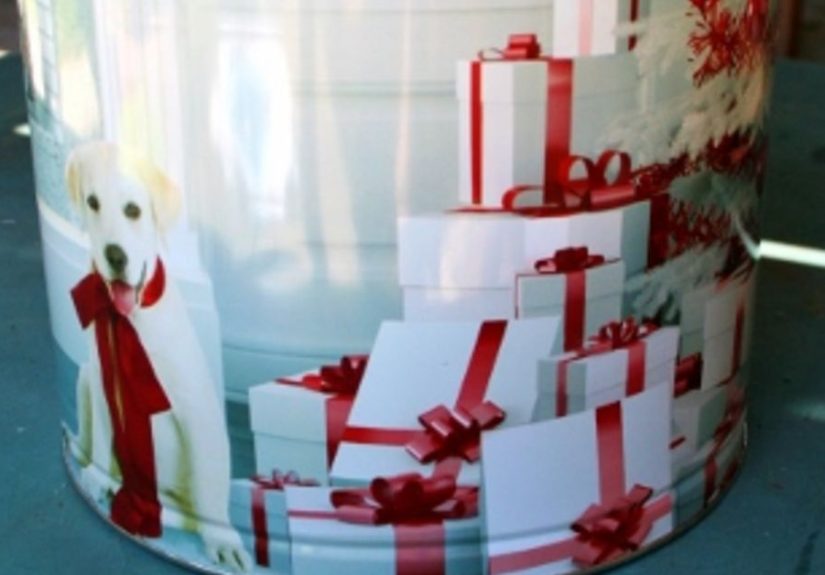
Introduction. If you’ve ever stared at a handsome, dented popcorn tin after the last kernel has vanished and thought, “I could do something with this,” you’re in the right place. Popcorn tins are the craft world’s unsung heroes: sturdy, roomy, and already equipped with a lid. With a little prep, the right paint, and a dash of creativity you can turn one into a teal organization container that’s both stylish and usefulperfect for craft supplies, pantry storage, bathroom odds-and-ends, or even a chic little trash can for your craft table.
Why pop into upcycling popcorn tins?
Popcorn tins are made from thin-gauge metal that’s easy to transform. They’re the right size for many storage needs, come with matching lids, and often have charming vintage graphics that you can preserve or paint over. Upcycling reduces waste and gives you a chance to create a custom container that matches your decor. The secret to success is proper surface preparation and choosing paints and finishes designed to stick to metal.
Materials you’ll need
- Empty popcorn tin (clean and dry)
- Mild dish soap and water; rubbing alcohol for degreasing
- Fine-grit sandpaper (220–320 grit) or sanding sponge
- Metal primer or an all-in-one paint & primer spray
- Teal spray paint (or teal chalk paint / multi-surface paint)
- Clear sealer (matte or satin polyurethane spray or clear lacquer)
- Optional: stencils, vinyl lettering, fabric or shelf-liner for the inside
- Optional: glue gun, rope/wicker trim, felt pads for the bottom
Prep like a pro (clean, sand, prime)
Good painting always starts with prep. Popcorn tins collect grease and dust, especially if they once held buttery caramel corn. Wash the tin with warm soapy water, rinse thoroughly, and dry. For stubborn residues, wipe with rubbing alcohol or a de-greasing cleaner. Once clean, scuff the surface lightly with fine-grit sandpaper or a sanding sponge to give the paint something to bite intoespecially important if the tin has an existing glossy finish or metallic sheen. After sanding, remove the dust with a dry cloth or tack rag.
For metal surfaces, adding a thin coat of primer improves adhesion and durabilitythis is especially true for older tins or ones with flaking paint. If you prefer to skip a separate primer, choose a spray paint labeled “paint + primer” that’s formulated for metal; these often save a step while still delivering good adhesion.
Paint selection: spray vs. brush-on vs. chalk
Spray paint (fast and smooth)
Spray paint gives the most even finish on curved surfaces like tins. Look for a brand marketed for metal use and ideally “paint + primer” for better adhesion. Apply several thin coats rather than one thick coatthin coats avoid drips and help the paint cure evenly. Let each coat dry fully before adding another. Many DIYers prefer brands that include rust inhibitors when the tin might be stored in a humid environment.
Chalk/miniature furniture paint (for a matte, vintage look)
Chalk or mineral paints adhere well to many surfaces and can produce a charming matte finish, great for a vintage or “farmhouse” aesthetic. Chalk paints often require sealing with wax or a clear topcoat to protect them from chipping when used frequently. If you like a distressed look, chalk paint is forgivingyou can sand edges for a bleached, worn effect.
Multi-surface acrylics (detail work)
For small details, stenciling, or adding lettering, use multi-surface acrylic paint brushed on with a small craft brush. These paints layer well over a primed surface and dry quickly.
Step-by-step: turning a popcorn tin into a teal organization container
Step 1 Clean and inspect
Remove stickers, residual tape, and any loose metal flake. Wash with warm soapy water, rinse, and dry completely. If the tin has rust, remove it with steel wool or a wire brush and treat with a rust-inhibitor primer before painting.
Step 2 Sand gently
Scuff the whole exterior with 220–320 grit sandpaperthis helps the primer and paint adhere. Wipe away dust with a tack cloth or damp microfiber and let dry.
Step 3 Prime (or use paint+primer)
Apply a light, even coat of metal primer or an all-in-one metal spray. Hold the can 8–12 inches from the surface and sweep steadily. Let dry according to the manufacturer’s directions. Priming reduces the chance of peeling and improves the vibrancy of the topcoat.
Step 4 Paint teal
Apply two to three thin coats of teal spray paint (or brush the chalk paint on in even layers). Avoid heavy coats; they cause runs. Between coats, rotate the tin and paint the lid separately if you plan to make the lid match. For a rich, even color, allow full drying time between coats.
Step 5 Add decorative elements
Once fully dry, personalize: stenciled labels (e.g., “CRAFTS,” “BISCUITS,” “TOYS”), hand-lettered quotes, or a stripe of contrasting color around the rim. Vinyl decals are an easy, professional-looking optionapply them after the paint is cured. For a shabby-chic look, sand small areas to reveal a hint of the metal or original design underneath.
Step 6 Seal and finish
Seal your work with a clear spray sealerpolyurethane or a clear lacquer is ideal depending on the paint type. This step locks in color, reduces abrasion, and makes cleanup easier. If used in a humid environment or for outdoor storage, choose a sealer with UV protection.
Functional upgrades
Want the tin to do more than sit pretty? Add a few smart upgrades:
- Fabric liner: Glue a circle of fabric or shelf-liner to the bottom to protect delicate items and reduce noise.
- Handles: Drill small holes in the sides (through the very bottom lip) and attach rope, leather straps, or metal handles for easy carrying.
- Stacking: Use non-slip bumpers or felt pads under the lid so tins stack securely without sliding.
- Feet: Stick felt pads or small rubber bumpers under the base to protect surfaces and reduce scratching.
Where to use your teal container
The possibilities are endless: store knitting needles and yarn, keep wrapping supplies tidy, corral pet toys, or use it as a bright trash can at your craft table. A row of matching teal tins makes a cheerful, cohesive pantry or craft-station arrangement.
Troubleshooting & pro tips
- Paint peeling? You probably skipped sanding or primingprep is everything.
- Paint runs? You sprayed too close or applied coats that were too heavysand the drips smooth once dry and repaint in thin layers.
- Chalk paint chipping? Seal with a clear topcoat or wax to add durability.
- Rust returns? Use a rust-inhibiting primer or choose a paint formulated for rust prevention on metal.
Safety and sustainability notes
Always spray paint outdoors or in a well-ventilated area and wear a mask. Use gloves while sanding and handling chemicals. Upcycling saves resourcesrather than buying a new plastic container, you’re diverting a durable item from the landfill and giving it renewed purpose.
Design ideas and accents
Make your teal tin sing with these small touches:
- Gold or copper band: Paint a thin metallic stripe near the lid for a modern touch.
- Label window: Glue a little picture frame or add a chalkboard label for rotating contents.
- Decoupage: Apply patterned napkin or scrapbook paper to the lid for texture and extra color.
Quick reference: best products & finishes
Choose a reputable spray paint that lists metal compatibility (Rust-Oleum, Krylon variants are common household favorites). If you want a chalky, matte finish, choose a chalk or mineral paint made for multi-surface use and plan to seal it; these paints often adhere well without sanding but still benefit from a topcoat for longevity.
Conclusion
Turning a popcorn tin into a teal organization container is a quick, inexpensive upcycle that delivers big visual payoff and practical storage. With good prep (cleaning, sanding, and priming if needed), the right paint selection, and a protective topcoat, your tin will be both beautiful and useful for years to come. Go aheadrescue that tin from the recycle bin and give it a second life.
Publication metadata for editors
sapo: Turn thrift and nostalgia into function: learn how to transform a popcorn tin into a gorgeous teal organization container. This step-by-step guide covers cleaning, sanding, painting options (spray, chalk, and multi-surface), priming, sealing, and practical finishing touchesplus creative uses, troubleshooting, and safety tips to ensure your upcycled tin looks great and lasts. Perfect for craft rooms, pantries, and stylish storage, this project is budget-friendly, eco-conscious, and easy enough for first-time DIYers.
Personal experiences: on living with and loving your teal upcycled tin
I still remember the satisfying clink of that first popcorn tin when I opened it after the paint had cured. It was a little moment of victorycheap, stubborn metal transformed into something that looked like it belonged on a styled shelf. My first teal tin became the “go-to” container next to my sewing machine. It held scissors, seam rippers, and a scatter of buttons, and because I added a soft fabric liner the metal didn’t nick any delicate trims. Every time I reached for a tool, a flash of that teal made the whole corner feel tidier.
One of the joys of upcycling tins is how forgiving the format is. I once used a larger popcorn tin as a pet-food canister under my counter. The teal paint broke up the monotony of the pantry, and the tight-fitting lid kept kibble fresher. Another tin became the wrapping-station hero: I cut a slit in the lid for ribbon and taped a little dowel through the top to hold paper rolls in place. The teal finish gave it a modern, purposeful lookno one guessed it had once held movie-night popcorn.
In a small apartment, storage has to work double duty: functional but pretty enough to be on display. Matching teal tinssome labeled with vinyl decalslined a floating shelf and instantly created an organization system that looked intentional. People often ask where I bought them. When I tell them they were free (one from a holiday gift, another saved from a work party), the disbelief is delightful. It’s a good reminder that attractive storage doesn’t have to be expensive.
There have been learning moments too. Early on I painted a tin with one heavy coat and ended up with drips that I had to sand out. Lesson learned: patience matters more than speed. Another time I used an indoor paint in a humid basement and noticed a slight tackinessclearly a job for a proper sealer next time. Those small mistakes made me better at choosing products and gave me confidence to experimentchalk paint for a soft matte look, metallic leaf for glam accents, or stenciled labels for function.
Beyond practical use, teal tins have become little mood boosters. Color affects perceptionthose shelves look curated, and my workspace feels calmer. Upcycling tins has also become a social thing; I’ve gifted a teal-organizer set to a friend who’d just set up a home office, and she used them for pens, chargers, and little sticky-note stacks. Instant delight, zero hassle.
In short, transforming popcorn tins into teal organization containers is a small act of creativity with outsized returns. It saves resources, sharpens your DIY skills, and leaves you with storage that’s useful, beautiful, and uniquely yours. If you’ve got a tin sitting around, consider giving it a second lifethe process is satisfying, the results practical, and the stories you’ll tell about your little teal tin are worth the effort.