Table of Contents >> Show >> Hide
- The Party Math That Keeps You Out of Trouble
- What Counts as “One Drink” in the U.S.?
- Conversion Shortcuts (So You Don’t Buy 19 Bottles by Accident)
- Our Drinks Chart (4-Hour Party, Average Crowd)
- Soft Drinks: Don’t Treat Them Like a Side Quest
- How to Stock Beer, Wine, and Spirits Without Overbuying
- Mixers, Garnishes, and the “Stuff People Remember”
- Ice, Cups, and Other Unsexy Heroes
- Batch Cocktails: The Hosting “Cheat Code” That Still Feels Fancy
- Specific Examples (Because “Just Wing It” Is Not a Plan)
- Host Smart: A Quick Reality Check on Safety
- Conclusion
- Experiences and Lessons From Real-World Party Planning (The Extra )
Planning party drinks sounds easy until you’re standing in the beverage aisle doing complex math like,
“If Uncle Dan drinks ‘just one’ whiskey… how many whiskeys is that in normal numbers?” The good news:
you don’t need a spreadsheet, a bartender, or a PhD in Cooler Logistics.
This guide gives you a simple, real-world way to plan soft drinks and alcohol for a partyplus
a drinks chart you can actually use. You’ll get smart rules of thumb, conversion shortcuts (hello, bottles-to-servings),
and a couple of examples so you can shop once and host like you meant to do this all along.
The Party Math That Keeps You Out of Trouble
Let’s start with the only math you needbecause the rest of your brain is busy remembering where you put the bottle opener.
Most reputable party-planning guidance boils down to a predictable truth:
guests drink the most early, then settle in.
Rule A: “One alcoholic drink per guest per hour” (steady crowd)
If your gathering is casualthink birthdays, game nights, backyard hangsthis is the most commonly used baseline.
Example: 25 guests × 4 hours = 100 alcoholic drinks.
Rule B: “Two drinks the first hour, then one per hour after” (livelier crowd)
This accounts for that first-hour rush when everyone arrives, says hello, and suddenly needs a drink to keep their small talk hydrated.
For a 4-hour party: 2 + 1 + 1 + 1 = 5 drinks per guest.
Example: 25 guests × 5 = 125 alcoholic drinks.
Quick adjustment cheat codes
- Warm weather / outdoor party: bump nonalcoholic drinks and ice up.
- “School night” or early brunch vibe: shave totals down about 10–20%.
- Big eaters, heavy snacks, full dinner: alcohol pace usually slows a bit.
- Cocktail-forward party: ice, mixers, and glassware matter more than you think.
What Counts as “One Drink” in the U.S.?
Before we chart anything, we need a shared language. In the U.S., a “standard drink” is typically:
- Beer: 12 oz (regular beer)
- Wine: 5 oz (standard pour)
- Spirits: 1.5 oz (one shot)
Real life note: cocktails vary. A “margarita” can be a modest 1.5 oz pour… or a suspiciously large glass
that whispers, “Cancel your plans tomorrow.” That’s why the chart below uses the standard 1.5 oz liquor pour
as the baseline for planning.
Conversion Shortcuts (So You Don’t Buy 19 Bottles by Accident)
These quick conversions are the backbone of any good party drink calculator:
- 750 mL wine bottle: about 5 glasses at a 5 oz pour.
- 750 mL spirits bottle (a “fifth”): about 16 drinks at 1.5 oz per drink.
- Mixers for cocktails: plan roughly 1 quart (32 oz) per 3 guests when offering a full bar.
- Ice: plan 1.5–2 lbs per guest (more if you’re chilling and serving with ice).
Our Drinks Chart (4-Hour Party, Average Crowd)
This chart is designed to be practical, not precious. It assumes a 4-hour party using
the steady baseline of 1 alcoholic drink per guest per hour.
If your crowd is more enthusiastic, use the “Lively Crowd” notes right after the chart.
The chart includes two planning styles:
(1) Beer & Wine Party (simple, popular, fewer leftovers) and
(2) Full Bar Party (beer + wine + spirits + mixers).
| Guests | Beer & Wine Party (Beer + Wine) |
Full Bar Party (Beer + Wine + Spirits) |
Soft Drinks (Servings) | Ice (lbs) |
|---|---|---|---|---|
| 10 | Beer: 20 cans Wine: 4 bottles |
Beer: 10 cans Wine: 2 bottles Spirits: 2 bottles (750 mL) Mixers: 4 quarts |
~20 servings | 15–20 |
| 20 | Beer: 40 cans Wine: 8 bottles |
Beer: 20 cans Wine: 4 bottles Spirits: 3 bottles (750 mL) Mixers: 7 quarts |
~40 servings | 30–40 |
| 30 | Beer: 60 cans Wine: 12 bottles |
Beer: 30 cans Wine: 6 bottles Spirits: 4 bottles (750 mL) Mixers: 10 quarts |
~60 servings | 45–60 |
| 50 | Beer: 100 cans Wine: 20 bottles |
Beer: 50 cans Wine: 10 bottles Spirits: 7 bottles (750 mL) Mixers: 17 quarts |
~100 servings | 75–100 |
| 75 | Beer: 150 cans Wine: 30 bottles |
Beer: 75 cans Wine: 15 bottles Spirits: 10 bottles (750 mL) Mixers: 25 quarts |
~150 servings | 115–150 |
| 100 | Beer: 200 cans Wine: 40 bottles |
Beer: 100 cans Wine: 20 bottles Spirits: 13 bottles (750 mL) Mixers: 34 quarts |
~200 servings | 150–200 |
How the chart calculates (so you can scale it fast)
- Alcohol total (steady crowd): Guests × 4 hours
- Beer & wine split: 50/50 (easy baselineadjust to your crowd)
- Full bar split: ~50% spirits, 25% beer, 25% wine (classic open-bar style)
- Soft drinks: about 2 servings per guest (works well when you also serve alcohol)
- Ice: 1.5–2 lbs per guest
If your crowd is “lively”
Use the “2 then 1” rule for alcohol (5 drinks per guest over 4 hours). That’s a 25% increase over the chart.
The easiest hack: multiply beer/wine/spirits numbers by 1.25, then round up to convenient pack sizes.
Soft Drinks: Don’t Treat Them Like a Side Quest
Soft drinks and zero-proof options aren’t just for kids. Many guests alternate alcoholic and nonalcoholic drinks,
and a strong nonalcoholic lineup is one of the fastest ways to make your party feel thoughtful (and keep it from
turning into a “who texted their ex?” reunion).
A simple soft drink lineup that pleases almost everyone
- Water: still + sparkling (a big pitcher or a stack of bottles)
- Cola + diet cola
- Lemon-lime + diet lemon-lime
- One wildcard: ginger beer, iced tea, lemonade, or a fun craft soda
Serving size reality check
People pour differently at home than a restaurant does. If you’re serving soft drinks in cups, assume
8–12 oz per serving. A 2-liter bottle goes faster than it looksespecially when it’s the only caffeine
within a 20-mile radius and half your guests are functioning adults held together by cola and hope.
How to Stock Beer, Wine, and Spirits Without Overbuying
Beer
If you’re not sure what to choose, a “three-lane highway” works:
light lager, IPA, and one seasonal or local option.
That covers most tastes without turning your fridge into a beer museum.
Considering a keg? A standard full keg (half-barrel) is roughly 165 12-ounce beers. Smaller kegs exist too,
like a quarter-barrel (~82 beers) or a sixth-barrel (~54 beers). Kegs can reduce recycling pile-ups and keep beer cold and fresh.
Wine
Keep it simple: one red and one white, then add rosé if the vibe is warm, sunny, or “we own at least one linen shirt.”
For planning: one 750 mL bottle is about five 5-ounce pours.
Spirits (full bar)
You don’t need 14 types of liquor. A practical home bar for a party usually looks like:
vodka, tequila, bourbon, and either gin or rum.
Add a few small supporting players (bitters, vermouth) only if you know you’ll use them.
Mixers, Garnishes, and the “Stuff People Remember”
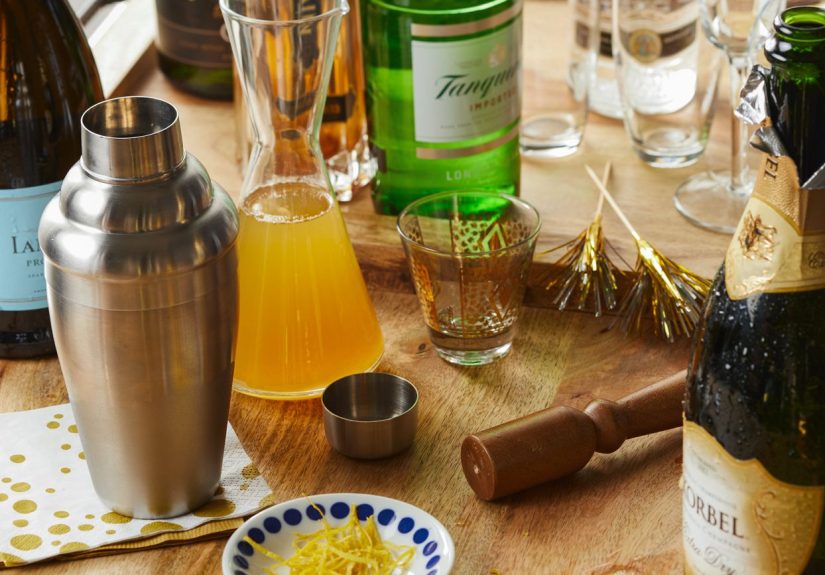
If you offer cocktails, mixers are where parties quietly succeed or fail. Running out of tonic turns your “Gin & Tonic Station”
into “Gin, Neat, With Regret.”
Mixers that cover 90% of common drinks
- Club soda
- Tonic water
- Cola + diet cola
- Lemon-lime soda
- Orange juice + cranberry juice
- Tomato juice (optional, but Bloody Mary people are loyal)
Garnishes (keep it easy)
- Limes (they do the most work per square inch of fruit)
- Lemons and/or oranges
- Cherries or olives (depending on whether your guests are “sweet” or “salty”)
- Fresh herbs like mint (optional, but makes everything look intentional)
Ice, Cups, and Other Unsexy Heroes
Ice is the most forgotten party supply and the fastest way to create drama.
A good planning range is 1.5–2 lbs of ice per guest, especially if you need ice for both chilling and serving.
If you’re doing cocktails plus a drink tub, you’ll burn through ice like it owes you money.
Pro move: split your ice
- Ice #1: for chilling bottles/cans (coolers, tubs)
- Ice #2: for putting in drinks (clean ice bucket + scoop/tongs)
How many cups and glasses?
People will reuse a cup… until they don’t. A safe starting point is
about 3 cups/glasses per guest for a mixed-drink party (water + soft drink + alcohol).
If it’s outdoors, disposable drinkware can save your sanity.
Batch Cocktails: The Hosting “Cheat Code” That Still Feels Fancy
Making drinks one-by-one is a great way to spend your party staring into a shaker while your friends
have fun somewhere else. Batching cocktails lets you pour, garnish, and go back to being a person.
The dilution secret (so your batch tastes like a real cocktail)
Most cocktails normally get a chunk of their water from shaking or stirring with ice.
When batching, you often need to add water on purpose. A common starting point is adding
about 20–25% water to the total batch volume, then adjusting to taste after chilling.
What to prep early vs. last minute
- Prep early: spirits, syrups, bitters, vermouth, and measured water (for dilution)
- Last minute: citrus juice (fresh tastes better) and anything carbonated (save the bubbles)
Specific Examples (Because “Just Wing It” Is Not a Plan)
Example 1: 20 guests, 4 hours, beer & wine + soft drinks
- Alcohol: 20 × 4 = 80 drinks total
- Beer & wine split (50/50): 40 beers + 40 wine pours
- Wine bottles: 40 pours ÷ 5 ≈ 8 bottles
- Soft drinks: about 40 servings (mix soda + sparkling water)
- Ice: 30–40 lbs
Example 2: 35 guests, 4 hours, full bar with a signature cocktail
- Alcohol: 35 × 4 = 140 drinks total
- Full bar split (50% spirits, 25% beer, 25% wine): 70 cocktails, 35 beers, 35 wine pours
- Spirits bottles: 70 ÷ 16 ≈ 4.4 → buy 5 bottles (750 mL)
- Wine bottles: 35 ÷ 5 = 7 bottles
- Mixers: about 12 quarts total (tonic/club/cola/juices)
- Ice: 55–70 lbs
Host Smart: A Quick Reality Check on Safety
A great party isn’t the one where everyone drinks the mostit’s the one where everyone leaves happy and safe.
Build your plan around food, water, and nonalcoholic options. If you’re serving alcohol, consider ride-share reminders,
designated drivers, and a soft “slow-down” vibe late in the night (coffee, dessert, mocktails, sparkling water).
Conclusion
The best part about a drinks chart is that it removes the guesswork without turning you into the Beverage Police.
Use the chart as your starting line, then customize based on your crowd: more beer for a game-day party, more wine
for a dinner vibe, more soft drinks for a mixed-age group, and more ice for any event that exists outdoors.
Plan the basics, buy a little cushion, and remember: you can always restock soda. Running out of ice, however,
is how legends of party failure are born.
Experiences and Lessons From Real-World Party Planning (The Extra )
Here’s what party planning looks like when it leaves the spreadsheet and enters your living room.
Not “perfect Pinterest party” stuffjust the practical lessons that show up after you’ve hosted a few times
and realized your guests are, lovingly, unpredictable.
1) The “We’ll Just Have a Few People Over” trap
The classic story: you invite 12 people, and somehow 18 arrive. Nobody did anything wrongit’s just that one friend
brings a plus-one, and another friend brings “a couple neighbors,” and suddenly your “small get-together” is a mid-sized
networking event featuring chips and someone’s cousin. The fix is simple: when you shop, aim for a buffer that’s
about 10–15% extra in the easy categories (soft drinks, beer, ice). You don’t need 15% extra wine bottles
unless your group is serious about wine, but an extra 12-pack of sparkling water and one extra bag of ice can save you
from a late-night store run wearing shoes you regret.
2) The ice problem is never the ice problem
The first time a host runs out of ice, they assume they “miscalculated.” Usually, it’s not just drinking iceit’s
cooler ice. Guests dig through the cooler like raccoons at a picnic, grabbing cold cans, then leaving the lid open
while discussing whether the new season of that show is “good good” or just “background good.” Warm air rushes in,
ice melts faster, and suddenly your drinks chart is being blamed for physics.
The fix is twofold: split ice into “cooler ice” and “drink ice,” and keep the cooler lid closed as much as possible.
If you can, set up a self-serve station with a second tub that’s already iced down so people aren’t constantly rummaging.
It also helps to pre-chill drinks in the fridge. Ice should be maintaining coldnot trying to rescue room-temperature cans
like it’s performing emergency medicine.
3) One signature cocktail beats eight “options”
There’s a phase every enthusiastic host goes through where they think: “I’ll offer a full bar menu!” This sounds generous.
In practice, it turns you into a short-order cook. Guests ask for a drink, you start mixing, then someone else asks for
a different drink, then a third person wants something “not too sweet but not bitter,” which is not a drink preference
so much as a personality trait.
The fix: pick one signature cocktail that batches well (like a margarita-style pitcher, a spritz, sangria,
or a simple bourbon-and-citrus mix), plus beer, wine, and strong nonalcoholic choices. People love a “featured” drink
it feels special and it keeps your night social instead of service-industry.
4) Soft drinks can be the party MVP
Hosts sometimes treat soft drinks as an afterthought and end up with three warm bottles of soda and a single mystery juice.
But guests notice a good nonalcoholic spread: sparkling water, a fun soda option, iced tea, lemonade, a ginger beer,
even an easy “mocktail mixer” (like a flavored syrup and seltzer). It makes the party inclusive, helps pacing, and gives
people a drink in their hand that isn’t always alcohol. Bonus: your morning-after self will respect your evening-before self.
5) Leftovers aren’t failurethey’re future you winning
New hosts worry about leftovers like they’re a moral flaw. But unopened bottles and extra cans aren’t waste; they’re a small
emergency fund for future gatherings. Wine keeps. Spirits definitely keep. Soft drinks get used. And extra ice? That gets tossed,
surebut it’s cheaper than “we ran out and the nearest store is 18 minutes away and also the line is long.”
If you want to minimize leftovers, keep your variety tight and buy in formats you actually like. Then any extras feel like
a reward, not a regret. Hosting gets easier every timeespecially when your drinks chart is doing the heavy lifting.