Table of Contents >> Show >> Hide
- What Osteopenia Really Means
- What Causes Osteopenia?
- Symptoms: Why Osteopenia Often Goes Unnoticed
- How Osteopenia Is Diagnosed
- Treatments for Osteopenia That Actually Matter
- What a Good Video on Osteopenia Causes and Treatments Should Show
- Everyday Examples of Osteopenia Treatment in Real Life
- Experiences Related to Osteopenia Causes and Treatments
- Conclusion
If you searched for a video on osteopenia causes and treatments, chances are you wanted straight answers without a medical dictionary, a scary soundtrack, or a doctor on-screen using the phrase “bone remodeling” like everyone casually says that at brunch. Fair enough. Osteopenia can sound intimidating, but the idea is simpler than the word: your bones are thinner or less dense than normal, yet not thin enough to be classified as osteoporosis.
That middle-ground status matters. Osteopenia is not a flashing neon sign that disaster is guaranteed, but it is a signal that your bones need attention. Think of it as your skeleton sending a polite but firm email: “Please review current support levels.” The good news is that osteopenia often responds well to lifestyle changes, smart medical follow-up, and in some cases prescription treatment. The goal is not to panic. The goal is to protect bone strength, reduce fracture risk, and keep you moving through life without treating every sidewalk curb like a boss battle.
What Osteopenia Really Means
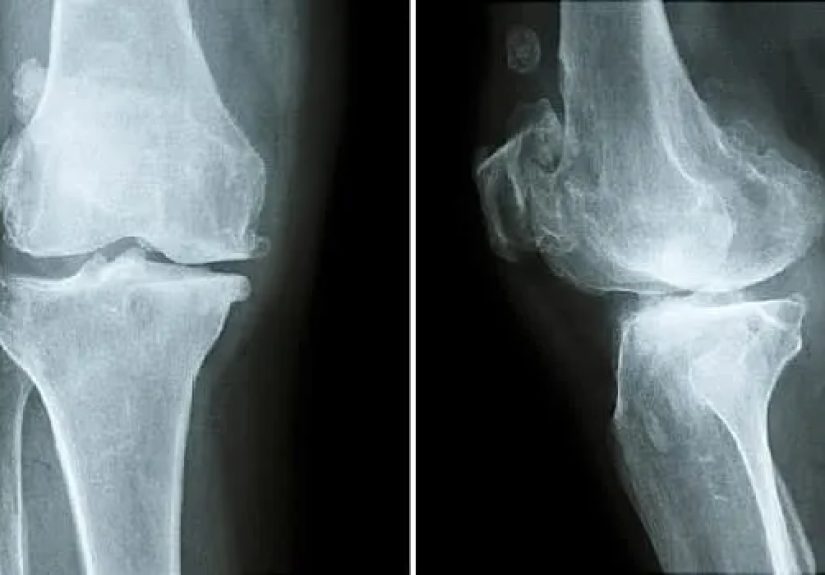
Osteopenia is low bone mass. In plain English, your bones have lost some density, which makes them less sturdy than they used to be. Bone is living tissue, and it is always changing. Your body removes old bone and builds new bone all the time. When that cycle gets out of balance and more bone is broken down than rebuilt, bone density drops. That is how many people move from normal bone health to osteopenia, and in some cases from osteopenia to osteoporosis.
Osteopenia vs. Osteoporosis
This is where many people get confused. Osteopenia is not the same as osteoporosis. Osteoporosis is the more advanced stage, where bones are weaker and fracture risk is significantly higher. Osteopenia is earlier on the spectrum. It is the warning light on the dashboard, not the engine falling out. That distinction matters because early action can slow bone loss and lower the chance of future fractures.
What Causes Osteopenia?
There is no single villain here wearing a cape made of calcium receipts. Osteopenia usually develops because of a mix of age, hormones, family history, daily habits, medical conditions, and medications.
1. Aging and Natural Bone Loss
Bone loss becomes more common with age. In youth and early adulthood, the body usually builds bone faster than it breaks it down. Later on, that balance shifts. Many adults gradually lose bone density over time, especially after peak bone mass has passed. This is one reason osteopenia becomes more common in middle age and beyond.
2. Hormonal Changes
Hormones play a huge role in bone health. Estrogen helps protect bone, which is why postmenopausal women face a higher risk of low bone density after estrogen levels drop. Men can also develop osteopenia, especially as testosterone levels change with age or when other medical factors are involved. Hormonal disorders such as thyroid or parathyroid problems can also speed up bone loss.
3. Not Getting Enough Calcium and Vitamin D
Bones need a steady supply of calcium, and vitamin D helps your body absorb it. If your diet is consistently low in these nutrients, or if your body is not absorbing them well, bones can weaken over time. This does not mean every grocery trip needs to feel like a chemistry exam. It does mean your plate, your supplement routine if recommended, and your lab work may all deserve a closer look.
4. Inactivity
Bones like a little challenge. They respond to movement and resistance. Weight-bearing activity and strength training help support bone health, while long periods of inactivity, bed rest, or very sedentary living can contribute to bone loss. Your skeleton, it turns out, prefers action over binge-watching marathons.
5. Smoking and Heavy Alcohol Use
Smoking is rough on bones, and long-term heavy alcohol use can also increase bone loss. These habits can interfere with the body’s ability to maintain strong bone structure. No lecture here, just a fact: bones are not impressed by cigarettes, and they are definitely not thriving on a liquid-only hobby.
6. Medical Conditions and Medications
Some health problems are linked to lower bone density, including certain endocrine disorders, digestive diseases that reduce nutrient absorption, rheumatoid arthritis, eating disorders, and other chronic illnesses. Some medications can also contribute, such as long-term corticosteroids, some seizure medicines, and certain drugs that affect stomach acid. When osteopenia shows up, doctors often look for secondary causes rather than assuming age alone is responsible.
Symptoms: Why Osteopenia Often Goes Unnoticed
Here is the tricky part: osteopenia often has no obvious symptoms. Many people feel completely normal. No dramatic soundtrack, no instant back pain, no moment where your bones send a push notification. That is why low bone density is often discovered through screening or after a scan ordered because of risk factors.
Sometimes the first clue is not osteopenia itself but a change around it. A person may notice a family history of fractures, shrinking height over time, poor balance, or a fragility fracture after a minor fall. But in many cases, the condition is silent until testing brings it into the spotlight.
How Osteopenia Is Diagnosed
Bone Density Testing and T-Scores
The most common way to diagnose osteopenia is with a DXA scan, also called a bone density test. This scan compares your bone density with a reference standard and gives a T-score. A T-score between -1.0 and -2.5 is generally considered osteopenia. A score of -2.5 or lower is osteoporosis. These numbers are useful, but they are not the whole story. Doctors also consider your age, sex, fracture history, medications, medical conditions, and overall fracture risk.
Who Should Be Screened?
Screening is especially important for older adults and postmenopausal women with risk factors. In the United States, routine osteoporosis screening is generally recommended for women age 65 and older, and for some younger postmenopausal women who have increased fracture risk. Men can absolutely develop low bone density too, but screening guidance is less straightforward, so their testing often depends on individual risk factors and clinical judgment.
Why Fracture Risk Matters
Two people can have the same T-score and very different real-world risk. That is why clinicians often look at the bigger picture, including whether someone has already had a low-trauma fracture or has multiple risk factors for breaking a bone. In some cases, osteopenia may be treated more aggressively if fracture risk is high enough.
Treatments for Osteopenia That Actually Matter
The main goals of treatment are simple: slow bone loss, support bone rebuilding when possible, and reduce the risk of fractures. Treatment is often a layered plan rather than one magic fix.
1. Improve Calcium and Vitamin D Intake
A solid treatment plan often begins with nutrition. That means getting enough calcium from food and, when appropriate, supplements. Vitamin D matters too because without it, calcium absorption is less efficient. For some people, treatment starts with lab work, a nutrition review, and a realistic plan that fits daily life. In other words, bone health is not built by one heroic yogurt alone.
2. Add Weight-Bearing and Resistance Exercise
Exercise is one of the most practical tools for managing osteopenia. Walking, stair climbing, dancing, resistance bands, free weights, and strength training can all help support bone health. Balance work is also important because preventing falls is part of preventing fractures. A perfect bone plan is not just “build stronger bones.” It is also “try not to meet the floor unexpectedly.”
3. Stop Smoking and Limit Alcohol
These changes are not glamorous, but they are effective. Quitting smoking and cutting back on alcohol can help protect bone health over time. Small changes done consistently often matter more than dramatic two-week wellness experiments involving expensive smoothies and regret.
4. Review Medications and Underlying Conditions
If a medication is contributing to bone loss, a healthcare provider may consider adjustments, alternatives, or added monitoring. If an underlying issue such as malabsorption, thyroid disease, or vitamin D deficiency is part of the picture, treating that root cause can make a big difference. Osteopenia management is often part detective work, part prevention plan.
5. Consider Prescription Medication When Risk Is High
Not everyone with osteopenia needs prescription medicine. That said, some people do. Medication may enter the conversation when osteopenia is paired with a prior fragility fracture, very high fracture risk, or a concerning overall risk profile. In those cases, doctors may recommend medicines commonly used to reduce fracture risk and slow further bone loss. The decision depends on benefits, side effects, age, health history, and long-term goals.
What a Good Video on Osteopenia Causes and Treatments Should Show
A quality video on osteopenia should do more than throw anatomy graphics at your face while soothing music plays in the background. It should clearly explain how bone changes over time, what a DXA scan measures, why osteopenia often has no symptoms, and which risk factors matter most. It should also separate lifestyle steps from medication decisions, because those are related but not identical.
The strongest educational videos usually include practical examples: what weight-bearing exercise looks like, how a calcium-rich day of eating might work, why fall prevention matters, and when to ask a doctor about additional testing. A good video should leave viewers feeling informed and capable, not convinced that their skeleton is a dramatic traitor.
Everyday Examples of Osteopenia Treatment in Real Life
Imagine a 58-year-old woman who learns she has osteopenia after a routine bone density scan. She is not in pain and has never broken a bone, but she sits most of the day, skips strength training, and rarely gets enough calcium-rich foods. Her treatment plan may focus on exercise, nutrition, vitamin D, and follow-up scanning rather than medication right away.
Now imagine a 70-year-old adult with osteopenia, a previous wrist fracture, low body weight, and long-term steroid use. That treatment discussion may be more aggressive because the fracture risk is higher. Same diagnosis family, different risk picture, different plan. That is why individualized care matters.
Experiences Related to Osteopenia Causes and Treatments
One of the most common experiences people describe with osteopenia is surprise. They expected pain, stiffness, or some dramatic warning sign, but instead they felt completely fine and only learned about low bone density after a screening test. That reaction is understandable. Osteopenia often feels invisible, which is exactly why many people ignore bone health until a scan or fracture forces the conversation.
Another frequent experience is confusion over the diagnosis itself. Many people hear “osteopenia” and immediately assume they already have osteoporosis. Others think it means their bones are barely hanging on by a thread. In reality, most people are somewhere in between: their bones need support, but they still have time to make meaningful changes. That shift in understanding can be empowering. Once people realize osteopenia is a warning sign rather than a final verdict, they tend to feel more motivated and less panicked.
People also often describe a frustrating learning curve with food and supplements. They may think they eat well, only to realize their calcium intake is inconsistent and their vitamin D status is not ideal. Some begin paying closer attention to labels, meal planning, and whether they are actually following the dose their clinician recommended instead of just owning a supplement bottle and emotionally supporting it from across the kitchen. Over time, many find that simple routine changes are easier to maintain than extreme overhauls.
Exercise is another area where experience matters. A lot of adults with osteopenia start with good intentions and vague plans such as “I should probably move more.” The turning point usually comes when that idea becomes specific: brisk walking several days a week, light resistance training, balance work, or a guided program from a physical therapist or trainer familiar with bone health. People often say they feel stronger, steadier, and more confident once movement becomes part of daily life instead of a once-a-month burst of ambition.
Some experiences are emotional, not physical. A diagnosis of osteopenia can make aging feel suddenly real. It can bring up fears about falling, breaking a hip, losing independence, or repeating a parent’s medical history. Those worries are valid, but they often ease when people understand that osteopenia is manageable. Follow-up scans, risk assessments, nutrition changes, exercise, and medical review all create a sense of direction. Anxiety tends to shrink when there is an actual plan on paper instead of a cloud of internet panic floating overhead.
For people whose osteopenia is linked to medication use or another medical condition, the experience can be especially complex. They may feel frustrated that they are “doing everything right” and still losing bone density. In those cases, it helps to know that bone health is not just about willpower. Hormones, inflammation, absorption issues, body weight, and prescribed drugs can all influence bone strength. Many people feel relief when a clinician looks beyond the scan and investigates the full picture.
Perhaps the most encouraging experience reported by many adults with osteopenia is this: progress is possible. Bone density may not transform overnight, but healthier habits can improve stability, reduce further loss, and lower fracture risk. Even when numbers change slowly, people often notice real benefits in energy, strength, posture, balance, and confidence. That is not flashy. It is better. It is sustainable.
Conclusion
Osteopenia is common, often silent, and absolutely worth taking seriously. It usually develops through a mix of age, hormones, nutrition, inactivity, certain health conditions, and medications. The best treatments focus on the fundamentals: enough calcium and vitamin D, regular weight-bearing and strength-building exercise, avoiding smoking, limiting alcohol, reducing fall risk, and treating any underlying causes. When fracture risk is higher, medication may also play an important role.
If there is one big takeaway from any video on osteopenia causes and treatments, it is this: low bone density is not a cue to panic. It is a cue to act early, ask better questions, and build a smarter plan. Bones may be quiet, but they are not shy about benefiting from consistent care.
Note: This article is for educational purposes only and should not replace personalized medical advice, diagnosis, or treatment from a licensed healthcare professional.