Table of Contents >> Show >> Hide
- What Exactly Is Bone Broth?
- What’s In Bone Broth?
- Bone Broth Benefits: What the Evidence (and Common Sense) Suggest
- 1) A Simple Way to Boost Protein Intake
- 2) Hydration You’ll Actually Want to Drink
- 3) May Support Joint Comfort (With a Big Asterisk)
- 4) Skin Support: More “Nourishing Habit” Than “Liquid Botox”
- 5) Gut Comfort and “Easy to Tolerate” Nutrition
- 6) Stress, Sleep, and the “Nighttime Mug” Ritual
- 7) Better Cooking = Better Eating
- How to Choose a Good Bone Broth (Without Falling for Hype)
- How to Use Bone Broth Without Getting Bored
- Who Should Be Cautious?
- FAQ: Quick Answers to Common Questions
- Conclusion: The Real Deal on Bone Broth (Plus Real-World Experiences)
Bone broth is having a cultural moment. It’s on grocery shelves next to the “plant-based chicken,” in coffee mugs like it’s a new personality trait, and
in recipes that promise everything short of helping you file your taxes. So let’s do the sensible thing: keep the cozy vibes, ditch the hype, and talk
about what bone broth actually isand what it can realistically do for you.
What Exactly Is Bone Broth?
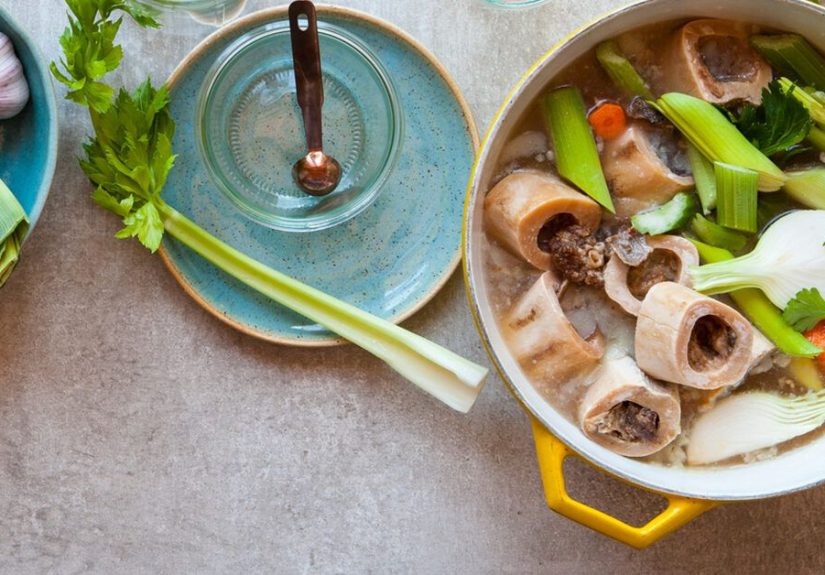
Bone broth is a savory liquid made by simmering animal bones (often with some connective tissue still attached) in water for a long timeanywhere from
8 to 24 hours, sometimes longer. Cooks usually add aromatics (onion, garlic, celery, carrots), herbs, and a splash of something acidic (like vinegar)
to help pull flavor and some nutrients into the pot.
Bone Broth vs. Stock vs. “Regular” Broth
The kitchen world uses these words like cousins who show up at the same family reunion and get mistaken for each other. In general:
- Broth is typically simmered for a shorter time and often starts with meat.
- Stock leans heavily on bones and is simmered long enough to extract gelatin, giving it body.
- Bone broth is basically stock’s overachieving sibling: longer simmer, often more bones and connective tissue, sometimes sipped straight.
In real life, the lines blur. What matters most is the result: a flavorful, often gelatin-rich liquid that can be used in cooking or enjoyed like a warm,
savory drink.
Why the Long Simmer Matters
Time does two big things here: it breaks down collagen (from bones, cartilage, and connective tissue) into gelatin, and it extracts soluble compounds
that contribute to taste and texture. That “jiggly when chilled” factor isn’t a badge of wellnessit’s mostly a sign you’ve made a broth with plenty of gelatin.
(Still, it’s satisfying. Like culinary confirmation.)
What’s In Bone Broth?
Bone broth isn’t one productit’s a category. The nutrition can vary wildly based on the type of bones used (chicken feet vs. beef knuckles),
how long it’s simmered, whether there’s meat included, and how much it’s diluted. That’s why one brand might taste like a hug, and another might taste like salty regret.
Protein (Usually the Main Event)
Many bone broths provide more protein than standard boxed broth. A cup can land roughly in the 6–10 grams range (sometimes higher, sometimes lower),
especially compared with lighter broths. If you’re trying to increase protein without adding a full meal, bone broth can helpparticularly as a snack replacement.
Collagen, Gelatin, and Amino Acids
Collagen itself is a structural protein found in connective tissue. During cooking, it breaks down into gelatin and smaller components, including amino acids like
glycine and proline. These amino acids are used all over the body for tissue repair and normal metabolic functions.
Here’s the nuance: the presence of collagen-related amino acids doesn’t automatically mean “visible results” (like smoother skin or pain-free knees).
It means the broth contains building blocks your body can usealongside many other protein sources you may already eat.
Minerals and Electrolytes (But Don’t Expect a Multivitamin)
Bone broth can contain small amounts of minerals like calcium, magnesium, and phosphorus. But the amounts vary, and they’re often not high enough to rely on as
your primary source. Think of it as “bonus minerals,” not “bone broth: now with 100% of your daily needs.”
Sodium (The Plot Twist in Many Store-Bought Options)
Many packaged broths are high in sodium for flavor and shelf life. That can be fine for most people in moderation, but it matters if you’re watching blood pressure
or managing kidney/heart issues. The same “comfort in a mug” can become “whoa, my rings feel tight” if sodium is sky-high.
Bone Broth Benefits: What the Evidence (and Common Sense) Suggest
Bone broth isn’t magic, but it isn’t useless either. The most defensible benefits tend to be practical: protein, hydration, and an easy way to make healthy food
taste better. The more dramatic claims (instant joint repair! ageless skin!) are where you’ll want to dial your skepticism back up.
1) A Simple Way to Boost Protein Intake
Protein supports muscle maintenance, satiety (feeling full), and overall body repair. If you’re someone who forgets to eat protein until dinneror you’re trying to
add more protein without constantly chewing chickenbone broth can be a useful helper.
It’s especially handy for older adults who may benefit from steady protein intake throughout the day, or for anyone who wants a savory mid-afternoon option that
isn’t a vending-machine ambush.
2) Hydration You’ll Actually Want to Drink
Plenty of people struggle with “just drink water.” Bone broth offers fluid plus flavor. If you find warm beverages comforting (or you live somewhere that makes winter
feel personal), bone broth can increase total fluid intake in a way that feels more like a treat than a task.
3) May Support Joint Comfort (With a Big Asterisk)
Bone broth contains gelatin and collagen-derived amino acids, and collagen supplements have some evidence for supporting joint function in certain contexts.
But bone broth’s collagen content is inconsistentdifferent bones, different recipes, different results.
Translation: it’s reasonable to enjoy bone broth as part of a joint-friendly eating pattern, but it’s not reasonable to expect a cup a day to do the work of a
structured rehab plan, strength training, and medical guidance when needed.
4) Skin Support: More “Nourishing Habit” Than “Liquid Botox”
The skin angle is popular because collagen is part of skin structure. But when you consume collagen, your body breaks it into amino acids first. Some people notice
their skin feels more hydrated when they improve overall nutrition and hydrationbone broth can be part of that, especially if it replaces less nutritious choices.
If bone broth helps you consistently choose a protein-rich, lower-sugar snack, your skin might benefit indirectlylike a domino effect of better habits rather than
a direct “one weird trick.”
5) Gut Comfort and “Easy to Tolerate” Nutrition
Bone broth is gentle, warm, and often easy to tolerate when appetite is low. That’s why versions of broth and soup show up in traditional food cultures as
comfort foods. Some components (like certain amino acids) are being studied for roles in gut health, but evidence specific to bone broth as a treatment is still limited.
The practical benefit is real: if you’re recovering from an illness, easing back into eating, or just want something soothing that isn’t bland, bone broth can help
you get fluids and some protein without a lot of digestive drama.
6) Stress, Sleep, and the “Nighttime Mug” Ritual
A warm mug at night can be calming on its own. Beyond that, bone broth contains glycinean amino acid that has been studied for potential sleep benefits when taken
in specific supplemental doses. Bone broth won’t guarantee those doses, but the combination of a warm routine, mild satiety, and a savory alternative to dessert can
support better evenings for some people.
7) Better Cooking = Better Eating
This might be the most underrated benefit: bone broth makes healthy meals taste better. Use it as a base for soups, stews, beans, or rice, and suddenly your
“I guess I’ll meal prep” becomes “wait, this is actually delicious.”
When nutritious food tastes good, you eat it more often. That’s not a wellness claimit’s just how humans work.
How to Choose a Good Bone Broth (Without Falling for Hype)
Read the Label Like a Friendly Detective
- Protein per serving: If you’re drinking it for protein, check the grams. More isn’t always “better,” but it should match your goal.
- Sodium: Compare brands. Look for “low sodium” options if you sip it often.
- Ingredients: Ideally simple: bones, vegetables, herbs, spices. Watch for lots of added sugar (rare, but it happens) or mystery “flavorings.”
- Fat content: Some broths are rich; some are lean. Choose based on preference and dietary needs.
Quick Homemade Method (Low Fuss, High Reward)
If you want DIY control (and the smug satisfaction of saying “I made it”), here’s the simple approach:
- Roast bones if you want deeper flavor (optional but delicious).
- Add bones to a pot or slow cooker with onion, carrot, celery, garlic, herbs, and water.
- Add a splash of vinegar (for flavor and extraction support), then simmer low and slow.
- Strain, cool, and refrigerate. Skim fat if desired.
The result should taste rich and savory. If it gels in the fridge, congratulations: you made gelatin-rich broth. If it doesn’t, congratulations anyway: you still
made a flavorful cooking base.
How to Use Bone Broth Without Getting Bored
- Sip it warm: Add lemon, ginger, turmeric, or a pinch of chili flakes.
- Soup upgrade: Use it as the base for vegetable soup, chicken soup, or ramen-style bowls.
- Cook grains: Rice, quinoa, or farro taste more interesting when cooked in broth.
- Braise smart: Use it for slow-cooked meats, beans, or greens.
- Sauce starter: Reduce it to add body to sauces without needing a ton of cream or butter.
Who Should Be Cautious?
Bone broth is generally safe for most people as part of a balanced diet. But a few situations deserve extra attention:
If You’re Watching Blood Pressure or Sodium
Packaged bone broth can be salty. If you have hypertension, heart disease, kidney disease, or are on a sodium-restricted plan, choose low-sodium products and
treat bone broth as “food,” not “free water.”
If You’re Sensitive to Histamine
Long-simmered foods can be an issue for some people who are histamine-sensitive. If you notice headaches, flushing, or digestive symptoms after sipping broth,
consider a shorter-cooked option or discuss it with a clinician.
If You’re Using It as a Meal Replacement
Bone broth can support a snack or a light meal, but it shouldn’t replace a varied diet long-term. It’s not a complete protein, and it won’t provide the full range
of nutrients you get from meals that include fiber-rich plants, healthy fats, and diverse protein sources.
Concerns About Heavy Metals
You may have heard worries about lead or other heavy metals leaching from bones. Research and reporting suggest the risk appears low for most commercial products,
but it’s also a good reminder not to make any single food your entire wellness personality. Rotate foods, choose reputable brands, and keep it in moderation.
FAQ: Quick Answers to Common Questions
Is bone broth good for weight loss?
It can help with satiety because it contains protein and is often lower calorie than many snacks. The benefit comes from what it replaces (like sugary, low-protein
snacks), not from a magical “fat-burning” property.
How much bone broth should I drink?
There’s no universal “perfect” amount. Many people enjoy 1 cup a day or a few times per week. If sodium is high, scale back or choose low-sodium versions.
Is bone broth keto or paleo?
Typically yes, because it’s low in carbs and contains protein. But always check labels for added sugars or starches in flavored versions.
Can vegetarians get similar benefits?
You won’t get collagen from plants, but you can support your body’s protein needs with legumes, soy foods, dairy/eggs (if allowed), and a varied diet rich in
vitamin C and other nutrients involved in collagen formation.
Conclusion: The Real Deal on Bone Broth (Plus Real-World Experiences)
Bone broth is a traditional food that became trendyand, honestly, it earned some of that spotlight. It’s flavorful, comforting, and can deliver a meaningful
protein boost compared with standard broth. It may support better eating habits by making healthy meals taste more satisfying, and it can be a warm, easy-to-tolerate
option when you want something gentle.
What it probably won’t do is replace medical care, erase wrinkles overnight, or rebuild your joints like a pit crew. Enjoy it for what it is: a nourishing, practical
staple that fits nicely into an overall healthy patternespecially when you choose lower-sodium options and keep your diet varied.
Real-World Experiences (About ): What People Often Notice
If you ask bone-broth fans why they keep coming back, most answers are less “scientific breakthrough” and more “this makes my day easier.” One common experience is
the 3 p.m. snack swap. People who normally hit a wall mid-afternoonthen raid the office candy bowl like it owes them moneyoften find that a mug of
warm broth feels surprisingly satisfying. Not because it’s mystical, but because it’s warm, salty (sometimes very salty), and has enough protein to take the edge off
hunger. It can turn “I need something now” into “I can wait until dinner without gnawing on my keyboard.”
Another theme is “my cooking got better overnight”not skill-wise, but outcome-wise. When someone starts keeping bone broth in the pantry or freezer,
their usual meals level up: rice tastes richer, soups feel more restaurant-y, and leftover vegetables suddenly have a purpose. This creates a quiet momentum: when food
tastes good, you’re more likely to cook and eat at home, and that alone can change how you feel day-to-day.
Fitness folks often report bone broth as a comfort drink after workouts, especially in colder months. The experience isn’t “my knees are brand-new,”
but more like “this is a warm, savory way to get protein when I’m not in the mood for another sweet shake.” For some runners and strength trainers, that’s a big deal
because consistency mattersand boredom is the enemy of consistency.
Then there’s the “gentle food” crowd: people who keep broth around for days when their stomach feels off, they’re fighting a cold, or they just can’t
face a heavy meal. The experience is often about tolerance and comforthaving something that goes down easily and still feels like “real food,” not just crackers and
vibes. It’s also common for caregivers and busy parents to appreciate bone broth for the same reason: it’s quick, warm, and can help bridge the gap between chaos and
an actual dinner.
Finally, many people develop a surprisingly strong opinion about labels. The first time someone compares sodium levels between brands, it’s like
discovering a plot twist in a sitcom. One carton is “cozy and savory,” another is “ocean cosplay.” That label-awareness tends to stick, and it often spills over into
other foods, tooan underrated win.
In short, the most believable “benefits” people experience are practical: fewer snack emergencies, better-tasting meals, an easier protein habit, and a comforting
routine. If bone broth helps you do those things, it’s doing its jobno miracle claims required.