Table of Contents >> Show >> Hide
- What Happened at the Golden Globes?
- Why Sofía Vergara’s Reaction Went So Viral
- Why Griselda Made This Nomination Feel Different for Vergara
- Why Jodie Foster Still Felt Like a Worthy Winner
- Why Viewers Love These Awards-Show Moments So Much
- The Viewer Experience: Why This Kind of Moment Feels So Good to Watch
- Final Take
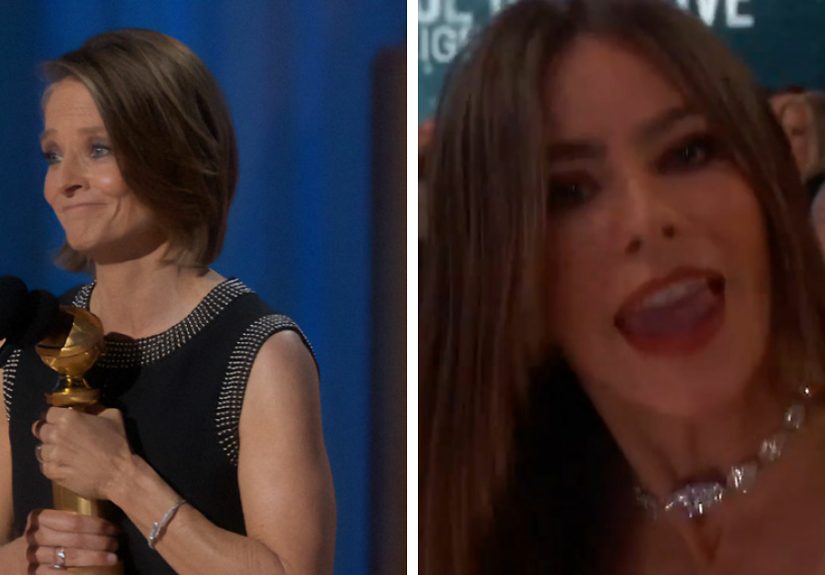
Every awards show promises glamour, suspense, and at least one moment that launches a thousand group chats. At the 2025 Golden Globes, that moment belonged to Sofía Vergara. When Jodie Foster was announced as the winner in the limited-series actress category, Vergara didn’t just clap politely and disappear into a tasteful close-up. She gave the audience what live television has been begging for since the invention of the reaction shot: personality, timing, and just enough mock outrage to make the room explode with laughter.
Her now-viral reaction after losing the Golden Globe to Foster was funny, fast, and wonderfully human. It was also the kind of unscripted celebrity moment viewers adore because it felt real without turning mean. In a night packed with polished speeches and carefully managed camera angles, Vergara cut through the ceremony with something rare: spontaneous charm. And just like that, a few seconds of playful protest became one of the most talked-about entertainment moments of the night.
What Happened at the Golden Globes?
Vergara was nominated for Griselda, the Netflix limited series in which she starred as Griselda Blanco and also served as an executive producer. She was up against a heavyweight field that included Cate Blanchett for Disclaimer, Cristin Milioti for The Penguin, Naomi Watts for Feud: Capote vs. The Swans, Kate Winslet for The Regime, and Jodie Foster for True Detective: Night Country. That is not a category. That is a gladiator arena in formalwear.
When Foster’s name was called, Vergara reacted with the kind of theatrical disbelief only a seasoned performer can pull off without turning the room awkward. Reports and clips from the ceremony captured her calling out from the audience, jokingly protesting the result and asking Foster to hand over one of her trophies. It was a quick burst of comic frustration, but the timing was so perfect that it instantly became social-media gold. Foster, to her credit, didn’t act rattled for even a second. She acknowledged the moment from the stage and folded it into her speech with the ease of someone who has been around enough award shows to know when the room has gifted you a bit.
That is part of why the exchange worked so beautifully. Nobody seemed offended. Nobody looked tense. There was no “uh-oh” energy. Instead, the moment landed as playful banter between two acclaimed actors who both knew exactly what kind of room they were in.
The Category Was Stacked, and That Matters
Part of the reason the reaction resonated is simple: viewers understood why Vergara cared. This was not a throwaway nomination. Griselda represented a major career pivot for her. For years, many viewers primarily associated Vergara with sharp comedic timing, dazzling charisma, and her iconic work on Modern Family. Then Griselda arrived and reminded audiences that she could go darker, heavier, and far more dangerous than the public usually expected.
That kind of reinvention creates emotional stakes. Viewers love an actor stretching into a new lane, especially when that actor has spent years being underestimated in certain corners of the industry. So when Vergara lost, her exaggerated, comic reaction did not read like bitterness. It read like, “Come on, I really wanted this one,” with a wink attached. In other words, it was exactly relatable enough to feel genuine and exactly funny enough to stay delightful.
Why Sofía Vergara’s Reaction Went So Viral
There are celebrity reactions, and then there are celebrity reactions that seem custom-built for the internet. Vergara’s belonged in the second category. It was expressive, easy to understand without context, and instantly meme-ready. You did not need to know the nominees, the category rules, or the history of prestige television to get the joke. You just needed to see her face, hear her tone, and recognize the universal feeling of “Seriously? Again?”
That last word is important: again. Part of the humor came from the fact that Foster had previously beaten Vergara during the same awards cycle. So the Golden Globes moment carried a little storyline with it. Awards-season rivalries can often feel manufactured by headlines, but this one stayed light because the stars themselves treated it lightly. Vergara’s bit of mock despair turned a repeat loss into a running joke, and Foster’s warm response kept the whole thing charming instead of competitive.
Viewers also responded because the moment felt gloriously unpolished in the best way. Awards shows are famous for carefully scripted intros, strategic seating charts, and acceptance speeches that have clearly been written in a hotel room five minutes earlier and then revised in the car. But the moments people remember most are usually the ones nobody could have fully planned. Vergara’s reaction had that electricity. It was brief, but it was alive.
It Was Funny Without Being Mean
That balance is harder to hit than it looks. Plenty of public jokes fail because they punch down, drag too long, or leave the target visibly uncomfortable. Vergara avoided all of that. She was not attacking Foster’s win. She was performing disappointment with a comedian’s rhythm and an actor’s face. The humor was rooted in self-awareness, not resentment.
That matters because audiences are increasingly sensitive to tone, especially in viral clips stripped of broader context. A playful moment can sour quickly if it looks like someone is truly furious or trying to hijack another person’s spotlight. This one survived the internet’s replay machine because both women made it clear, on camera, that the energy was warm. Foster even used her speech to emphasize community, a choice that subtly reframed the whole exchange as mutual respect rather than wounded ego.
Why Griselda Made This Nomination Feel Different for Vergara
If you want to understand why viewers were so invested in Vergara’s reaction, you have to look at what Griselda meant for her career. This was not just another red-carpet appearance or a routine nod for familiar work. It was one of those “wait, she can do that too?” performances that changes how audiences talk about a star.
In Griselda, Vergara stepped into the role of Griselda Blanco with a heavier dramatic burden than many fans had ever seen her carry. The series asked her to disappear into a far more severe, dangerous, and emotionally complicated character than the glamorous public persona people knew. Critics did not all respond to the series in the exact same way, but a common thread in the coverage was that Vergara’s transformation was a central attraction. She was not just playing against type. She was using that tension to make the performance more interesting.
The project also had reach. Netflix reported that Griselda debuted at No. 1 on its English TV list, pulled in massive viewership in its launch week, and hit No. 1 in dozens of countries. So by the time awards season arrived, viewers were not responding to some obscure critics’ favorite. They were responding to a performance many of them had actually watched, discussed, and argued about with their friends.
That kind of visibility changes the emotional math. When a widely seen reinvention goes unrewarded, audiences often feel protective. They may still agree with the winner, but they also feel the sting of the nominee’s effort. Vergara’s reaction worked because it gave those viewers a release valve. She said, in essence, what many of them were already thinking, only with better comic timing and much better hair.
A Star Reintroducing Herself
There is something especially satisfying about watching a performer challenge an old industry narrative. For years, Hollywood has had a bad habit of treating some actors as if the role that made them famous is the only role they can convincingly play. Vergara’s work in Griselda pushed back on that. Whether or not one thought she should have won, the nomination alone signaled that she was being taken seriously in a new way.
That is another reason the Golden Globes clip took off. It was not just funny. It came with subtext. Viewers were watching someone who had clearly put real weight behind a performance, then choose humor instead of self-pity when the trophy went elsewhere. That is catnip for the internet.
Why Jodie Foster Still Felt Like a Worthy Winner
Of course, the moment does not work unless the winner makes sense too. And Foster absolutely did. Her performance in True Detective: Night Country was central to the season’s appeal. The series brought the franchise back with a harsher, icier, more female-centered energy, and Foster’s work as Liz Danvers gave it authority, intelligence, and bite. She played the character with a mix of abrasion and vulnerability that made the role feel lived-in rather than merely prestige-ready.
In other words, this was not one of those awards-show moments where audiences roll their eyes and say, “Well, that makes no sense.” Foster had awards momentum, critical support, and the kind of performance that fits neatly into the Golden Globes tradition of rewarding famous actors doing serious work in a buzzy limited series. If anything, the category ended up feeling like a clash between two compelling narratives: Foster as the decorated veteran delivering commanding television, and Vergara as the star pulling off a dramatic reinvention people did not see coming.
That tension made the outcome more interesting, not less. Viewers could understand why Foster won and still feel drawn to Vergara’s reaction. In fact, that duality is what gave the clip its staying power. It allowed people to enjoy the joke without pretending the result was outrageous.
Foster’s Response Sealed the Moment
Foster’s response deserves some credit too. She did not freeze, frown, or steamroll the interruption. She acknowledged it, smiled, and kept going. That kind of ease turned what could have been a random heckle into a shared bit. It also reinforced the broader point of her speech about community among actresses, including a direct nod to Vergara. The message was clear: this was competition, yes, but it was not hostility.
For viewers, that made the moment feel generous rather than petty. It was not “winner versus loser.” It was two stars helping create the most human exchange of the night.
Why Viewers Love These Awards-Show Moments So Much
There is a reason clips like this travel faster than the actual acceptance speeches. Awards shows are part sport, part fashion parade, part live-comedy experiment, and part accidental reality TV. People tune in for the trophies, sure, but they stay for the reactions. A speech can be moving, but a face caught at exactly the right second can become cultural shorthand by midnight.
Vergara’s Golden Globes reaction tapped directly into that tradition. It was expressive enough to freeze into a meme, conversational enough to quote in captions, and universal enough to stand in for any moment of playful frustration. Did your friend steal the last mozzarella stick? “Give me one.” Did your coworker get the promotion you also wanted? “No, no, not again.” Suddenly the clip was not just an entertainment-news item. It was a reusable internet emotion.
That is how iconic awards-show moments are born. They stop belonging only to the ceremony and start belonging to everybody.
The Viewer Experience: Why This Kind of Moment Feels So Good to Watch
Watching a scene like this unfold live is a very particular kind of entertainment pleasure. It is not just about celebrity gossip or award statistics. It is about the thrill of seeing something unscripted break through a heavily produced event. Viewers know that award shows are tightly managed. Cameras are rehearsed. presenters are positioned. jokes are approved, cut, or rewritten. So when a star blurts something funny from the audience and the room rolls with it, people at home get that tiny electric jolt that says, “Ah, this one is real.”
That feeling is a huge part of why the clip hit so hard. Viewers were not only reacting to Vergara’s words. They were reacting to the sensation of catching a live-wire moment in a very polished environment. It felt like spotting a crack in the pageant and finding something more human behind it. Not messy enough to become scandal, not stiff enough to feel fake. Just right.
There is also the shared-viewing element. Modern award shows are rarely watched in total silence anymore. They are consumed with phones in hand, social feeds open, and text threads buzzing. The audience at home is essentially watching twice: once on television and once through the instant chorus of memes, jokes, reactions, and rewinds online. Vergara’s reaction was ideal for that second-screen world. It was short, easy to clip, and immediately quotable. Within minutes, it became less of a single televised beat and more of a communal punchline.
And then there is the emotional side. Viewers often project themselves onto award-show nominees more than they realize. Most people know what it feels like to want recognition, to try something new, to hope this time will be different, and to lose anyway. But most people do not get to lose in couture under a camera lens and then make millions laugh in the process. Vergara turned a relatable disappointment into entertainment. That transformation is part of her appeal. She made the loss look survivable, even stylish.
Moments like this also remind viewers why charisma still matters so much in celebrity culture. Talent matters. Prestige matters. Reviews matter. But charisma is the thing that lets a star own the room for five unscripted seconds and leave with one of the night’s biggest headlines even without the trophy. Vergara did not win the category, but she absolutely won a chunk of the conversation. That is not nothing. In the era of clips, virality, and next-day headlines, sometimes the most memorable person in the room is not the one holding the award. It is the one making everyone laugh while someone else does.
In that sense, the viewer experience around this moment was bigger than one joke. It was about delight, recognition, and the strange modern magic of live television. People saw a famous actress react the way many humans secretly wish they could react to disappointment: honestly, dramatically, and with a punchline ready. That is why the moment traveled. It was glamorous, goofy, and weirdly comforting all at once.
Final Take
Sofía Vergara’s reaction after losing the Golden Globe to Jodie Foster became such a sensation because it hit every note a viral awards-show moment needs. It was spontaneous, quotable, expressive, and rooted in a performance viewers actually cared about. It also stayed gracious. That is the secret sauce. She made disappointment funny without making it ugly.
At the same time, Foster’s win gave the moment its structure. A strong category, two respected performances, a little awards-season history, and one perfectly timed outburst from the audience created the kind of clip entertainment fans replay for days. In a night full of winners, losers, speeches, and sequins, Vergara managed to remind everyone of an important truth: sometimes the best thing on live television is not the envelope. It is the reaction shot five seconds later.
And honestly? Award shows could use more of that. More wit. More warmth. More stars willing to turn a loss into a joke instead of a PR statement. Vergara did not walk away with the trophy, but she walked away with something the internet values just as highly: a genuinely iconic moment.