Table of Contents >> Show >> Hide
- What Is Osteoarthritis?
- Where Osteoarthritis Commonly Appears
- Visualizing the Stages of Osteoarthritis
- Common Symptoms of Osteoarthritis
- What Causes Osteoarthritis?
- How Doctors Diagnose Osteoarthritis
- Treatment: The Big Picture
- What About Supplements?
- Daily Life Tips for Living With Osteoarthritis
- When to See a Doctor
- Conclusion: Seeing Osteoarthritis Clearly
- Experience-Based Section: Real-Life Lessons From Understanding Osteoarthritis
Imagine your joints as a well-designed door hinge. When everything is smooth, the door swings open without drama. But when the hinge gets rusty, the screws loosen, and the frame shifts, suddenly every movement comes with a squeak, a grind, or a suspicious little “why did my knee just sound like popcorn?” That, in a friendly nutshell, is how many people first meet osteoarthritis.
Osteoarthritis, often shortened to OA, is the most common form of arthritis. It is sometimes called “wear-and-tear arthritis,” but that nickname is only partly right. Modern medical understanding shows that osteoarthritis is not just a simple case of cartilage wearing out like old sneaker soles. It is a disease of the whole joint, involving cartilage, bone, ligaments, the joint lining, fluid, muscles, and sometimes inflammation. In other words, OA is less like one broken part and more like a team project where several members forgot the assignment.
This visual guide explains osteoarthritis in plain American English, using simple mental pictures, real-life examples, and practical tips. Whether you are dealing with knee stiffness, hip pain, hand aches, or a back that complains louder than your morning alarm, understanding what is happening inside the joint can make the condition feel less mysterious and more manageable.
What Is Osteoarthritis?
Osteoarthritis is a chronic joint condition in which the tissues inside and around a joint gradually change. The smooth cartilage that cushions the ends of bones may become thinner or rougher. The bone underneath can respond by thickening or forming small bony growths called osteophytes, often known as bone spurs. The joint lining may become irritated, and the muscles around the joint may weaken if pain causes a person to move less.
Visually, think of healthy cartilage as a glossy ice-skating rink. Movement glides. Shock is absorbed. The bones do not crash into each other like two shopping carts with bad wheels. In osteoarthritis, that smooth surface becomes uneven. The joint may still work, but movement can feel stiff, sore, or limited.
The Healthy Joint Picture
A healthy joint includes several important parts:
- Cartilage: A smooth, slippery cushion at the ends of bones.
- Synovial fluid: A lubricating fluid that helps the joint move smoothly.
- Ligaments: Strong bands that help stabilize the joint.
- Muscles and tendons: Support structures that control movement and absorb force.
- Bone: The firm structure underneath the cartilage.
When these parts cooperate, the joint is a tiny engineering masterpiece. When osteoarthritis develops, the system becomes less efficient, and the body starts sending messages through pain, stiffness, swelling, and reduced range of motion.
Where Osteoarthritis Commonly Appears
Osteoarthritis can affect almost any joint, but it tends to show up in certain hardworking areas. These are the joints that often take repeated stress, carry body weight, or perform thousands of small daily movements.
Knees
Knee osteoarthritis is one of the most familiar forms. The knees absorb force when walking, climbing stairs, rising from a chair, and pretending you are “just browsing” while actually speed-walking through a warehouse store. Symptoms may include pain during movement, swelling, stiffness after sitting, and a grinding or crackling feeling called crepitus.
Hips
Hip osteoarthritis often causes pain in the groin, outer hip, buttock, or thigh. People may notice trouble getting in and out of cars, putting on socks, or walking long distances. The hip is a deep joint, so the pain may feel less obvious at first, almost like the body is sending a vague complaint form without a return address.
Hands and Fingers
Hand osteoarthritis may affect the base of the thumb, the middle finger joints, or the joints near the fingertips. It can cause aching, stiffness, bony enlargements, and reduced grip strength. Everyday tasks such as opening jars, writing, buttoning shirts, or twisting keys can become surprisingly dramatic.
Spine, Neck, and Lower Back
Osteoarthritis in the spine may involve the small joints between vertebrae. It can contribute to stiffness, aching, and sometimes nerve-related symptoms if surrounding structures become irritated. However, back and neck pain can have many causes, so proper evaluation matters.
Visualizing the Stages of Osteoarthritis
Osteoarthritis does not always move in a perfectly straight line. Some people have joint changes on X-rays but little pain. Others have serious symptoms even when imaging looks modest. Still, a stage-based view can help explain what may happen over time.
Early Stage: The Quiet Warning Light
In early osteoarthritis, cartilage may start losing some of its smooth structure. The joint may feel stiff after rest or sore after heavy use. Pain may come and go. At this point, many people say things like, “It only hurts when I do stairs,” which is unfortunate because stairs are very committed to existing.
Moderate Stage: The Joint Gets Moody
As OA progresses, the joint may become more sensitive. Cartilage may thin further, bone changes may appear, and swelling may occur after activity. Movement may feel less smooth. A person may begin planning errands around parking distance or choosing restaurants based on chair comfort, which is a very specific but real adult milestone.
Advanced Stage: Function Takes Center Stage
Advanced osteoarthritis can cause persistent pain, visible joint changes, reduced motion, and difficulty with daily activities. At this point, treatment often focuses on preserving independence, reducing pain, improving strength, and discussing whether procedures such as joint replacement might be appropriate.
Common Symptoms of Osteoarthritis
Osteoarthritis symptoms vary from person to person, but several patterns are common. The key is not just whether pain exists, but when it appears, what triggers it, and how it affects daily life.
- Joint pain: Often worse with activity and better with rest, especially in earlier stages.
- Stiffness: Common after waking or sitting, usually improving after gentle movement.
- Swelling: The joint may look or feel puffy after use.
- Reduced range of motion: The joint may not bend, straighten, or rotate as easily.
- Grinding or crackling: Some people feel or hear crepitus during movement.
- Weakness or instability: The joint may feel less reliable, especially in the knee or hip.
- Changes in shape: Hands, knees, or other joints may look different over time.
Not every snap, crackle, or pop means osteoarthritis. Joints can be noisy without being damaged. But pain, swelling, stiffness, or reduced function deserves attention, especially if symptoms last more than a few weeks.
What Causes Osteoarthritis?
There is rarely one single cause of osteoarthritis. It usually develops from a combination of mechanical stress, biology, genetics, aging-related changes, injury history, and lifestyle factors. The joint is not simply “old”; it is responding to years of load, movement, repair, inflammation, and sometimes bad luck.
Age
The risk of osteoarthritis increases with age, partly because joints have had more years of use and repair. However, OA is not an unavoidable part of aging. Many older adults stay active and mobile, while some younger adults develop OA after injuries or heavy joint stress.
Previous Joint Injury
A torn meniscus, ligament injury, fracture, or repetitive sports trauma can increase the risk of osteoarthritis later. This is why “I played through the pain” sometimes returns years later with a clipboard and a bill.
Weight and Joint Load
Extra body weight can increase stress on weight-bearing joints such as the knees and hips. Fat tissue may also release inflammatory substances that affect joint health. Even modest weight loss, when medically appropriate, may reduce pressure and improve symptoms for some people.
Repetitive Stress
Jobs or activities that involve repeated squatting, kneeling, lifting, gripping, or climbing can place extra stress on certain joints. The body is durable, but it does appreciate variety.
Genetics and Body Structure
Family history, joint shape, alignment, and muscle strength can influence OA risk. Some people inherit joints that are more vulnerable, just as some people inherit great cheekbones or a suspicious talent for parallel parking.
How Doctors Diagnose Osteoarthritis
A diagnosis usually starts with a conversation and physical exam. A clinician may ask where the pain is, when it started, what makes it better or worse, and how it affects work, sleep, exercise, and daily routines.
Physical Exam
The provider may check tenderness, swelling, range of motion, joint stability, walking pattern, strength, and function. For hand OA, they may look for bony enlargements or thumb-base pain. For knee or hip OA, they may observe how the joint moves during walking or bending.
Imaging
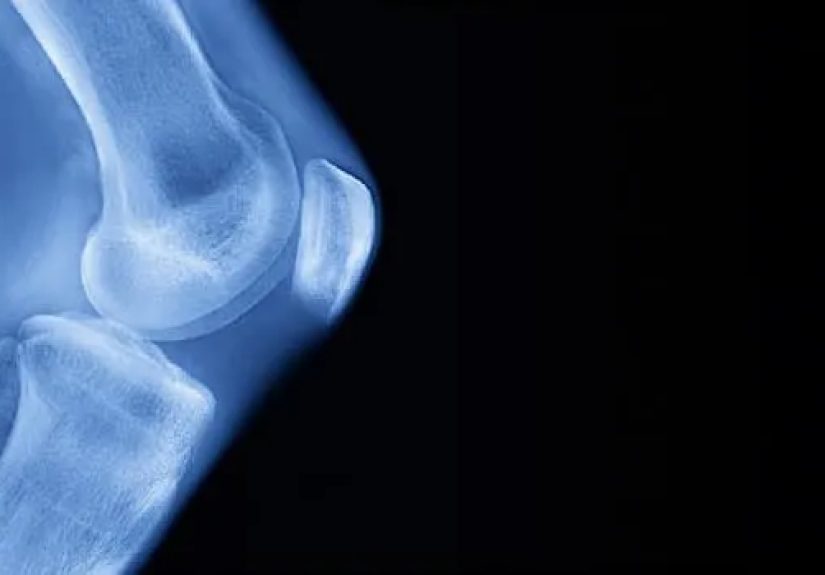
X-rays can show joint space narrowing, bone spurs, and changes in bone. However, X-ray findings do not always match symptoms. A person may have visible OA with little pain, while another may have intense symptoms with mild imaging changes. This is why doctors treat people, not just pictures.
Lab Tests
Blood tests are not usually needed to diagnose osteoarthritis, but they may be used to rule out other conditions, such as rheumatoid arthritis, gout, or infection, when symptoms are unusual.
Treatment: The Big Picture
There is no cure that reverses osteoarthritis completely, and cartilage generally does not regrow like grass after rain. But many people can reduce pain, improve function, and protect mobility with a smart treatment plan. The best approach usually combines movement, education, weight management when appropriate, symptom relief, and medical guidance.
Exercise: The Joint-Friendly Power Tool
Exercise is one of the most recommended treatments for osteoarthritis. That may sound unfair when movement hurts, like telling someone with a sunburn to “try more beach.” But the right kind of movement can help lubricate joints, strengthen supporting muscles, improve balance, reduce stiffness, and support overall health.
Good options often include walking, cycling, swimming, water aerobics, tai chi, yoga, stretching, and progressive strength training. The goal is not to become a superhero by Friday. The goal is to build a routine your joints can tolerate and your life can actually support.
Strength Training
Strong muscles act like shock absorbers. For knee OA, strengthening the thighs, hips, and glutes can reduce stress on the joint. For hip OA, improving hip and core strength may support stability. For hand OA, gentle grip and range-of-motion exercises may help maintain function.
Weight Management
For people with overweight or obesity, weight loss may reduce stress on the knees and hips and may improve pain and mobility. This does not mean every OA conversation should become a lecture about the scale. It means that when weight is part of the picture, even small changes may help the joint workload.
Heat and Cold
Heat can help relax muscles and reduce stiffness, especially before activity. Cold packs may help calm swelling or soreness after activity. A simple visual rule: heat is often helpful for “stiff and tight,” while cold is often useful for “angry and puffy.”
Medications
Medication choices depend on the joint involved, other health conditions, and personal risk factors. Options may include topical anti-inflammatory gels, oral nonsteroidal anti-inflammatory drugs, acetaminophen, or clinician-guided injections. Because some pain relievers can affect the stomach, kidneys, heart, liver, or interact with other medicines, people should use them carefully and follow medical advice.
Physical and Occupational Therapy
A physical therapist can design exercises, improve movement patterns, and help people return to activity safely. An occupational therapist can suggest tools, braces, splints, or home modifications that make daily tasks easier. Sometimes the smartest treatment is not working harder; it is making the task less annoying.
Assistive Devices
Canes, braces, shoe inserts, jar openers, raised toilet seats, ergonomic keyboards, and supportive chairs can reduce strain. These are not signs of defeat. They are clever upgrades. If a kitchen gadget can save your thumb joint, the gadget deserves applause.
Surgery
When severe osteoarthritis causes major pain and disability despite conservative treatment, surgery may be considered. Joint replacement is common for advanced knee or hip OA and can significantly improve quality of life for selected patients. Surgery is not the first stop on the OA road map, but it can be an important option when the joint has become a daily obstacle.
What About Supplements?
Glucosamine and chondroitin are popular supplements for osteoarthritis, especially knee OA. Research has produced mixed results, and major medical organizations do not treat them as miracle solutions. Some people report personal benefit, while others notice no change. Supplements can also interact with medications or create risks for certain people, so it is wise to discuss them with a healthcare provider before starting.
A helpful rule: if a product promises to “rebuild cartilage fast,” “cure arthritis naturally,” or “make your knees 20 again,” your skepticism should put on sunglasses and walk away slowly.
Daily Life Tips for Living With Osteoarthritis
Use the 24-Hour Joint Check
After exercise or a busy day, ask: “How does the joint feel later today and tomorrow?” Mild soreness can be normal when building strength. But pain that spikes sharply, causes limping, or remains worse the next day may mean the activity needs adjustment.
Pace Activities
Instead of doing every chore in one heroic Saturday marathon, spread tasks throughout the week. Your joints may prefer a steady sitcom episode over a three-hour action movie.
Choose Supportive Footwear
Shoes can affect knees, hips, and back mechanics. Supportive, comfortable footwear may reduce joint stress during walking. High heels, worn often, may not be the knee’s favorite co-worker.
Make Your Home Joint-Friendly
Use railings, keep frequently used items at waist height, add non-slip mats, and consider tools with larger grips. Small changes can prevent big aggravations.
Protect Sleep
Pain can disrupt sleep, and poor sleep can increase pain sensitivity. A consistent bedtime routine, comfortable positioning, and appropriate pain management may help break the cycle.
When to See a Doctor
Seek medical advice if joint pain is persistent, swelling is significant, the joint looks red or feels hot, pain follows an injury, you cannot bear weight, symptoms interfere with sleep or daily activities, or stiffness is severe. Sudden intense joint pain may have causes other than osteoarthritis and should not be ignored.
Osteoarthritis is common, but that does not mean people should simply “tough it out.” Early guidance can help protect function and prevent the frustrating cycle of pain, inactivity, weakness, and more pain.
Conclusion: Seeing Osteoarthritis Clearly
Osteoarthritis becomes less intimidating when you can picture what is happening. It is not just “old joints.” It is a whole-joint condition involving cartilage, bone, fluid, ligaments, muscles, movement patterns, and inflammation. The symptoms can be stubborn, but they are not meaningless. Pain, stiffness, swelling, and reduced motion are signals that the joint needs better support.
The encouraging news is that osteoarthritis management is not limited to pills or surgery. Exercise, strength training, weight management when appropriate, heat and cold therapy, physical therapy, assistive tools, and smart pacing can make a real difference. The goal is not perfect joints. The goal is better movement, less pain, and a life that is not organized entirely around avoiding stairs.
Experience-Based Section: Real-Life Lessons From Understanding Osteoarthritis
One of the most important experiences people describe with osteoarthritis is the moment they realize the condition is not simply about pain. It is about planning. A person with knee OA may start thinking about where to park, how many stairs are at a friend’s house, whether a chair has arms, or how long they can stand in line at the grocery store. These small calculations can feel frustrating, but they also reveal something useful: osteoarthritis is highly connected to daily habits and environments.
For example, someone with hand osteoarthritis may not struggle all day, but opening a tight pasta sauce jar can feel like a wrestling match against glass. The solution may not be stronger willpower. It may be a rubber jar opener, an electric can opener, wider pen grips, or rearranging the kitchen so frequently used items are easier to reach. These changes seem small until they save pain every single day.
Another common experience is fear of movement. Many people assume that if a joint hurts, movement must be damaging it. That fear is understandable, but it can lead to a trap. Less movement often means weaker muscles, poorer balance, more stiffness, and greater pain during normal activities. A better approach is graded movement: start gently, track symptoms, and increase slowly. A five-minute walk, a few sit-to-stand exercises, or water aerobics may be more realistic than suddenly declaring, “I am now a marathon person.” The joints vote on these decisions, and they prefer gradual democracy.
People also learn that osteoarthritis has good days and bad days. Weather, sleep, stress, activity, footwear, and even long car rides can influence symptoms. Keeping a simple symptom journal for two or three weeks can reveal patterns. Maybe the knee flares after kneeling in the garden. Maybe the hip complains after sitting too long. Maybe the hands ache after a marathon texting session. Once patterns are visible, solutions become easier.
Many patients find that the emotional side of OA deserves attention too. Chronic joint pain can make a person feel older, slower, or less independent. It can be annoying to ask for help or to modify beloved activities. But adapting is not giving up. It is strategy. A gardener might use raised beds. A walker might switch to shorter routes more often. A cook might use lighter pans. A traveler might request aisle seats or plan stretch breaks. The activity stays; the method evolves.
Perhaps the biggest lesson is that osteoarthritis management works best as a toolkit, not a single magic button. A person may use morning heat, supportive shoes, lunchtime walking, evening stretching, occasional medication, and a cane on long outings. None of these alone is glamorous. Together, they can protect independence. Osteoarthritis may change the conversation with your joints, but with the right visual understanding and daily habits, you can keep that conversation from turning into a shouting match.