Table of Contents >> Show >> Hide
- Why Commune’s Rugs Matter in the First Place
- Commune in Los Angeles: Why the Place Matters
- Walls, Windows, and Floors: How to Style a Commune-Inspired Room
- Material Matters: Why Commune-Style Rugs Feel So Good
- How to Use a Commune Rug in Real Rooms
- Common Mistakes to Avoid
- 500-Word Experience Section: What It Feels Like to Live With a Commune-Inspired Rug
- Conclusion
- SEO Tags
If your room feels almost rightbut not quite magazine-level “why is this so good?”the missing piece is often under your feet. A great rug can pull the walls, windows, furniture, and lighting into one cohesive story. And if you’re talking about rugs with personality, Commune in Los Angeles is one of the most interesting names in the conversation.
Commune has long been associated with a distinctly California point of view: relaxed but intentional, artistic but livable, layered but never fussy. In other words, the kind of interiors that look like someone with excellent taste actually lives there. Their rug work fits that identity beautifully. From early neutral, textural pieces to newer collections that lean into bolder pattern and color, Commune’s designs offer a useful lesson in how floors can influence an entire roomfrom wall color choices to curtain placement and material selection.
In this guide, we’ll break down what makes Commune’s rugs stand out, how to style them with walls and windows (yes, curtains matter more than people admit), and how to apply designer-approved rug sizing and layering rules without making your living room look like a postage stamp with a coffee table on top.
Why Commune’s Rugs Matter in the First Place
From a Quiet, Textural Debut to a Recognizable Design Signature
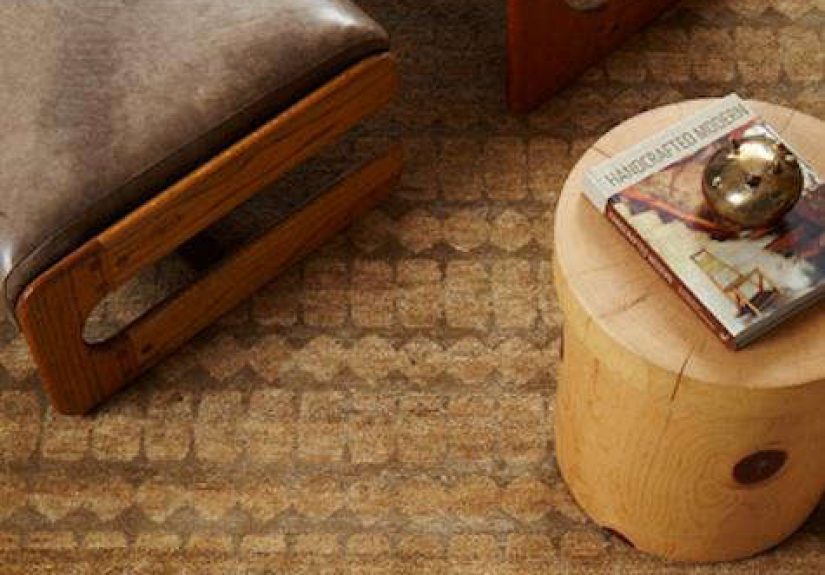
Commune’s rug story has roots in Los Angeles and a long-standing design culture that values materiality as much as visual impact. An earlier Remodelista feature highlighted Commune’s first rug collection as a collaboration in Los Angeles, describing rugs made in Nepal with hand-knotted wool, hemp, and silk in subtle patterns and neutral tones. That alone tells you a lot about the brand’s DNA: texture over flash, craftsmanship over gimmicks, and a preference for pieces that age well.
Fast-forward, and the studio’s rug work has expanded in exciting ways. Commune’s collaborations with Christopher Farr pushed the line further into expressive territory while keeping the tactile richness that makes their work feel grounded. One Christopher Farr description emphasizes the use of silk and wool together, plus manipulated pile heights, which is designer-speak for “this rug looks different as light moves across it”a huge win if you care about rooms that feel alive throughout the day.
California Cool, Bauhaus Geometry, and a Little Counterculture
Commune’s aesthetic is often described as “California cool,” but that phrase can be a little vague. In practice, it means a blend of natural materials, lived-in comfort, artistic references, and a strong eye for proportion. Architectural Digest’s AD100 profile of Commune points to the studio’s “unfussy, rustic charm” and notes their work across interiors and product design, which helps explain why their rugs feel like part of a bigger design language instead of standalone accessories.
The collaborations also reveal how broad that language can be. Christopher Farr Cloth describes the Commune x Christopher Farr collection as inspired by traditional patterns and Bauhaus textiles filtered through a California lens. That’s a pretty perfect summary of the best Commune rugs: they can feel historical and modern at the same time. Meanwhile, Interior Design highlighted a later collection by Commune cofounder Steven Johanknecht, noting that paintings created during lockdown were translated into rug patterns with a nod to mid-century Swedish and Scandinavian carpets. So yes, these rugs are decorativebut they’re also design ideas in textile form.
And then there’s the playful side. Commune Shop’s “Psychedelic” rug collection (created for Christopher Farr) leans into floral and botanical motifs through a California counterculture lens, including poppies, mushroom references, and a punk-ish reinterpretation of traditional ornament. It’s the kind of move that keeps Commune from feeling too precious. They know how to do elegant, but they also know how to have fun.
Commune in Los Angeles: Why the Place Matters
Commune isn’t just a brand name stamped onto productsit’s a Los Angeles design studio shaped by local light, architecture, and lifestyle. Architectural Digest has repeatedly connected the founders, Roman Alonso and Steven Johanknecht, to L.A., including a look inside their neighboring apartments in Los Feliz. That setting matters, because Los Angeles interiors demand a different rhythm than, say, a formal East Coast townhouse: more sun, more indoor-outdoor flow, more visual softness, and often more emphasis on texture than heavy ornament.
Commune’s own editorial content reinforces that mood. In a Commune Post feature about Roman Alonso’s home, details like patchwork curtains filtering western sun “like stained glass” reveal how the studio thinks: rooms aren’t just assembled; they’re tuned. Windows become lighting tools. Textiles become atmospheric devices. A rug in that ecosystem isn’t just floor decorit’s part of a layered composition involving sunlight, wall tone, artwork, and furniture silhouette.
Even a short Dwell profile image caption about Roman Alonso and Commune underscores the studio’s multi-disciplinary approach, referencing the group’s work across residences, retail environments, identities, and more. That cross-disciplinary mindset shows up in the rugs: they feel like they belong to people who care about the whole room, not just a shopping checklist.
Walls, Windows, and Floors: How to Style a Commune-Inspired Room
Walls: Let the Rug Talk, but Don’t Make the Walls Whisper
A common mistake when styling a statement rug is treating the walls like they don’t matter. They matter a lot. House Beautiful notes that color drenchingusing one color across walls, moldings, doors, and even ceilingscan make a room feel more expansive by erasing visual boundaries. That approach works especially well with patterned or textural rugs because it gives the floor a strong backdrop without visual competition.
If your Commune-style rug is bold (think geometric, floral, or high contrast), a unified wall color can make the room feel intentional instead of chaotic. If the rug is subtlersay, a wool-and-silk neutral with tonal variationyou can afford a little more contrast on the walls, including a richer paint tone or a wallpaper with a low-contrast pattern.
Better Homes & Gardens also offers a practical styling principle that’s especially useful here: matching or complementing the rug with wall colors creates cohesion. They also point out that a lighter, textured rug can brighten a room with darker accent walls. This is classic Commune territory: a moody room with plenty of texture, softened by a warm, tactile rug that keeps the space from feeling heavy.
Windows: Curtains Are the Rug’s Best Friend
Rugs anchor a room horizontally, while curtains help it read correctly vertically. If you get one right and the other wrong, the room still feels off. Fortunately, the curtain rules are pretty simple and widely agreed upon by design pros.
Apartment Therapy recommends mounting curtain rods about 4 to 6 inches above the window frame and extending the rod wider than the window (often 8 to 12 inches wider) so the window looks larger and the room feels more spacious. They also advise using enough fabric so curtains look full, not skimpy. Translation: if your rug is doing luxurious texture work and your curtains look like two napkins clipped to a rod, the spell is broken.
The Spruce and Better Homes & Gardens echo similar guidance: hang curtains high enough to visually elongate the room, and make sure your measurements support a polished drape. This matters especially in L.A.-style interiors, where daylight is a major design feature. Commune’s own Los Feliz apartment detailslike patchwork curtains filtering strong western lightshow how window treatments can shape mood, color, and even the way a rug reads during morning versus late afternoon.
Practical tip: if your rug has a lot of pattern, keep curtains textural and quieter (linen, cotton, or soft woven blends). If your rug is subtle, you can let the curtains carry more visual personalitystripes, block print, or patchwork accents. The goal is balance, not a fabric talent show.
Floors: Rug Size, Placement, and Layering Make or Break the Room
This is where a lot of otherwise stylish spaces go wrong. Multiple design publications agree on the same core rule: most people choose rugs that are too small. The Spruce says a too-small rug can make a room feel uninviting, and House Beautiful similarly recommends choosing a rug large enough to fit at least the front legs of sofas and chairs.
Architectural Digest and Veranda both reinforce the importance of proportion and placement. AD emphasizes using furniture placement as your sizing metric, while Veranda adds that you should leave an intentional border of exposed flooring and ensure dining chairs don’t slide off the rug when pulled out. In plain English: the rug should feel integrated with the room, not like a floating island under the coffee table.
For dining rooms, HGTV’s sizing guidance is useful and refreshingly practical, with common sizes like 8′ x 10′ and 9′ x 12′ for many setups. If you’re styling a Commune-inspired dining spaceespecially one with sculptural chairs, a vintage table, or bold artrug sizing becomes even more important because every proportion is visible.
Layering is another strong move, particularly if you love the look of smaller artisan rugs but your room needs a larger footprint. HGTV, BHG, and Domino all support layered-rug strategies. Domino specifically suggests centering a smaller rug on top of a larger neutral base (jute or sisal works well), which helps define a conversation zone while keeping things cozy and collected. BHG also recommends starting with a large base rug that fits under key furniture pieces, then adding a top layer for contrast or pattern.
This layering approach pairs beautifully with Commune’s design sensibility because it creates depth. A textured base plus a more artistic top rug can mirror the same “layered but calm” feeling you see in Commune interiors and product styling.
Material Matters: Why Commune-Style Rugs Feel So Good
One thing that separates a good-looking room from a room you actually want to sit in is material choice. Commune’s rug collaborations often emphasize wool, silk, and textural variation, and that’s not accidental. Christopher Farr and Christopher Farr Cloth both highlight fiber combinations and pile manipulation as key features, and those details affect everything from sheen to softness to durability.
House Beautiful and The Spruce both offer helpful material guidance: use more durable materials (like wool or certain synthetics) in high-traffic areas, and reserve more delicate or luxurious fibers for lower-traffic spaces. This is especially relevant when choosing a rug inspired by a designer collection. The rug may look like art, but your home still contains real-life events like shoes, pets, snacks, and that one friend who somehow spills sparkling water.
The Spruce also recommends choosing rug material based on room function, while House Beautiful notes how color and material affect perceived spaciousness. A lighter rug over dark flooring can make a room feel larger; textured neutrals can soften strong architecture; and wool-jute blends can deliver both structure and warmth. These are exactly the kinds of decisions that make a Commune-inspired room feel intentional rather than trend-chasing.
How to Use a Commune Rug in Real Rooms
Living Room
Start with layout, not color. Use the “front legs on” rule at minimum, and size the rug based on your seating arrangement. If your walls are already expressivedeep paint, art, shelvingchoose a rug with tonal depth and texture rather than high contrast. If the room is simpler, a patterned Commune-inspired rug can become the focal point.
For windows, hang curtains high and wide to visually expand the room, then choose a fabric weight that complements the rug. A soft linen panel with a subtle weave often pairs beautifully with a hand-knotted rug because both materials catch light in a gentle, irregular way.
Bedroom
Bedrooms are where texture earns its paycheck. The Spruce’s rug layout guidance and Veranda’s emphasis on floor clearance help here: you want enough rug coverage to feel softness underfoot without wall-to-wall heaviness. In a Commune-style bedroom, consider a wool or wool-silk rug with quiet patterning, then repeat that softness in the window treatmentslight-filtering curtains, Roman shades, or layered drapery if the room gets strong sun.
Architectural Digest’s Sea Ranch project coverage (which includes a Commune for Christopher Farr rug and canvas shades) is a great example of this balance: rug, window treatment, and wood surfaces all work together without shouting over one another.
Dining Room
Dining rooms are a sizing test. Use HGTV and Veranda’s dining guidance: your chairs need to stay on the rug even when pulled out. If your room is compact, a patterned rug can add richness without requiring extra decor. If your room is already busy (art wall, statement pendant, mixed chairs), choose a rug with a calmer pattern and richer texture.
If you love the Commune look but worry about maintenance, lean toward durable fibers and lower piles in dining zones. You can still get the same layered California feeljust make it practical enough for Tuesday night pasta.
Common Mistakes to Avoid
1) Buying the rug before measuring the room
Beautiful rugs have a way of convincing people they can “make it work.” Sometimes you can. Usually, you end up with a gorgeous rectangle floating awkwardly in the middle of the room. Use painter’s tape to map dimensions on the floor firsta tip supported by both The Spruce and other design pros across the space-planning conversation.
2) Treating curtains as an afterthought
If your curtain rod sits too low or the panels are too narrow, the room will feel short and underdressed no matter how beautiful the rug is. Hang high, go wider than the window, and use enough fabric to create fullness.
3) Ignoring wall color when choosing the rug
Rugs don’t exist in isolation. The same rug can feel warm and sophisticated against olive walls, fresh and graphic against white, or muddy against the wrong beige. Test paint swatches and fabric samples together if possible. Your future self will thank you.
4) Overmatching everything
Cohesion is good. A room that looks like it came pre-bundled in one shopping cart is less good. Commune’s best interiors feel layered because they combine related tones, mixed textures, and a little tension. Aim for “conversation,” not uniformity.
500-Word Experience Section: What It Feels Like to Live With a Commune-Inspired Rug
The most useful way to understand a Commune-style rug is not to think of it as a purchase, but as a change in how the room behaves. The first thing you notice is visual gravity. Before the rug, the room may feel like a collection of nice objects: a sofa, a lamp, a coffee table, some art, a chair you swear guests sit in (they don’t). After the rug, those pieces start relating to each other. The room suddenly has a center.
In a bright Los Angeles-style space, that change can be dramatic. Morning light hits a hand-knotted surface differently than it hits painted walls or smooth wood floors. A wool-and-silk mix can look matte at one angle and softly reflective at another, which means the room changes character throughout the day. It’s subtle, but once you see it, you can’t unsee it. The rug stops being a flat color block and starts acting like part of the lighting design.
There’s also a tactile shift. Rooms with a Commune-inspired approach tend to mix hard and soft surfacesplaster or painted walls, wood or stone, woven shades, upholstery, ceramics, and then a rug that ties it all together. When you walk into that kind of room barefoot, it feels finished in a way that a visually pretty room sometimes doesn’t. The texture underfoot makes the space feel inhabited, not staged.
Another experience people don’t expect is how a rug influences sound. A good rug softens the room acoustically, especially in open layouts with lots of glass or hard flooring. Conversations feel warmer. Music sounds less sharp. Even the clink of a mug on the coffee table feels less echo-y. In practical terms, the room becomes more comfortable to be in for longer periods of time.
The biggest design benefit, though, is confidence. Once a strong rug is in place, decorating decisions become easier. Wall color becomes clearer. Curtain fabric choices make more sense. You can see whether the room wants contrast or calm. In that way, a Commune-style rug acts like a design anchor and a design editor at the same time.
And yes, there’s an emotional component too. Commune’s work often carries an artistic, collected qualitysomething between gallery and home, but warmer than either. Living with a rug in that spirit can make everyday routines feel more intentional. Morning coffee near the window. Reading in a chair that finally feels like it belongs there. Sunlight moving across the pattern in late afternoon. None of this is dramatic, but that’s the point. Good design improves ordinary moments.
If you’re aiming for that “California cool but actually livable” feeling, start with the floor, then let the walls and windows follow. It’s not the only way to design a room, but it is one of the smartest. And if Commune is the reference point, you’re starting from a very good place.
Conclusion
Commune’s rugs from Los Angeles are a masterclass in how flooring can shape the entire room. Their collections blend craft, material richness, and a distinctly California design sensibilitywhether the look leans neutral and textural or bold and countercultural. The real takeaway is bigger than one brand: the best interiors are built through relationships between surfaces. Walls set the tone, windows manage light, and rugs create the visual and tactile foundation.
If you want a room that feels polished, comfortable, and personal, think beyond “which rug looks nice?” and ask how the rug works with your paint, curtains, furniture layout, and daily life. That’s the Commune approach in spiritand it’s a very good one to steal.