Table of Contents >> Show >> Hide
- Why This Ceiling Fan Makeover Works So Well
- What You Need for a Washi Tape Drum Shade Ceiling Fan Makeover
- Before You Start: Safety and Compatibility Matter
- How to Design the Look Before You Commit
- Step-by-Step: Washi Tape Drum Shade Ceiling Fan Makeover
- Common Mistakes to Avoid
- Style Ideas for Different Rooms
- Why This Project Has Real Staying Power
- Final Thoughts
- Experience Notes: Living With a Washi Tape Drum Shade Ceiling Fan Makeover
- SEO Tags
A boring ceiling fan can drag down a room faster than a bad paint color and a sad overhead bulb working overtime together. The good news is that not every fan makeover requires a full electrical project, a dramatic budget, or the emotional resilience needed to browse 700 lighting options online. Sometimes, all it takes is a clean-lined drum shade, a few rolls of washi tape, and a little design bravery.
This washi tape drum shade ceiling fan makeover is the kind of project that lands in the sweet spot between affordable, stylish, and surprisingly satisfying. It softens the look of an outdated fan, hides those overly decorative glass shades that scream “builder-grade, circa who-knows-when,” and gives the light a more polished, custom feel. Better yet, washi tape adds pattern without the long-term commitment of paint, which makes this approach especially appealing for people who like change, fear irreversible decisions, or simply enjoy a weekend project with visible payoff.
In this guide, you’ll learn how to plan the makeover, choose materials that actually make sense, avoid common mistakes, and pull off a finish that looks intentional rather than “I panic-decorated at 11 p.m.”
Why This Ceiling Fan Makeover Works So Well
A drum shade instantly changes the silhouette of a ceiling fan light. Instead of several exposed bulbs or ornate glass globes, you get one cleaner form that feels softer, more modern, and more edited. The effect is subtle but dramatic: the fan still does its practical job, but now it looks like it belongs in the room instead of apologizing for existing.
Washi tape is the clever twist. Because it comes in countless colors and patterns, it gives you a low-commitment way to add stripes, borders, geometric accents, faux trim, or tonal detail to a plain drum shade. It is especially useful when you want a custom look without sewing fabric, spraying paint indoors, or buying a more expensive designer shade.
This makeover also works because it solves multiple design problems at once:
- It updates an outdated fan without replacing the entire fixture.
- It hides exposed bulbs for a cleaner visual profile.
- It helps tie the ceiling fan into the room’s color palette.
- It can be done in a weekend without turning your living room into a renovation zone.
What You Need for a Washi Tape Drum Shade Ceiling Fan Makeover
Main Materials
- Plain drum shade or drum shade kit sized for your fan light area
- Washi tape in 2 to 4 coordinating colors or patterns
- LED bulbs approved for your fan and light kit
- Soft microfiber cloth
- Mild cleaner or degreaser
- Scissors or a craft knife
- Measuring tape or flexible ruler
- Painter’s tape for temporary layout marks
Optional Extras
- Adhesive ruler guide or cutting mat for precise stripes
- Rubber roller or old gift card to smooth tape edges
- Remote-compatible dimmable LED bulbs
- Replacement light kit parts if your current setup is missing hardware
Before You Start: Safety and Compatibility Matter
This project may look like a decor upgrade, but it still sits next to electricity, moving blades, and heat. That means the style decisions need a little common sense chaperone.
1. Treat the Drum Shade as Decorative, Not Structural
The shade should fit your fan’s light area properly and should not interfere with the motor housing, blade movement, pull chains, or ventilation. If you are replacing parts or adding a new light kit, check your fan model information and use compatible parts where possible. A “close enough” attitude is charming in karaoke, not in ceiling fixtures.
2. Turn Off Power First
If you are removing existing shades, touching wiring, or swapping a light kit, switch off power at the wall and breaker before doing anything else. If you are only decorating a removable shade on a work table, life is easier. Still, do all installation work with the power off.
3. Use the Right Bulbs
Choose LED bulbs that match your socket type and never exceed the maximum wattage listed for the fixture. This is not a “more is more” situation. A lower-heat lighting setup is especially smart when adding a decorative shade because style should glow, not smolder.
4. Keep Washi Tape Away from Bulbs and Hot Components
Apply washi tape only to the exterior surface of the drum shade or to cool, non-electrical decorative surfaces. Do not wrap tape around sockets, wiring, vents, or any part that gets hot. The tape is there to add visual personality, not to audition as an electrical accessory.
5. Check the Ceiling Fan Itself
If you are installing or replacing the entire fan, confirm the electrical box is rated for ceiling fans and that all mounting hardware is secure. A beautiful fan is great. A beautiful fan that remains attached to the ceiling is even better.
How to Design the Look Before You Commit
The best ceiling fan makeover ideas usually start with restraint. A plain white or off-white drum shade is often the easiest base because it works with nearly any decorating style and allows the washi tape to become the feature.
Simple Design Directions That Work
- Classic border: Run one band of tape along the top edge and one along the bottom edge for a crisp tailored finish.
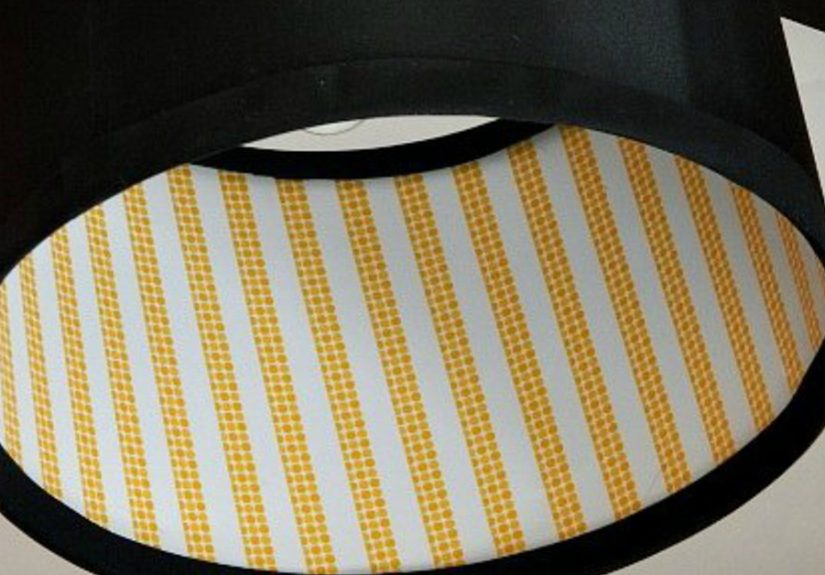
- Vertical stripe: Add evenly spaced stripes from top to bottom to mimic wallpaper or fabric trim.
- Tone-on-tone pattern: Use beige, taupe, cream, or gray tapes for a subtle designer look.
- Bold graphic: Mix black and white tape for a modern, high-contrast effect.
- Kids’ room or craft room: Try playful colors, but keep the layout organized so it still feels intentional.
A smart rule: if the ceiling fan is already visually busy, keep the tape pattern simple. If the fan body is minimal, the shade can handle a bit more personality. You want balance, not visual karaoke.
Step-by-Step: Washi Tape Drum Shade Ceiling Fan Makeover
Step 1: Clean Everything
Dust, grease, and mystery ceiling grime are the sworn enemies of a polished finish. Remove the old shades if possible, wipe down the fan light area, and clean the new drum shade gently according to its material. If you skip this step, the tape may lift early or sit unevenly, which is the DIY equivalent of spinach in your teeth.
Step 2: Measure the Shade
Measure the height and circumference of the drum shade so you can plan spacing before applying tape. Even casual-looking designs tend to look better when the math has done at least some of the heavy lifting.
Step 3: Test a Layout First
Use small pieces of painter’s tape to mark where stripes or borders will go. Step back and look at the shade from several angles. A pattern that seems great at six inches away may look chaotic from the doorway.
Step 4: Apply the Washi Tape Slowly
Start with the most visible line, usually the top border or center stripe. Smooth the tape as you go rather than pulling it tight. Overstretching can cause wrinkles, crooked lines, or eventual lifting. Trim neatly at seams so the finish looks clean and not like a present wrapped in the dark.
Step 5: Burnish the Tape Gently
Use your fingertips, a soft cloth, or an old gift card to press the tape down smoothly. Focus on edges and overlapping points. The goal is a polished surface without bubbles or loose corners.
Step 6: Install the Shade Carefully
Once the design is finished, reinstall or attach the drum shade according to the kit or fixture instructions. Make sure it hangs evenly and does not tilt into bulbs, hardware, or moving parts. If the fit seems off, stop and correct it before turning the power back on.
Step 7: Add the Right LED Bulbs
Install bulbs that match the fan’s socket and approved wattage. If you want mood lighting, choose dimmable LEDs and confirm your control is compatible. If you want brighter task lighting, pay attention to lumens rather than just wattage.
Step 8: Test the Light and the Fan
Turn the power back on and check both the light and fan settings. Watch for wobble, rubbing, glare, or uneven illumination. A great makeover should look good both standing still and spinning above your head like it pays rent.
Common Mistakes to Avoid
Using the Wrong Shade Size
A drum shade that is too large can overwhelm the fan and feel clunky. Too small, and it looks like the project got stage fright. Proportion matters. Choose a size that visually softens the fixture without crowding the hardware.
Picking Tape That Fights the Room
Washi tape is fun, but not every pattern belongs overhead. Neon chevrons may be perfect in a craft corner and absolutely feral in a calm bedroom. Match the tape to the room, not just your mood in the craft aisle.
Ignoring Lighting Quality
A drum shade changes how light is diffused. If the room already feels dark, choose bulbs with adequate brightness and a color temperature that suits the space. Warm white often works well in bedrooms and living rooms, while a slightly brighter neutral tone can suit kitchens, offices, or laundry rooms.
Using Tape as a Heat-Tolerant Finish
Washi tape is a decorative accent, not a high-heat material. Keep it on the outer, cooler part of the shade and make bulb choice part of the makeover plan. This is one reason LED bulbs are such a practical partner for the project.
Skipping the Trial Run
Patterns that look charming on a table can read very differently when elevated near the ceiling. Always test the layout before fully committing. Your neck will thank you later.
Style Ideas for Different Rooms
Bedroom
Use a linen-look drum shade with thin taupe or soft black tape borders. The result feels calm, tailored, and slightly boutique-hotel without the boutique-hotel bill.
Home Office
Try slim vertical stripes in black, gray, or muted blue. This gives the fan a more architectural feel and helps the room look more considered on video calls.
Nursery or Kids’ Room
Use pastel tape in evenly spaced stripes or little color-block sections. Keep the pattern clean so it grows with the room instead of feeling too theme-heavy.
Laundry Room or Small Hallway
A plain white drum shade with one metallic-look border can make a utility space feel surprisingly finished. Tiny room, big ego, excellent results.
Living Room
Choose subtle texture over loud pattern. A neutral drum shade with a dark top and bottom line can help a standard fan blend into a more grown-up decorating scheme.
Why This Project Has Real Staying Power
Some DIY updates look clever for about two weeks and then begin to radiate “temporary decision.” This one lasts because it improves the shape, finish, and light quality of a highly visible fixture. It is not just decoration for decoration’s sake. It helps the ceiling fan feel integrated with the room.
It is also flexible. If your style changes, you can refresh the look with new tape patterns, switch to a different drum shade, or remove the decorative detailing and start over. That kind of adaptability is part of what makes this makeover so appealing for renters, budget decorators, and anyone allergic to buyer’s remorse.
Final Thoughts
A washi tape drum shade ceiling fan makeover proves that small design moves can do a lot of heavy lifting. You are not just covering an outdated light fixture. You are editing the entire ceiling line, softening the light, and giving the room a custom detail that feels more elevated than its price tag suggests.
The best version of this project is the one that balances creativity with restraint and style with safety. Choose the right shade, use approved bulbs, keep decorative materials where they belong, and let the pattern support the room instead of hijacking it. Done well, this makeover feels fresh, intentional, and just clever enough to make guests ask where you bought it. That is when you get to say, very casually, “Oh, that? I made it.”
Experience Notes: Living With a Washi Tape Drum Shade Ceiling Fan Makeover
The most surprising part of this project is how much it changes the mood of a room without changing the room itself. Before the makeover, the ceiling fan often feels like a practical object you tolerate. It moves air, it provides light, and that is about as much emotional support as it offers. After adding a drum shade and carefully placing washi tape details, the fan suddenly starts behaving like part of the decor plan. It no longer looks like the last thing installed before a house was listed for sale. It looks chosen.
In real-life use, the drum shade tends to soften the visual noise first. That matters more than people expect. Standard ceiling fan light kits can look busy, especially when they have multiple exposed bulbs, dated glass, or finishes that do not match anything else in the room. A simple shade creates one clean shape, and that cleaner shape makes the entire ceiling feel calmer. Even before anyone notices the tape pattern, they usually notice that the fixture feels less awkward.
The washi tape itself brings in the kind of detail that reads custom from across the room. Up close, it is charming. From a distance, it reads more like trim, subtle banding, or a tailored accent. That is why the project works best when the design is deliberate. Thin stripes, neat borders, and repeated spacing feel more elevated than random tape placement. The experience of living with it is better when the pattern has rhythm instead of chaos.
Another nice surprise is how easy it is to tweak. If one stripe feels crooked, or a color starts to annoy you three weeks later, you are not stuck with it forever. That flexibility makes the makeover feel low pressure in the best way. It invites experimentation. You can go neutral and classic, try something playful for a child’s room, or update the pattern seasonally if you are the kind of person who believes every month deserves its own decorating subplot.
There is also a practical side to the experience. When paired with the right LED bulbs, the light usually feels softer and more diffused than a typical exposed-bulb fan light. In bedrooms and living rooms, that can make the space feel more comfortable at night. In an office, it can make the fixture look cleaner on camera. In a hallway or laundry room, it can make a humble little space feel unexpectedly finished, which is a rare and beautiful thing.
The biggest lesson from actually living with the project is that restraint wins. The fans that age best are the ones with simple tape layouts and colors that connect to the room. The makeover should feel like a design detail, not a cry for help from the ceiling. When you keep that balance, the result looks polished, personal, and smart enough to fool people into thinking it came from a boutique lighting shop instead of a weekend DIY session and a very determined roll of tape.