Table of Contents >> Show >> Hide
- Why a Welly Boot and Shoe Rack Is More Than “Just Storage”
- What to Look for When Choosing a Rack
- Popular Types of Welly Boot and Shoe Racks
- Set It Up Like a Pro: A Mudroom System in 30 Minutes
- Care, Cleaning, and Odor Control
- Small-Space Solutions That Don’t Feel Like Punishment
- DIY and Budget Hacks for a Welly Boot and Shoe Rack Setup
- Buying Checklist: Choose the Right Rack the First Time
- Experience Notes: What Usually Happens When People Actually Use a Welly Boot and Shoe Rack
- Conclusion
If your entryway looks like a shoe store explodedexcept somehow wetter and with more mystery smellsyou’re not alone.
Welly boots (aka Wellington boots, rain boots, “the only reason my socks survived that puddle”) are amazing… right up until
they’re dripping on your floor and flopping over like tired sea lions.
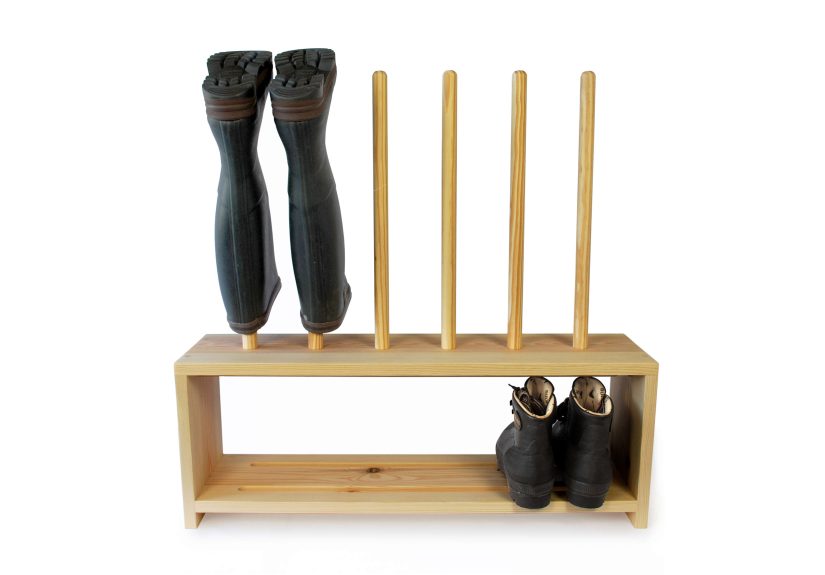
A welly boot and shoe rack isn’t just a place to stack footwear. It’s a mini system for keeping mud, water,
and clutter containedso your home feels calmer the second you walk in. In this guide, we’ll break down how to choose the
right rack, where to put it, what features actually matter (spoiler: ventilation and drip control), and how to set it up so
it works in real lifenot just in staged photos where nobody owns sneakers.
Why a Welly Boot and Shoe Rack Is More Than “Just Storage”
Wet boots and shoes create two problems: mess and moisture. The mess is obviousmud, grit,
road salt, and puddle soup. Moisture is the sneaky part: damp footwear trapped in a pile dries slowly, can get funky fast,
and can even shorten the life of the shoe (especially leather, glued soles, and anything with cushioning that holds water).
A good rack keeps footwear off the floor, spaced out for airflow, and paired with a tray or mat to catch the
drip. That combination helps your entryway stay cleaner, safer (fewer slip-and-trip hazards), and way more pleasant to live
withespecially in rainy seasons, snowy winters, or in any household where the words “just hose it off” are spoken weekly.
What to Look for When Choosing a Rack
1) Capacity, spacing, and real-life shoe math
Many racks claim a pair count that assumes every shoe is the size of a polite paperback book. Reality check:
men’s work boots, chunky sneakers, and welly boots take more space than dress flats.
- Rule of thumb: plan for 2–3 pairs per person near the door (daily rotation + weather pair + “I’m running out for one thing” pair).
- Boot-friendly shelves: look for taller clearance between tiers, or adjustable shelves that can handle rain boots and winter boots.
- Wide, not deep: shallow racks (often under ~12 inches deep) keep walkways clear in small entryways.
2) Ventilation (aka: the difference between “drying” and “marinating”)
Wet footwear dries faster when it’s open, spaced, and exposed to moving air. That’s why open-wire shelves and slatted designs
are popular: air can pass through instead of getting trapped.
If you regularly deal with soaked shoes, look for a setup that pairs your rack with simple drying habits:
remove insoles when possible, loosen laces, and let shoes dry at room temperature with airflow (a small fan helps).
Avoid blasting footwear with high heat; it can damage materials and weaken adhesives.
3) Drip control: trays, grates, and “mud containment”
A rack without drip control is basically telling water to “do your worst.” If you store wet wellies or snow boots,
prioritize one of these:
- Boot tray / shoe tray: raised edges contain water and grime; ridges or texture help keep soles from sitting in a puddle.
- Rack over a tray: a grate or wire shelf sitting above a tray lets boots drain while keeping them elevated.
- Easy-clean mat: a washable rubber mat works well when you want a simpler, flexible footprint.
4) Materials: pick what matches your climate and your chaos level
Materials matter because entryways get abused. You want something that can handle wet soles, grit, and the occasional
“someone stepped on it while carrying groceries” moment.
- Powder-coated metal: great for durability, often easy to wipe down, usually ventilated.
- Plastic/resin: lightweight, budget-friendly, and water-resistantnice for garages and mudrooms.
- Wood/bamboo: warm-looking and popular indoors; just make sure it’s sealed or paired with a tray for wet gear.
- Enclosed cabinets: tidy-looking, but ensure there’s airflow (slatted doors or vents) or shoes may stay damp longer.
5) Stability and safety (especially with tall boots)
Welly boots are top-heavy. If you’ve ever watched one slowly lean, topple, and then smack the wall like a dramatic faint,
you already understand the stability problem.
- Choose racks with a wide base, non-slip feet, or wall anchoring.
- For families, look for rounded edges and sturdy shelves that don’t wobble.
- If you’re going vertical to save space, anchor it (especially in high-traffic zones).
Popular Types of Welly Boot and Shoe Racks
Open tier shoe racks
These are the everyday workhorses: simple, breathable, and easy to load. They’re ideal if you want shoes visible and
accessiblegrab-and-go without opening doors or drawers.
Best for: everyday sneakers, flats, casual shoes, and households that value speed over “magazine-perfect” hiding.
Bench + rack combos (sit, store, win)
A bench with shoe storage underneath is a huge quality-of-life upgrade. Sitting to put on boots reduces the entryway
balancing act (also known as “the one-sock hop of danger”).
Best for: kids, older adults, anyone who wears lace-up boots, and small entryways where furniture needs to do double duty.
Vertical towers and slim racks
When floor space is tight, vertical storage helps. Slim towers and stackable racks can hold multiple pairs in a narrow
footprint, often fitting behind doors or into awkward corners.
Best for: apartments, narrow hallways, and “we have shoes but we do not have space” situations.
Wall-mounted boot racks
Wall-mounted options keep the floor clear and can help boots drain and dry. Some designs store boots upside down or on
angled pegs so air circulates better.
Best for: mudrooms, garages, busy families, and anyone who’s tired of stepping around a footwear obstacle course.
Enclosed shoe cabinets (when you want clutter to disappear)
Shoe cabinets look neat and keep visual noise down. The tradeoff: drying and airflow can be slower if the cabinet is too
sealed. Look for slatted shelves, vents, or breathable designsespecially if wet footwear goes inside.
Best for: entryways that open into living spaces, minimalist homes, and people who prefer “shoes? what shoes?” energy.
Over-the-door organizers (surprisingly useful)
Over-the-door shoe organizers save floor space and can hold a lot of pairs. They’re best for lighter shoes, but some
designs can accommodate smaller boots or kids’ rain boots.
Best for: small homes, renters, and anyone who wants storage without drilling into walls.
Set It Up Like a Pro: A Mudroom System in 30 Minutes
Buying a rack is step one. Making it work is step two. Here’s a fast setup that keeps wet-weather mess under control:
Step 1: Create a “dirty zone” and a “clean zone”
- Dirty zone: boot tray + welly boot rack (where wet shoes land first).
- Clean zone: indoor shoes or slippers, stored higher or in a separate cubby.
Step 2: Add a drip catcher
Put a boot tray or washable mat under the rack. If your rack has wire shelves, that’s even betterwater can drop down into
the tray while shoes stay elevated.
Step 3: Make it effortless to follow
The best organization trick is the one people actually do. Keep it simple:
- Store only the pairs you wear weekly near the door.
- Use a basket for “overflow” if your household is allergic to putting shoes neatly on shelves.
- Label hooks or bins for families (gloves, hats, dog leash, reusable bags).
Step 4: Support drying
If your climate is wet, place a small fan nearby on rainy days, or use a boot dryer station in the mudroom/garage for the
“these are soaked” emergencies. A little airflow goes a long way.
Care, Cleaning, and Odor Control
A welly boot and shoe rack stays nice when you give it quick, regular maintenancenothing heroic, just consistent.
Quick weekly reset (10 minutes)
- Dump grit from the boot tray and wipe it down.
- Wipe rack shelves with a damp cloth (especially if road salt is common in winter).
- Move any fully dry “extras” back to closets to keep the entryway from turning into Shoe City.
Odor prevention that actually works
- Dry first: odors love moisture. Airflow and time beat perfume sprays every time.
- Rotate pairs: letting shoes rest/dry between wears helps.
- Deodorizing helpers: charcoal bags, baking soda pouches, or cedar inserts can reduce stink without drama.
- Washable wellies: rinse mud off and let them dry fully before storing long-term.
Small-Space Solutions That Don’t Feel Like Punishment
If your entryway is basically a postage stamp, you can still build a functional shoe zone.
- Go vertical: a slim rack or wall-mounted boot storage keeps the floor clear.
- Use the back of the door: an over-the-door organizer holds a surprising amount of footwear.
- Choose a shallow cabinet: a narrow shoe cabinet reduces clutter without blocking the hallway.
- Limit what lives there: store only current-season, most-used shoes at the door.
DIY and Budget Hacks for a Welly Boot and Shoe Rack Setup
You don’t have to buy a fancy system to get big results. Here are a few smart, low-cost ideas that feel way more expensive
than they are.
The “drip-proof” upgrade: rack + tray combo
Place a metal cooling rack over a sturdy plastic tray to catch drips while keeping shoes elevated. It’s simple, effective,
and makes cleaning easy: dump the tray, rinse, done.
DIY wall-mounted boot rack
If you’re handy, a wall-mounted boot rack can be customized to your space and the number of boots you actually own (which is
always more than you think). Many DIY designs focus on storing boots vertically to save space and reduce tripping hazards,
often with a small top shelf for gloves and accessories.
DIY boot tray with drainage
A tray lined with pebbles or rocks helps keep wet soles elevated so they can drain and dry. This is especially useful for
muddy garden shoes and rain boots that come home looking like they’ve been through a boss battle.
Buying Checklist: Choose the Right Rack the First Time
- How many pairs need to live here? (Daily shoes + wet-weather boots + kid shoes add up fast.)
- Do you need boot-height clearance? Look for adjustable shelves or dedicated boot sections.
- Will shoes be wet when stored? Prioritize ventilation and a drip tray.
- What’s your floor type? If it’s wood or tile, drip control is non-negotiable.
- Do you want shoes visible or hidden? Open rack vs. cabinet.
- How will you clean it? Easy-to-wipe surfaces and removable trays matter.
- Is it stable? Especially important with tall wellies and busy households.
Experience Notes: What Usually Happens When People Actually Use a Welly Boot and Shoe Rack
Let’s talk about “real life,” where shoes appear in random locations like NPCs in a video game. People often imagine a rack
will magically train the household to place shoes neatly, perfectly aligned, forever. The truth is more… human. The good
news: even an imperfect system works if it’s designed around behavior instead of wishful thinking.
One common experience is the first-week honeymoon: everyone loves the new rack, the entryway looks amazing,
and you catch yourself admiring your own organization like you’re starring in a home makeover show. Then week two hits. A
guest visits, someone runs outside “just for a second,” and suddenly there’s a sneaker pair parked sideways in front of the
tray like it’s claiming territory.
The households that stick with it usually do two things: they keep the rack convenient (not tucked behind a
chair or around a corner), and they reduce friction. For example, people who store wet wellies often add a tray and discover
an unexpected bonus: the tray becomes a “drop zone” for muddy garden tools, pet bowls, and that one leaky potted plant that
always pretends it’s not leaking. It’s not chaosit’s versatility.
Another frequent lesson is that ventilation matters more than aesthetics when your climate is wet. Folks who
switch from “shoes in a heap” to “shoes spaced on an open rack” often notice shoes dry faster and smell less intense.
They also learn quickly that boots should not be sealed away while damp. The best-looking cabinet in the world can’t fix the
laws of moisture.
Families tend to discover the power of the “two-level rule.” The bottom level becomes the everyday work zone: school shoes,
daily sneakers, rain boots during storm season. The higher shelf (or a separate basket) becomes the “not today” storage:
dress shoes, sports cleats, and the boots you only wear when the forecast gets dramatic. This keeps the rack from turning
into an unplanned shoe museum.
Finally, there’s the experience nobody brags about: maintenance. The tray will collect grit. The rack will
get a salt film in winter. And yes, a mysterious pebble will appear, even if you don’t remember going anywhere pebbly.
The win is that cleaning becomes faster because the mess is contained. A quick weekly wipe beats scrubbing the whole floor,
and you’ll feel weirdly accomplished every time you dump the traylike you just defeated the Mud Monster with a paper towel.
Conclusion
A great welly boot and shoe rack is part storage, part sanity, and part “please don’t let the entryway turn
into a puddle.” Choose a rack that fits your real shoe volume, supports airflow, and pairs with drip controlthen set it up
where it’s easy to use. When the system matches your habits, your boots dry better, your floors stay cleaner, and your home
feels calmer the moment you walk in. That’s a surprisingly big payoff for something that basically holds shoes.