Table of Contents >> Show >> Hide
- What Are High Fiber Foods?
- Why Fiber Matters More Than People Think
- High Fiber Foods Chart
- How Much Fiber Do You Need Per Day?
- The Best High Fiber Foods to Eat More Often
- How to Add More Fiber Without Regretting Your Choices
- Common Mistakes People Make With Fiber
- Final Thoughts
- Real-Life Experiences With High Fiber Foods
Fiber does not always get the glamorous treatment. Protein gets the gym selfies. Healthy fats get the avocado toast. Fiber? Fiber gets mentioned when somebody is uncomfortable and suddenly becomes very interested in prunes. But fiber deserves a much better publicist. It plays a major role in digestion, fullness, blood sugar balance, heart health, and overall diet quality. In other words, fiber is the quiet overachiever in your kitchen.
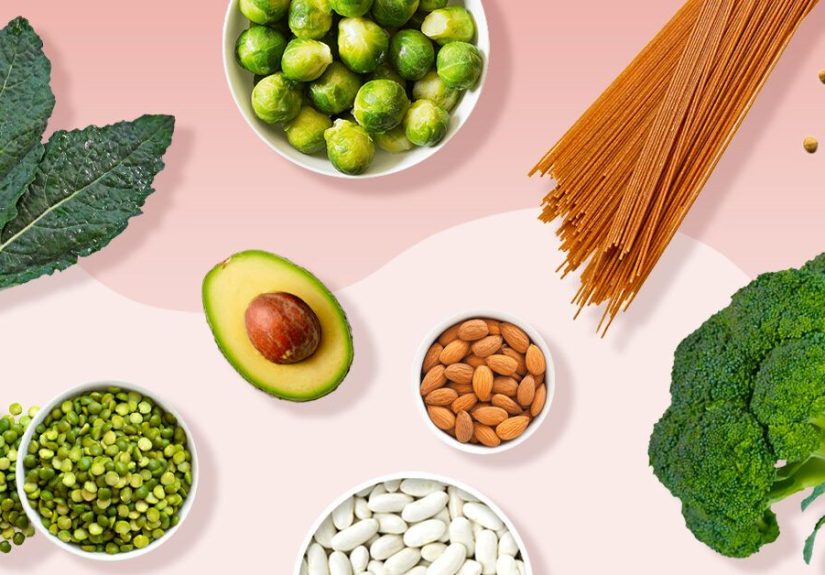
So, what are high fiber foods, exactly? They are foods that deliver a meaningful amount of dietary fiber per serving, usually from plants such as beans, lentils, vegetables, fruit, whole grains, nuts, and seeds. Some are obvious, like black beans and raspberries. Others are sneaky little champions, like chia seeds, artichoke hearts, and split peas. If you have ever wondered whether your breakfast, lunch, and dinner are doing enough heavy lifting in the fiber department, this guide will clear it up.
Below, you will find a practical high fiber foods chart, daily fiber needs, easy ways to eat more fiber, and a realistic look at what happens when people actually start making fiber a regular part of their lives. Spoiler alert: your digestive system may send a thank-you note.
What Are High Fiber Foods?
Dietary fiber is a type of carbohydrate found in plant foods, but unlike other carbs, your body does not fully digest it. That is actually the point. Fiber moves through your digestive system, helping with stool bulk, gut function, fullness, and the pace at which some nutrients are absorbed.
In practical terms, a high fiber food is one that gives you a solid amount of fiber in a normal serving. When you read a Nutrition Facts label, a food that provides 20% Daily Value or more is considered high in fiber. Since the Daily Value for fiber is 28 grams, that means around 6 grams or more per serving is a smart rule of thumb when you shop.
High fiber foods usually fall into five main categories:
- Legumes: lentils, black beans, chickpeas, split peas, kidney beans
- Whole grains: oats, barley, quinoa, whole-wheat products, bran cereals
- Fruits: raspberries, pears, apples, oranges, berries
- Vegetables: broccoli, peas, sweet potatoes, artichokes, Brussels sprouts
- Nuts and seeds: chia seeds, flaxseed, almonds, sunflower seeds
Why Fiber Matters More Than People Think
Fiber is famous for helping prevent constipation, and yes, that is still one of its greatest hits. But that is not the whole concert. A high-fiber eating pattern can also support healthier cholesterol levels, help steady blood sugar, improve fullness after meals, and encourage a healthier gut environment.
There are two main types of fiber, and both matter. Soluble fiber dissolves in water and forms a gel-like texture during digestion. This can help slow digestion and support cholesterol and blood sugar control. You will find it in foods such as oats, beans, barley, apples, and citrus fruits. Insoluble fiber does not dissolve in water. It adds bulk and helps move material through the digestive tract, which is why it is often associated with regular bowel movements. Whole grains, nuts, vegetable skins, and many vegetables are good sources.
Most real foods contain a mix of both, which is convenient because your body likes teamwork. That means you do not need to obsess over every gram of soluble versus insoluble fiber. You mostly need to eat a variety of plant foods on a regular basis and let nature handle the group project.
High Fiber Foods Chart
Here is a practical chart of common high fiber foods and roughly how much fiber they provide per serving. These are the kinds of foods that make it much easier to hit your daily target without feeling like you are doing algebra at the dinner table.
| Food | Serving Size | Fiber | Why It Helps |
|---|---|---|---|
| Lentils | 1 cup, boiled | 18 g | One of the easiest ways to boost fiber, protein, and meal satisfaction |
| Split peas | 1 cup, boiled | 16 g | Excellent in soups and great for a hearty, budget-friendly meal |
| Black beans | 1 cup | 15 g | Perfect for tacos, bowls, chili, and salads |
| Artichoke hearts | 1 cup, cooked | 14 g | A fiber superstar that deserves way more attention |
| Chickpeas | 1 cup, cooked | 12 g | Great in hummus, soups, roasted snacks, and grain bowls |
| Kidney beans | 1 cup, cooked | 12 g | Hearty and filling in chili, stews, and rice dishes |
| Chia seeds | 2 tablespoons | 10 g | Small serving, big payoff for smoothies, yogurt, and oats |
| Raspberries | 1 cup | 8 g | Sweet, easy, and much more fiber-rich than many people expect |
| Pear | 1 medium | 6 g | An easy grab-and-go fruit with solid fiber |
| Broccoli | 1 cup, chopped | 5 g | Adds fiber, color, and volume to meals |
| Quinoa | 1 cup, cooked | 5 g | A useful grain option when you want more texture and staying power |
| Sweet potato | 1 medium | 3–4 g | Comfort food that also helps nudge your fiber higher |
How Much Fiber Do You Need Per Day?
A simple rule used in U.S. nutrition guidance is 14 grams of fiber for every 1,000 calories. For many adults, that lands somewhere around 25 to 34 grams per day. A practical breakdown looks like this:
- Many adult women: about 25 to 28 grams per day
- Many adult men: about 28 to 34 grams per day
- General adult range: about 25 to 34 grams per day
That said, fiber needs are not one-size-fits-all. Age, sex, calorie intake, activity level, medical conditions, and pregnancy can all affect what makes sense for you. The bigger issue for most Americans is not whether the perfect number is 27 or 31. It is that many people are nowhere close either number.
If you are currently eating around 10 to 15 grams a day, do not panic and try to leap to 35 by tomorrow. Your intestines would like to remain on speaking terms with you. A better move is to increase fiber gradually over a couple of weeks and make sure your fluid intake keeps up.
The Best High Fiber Foods to Eat More Often
1. Legumes are the heavy lifters
Beans, lentils, and peas are some of the most efficient ways to raise fiber intake fast. They are affordable, filling, and flexible. Add lentils to soup, black beans to tacos, chickpeas to salad, or split peas to a simple stew. If your weekly menu has no legumes in it, that is usually the easiest place to improve.
2. Whole fruit beats fruit juice
Juice may bring flavor, but it leaves much of the fiber behind. Whole fruit gives you the fiber and the chewing experience that helps meals feel more satisfying. Pears, apples, oranges, berries, and bananas are all useful, but raspberries are basically overachievers wearing tiny red hats.
3. Vegetables count more when they are regulars, not decorations
A sad lettuce leaf next to fries is not a fiber strategy. Fiber builds up when vegetables appear in repeat performances: broccoli with dinner, carrots at lunch, peas in soup, sweet potatoes as a side, roasted vegetables in bowls, and salads that actually contain more than three cucumber slices.
4. Whole grains help, but read the label
Brown rice, quinoa, barley, oats, and true whole-grain breads can contribute meaningful fiber. But not every brown-looking bread is a whole-grain hero. Check the label, look for whole grains near the top of the ingredient list, and compare fiber grams per serving. Cereals with at least 5 grams per serving are a strong place to start.
5. Nuts and seeds are small but mighty
Chia seeds, flaxseed, almonds, and sunflower seeds can quietly raise your total. Sprinkle chia into yogurt, add ground flax to oatmeal, or use nuts as part of a snack. They are not magic dust, but they are helpful little upgrades.
How to Add More Fiber Without Regretting Your Choices
Here is the part people skip, and then their stomach starts filing complaints. If you increase fiber too quickly, you may feel bloated, gassy, or crampy. That does not mean fiber is the villain. It usually means the increase happened too fast.
Try these easier moves:
- Swap white toast for whole-grain toast at breakfast
- Add berries or chia seeds to yogurt or oatmeal
- Use beans in tacos, soups, or grain bowls a few times a week
- Choose a pear, apple, or orange instead of juice
- Add one extra vegetable side to dinner
- Drink enough water as fiber intake rises
Fiber supplements can help in some situations, but food should do most of the work when possible. Whole foods bring vitamins, minerals, and other beneficial compounds along with the fiber, which is why a bowl of lentil soup is generally more helpful than pretending a cookie plus a supplement equals nutritional balance. Nice try, though.
Common Mistakes People Make With Fiber
- Adding too much too fast: your gut prefers a gradual promotion, not a surprise takeover.
- Ignoring fluids: fiber and water work better together.
- Assuming all brown foods are whole grain: labels matter.
- Thinking only cereal has fiber: legumes, fruit, vegetables, nuts, and seeds matter just as much, if not more.
- Relying on one “superfood”: eating chia pudding once does not make the rest of the week disappear.
Final Thoughts
High fiber foods are not a trendy corner of the wellness world. They are basic, evidence-based, everyday foods that help your body function better. If your meals regularly include legumes, whole grains, fruits, vegetables, nuts, and seeds, you are probably moving in the right direction. If they do not, the good news is that fiber is one of the easiest nutrition upgrades to start today.
You do not need a dramatic cleanse, a complicated diet, or a pantry full of powders. You need a few better habits repeated consistently: more beans, more whole produce, more whole grains, and a little patience while your body adjusts. Fiber may not be flashy, but it absolutely gets results.
Real-Life Experiences With High Fiber Foods
In real life, eating more fiber usually does not begin with someone waking up at dawn and whispering, “Today, I become a lentil person.” It typically starts with something less cinematic, like feeling hungry an hour after breakfast, feeling sluggish after meals, or realizing vegetables have somehow become a decorative side character in the weekly menu. That is when people begin making small changes, and those small changes often tell the best story.
One common experience is the breakfast upgrade. People swap sugary cereal or plain toast for oatmeal with berries, chia seeds, or sliced pear. At first, it feels almost suspiciously simple. Then they notice they are not prowling the kitchen at 10:30 in the morning looking for crackers, cookies, or whatever snack happens to make eye contact first. A higher-fiber breakfast tends to stick with people longer, and that feeling of fullness can change the entire rhythm of the day.
Lunch is where fiber often proves it is not just about digestion. A salad topped with chickpeas, a black bean bowl, or leftover lentil soup usually keeps people fuller and more satisfied than a low-fiber lunch built mostly from refined carbs. Many people describe the difference as feeling “steady” instead of “crashy.” They do not feel stuffed, but they also do not feel like they need an emergency granola bar before the afternoon meeting.
Then comes the adjustment phase, also known as the humbling. When people go from very little fiber to a mountain of beans, bran cereal, and raw vegetables overnight, the digestive system tends to respond with drama. Bloating, extra gas, and general stomach grumbling are common if the jump is too fast. This is why experienced dietitians keep repeating the same advice: add fiber gradually and drink plenty of water. The people who do this usually say the transition gets much easier after the first week or two.
Another real-world lesson is that convenience matters. People are much more successful when fiber-rich foods are easy to grab and actually taste good. Washed berries, baby carrots, roasted chickpeas, high-fiber wraps, bean-based soups, and whole fruit on the counter tend to win. Complicated “health food” fantasies involving twelve-step salad assembly often lose. The best high-fiber habit is the one that survives a busy Tuesday.
Many people also discover that reading labels changes everything. Once they notice the fiber grams on breads, cereals, crackers, and snack bars, the shopping trip becomes a little more strategic. Suddenly, one loaf of bread has 1 gram of fiber per slice and another has 4 or 5. One cereal is basically dessert in a box, while another actually helps move the day in a healthier direction. That awareness builds quickly.
Perhaps the most honest experience people report is this: fiber is not glamorous, but it is effective. Meals feel more filling. Bathroom habits become more predictable. Fruit and vegetables stop feeling optional. And over time, the idea of eating enough fiber shifts from “I should really do that” to “This is just how I eat now.” Not bad for a nutrient that rarely gets invited to the cool table.