Table of Contents >> Show >> Hide
- The Short Answer
- Why Horseshoes Became Lucky in the First Place
- Why Put a Horseshoe on a Barn Instead of a House?
- Up or Down? The Great Horseshoe Debate
- What a Horseshoe on a Barn Can Mean Today
- What It Usually Does Not Mean
- Does the Type of Horseshoe Matter?
- How to Read the Symbol in Context
- Why the Symbol Still Endures
- Experiences People Associate with a Horseshoe on a Barn
- Conclusion
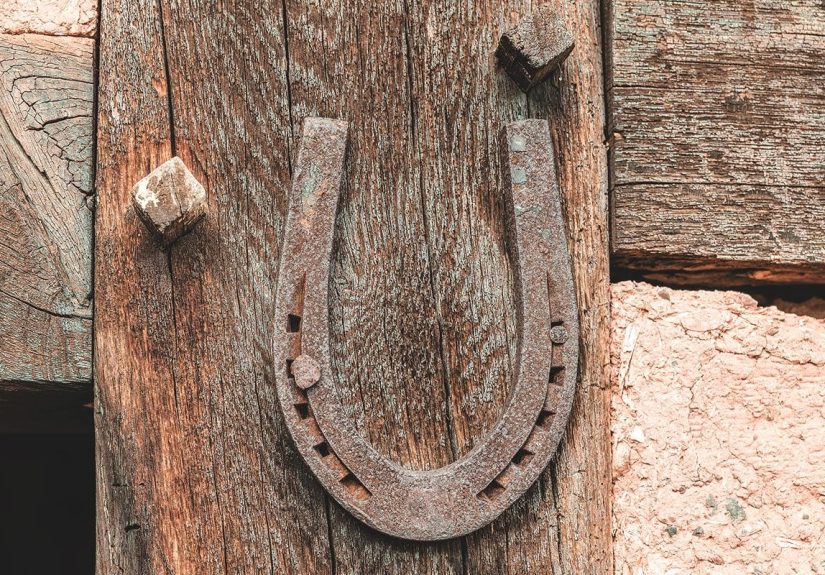
Spot a horseshoe hanging on a barn, and your brain probably goes in one of two directions: “Aww, rustic farmhouse charm,” or “Okay, somebody here takes luck very seriously.” As it turns out, both instincts are pretty solid. A horseshoe on a barn usually symbolizes good luck, protection, and a connection to horses, farming, and rural tradition. It is one of those old-school symbols that managed to survive every trend cycle, every design makeover, and every generation of people who swear they are “not superstitious” while quietly keeping the lucky thing exactly where it is.
In American barn culture, the horseshoe often works as a visual shorthand for blessing the property, guarding the animals, welcoming prosperity, or simply honoring the agricultural life that made the barn necessary in the first place. Sometimes it is a genuine folk symbol. Sometimes it is family tradition. Sometimes it is decorative. And sometimes it is all three at once, which is honestly the most barn-like answer possible.
If you have ever wondered whether a horseshoe on a barn means luck, protection, horse heritage, or just “Grandpa nailed it there in 1957 and nobody has touched it since,” the answer is: yes, probably. Let’s unpack the history, folklore, and modern meaning behind this surprisingly durable little symbol.
The Short Answer
In most cases, a horseshoe on a barn means one or more of the following:
- Good luck for the family, farm, or animals
- Protection from bad fortune, evil, or general barnyard chaos
- A connection to horses, farriers, riding culture, or ranch life
- A family or regional tradition passed down over time
- Rustic identity or country decor with symbolic roots
So, no, it usually is not a secret code, a legal marker, or a sign that the barn is hiding buried treasure. It is mostly a symbol with deep roots in folklore and farm life.
Why Horseshoes Became Lucky in the First Place
Iron had a powerful reputation
Part of the horseshoe’s meaning comes from the material itself. For centuries, iron was believed to repel evil spirits, bad energy, witchcraft, and all the other invisible troublemakers people worried about before they had motion sensor lights and security cameras. Since a horseshoe was made of iron and already shaped into a neat, easy-to-hang object, it became a ready-made protective charm.
That belief made especially good sense in farm settings. A barn was not just a building; it was a working asset. It held animals, tools, feed, wagons, and sometimes the economic survival of a whole family. Putting a protective symbol on a barn door was not random decoration. It was a way of saying, “This place matters, and we would very much like misfortune to keep walking.”
The shape added to the symbolism
The curved shape of the horseshoe also picked up symbolic meaning over time. In folklore, the crescent-like form has been linked with fortune, fertility, blessing, and protection. That helped the horseshoe move from practical hoof gear to full-time cultural icon. Not bad for a piece of metal that started its career ankle-adjacent.
And because a worn horseshoe came from a real working horse, people often considered it more powerful than a decorative imitation. It had history. It had labor in it. It had miles. In folk belief, that kind of “earned” object often carries more meaning than something bought brand-new from a gift shop next to scented candles and novelty rooster signs.
The legend of St. Dunstan helped seal the deal
One of the best-known stories linked to horseshoe luck involves St. Dunstan, a blacksmith and church figure from medieval tradition. In the legend, the Devil appears and asks to be shod. Dunstan nails a horseshoe to the Devil’s hoof instead, causing him such pain that he agrees never to enter a place protected by a horseshoe. Whether people treat that tale as literal truth, religious folklore, or excellent branding for blacksmiths, the story helped popularize the idea of hanging a horseshoe over a doorway for protection.
That matters for barns because barn doors are thresholds, and thresholds have always been loaded with symbolic meaning. In traditional folklore, entrances are places where things enter, leave, and cross over. If you want to protect a property, the doorway is a natural place to put the symbol.
Why Put a Horseshoe on a Barn Instead of a House?
Many people associate lucky horseshoes with house doors, but barns make just as much sensesometimes more. In rural life, barns were central to work, wealth, and daily survival. A barn could shelter horses, mules, cattle, hay, seed, tack, and equipment. Protecting the barn meant protecting the farm’s heartbeat.
There is also a practical cultural reason: a horseshoe belongs to the world of horses. Hanging one on a barn, stable, tack room, or pasture gate creates an immediate connection between the symbol and the life of the place. It says this is horse country, farm country, or at least a place that respects that heritage.
On some properties, the horseshoe may also signal hospitality. Much like a welcome sign on a porch, it can suggest that the place is meant to be prosperous, safe, and open to good company. In other words, the horseshoe can say, “Welcome to the barn,” while also quietly saying, “Bad luck, you can wait outside.”
Up or Down? The Great Horseshoe Debate
If you ask ten people how a horseshoe should hang, at least eleven opinions will show up. This is one of the most entertaining parts of horseshoe folklore: everyone agrees it is lucky, but not everyone agrees on how the luck works.
Hanging it with the ends up
Many people prefer the horseshoe in a U shape, with the open end facing upward. In this view, the shoe acts like a cup that holds luck and keeps it from spilling out. This is probably the most common interpretation in North American folk tradition. If you see a horseshoe on a barn hanging upright, the message is often simple: keep the blessings in.
Hanging it with the ends down
Others hang the horseshoe with the ends facing downward. Their logic is that the luck should pour out over anyone who walks underneath itpeople, livestock, visitors, and maybe even that one tractor that only starts when it feels emotionally supported. In this interpretation, the horseshoe becomes an active blessing rather than a storage container for good fortune.
Which way is correct?
Folklore is not famous for standardized operating procedures. The “correct” direction usually depends on family custom, regional tradition, or personal belief. So if you see a horseshoe on a barn, the orientation may tell you something, but it does not cancel the overall meaning. Upward says “keep luck.” Downward says “share luck.” Either way, the barn is trying to stay on luck’s good side.
What a Horseshoe on a Barn Can Mean Today
In modern American life, the meaning of a horseshoe on a barn has widened a bit. It still carries old folklore, but it also works as a modern symbol of identity and memory.
A nod to rural tradition
For many families, the horseshoe is simply part of country heritage. It belongs on a barn because barns and horseshoes belong together. Even when the original superstition fades, the symbol remains because it feels right, familiar, and rooted.
A sign of horse culture
On active horse properties, a horseshoe on the barn may reflect equestrian life more than folk magic. It can represent horsemanship, riding, farrier work, training, breeding, or care for the animals on the property. In that setting, the symbol may be more about identity than superstition, though the luck angle usually tags along for the ride.
A family keepsake
Sometimes the horseshoe came from a beloved horse and has emotional meaning. It may have belonged to a retired trail horse, a winning show horse, a child’s first pony, or the dependable old mare who taught half the county how to ride without filing a complaint. When hung on a barn, that horseshoe becomes part memorial, part thank-you note, and part heirloom.
A decorative symbol with real roots
Plenty of barns, event venues, and farmhouses display horseshoes as rustic decor. That does not make the symbol fake; it just means the visual meaning has expanded. A horseshoe can now say “country wedding venue,” “working stable,” “western style,” or “historic farm charm” while still carrying centuries of luck-and-protection symbolism in the background.
What It Usually Does Not Mean
Because symbols can get a little too mystical online, it helps to say what a horseshoe on a barn usually does not mean.
It usually does not indicate ownership status, livestock classification, or a specific agricultural regulation. It is not a universal religious symbol. It is not proof that everyone on the property believes in superstition. And it definitely does not replace practical barn care. A lucky horseshoe looks charming above a doorway, but it will not muck stalls, fix broken fencing, or explain why one goat is standing on the feed bin like a tiny furry dictator.
In other words, the horseshoe is symbolic. It belongs to the world of belief, memory, tradition, and identitynot official barn management.
Does the Type of Horseshoe Matter?
Sometimes, yes. An old used horseshoe can feel more meaningful than a decorative replica because it came from a real horse and a real season of work. A handmade shoe may reflect blacksmith or farrier craftsmanship. A small pony shoe might have sentimental value. A racehorse shoe may be kept as a memento. A plain steel shoe on an old barn often suggests tradition. A polished horseshoe incorporated into signage may lean more decorative.
That said, the general message remains recognizable even when the shoe is ornamental. People understand the symbol instantly because the horseshoe has become one of the most durable signs of luck in American culture.
How to Read the Symbol in Context
If you want to understand what a horseshoe on a specific barn means, context matters. Look at where it is placed. Is it centered above the main door like a protective emblem? Is it built into a barn sign with the farm name? Is it part of a memorial wall or ribbon display? Is it hanging beside bridles, bits, and tack, suggesting horse heritage more than superstition?
You can also look at the condition of the shoe. A weathered, rusty horseshoe may have been there for decades and could reflect family tradition. A freshly painted decorative one might be mostly aesthetic. If it is paired with dates, names, or photographs, it may honor a specific horse or person. If there are multiple horseshoes, they may be part of event decor, especially at wedding barns and rustic venues.
The key point is this: the symbol is flexible, but it is rarely meaningless. Even when used decoratively, it usually borrows from older ideas of luck, blessing, and protection.
Why the Symbol Still Endures
The horseshoe has survived because it sits at a rare crossroads: it is practical, symbolic, visual, and emotionally sticky. It came from real labor. It belongs to the history of animal care and agriculture. It works as decor, folklore, and identity all at once. That is a strong résumé for one curved piece of metal.
It also helps that the symbol is easy to understand. A horseshoe on a barn feels warm, familiar, and hopeful. Even people who do not believe in luck still like the idea of good luck hanging around. It is the same reason people keep a lucky penny, wear a “lucky” hat, or refuse to wash the sweatshirt their team happened to win in three Saturdays in a row. Humans love symbols that make life feel a little more blessed and a little less random.
Experiences People Associate with a Horseshoe on a Barn
One reason this symbol sticks so well is that people do not just know what a horseshoe meansthey often have a story attached to it. On many farms and horse properties, the horseshoe on the barn is not some abstract folklore lesson. It is memory made visible.
A common experience is the family ritual of hanging a first horseshoe. Maybe it came from the first horse the family ever owned, or from a trusted gelding that worked the property for years. Someone pulls the old shoe during a farrier visit, wipes it off, and instead of tossing it into the scrap pile, nails it above the barn door. From then on, it becomes part of the place. Kids grow up seeing it. Visitors ask about it. The story gets told again and again until the horseshoe becomes almost as permanent as the building itself.
Another familiar experience happens after loss. A horse passes away, retires, or leaves the farm, and the owners keep one shoe as a remembrance. Hanging it on the barn can feel like a quiet tribute. It says that horse mattered here. It crossed this threshold, lived in this stall, kicked this wall, stole this feed, and left hoofprints on the daily life of the people who loved it. In those cases, the horseshoe means more than luck. It means gratitude.
People also connect horseshoes on barns with moments of celebration. At riding barns, county fairs, ranch weddings, and horse shows, horseshoes often appear in signs, decorations, photo backdrops, or gift tables. Guests may not know every old superstition behind them, but the symbol still works. It feels cheerful, grounded, and tied to the land. It can make a polished event feel a little less staged and a little more authentic.
Then there are the everyday experiences: a grandparent tapping the horseshoe on the way into the barn, a rider giving it a quick glance before a competition, or a barn owner insisting it stays exactly where it has always been because “that’s where the luck is.” These tiny habits are what keep folk traditions alive. Not through formal speeches, but through ordinary repetition.
Even people who do not own horses often remember seeing a horseshoe on old red barns while driving through the countryside. For them, the symbol can carry a feeling as much as a meaning: safety, heritage, simplicity, work, family, and the idea that some places still believe a little luck belongs over the door. That emotional connection is part of why the question “What does a horseshoe on a barn mean?” keeps coming up. The symbol feels like it means something important, because very often, to the people who hung it there, it does.
Conclusion
So, what does a horseshoe on a barn mean? Most often, it means good luck, protection, and a connection to horse and farm tradition. Depending on the setting, it can also signal welcome, heritage, memory, or pride in rural life. Its exact meaning may shift from one property to another, but the heart of the symbol stays pretty consistent: this is a place where people hope for blessing, safety, and a little extra favor from the universe.
That is a lot of work for one bent piece of iron. Then again, barns have always been places where practical things end up carrying deep meaning. A horseshoe protects a hoof in one life and protects a doorway in the next. Not a bad second career.