Table of Contents >> Show >> Hide
- Tea Latte, Defined (Without the Coffee Snobbery)
- Why It’s Called a “Latte” If There’s No Espresso
- Tea Latte vs. Milk Tea vs. Bubble Tea: Not the Same Thing
- Most Popular Types of Tea Lattes (And What They Taste Like)
- How Cafés Build a Tea Latte (The Secret Is “Strong Tea”)
- How to Make a Tea Latte at Home (Three Easy Methods)
- How to Order a Tea Latte Like You’ve Done This Before
- Nutrition and Caffeine: What to Expect
- Why Tea Lattes Are So Popular
- FAQ: Quick Answers to Common Tea Latte Questions
- Everyday Tea Latte Experiences (About of Real-Life Flavor)
- Conclusion
- SEO Tags
A tea latte is what happens when tea decides it deserves the same cozy, creamy treatment as coffee. It’s a
café-style drink made with a strong tea base (or tea concentrate), warm steamed milk (or a chilled milk base for
iced versions), and usually a touch of sweetness. Think “latte vibes,” but the star of the show is tea instead of
espresso.
Tea lattes can be hot, iced, or blended. They can be spicy (chai), grassy and bright (matcha), floral and citrusy
(Earl Grey in a London Fog), or basically whatever flavor mood you’re in. In other words: tea lattes are the
choose-your-own-adventure of café drinksjust with more foam and fewer existential coffee debates.
Tea Latte, Defined (Without the Coffee Snobbery)
At its simplest, a tea latte is made from three building blocks:
- Tea base: strong-brewed tea, tea concentrate, or powdered tea (like matcha)
- Milk: steamed and lightly frothed for hot versions, or cold milk for iced versions
- Sweetener: optional, but common (syrup, honey, sugar, maple, etc.)
The “latte” part is about the milk-forward style and the texturecreamy, smooth, and often topped with foam.
The tea base gives it flavor, caffeine (sometimes), and personality. If coffee is the loud friend who talks with
their hands, tea latte is the friend who shows up in a soft sweater and brings snacks.
Why It’s Called a “Latte” If There’s No Espresso
In cafés, “latte” has become shorthand for a drink built around milksteamed milk, frothed milk, milk foam, milk
doing a full Broadway performance. A tea latte borrows the same structure: a flavorful base plus steamed milk,
usually with microfoam.
That foam matters. It’s not just decorative; it changes how the drink tastes. Foam lifts aromas (hello, spices and
bergamot), softens bitterness, and makes the whole thing feel richer. It’s basically a texture upgrade you can sip.
Tea Latte vs. Milk Tea vs. Bubble Tea: Not the Same Thing
These drinks are cousins, not twins. Here’s the quick, practical difference:
Tea Latte
Tea latte is usually tea + steamed/frothed milk (hot) or tea + milk over ice (iced),
often made like a café beverage with foam and a stronger tea base.
Milk Tea
Milk tea is a broader category: any tea served with milk. It may be lightly milky, heavily milky, sweet, unsweet,
hot, icedno foam required and no café technique necessary. (Delicious? Yes. A latte? Not always.)
Bubble Tea (Boba)
Bubble tea is typically sweet milk tea (or fruit tea) served cold with tapioca pearls
or other toppings (jellies, popping boba). It’s more dessert-meets-drink and less “cozy coffeehouse mug.”
Most Popular Types of Tea Lattes (And What They Taste Like)
Chai Tea Latte
“Chai” in many cafés usually means a spiced black tea blend inspired by masala chai, featuring spices like
cinnamon, cardamom, ginger, cloves, and pepper. In a chai latte, that spiced tea is combined with steamed milk,
often sweetened. The result: warm, sweet, and spicylike a hug that also happens to be delicious.
In coffee shops, chai is often made from a concentrate (liquid) or a powder, which makes it fast and consistent.
At home, you can steep black tea with spices, simmer it, and then add milk (or steep directly in milk for a richer
result).
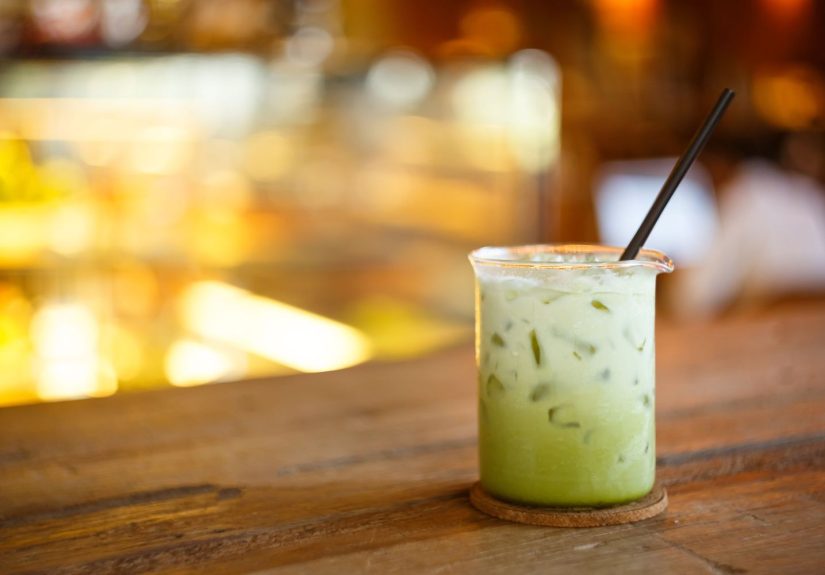
Matcha Latte
Matcha lattes are made with matcha powder whisked with water, then combined with milk and usually a
sweetener. Because matcha is finely ground green tea leaves, you’re consuming the whole leaf, which can mean a more
noticeable caffeine effect than some brewed teas.
Flavor-wise, matcha can be grassy, nutty, slightly sweet, and pleasantly bitter. Done well, it tastes like “fresh
green” in drink form. Done poorly, it tastes like you mowed your lawn and made it into a smoothie.
London Fog (Earl Grey Tea Latte)
A London Fog is typically Earl Grey tea + vanilla + steamed milk. Earl Grey is black tea flavored
with bergamot (a fragrant citrus), so the drink lands somewhere between floral, citrusy, and creamy-dessert vibes.
It’s cozy without being heavy, and it smells like a fancy candlein the best way.
Many people add lavender, honey, or a sprinkle of cinnamon. It’s a “soft playlist on a rainy day” kind of drink.
Other Tea Latte Favorites
- Hojicha latte: roasted green tea flavornutty, toasty, low bitterness
- Rooibos latte: naturally caffeine-free, vanilla-like and earthy
- Thai tea latte: strong, sweet, spiced black tea with that signature orange color
- Herbal “latte” style drinks: like peppermint or chamomile with steamed milk (technically not tea, but delicious)
How Cafés Build a Tea Latte (The Secret Is “Strong Tea”)
If your homemade tea latte tastes watery, it’s not because you lack barista magic. It’s usually because the tea
base isn’t concentrated enough. Milk dilutes. That’s its job. So your tea needs to show up with confidence.
Common Café Ratios
Many tea lattes lean milk-forward, often around 1 part strong tea to 2–3 parts milk.
Concentrate-based drinks can go even more milk-heavy since the tea flavor is already intensified.
Milk Texture Matters
For hot tea lattes, cafés steam milk to create a silky texture and a foam cap. You’re aiming for warm and creamy,
not “volcanic.” Overheating can make milk taste flat or slightly cooked.
How to Make a Tea Latte at Home (Three Easy Methods)
Method 1: Strong-Brewed Tea + Frothed Milk
- Brew your tea strong: use 2 tea bags (or 2 teaspoons loose leaf) for about 6–8 ounces of water.
- Sweeten while warm (optional): sugar and honey dissolve best in hot tea.
- Heat and froth milk: warm milk on the stove or microwave, then froth using a handheld frother, French press, or even a jar (shake carefully).
- Combine: pour the tea into a mug, top with steamed/frothed milk, and spoon foam on top.
Method 2: Tea Concentrate or Syrup
This is the “weekday morning” approach. Use a store-bought chai concentrate or your own homemade tea concentrate,
then add milk (hot or cold). It’s consistent, fast, and very forgiving if you’re still half asleep.
Method 3: Powdered Tea (Matcha, Hojicha)
- Whisk the powder: mix matcha (or hojicha) with a small amount of warm water until smooth.
- Add milk: hot steamed milk for cozy, or cold milk over ice for a refreshing version.
- Sweeten to taste: many café versions include syrup; at home, you control the sugar situation.
Pro tip: if you get clumps in matcha, don’t panic. Sift the powder before whisking, or use a small whisk/frother.
Matcha clumps are like glittersomehow they end up everywhere and refuse to leave.
How to Order a Tea Latte Like You’ve Done This Before
Ordering a tea latte is basically a choose-your-own-customization moment. Here are the common options that actually
change your drink in a meaningful way:
- Hot, iced, or blended: iced tea lattes taste lighter and can highlight floral/citrus notes
- Milk choice: whole milk = richest; oat milk = creamy and sweet; almond milk = lighter and nutty
- Sweetness level: ask for less syrup or “half sweet” if you want more tea flavor
- Extra foam: for that café texture (especially good with London Fogs)
- “Dirty” version: adding espresso to chai (or sometimes matcha) for a coffee-meets-tea mashup
If you’re unsure, start simple: a hot chai tea latte or an iced matcha latte with your favorite milk. Then adjust.
Tea lattes are extremely customizablelike a latte, but with fewer opinions about how you’re “supposed” to enjoy it.
Nutrition and Caffeine: What to Expect
Tea lattes can be light and refreshing or basically dessert in a cup. Nutrition depends on three things:
milk type, sweetener amount, and tea base.
Caffeine Basics
- Chai latte: usually moderate caffeine because it’s often black tea-based (unless decaf or herbal)
- Matcha latte: can range widely; matcha often feels more “noticeable” because you consume the leaf
- Herbal latte styles: usually caffeine-free (unless the blend includes caffeinated botanicals like yerba mate)
If you’re caffeine-sensitive, ask what tea base is being used and whether there’s a decaf option. If you’re trying
to cut sugar, request fewer pumps of syrup, choose an unsweetened milk, or sweeten lightly at home.
Why Tea Lattes Are So Popular
Tea lattes hit a sweet spot (sometimes literally): they’re comforting like hot chocolate, customizable like coffee,
and often gentler than a straight espresso drink. They also take flavors beautifullyvanilla, lavender, cinnamon,
brown sugar, honeywithout needing coffee to carry the whole vibe.
They’re also seasonal shape-shifters. In winter, chai and London Fogs are peak cozy. In summer, iced matcha and iced
chai are cold, creamy, and dangerously easy to drink too fast.
FAQ: Quick Answers to Common Tea Latte Questions
Is a tea latte always sweet?
No. Many cafés sweeten them by default, especially chai and matcha. But you can ask for less sweetener, or none,
and let the tea flavor do the talking.
Can I make a tea latte without fancy equipment?
Absolutely. Brew strong tea, warm your milk, and froth by shaking it in a jar (carefully), using a whisk, or a
French press. You won’t get perfect microfoam, but you’ll get something delicious.
What’s the best tea for a tea latte?
Black teas (like Assam or Earl Grey) hold up well to milk. Spiced blends (chai) shine. Matcha is a classic.
Rooibos is great if you want caffeine-free. The “best” tea is the one you’ll actually drink twice.
Everyday Tea Latte Experiences (About of Real-Life Flavor)
The first “aha” moment most people have with a tea latte isn’t about caffeine or tea varietiesit’s about texture.
Brewed tea is comforting, sure, but it’s usually thin and straightforward. Add steamed milk and foam, and suddenly
the drink feels like it belongs in a café cup you want to hold with both hands. It’s the same reason a blanket
feels better than a jacket when you’re watching a movie: the comfort level goes up, even if the temperature barely
changes.
Chai tea lattes are often the gateway tea latte, because the spices do a lot of heavy lifting. Cinnamon and clove
show up before the tea even hits your tongue, and the milk softens any sharp edges. People who “don’t really like
tea” sometimes love chai lattes because it doesn’t read like delicate teait reads like warm spice cookie energy.
(And yes, that can be influenced by sweetness. Many café chai lattes are sweet on purpose.)
Matcha lattes are a different kind of experience. When it’s well-mixed, matcha feels creamy and vibrant, with a
gentle bitterness that balances sweetness. But the most common first-time hiccup is clumping: matcha can form tiny
green islands that refuse to dissolve. That’s why cafés often whisk aggressively, shake, or blend. At home, people
learn quickly that sifting matcha or whisking it with a small amount of warm water first can turn “green mud
surprise” into “smooth café-style.”
London Fogs tend to win people over through aroma. Earl Grey’s bergamot has a perfume-like citrus quality, and
vanilla makes it feel dessert-adjacent without being heavy. Many drinkers notice that it tastes different depending
on milk choice: whole milk leans indulgent; oat milk can bring a cereal-like sweetness; almond milk can make it
lighter but sometimes less round. It’s also a drink that punishes impatience: steep the tea too weak and the milk
takes over; steep it too long and you get bitterness. The sweet spot feels almost “bakery-like,” especially when
paired with something buttery.
Then there are the “I didn’t know I could do that” moments: adding cinnamon to foam, using honey instead of syrup,
or turning a hot tea latte into an iced version that tastes cleaner and more refreshing. People also discover that
tea lattes are incredibly mood-dependent. Some days you want bold spice (chai). Some days you want calm and floral
(Earl Grey). Some days you want the bright, focused feeling matcha can give. It’s less about one perfect recipe and
more about having a small menu of comfort options you can rotate through like playlists.
Finally, the most relatable tea latte experience of all: ordering one from a café and thinking, “I can make this at
home,” then learning that the secret is not a rare ingredientit’s simply making the tea strong enough to stand up
to milk. Once that clicks, tea lattes stop being a mysterious coffee shop trick and start being an easy ritual.
Conclusion
A tea latte is a tea-based drink built like a latte: strong tea (or tea concentrate/powder) paired with milk, often
steamed and frothed, sometimes sweetened, and served hot or iced. Chai, matcha, and London Fogs are the classics,
but the category is wide openblack tea, green tea, herbal blends, and roasted teas can all get the latte treatment.
If you want one takeaway that makes everything easier, it’s this: make the tea base strong. Then
choose your milk, sweetness, and style. Congratsyou now have café-level comfort in a cup, minus the line and the
guy ahead of you ordering “extra hot, no foam, but also extra foam.”