Table of Contents >> Show >> Hide
- Fondue, in Plain English
- A Brief (and Slightly Cheesy) History
- The Main Types of Fondue (and What You Actually Do With Them)
- What You Dip in Fondue (Best-in-Class Dippers)
- The Science of a Smooth Fondue (So Yours Doesn’t Break Up in Front of Everyone)
- Fondue Gear: What You Need (and What You Can Fake)
- Fondue Etiquette (Yes, It’s a Thing)
- Fondue Safety: Keep It Fun, Not “Call the Fire Department”
- Why Fondue Still Works (Even When Trends Change)
- Fondue FAQ
- Fondue Experiences: The Part Nobody Mentions (But Everyone Remembers)
- Conclusion
Fondue is what happens when dinner decides it wants to be a group projectin the best way. At its core, fondue is a hot,
shared pot of something delicious (traditionally melted cheese, but sometimes chocolate, broth, or oil) that everyone dips
into with long forks or skewers. It’s cozy, interactive, and slightly chaoticlike a campfire, but indoors, and the marshmallow
is your dignity when someone drops bread into the pot.
The word “fondue” comes from a French verb meaning “to melt,” which is a pretty strong hint that melted things are involved.
But the real magic of fondue isn’t just meltingit’s the ritual: gather around, dip something, talk too much, laugh louder than
usual, and leave the table thinking, “We should do this more often.”
Fondue, in Plain English
If you’ve only seen fondue in movies, you might picture a 1970s living room, a shag rug, and a host who definitely owns at least
one turtleneck. That vibe isn’t wrongbut fondue is bigger than a retro trend. Today, “fondue” can mean:
- Cheese fondue: grated cheese melted with wine (and usually a little starch) into a smooth, dippable sauce.
- Chocolate fondue: melted chocolate (often loosened with cream) served with sweet and salty dippers.
- Savory fondue: bite-size foods cooked at the table in hot oil or broth, then dipped into sauces.
What ties these together is the format: a hot vessel kept warm at the table, plus dipping or cooking. The food is great, sure
but fondue is also an experience. It’s dinner with built-in entertainment. No board game required.
A Brief (and Slightly Cheesy) History
Fondue is famously associated with Switzerland, especially classic cheese fondue made with Alpine-style cheeses. The origin story
has some romance (mountain winters! hearty cheese! stale bread made useful again!), and there’s also some practical history:
fondue became a celebrated “national dish” over time, helped along by promotion and popularity in colder months when communal,
warming meals make the most sense.
Then fondue went internationaleventually becoming a dinner-party icon in the United States. The “fondue set” became a recognizable
piece of home entertaining culture, and the format evolved: not just cheese and bread, but meats cooked at the table, dessert fondues,
and restaurant fondue nights where you pay extra for the privilege of dropping something into hot liquid in public. (Worth it.)
The Main Types of Fondue (and What You Actually Do With Them)
1) Cheese Fondue: The Classic
Traditional cheese fondue typically starts with a pot rubbed with garlic. Then white wine is warmed, and grated cheese is added slowly,
stirred until melted and glossy. A little starch (like cornstarch) helps keep everything smooth and stable. Many versions also include a
splash of kirsch (a clear cherry brandy) plus seasoning like nutmeg or white pepper.
The goal is a creamy, pourable cheese saucenot stringy, not oily, not grainy. When it’s right, it coats bread like edible velvet.
When it’s wrong, it behaves like a science fair volcano. (We’ll prevent that. Promise.)
2) Chocolate Fondue: Dessert With a Dipstick
Chocolate fondue is basically a warm chocolate sauce designed for dunking. Many recipes heat cream gently, then melt in chopped chocolate,
often with vanilla. The key is low heat and patience so the chocolate stays smooth instead of separating or turning grainy.
It’s also wildly customizable: dark chocolate for depth, milk chocolate for nostalgia, white chocolate for sweet chaos, plus flavors like
espresso, orange zest, or a tiny pinch of salt to make everything taste louder.
3) Oil Fondue (Fondue Bourguignonne): Tabletop Sizzle
This style uses hot oil in the pot so guests can cook bite-size pieces of meat at the table. Think steak cubes, chicken pieces, or shrimp.
Because oil gets very hot, it’s important to keep things dry (water + hot oil = drama) and to maintain a safe temperature zone so food cooks
properly without smoking out your living room.
Oil fondue is fun because everyone gets to cook exactly how they like. It’s also the fondue most likely to make you say,
“Okay, let’s be careful,” while leaning closer anyway.
4) Broth Fondue (Sometimes Called “Chinoise”): Cozy, Less Splattery
Instead of oil, you use a simmering broth (often seasoned) and cook thinly sliced meat, dumplings, mushrooms, or veggies. It’s gentler than
oil fondue and gives you built-in soup vibesespecially if you finish by sipping the broth or turning it into a final course.
What You Dip in Fondue (Best-in-Class Dippers)
Best Dippers for Cheese Fondue
- Bread: crusty cubes, toasted if you want extra grip (and fewer tragic sinkings).
- Vegetables: blanched broccoli, green beans, roasted Brussels sprouts, mushrooms.
- Fruit: apples and pears are surprisingly perfect with nutty cheese.
- Pickles: cornichons and other tangy bites cut the richness like a tiny culinary reset button.
- Protein: cooked shrimp, prosciutto, or small bites of steak if you want it heartier.
Best Dippers for Chocolate Fondue
- Fruit: strawberries, bananas, apples, pears, orange segments.
- Soft stuff: marshmallows, cubes of cake or banana bread.
- Crunch: pretzels, cookies, biscottisalty + chocolate is a guaranteed win.
The Science of a Smooth Fondue (So Yours Doesn’t Break Up in Front of Everyone)
Cheese fondue isn’t hard, but it is picky about temperature and chemistry. Melt cheese too hot and the proteins tighten up, squeezing out fat.
That’s when you get an oily layer, clumps, or a texture that looks like it’s reconsidering its life choices.
The “foolproof” approach is built on three ideas:
- Low heat: keep it gently warm, not boiling. Fondue should steam and bubble softlynever rage-boil.
- Acid helps: white wine (and sometimes a little lemon juice) helps prevent proteins from clumping, encouraging a smoother melt.
- Starch stabilizes: tossing grated cheese with cornstarch helps bind the mixture and reduce separation.
Practical tips that make a noticeable difference:
- Grate your own cheese. Pre-shredded cheese often contains anti-caking agents that can interfere with melting.
- Add cheese gradually. Handful by handful gives the pot time to emulsify instead of panicking.
- Stir consistently. A steady pattern helps incorporate the cheese and prevents scorching.
- If it thickens: stir in a splash of warm wine (or broth for non-alcohol versions) to loosen it.
Fondue Gear: What You Need (and What You Can Fake)
The classic setup is a fondue pot with a heat source underneath. But you don’t need a specialized set to have a great fondue night. You can:
- Make fondue on the stove in a heavy pot, then transfer to a tabletop warmer (or an electric fondue pot).
- Use long forks or skewers so hands don’t hover near heat.
- Keep a trivet and a “hot pot warning speech” ready if you’re using a regular pot at the table.
If you’re shopping specifically for fondue, look for a pot that holds heat evenly (thick-bottomed), feels stable on the table,
and has good temperature controlespecially for chocolate and oil.
Fondue Etiquette (Yes, It’s a Thing)
Fondue is communal, which means it comes with a few unspoken rulesmostly designed to keep the pot enjoyable and the group harmonious:
- No double dipping. Dip with your fork, eat from your plate. The pot is not your personal soup.
- If you drop something in the pot, use a clean utensil to retrieve it. Consider a brief moment of respectful silence.
- Take turns. Fondue is not a competitive sport, even if the bread cubes are delicious.
- Keep dippers dry. Wet vegetables can thin cheese fondue and can be dangerous around hot oil.
Fondue Safety: Keep It Fun, Not “Call the Fire Department”
Most fondue is safe with basic precautions, but oil fondue deserves special respect. Hot oil can splatter, and open flames (or fuel burners)
require a stable, uncluttered table. Safety wins include:
- Place the pot in the center of a sturdy table, away from dangling sleeves and curious pets.
- Use dry foods for oil fondue to reduce splatter.
- Keep the heat steadyhot enough to cook food safely, not so hot it smokes aggressively.
- Have a lid nearby for oil fondue; it can help in the rare event of a flare-up.
Why Fondue Still Works (Even When Trends Change)
Fondue survives every food trend cycle for a simple reason: it turns eating into connecting. A shared pot slows everyone down. It forces
conversation to happen between bites. It gives you a reason to linger at the tablewithout needing a formal multi-course meal.
And it scales beautifully. Want a romantic night in? Make a small batch of cheese fondue and call it “date night.” Hosting friends? Put out
a fondue board of dippers and let everyone build bites. Want to make kids happy? Chocolate fondue is basically an edible activity.
Fondue FAQ
Is fondue always cheese?
Not anymore. While cheese fondue is the classic, fondue can also mean chocolate fondue or savory fondues where food is cooked in hot oil or broth.
The shared-pot format is the common thread.
Do I have to use wine in cheese fondue?
Wine is traditional and helps with flavor and texture, but you can use alternatives like apple cider or broth in some recipes. If you skip wine,
you still want some acidity (like lemon juice) and careful heat control to keep the cheese smooth.
What’s the easiest fondue for beginners?
Cheese fondue is very approachable if you keep the heat low and add cheese slowly. Chocolate fondue is arguably even simplerjust be gentle with heat.
Oil fondue is fun but requires more safety attention.
Fondue Experiences: The Part Nobody Mentions (But Everyone Remembers)
Fondue isn’t just a food; it’s a little event that happens to your evening. The experience starts the moment the pot hits the table and everyone leans
in like they’ve been summoned by a delicious, cheesy lighthouse.
First: there’s always the “confidence dip.” Someone spears a bread cube like they’ve trained for this their whole life, swirls it in the
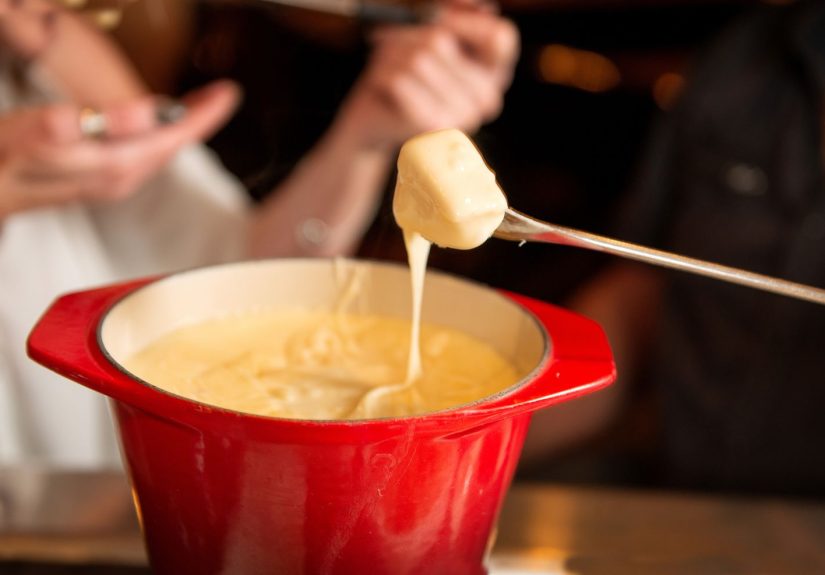
cheese with a flourish, and lifts it out triumphantlyonly to discover the cheese is doing that dramatic, slow drip that makes everyone go “Oooooh.”
It’s basically applause you can eat.
Then: the pot becomes a conversation engine. People stop checking phones because the meal is interactive by design. Someone asks,
“What else can we dip?” and suddenly the table is experimenting like a very tasty lab. Apple slice? Surprisingly perfect. Pickle? Bold, but brilliant.
Pretzel bite in cheese fondue? Not traditional, but neither is half the stuff we loveso it counts.
There’s also the great “lost bread” moment. It happens to everyone eventually. A bread cube slips off the fork and vanishes beneath the
surface like it’s moving to a cheese-based witness protection program. The group reacts in a mix of sympathy and comedy. Someone offers a clean fork as
a rescue tool. Someone else suggests a dramatic backstory for the fallen bread. You move on, but you never forget.
Chocolate fondue brings out a different kind of personality. The careful planners line up fruit slices neatly on their plates like they’re
building a dessert architecture project. The chaotic good friend immediately dunks a pretzel, then a marshmallow, then a second marshmallow, then pauses
to ask if “two marshmallows at once” is legal. Someone inevitably discovers that salty snacks dipped in chocolate are dangerously addictive, and a new
household tradition is born.
Oil or broth fondue feels like a mini restaurant at home. People start timing their bites: “How long did you cook yours?” Someone
becomes the unofficial sauce consultant. Another person insists on cooking everything “just one more minute” while everyone else is already eating.
It’s low-stakes, hands-on, and oddly satisfyinglike you’re hosting a cooking show, except nobody gets voted off the island.
And finally, fondue has that rare quality of making time stretch. You don’t inhale it in eight minutes and move on. You linger. You talk.
You laugh. The pot keeps gently bubbling, and the mood stays warm. Even cleanup feels less annoying because the night delivered something more than dinner:
it delivered a memory. (Also, if you planned well, there’s leftover chocolate, and that’s basically future happiness in a container.)
Conclusion
So, what is fondue? It’s melted comfort and shared energy in one pot. Whether you’re going classic with Swiss-style cheese, going sweet with chocolate,
or turning dinner into an interactive cook-at-the-table feast, fondue is less about perfection and more about togetherness. Keep the heat low, choose
good dippers, follow the no-double-dip rule, and you’ll end up with the best kind of meal: the one people talk about long after the last bite.