Table of Contents >> Show >> Hide
- What Is Lion’s Mane Mushroom?
- Why Do People Take Lion’s Mane?
- Potential Health Benefits (What Research Suggests)
- How to Eat Lion’s Mane (Food First, When Possible)
- Lion’s Mane Supplements: What to Know in the U.S.
- Risks, Side Effects, and Who Should Be Careful
- Does Lion’s Mane “Work”? A Practical, Evidence-Based Take
- Experiences With Lion’s Mane (500+ Words of Real-World Perspective)
- Conclusion
If you’ve ever seen a fluffy white mushroom that looks like a tiny, edible pom-pom (or a very stylish beard),
you’ve probably met lion’s mane mushroom. Its real name is Hericium erinaceus, and it’s been eaten
as food and used in traditional practices for a long timethen the internet discovered it and decided it was the
“brain mushroom.” (The internet also decided pineapple belongs on pizza, so… we’ll use actual evidence, not vibes.)
In this guide, we’ll cover what lion’s mane is, what scientists think it may do, what the research actually shows in humans,
the most common side effects and risks, and how to think about supplements in the U.S. without getting tricked by labels,
hype, or a bottle that screams “NEURO-GENIUS POWER.”
What Is Lion’s Mane Mushroom?
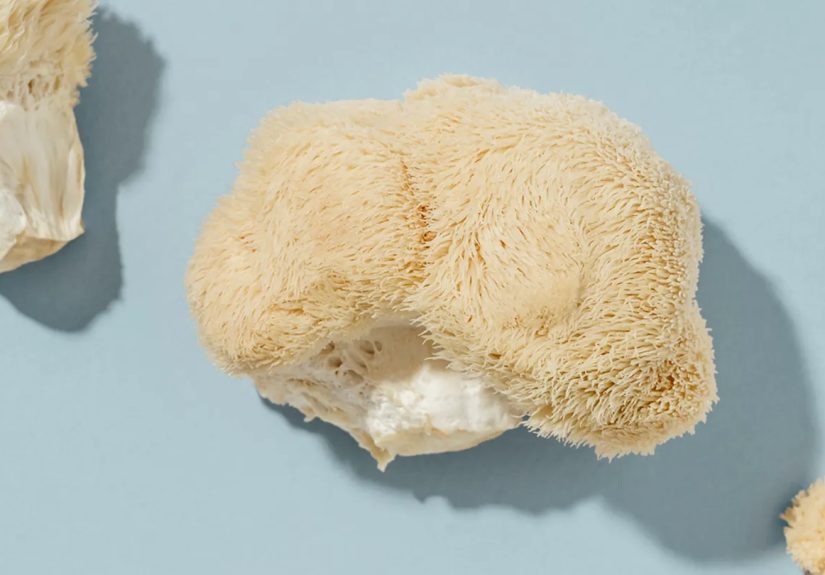
Lion’s mane is an edible mushroom that grows on hardwood trees and has long, dangling spines instead of the classic cap-and-gills look.
It’s eaten as a culinary mushroom (often described as having a mild, seafood-like texture) and also sold as a
dietary supplement in capsules, powders, tinctures, and extracts.
Fruiting body vs. mycelium: why the label matters
When you buy lion’s mane as a supplement, you’ll usually see one of these on the label:
fruiting body (the “mushroom” part you’d cook) or mycelium (the root-like network the fungus uses to grow).
Both can contain bioactive compounds, but they’re not identical. Translation: two “lion’s mane” products can be very different,
even if the front label looks nearly the same.
What’s inside lion’s mane?
Lion’s mane contains a mix of compounds that researchers care about, including polysaccharides (like beta-glucans)
and unique compounds called hericenones (often associated with fruiting bodies) and erinacines
(often associated with mycelium). Scientists are interested in these because they may influence nerve-related signaling and inflammation pathways.
Why Do People Take Lion’s Mane?
People most commonly take lion’s mane for:
memory and focus, brain health, stress support, and general “nootropic” curiosity.
Others try it for immune support, digestive comfort, or metabolic goals like cholesterol or blood sugar support.
The key word there is trybecause the strength of evidence varies a lot by claim.
Potential Health Benefits (What Research Suggests)
Important context: Lion’s mane has strong interest from lab and animal research, and a smaller amount of human research.
Human studies tend to be small, short, and use different products and doses.
So think of lion’s mane as “promising, not proven” for many outcomes.
1) Cognitive function and mild cognitive impairment (MCI)
The most talked-about human evidence comes from small clinical trials in older adults, including research on people with
mild cognitive impairment. In one well-known placebo-controlled trial, participants taking lion’s mane for several months
improved on cognitive testing compared with placebo, but the gains appeared to lessen after stopping the supplement.
That pattern matters: it suggests that if there is a benefit for some people, it may require ongoing useand it’s not the same as
“prevents dementia” or “cures Alzheimer’s.”
In healthy adults, there’s also preliminary research looking at attention, processing speed, mood, and stress.
Results are mixed: some studies show modest improvements in certain tasks or self-reported stress, while others show little to no change.
Mixed results aren’t failurethey’re a normal sign that science is still sorting out dose, duration, and who benefits most.
2) Nerve growth factor (NGF) and “brain mushroom” hype
You’ll often see lion’s mane marketed as supporting nerve growth factor (NGF), a molecule involved in the growth and maintenance
of certain neurons. Lab studies suggest lion’s mane compounds may influence neurotrophic factors and neurite outgrowth
(think: “helping nerve cells extend little branches”), which is one reason researchers are interested in cognition and neurological health.
But here’s the reality check: showing an effect in a dish or in animals doesn’t automatically mean the same result happens in humans
taking capsules. Human biology is complicated, your gut is not a test tube, and your liver does not care about marketing copy.
3) Mood, stress, and sleep
Some early studies suggest lion’s mane might have small benefits on stress or aspects of mood in certain groups.
There’s also interest in whether it can support sleep quality indirectly by helping stress or inflammation pathways.
Still, the research is not strong enough to call it a treatment for anxiety, depression, insomnia, or ADHD.
If a supplement claim sounds like it replaces medical care, it’s probably trying to replace your money.
4) Immune and inflammation support
Like many mushrooms, lion’s mane contains polysaccharides and other compounds that may affect immune signaling.
Lab and animal research suggests potential anti-inflammatory and immunomodulatory effects.
In humans, evidence is thinner, and outcomes can depend heavily on the specific extract used.
5) Digestive and gut health
Lion’s mane has traditional use related to digestive comfort, and research interest includes how it might support the gut lining
or microbiome-related pathways. Again, the strongest data is not yet in large human trials, but it remains an active area of study.
6) Metabolic markers (cholesterol, blood sugar)
You’ll see claims about cholesterol and blood sugar support. Some preclinical research suggests potential effects on lipid metabolism
and glucose-related pathways, but high-quality human evidence is limited. If you’re already taking medications for diabetes or clotting,
this category matters because it overlaps with possible interactions (more on that below).
How to Eat Lion’s Mane (Food First, When Possible)
If you’re curious and you can eat mushrooms safely, trying lion’s mane as a food is often the most practical “starter mode.”
Culinary use is generally lower-risk than experimenting with concentrated extracts.
Simple cooking ideas
- Pan-seared “steaks”: Slice thick pieces, sear until golden, finish with butter/olive oil, garlic, and lemon.
- Crab-cake vibe: Shred cooked lion’s mane, mix with breadcrumbs and seasonings, pan-fry into patties.
- Soup upgrade: Add sautéed lion’s mane to ramen, miso soup, or chicken noodle for texture.
Food doesn’t guarantee the same “active compounds” as a standardized extract, but it does provide a realistic way to enjoy the mushroom
without betting your entire wellness plan on a powder that tastes like “forest dust.”
Lion’s Mane Supplements: What to Know in the U.S.
In the United States, dietary supplements are not approved by the FDA for effectiveness before they’re marketed.
Manufacturers are responsible for ensuring labeling is truthful and products are made properly, and the FDA can take action when problems are identified.
Translation: supplement quality can vary, and the label isn’t a magic truth spell.
Smarter ways to evaluate a product
-
Look for third-party testing (for quality/identity), such as seals from recognized certifiers.
Third-party certification doesn’t prove it worksbut it can reduce the odds of getting something that isn’t what it claims to be. -
Check what part is used (fruiting body, mycelium, or both) and whether it lists standardized compounds
(for example, beta-glucans) rather than only vague “proprietary blend” language. -
Be cautious with mega-doses or labels that promise medical outcomes (“reverses dementia,” “treats ADHD,” “cures anxiety”).
Those are red flags, not achievements.
Typical doses used in research (not a personal recommendation)
There is no single standardized dose. Clinical trials have used a range of amounts depending on the product and goal,
including studies using around 1 gram daily for weeks and others using higher daily amounts (often in divided doses)
for several months in older adults. The most honest takeaway is not “take X grams,” but:
products differ, and dose should be personalized with a clinician if you’re using it for health reasons.
Risks, Side Effects, and Who Should Be Careful
Lion’s mane is generally described as well tolerated in small studies, but “generally” isn’t the same as “guaranteed.”
Side effects can happenespecially with supplements, which concentrate what you’d get from food.
Common side effects
- Stomach discomfort (bloating, nausea, upset stomach)
- Skin reactions (rash, itching)
- Allergic reactions, especially in people with mushroom allergies
Possible medication interactions
Because lion’s mane may affect pathways related to blood clotting and blood sugar in some contexts,
it may not mix well with certain medications. Talk to a clinician before using it if you take:
- Blood thinners/antiplatelet drugs (because of bleeding risk concerns)
- Diabetes medications (because of low blood sugar concerns)
- Immunosuppressive therapies (because immune effects could be complicated)
Groups who should avoid or get medical guidance first
- Pregnant or breastfeeding people (not enough safety data)
- Children and teens (supplement safety data is limited; food use is different from extracts)
- People with known mushroom allergies
- People with bleeding disorders or upcoming surgery
- People with chronic conditions or multiple medications (interaction risk goes up)
Does Lion’s Mane “Work”? A Practical, Evidence-Based Take
Here’s the balanced summary:
- Best-supported area (still early): cognition/brain-health outcomes in small studies, especially in older adults with mild impairment.
- Plausible but not proven: stress/mood support, nerve-related pathways, immune modulation, gut support.
- Overhyped claims to ignore: “cures dementia,” “treats ADHD,” “replaces antidepressants,” “guaranteed IQ boost.”
If you want to experiment responsibly, the safest route is usually:
food first, and if considering supplements, pick a quality-tested product and involve a healthcare professionalespecially if you take meds.
Experiences With Lion’s Mane (500+ Words of Real-World Perspective)
People’s experiences with lion’s mane tend to fall into two lanes: food experiences and supplement experiences.
They can look very differentkind of like the difference between drinking coffee and taking a caffeine pill.
What it’s like eating lion’s mane as food
When eaten fresh, lion’s mane is usually described as mild, slightly sweet, and pleasantly chewyoften compared to crab or lobster texture
(not flavor fireworks, more like “seafood-adjacent mouthfeel”). A common first-time experience is surprise at how “meaty” it can feel
when seared well. If it’s undercooked, some people find it spongy; if it’s browned properly, it becomes more savory and satisfying.
In everyday cooking, many people like lion’s mane because it’s easy to build into meals without changing their whole personality.
You can toss it into noodles, stir-fries, soups, or tacos, and it plays nicely with garlic, soy sauce, thyme, and lemon.
The experience is often less about “I felt smarter instantly” and more about “This is a tasty mushroom that makes dinner feel upgraded.”
What people report with supplements (and why results vary)
Supplement experiences are more mixedand that’s actually predictable. First, products differ: fruiting body powders,
mycelium-based products, hot-water extracts, dual extracts, and blends with other mushrooms can have different compound profiles.
So two friends can both “take lion’s mane” and still be doing completely different experiments.
Second, expectations are powerful. If someone starts a supplement while also improving sleep, drinking more water, and finally
using a calendar app like an adult, it can be hard to know what caused what. Many people report subtle changes rather than dramatic ones:
“a little steadier focus,” “less mental friction,” or “I felt a bit calmer during busy weeks.” Others report no noticeable change at all.
That doesn’t mean anyone is lyingit may mean the effect is small, the product isn’t ideal, the dose/duration wasn’t right,
or the person simply doesn’t respond.
Common timing patterns people describe
When people do notice something, they often describe it as gradual over days to weeks rather than a “first-dose lightning bolt.”
Some prefer taking it earlier in the day because they associate it with alertness; others take it later because they associate it with calm.
But those patterns are not universal, and they’re not proof of a specific mechanismjust how routines feel in real life.
Side-effect experiences (the part nobody posts on a glossy ad)
The most common “not fun” experiences reported are mild: stomach discomfort, nausea, or a rash/itchinessespecially for people sensitive to mushrooms.
This is one reason many cautious users start with food, then (if they choose) try a low supplement dose and monitor how they feel.
If someone is on blood thinners, diabetes meds, or has complex health conditions, responsible experimentation usually means
involving a clinicianbecause “natural” can still interact with real medications in very non-natural ways.
A smart way people track their own experience
People who approach lion’s mane thoughtfully often treat it like a personal trial: they choose one product, keep other variables steady,
track sleep, stress, and focus for a few weeks, and then reassess. If nothing changes, they stopno drama.
If they notice a benefit, they still keep expectations realistic and avoid turning it into a cure-all.
The healthiest lion’s mane story is usually the boring one: “It might help a little, it didn’t wreck my stomach, and I didn’t let it replace real healthcare.”
Honestly, boring is underrated.
Conclusion
Lion’s mane mushroom (Hericium erinaceus) is an edible fungus with intriguing bioactive compounds and growing scientific interestespecially for cognition,
stress, and nerve-related pathways. But the strongest human evidence is still limited, and supplement quality varies widely in the U.S.
If you’re curious, food use is a sensible first step. If you’re considering supplements, choose quality-tested products, be mindful of side effects,
and get medical guidance if you take medications or have underlying conditions.