Table of Contents >> Show >> Hide
- The quick definition (the one you can repeat at dinner)
- Steelhead vs. rainbow trout: same fish, different lifestyle
- Steelhead life cycle, step by step (with the “why it matters” notes)
- Where steelhead live in the United States
- Summer-run vs. winter-run steelhead (timing is the whole personality)
- How to recognize a steelhead (and why it’s trickier than people admit)
- Steelhead vs. salmon: cousins with different rules
- Why steelhead matter beyond fishing
- Threats, pressures, and why conservation is complicated
- Steelhead fishing: how people do it (and how to do it responsibly)
- Eating steelhead: flavor, nutrition, and safety basics
- Frequently asked questions about steelhead trout
- Conclusion
- Extra: Real-world experiences people associate with steelhead (about )
If you’ve ever heard someone say, “Steelhead are basically ocean-going rainbow trout,” that person is (annoyingly) correct. Steelhead trout aren’t a separate species, a mysterious hybrid, or a fish that ate a box of nails. “Steelhead” is the name for a migratory life-history form of the same species you already know as rainbow trout: Oncorhynchus mykiss.
So why do steelhead feel like their own categorycomplete with dedicated fishing seasons, epic stories, and a cult-like following among anglers? Because migration changes everything: size, behavior, timing, and even how people manage and protect these fish. Let’s break down what steelhead are, where they live, how they differ from salmon, and why they’re one of North America’s most fascinating fish.
The quick definition (the one you can repeat at dinner)
Steelhead trout are anadromous rainbow trout. That means they’re born in freshwater, migrate to saltwater (or in the Great Lakes, to a big freshwater sea), grow larger while feeding, and then return to rivers and streams to spawn. Rainbow trout that never make that big migration are the resident form of the same species.
Steelhead vs. rainbow trout: same fish, different lifestyle
Anadromous vs. resident
Think of “steelhead” and “rainbow trout” less like two different animals and more like two different life plans. Some O. mykiss stay in freshwater their whole lives (resident rainbows). Others undergo physiological changes, head out to the ocean, and come back later to spawn (steelhead). Environmental conditions, genetics, and growth opportunities all play roles in which path a fish takes.
Why the ocean (or Great Lakes) makes them bigger
The ocean is basically an all-you-can-eat buffet compared with many rivers. Steelhead that migrate typically grow much larger than resident rainbow trout because marine feeding opportunities can be richer and more consistent. This is why steelhead can become powerful, broad-shouldered fish that don’t just bite your hookthey try to repossess your fishing rod.
Steelhead life cycle, step by step (with the “why it matters” notes)
1) Eggs in gravel
Steelhead begin life like most salmonids: eggs are deposited in gravel nests (called redds) in well-oxygenated, fast-flowing freshwater. Clean gravel, steady flow, and cool temperatures matter because eggs need oxygen and stable conditions to develop.
2) Young fish in freshwater
After hatching, juvenile trout spend months to years in freshwater. During this stage, they depend on river habitatriffles, pools, cover, good water quality, and food like aquatic insects. This long freshwater childhood is one reason steelhead are especially sensitive to habitat degradation: if stream conditions are poor, the fish can be affected long before they ever reach the ocean.
3) Smoltification: preparing for migration
When a juvenile is ready to migrate, it becomes a smolt. Smoltification is a real physiological makeover: the fish becomes more silvery and, more importantly, its body adjusts to regulate salts and water in a new environment. This is the internal “software update” that lets a freshwater fish survive in saltwater.
4) Ocean (or Great Lakes) feeding phase
After reaching saltwater, steelhead spend a variable amount of time feeding and growing. Some may stay out for months; others for years. This period shapes their final size, body condition, and reproductive potential. In the Great Lakes, steelhead are often rainbow trout that migrate between tributary rivers and the open lake, using the lake as their “ocean-like” growth engine.
5) The spawning runand the steelhead twist
Like salmon, adult steelhead return to freshwater to spawn. But here’s the twist that makes steelhead stand out: some steelhead survive spawning and can spawn again. Most Pacific salmon die after spawning, but steelhead don’t always follow that one-and-done rule. That ability (called iteroparity) is part of what makes their life history so interestingand so complex to manage.
Where steelhead live in the United States
Pacific Coast strongholds
When most people picture steelhead, they’re thinking about the Pacific Coastespecially rivers of the Pacific Northwest. Steelhead runs have long been associated with Washington and Oregon rivers, as well as Northern and Central California watersheds. Different rivers support different run timings, sizes, and life-history strategies, which is why steelhead conversations can get very regional very fast.
California: famous fish, tough reality
In California, many steelhead populations are listed as threatened or endangered under the federal Endangered Species Act. That status reflects long-term pressures such as altered rivers, barriers to migration, reduced summer flows, warming water, and changing ocean conditions. Even when steelhead still exist in a watershed, their runs may look very different from what they were historically.
The Great Lakes: “steelhead” without saltwater
Yes, Great Lakes steelhead are “real” steelhead in the sense that they’re migratory rainbow trout that move between rivers and big open water. The difference is that their big-water feeding phase happens in freshwater. Many Great Lakes steelhead fisheries are supported by stocking and managed to provide strong recreational opportunities in tributaries and nearshore waters.
Summer-run vs. winter-run steelhead (timing is the whole personality)
Steelhead aren’t a single calendar event. In many places, populations are described as summer-run or winter-run based on when adults enter freshwater and when they spawn. Summer-run fish may enter rivers earlier and hold for months before spawning later. Winter-run fish generally enter closer to spawning time and may spawn in late winter or spring. Management rules, fishing seasons, and conservation strategies often differ between these runs because timing affects where fish are, how vulnerable they are, and what habitats they rely on.
How to recognize a steelhead (and why it’s trickier than people admit)
Steelhead often look more chrome-bright and silvery, especially when they’ve recently arrived from saltwater. They can also be larger and more torpedo-shaped than resident rainbows. But here’s the catch: appearance alone isn’t always definitive, especially in systems where resident and migratory fish overlap. In some cases, determining whether a fish is truly anadromous can require close examination of growth patterns in scales or chemical signatures in ear bones (otoliths).
Practical advice if you’re angling: treat identification as a regulations issue, not a pride issue. Follow local rules, seasonal definitions, and area restrictionsbecause “I swear it looked like a steelhead” is not an official measuring unit.
Steelhead vs. salmon: cousins with different rules
Steelhead and Pacific salmon are close relatives in the salmonid family, and they share many behaviors: spawning migrations, strong homing instincts, and life cycles tied tightly to river habitat. But steelhead differ in a few big ways:
- Species identity: Steelhead are rainbow trout (O. mykiss), not a separate salmon species.
- Repeat spawning: Steelhead can survive spawning and return again in some cases.
- Life-history flexibility: The same species can produce resident fish, migratory fish, and a spectrum in betweensometimes even within the same watershed.
Why steelhead matter beyond fishing
Steelhead are more than a sportfish. Anadromous fish move nutrients from the ocean (or big-water feeding grounds) into freshwater ecosystems. Their presence influences food webs and supports wildlife that rely on seasonal fish runs. In healthy systems, returning fish can be part of a larger ecological “pulse” that benefits everything from insects to birds to mammals.
Threats, pressures, and why conservation is complicated
Steelhead face a layered set of challenges because they depend on both freshwater and ocean conditions. A fish might have excellent ocean survival one year but struggle if rivers are too warm or too low for migration the next. Common pressure points include:
- Habitat loss and simplification: Channelized rivers, reduced floodplain connectivity, and loss of streamside vegetation can reduce rearing habitat for juveniles.
- Barriers to migration: Dams and poorly designed culverts can block access to spawning and rearing areas.
- Water temperature and flow: Steelhead need cold, oxygen-rich water; warm temperatures can stress fish and increase mortality.
- Changing ocean conditions: Food availability and marine survival can swing dramatically with climate patterns.
- Hatchery-wild interactions: Hatcheries can support fisheries, but they also raise complex questions about genetics, competition, and the long-term health of wild stocks.
One of the most important scientific ideas in steelhead management is life-history diversitythe many different ways steelhead can move through time and habitat. Diversity can act like nature’s insurance policy: when conditions are bad for one strategy, another may still succeed. Protecting that diversity often means protecting habitat variety and river connectivity across seasons.
Steelhead fishing: how people do it (and how to do it responsibly)
Steelhead are famous for being athletic, unpredictable, and occasionally rude. Some common ways anglers target them include drift fishing with bait, swinging flies, float fishing with jigs, and using spinners or plugsdepending on regulations and river style.
Because many wild steelhead populations are sensitive or protected, rules can be strict and highly local. Responsible steelheading usually includes:
- Checking current regulations for the specific river and season
- Using barbless hooks where required (and often even when not required)
- Practicing careful catch-and-release: wet hands, minimal air exposure, quick releases
- Respecting spawning areas and closures
Eating steelhead: flavor, nutrition, and safety basics
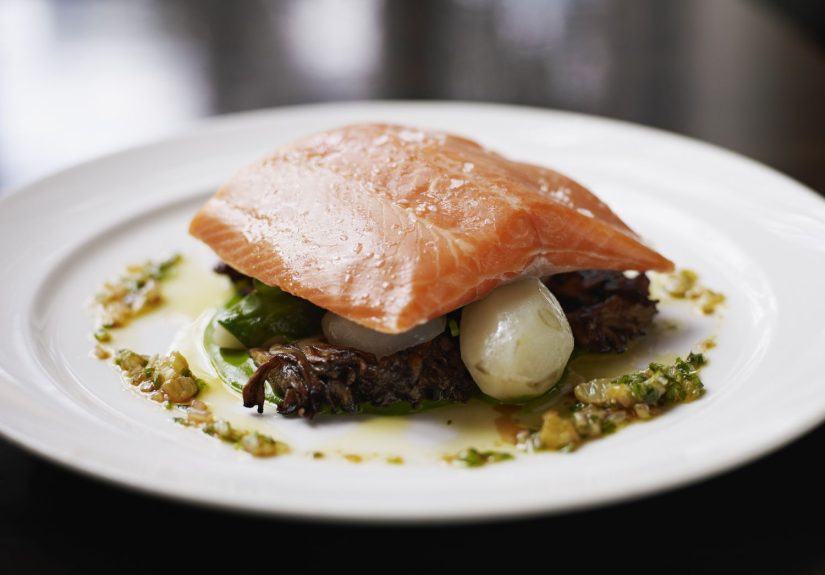
On a plate, steelhead can look and taste a lot like salmonoften with a rich, fatty texture and pink-orange flesh (depending on diet and origin). Farmed steelhead and large rainbow trout in markets are frequently marketed as “steelhead trout,” and you’ll see them prepared similarly to salmon: grilled, smoked, roasted, or pan-seared.
Nutrition highlights
Like many fish, steelhead/rainbow trout can be a strong source of protein and may provide omega-3 fats, along with nutrients like vitamin D and selenium. Exact numbers vary by whether the fish is wild or farmed and how it’s raised.
Mercury and advisories (simple, practical guidance)
National guidance for people who are pregnant, may become pregnant, are breastfeeding, or are feeding young children often emphasizes choosing a variety of fish lower in mercury and paying attention to local advisories for recreationally caught fish. If you’re eating fish you caught (or your friend caught while proudly calling you “buddy”), it’s smart to check your state’s fish advisory page for that specific waterbody.
Sustainability
For shoppers who care about sustainability, some U.S. farmed rainbow trout and steelhead options are often rated favorably by major seafood sustainability programs. That doesn’t mean every product is identicallabels and sourcing still matterbut it’s a helpful starting point when you’re staring at the seafood case doing mental math.
Frequently asked questions about steelhead trout
Is steelhead trout actually salmon?
No. Steelhead are rainbow trout (Oncorhynchus mykiss). They’re in the salmon family and behave similarly in many ways, but “steelhead” is the migratory form of a trout species, not a salmon species.
Do all rainbow trout become steelhead?
No. Many rainbow trout remain resident their entire lives. Even within the same watershed, some fish migrate and others don’t. It’s a flexible system influenced by genetics and conditions like growth rates and habitat.
Can steelhead spawn more than once?
Some can. Unlike most Pacific salmon, steelhead don’t always die after spawning. Repeat spawning is one reason steelhead management can be more complicated than it looks from the riverbank.
Are Great Lakes steelhead different from ocean steelhead?
They’re typically migratory rainbow trout that use the Great Lakes as their big-water feeding grounds. The big difference is the “ocean phase” is freshwater, and many populations are supported by stocking and specific management strategies.
Why are steelhead protected in some places?
Many populations have declined due to habitat loss, barriers to migration, water changes, and shifting ocean conditions. In some regions, certain steelhead groups are listed under the Endangered Species Act, which shapes fishing rules and habitat protections.
Conclusion
Steelhead trout are the migratory, ocean-going (or big-lake-going) version of rainbow trouta single species with a surprisingly flexible game plan. That flexibility is why steelhead can thrive in some waters and struggle in others, why runs can be summer or winter timed, and why conservation isn’t just about “saving a fish” but about protecting connected habitats across an entire life cycle.
If you take away one idea, let it be this: steelhead are a lifestyle, not a species. A rainbow trout that chooses the open water can come back larger, stronger, and far more dramaticlike it spent a year training for a reality show called So You Think You Can Spawn.
Extra: Real-world experiences people associate with steelhead (about )
Steelhead have a way of turning normal outdoor moments into “tell this story forever” momentsespecially because you rarely meet a steelhead angler who enjoys understatement. Here are some common experiences people report when they start learning about steelhead, chasing them, or simply eating them.
1) The first “Wait… that’s just a rainbow trout?” moment. Many people’s steelhead journey begins with disbelief. You read that steelhead and rainbow trout are the same species and immediately feel like someone swapped your trivia answers overnight. Then you see photos: a small, colorful stream rainbow next to a long, silver, ocean-fed steelhead. Same species. Totally different vibe. That contrast is often what hooks people (pun absolutely intended).
2) The obsession with timing. Steelhead talk quickly becomes calendar talk. “They’re in early.” “The river bumped up.” “The winter run is late.” Even if you don’t fish, it’s fascinating: steelhead aren’t just present or absent; their movements track water temperature, rainfall, flow, and season. People who spend time around steelhead rivers often become amateur meteorologistschecking forecasts like their weekend depends on it (because it does).
3) The humbling fight. Anglers love steelhead because they fight like they’re mad at physics. A common first-timer experience is realizing that the fish you hooked isn’t impressed by your confidence. Steelhead runs can be slow, and thensuddenlyyour line is peeling out, your heart is racing, and you’re doing that weird half-squat stance that makes you look like you’re trying to remember your email password. Whether the fish is landed or lost, many people describe a similar feeling afterward: shaky hands, huge grin, and an urgent need to tell someone who didn’t ask.
4) Learning to care for fish without being cheesy about it. Because wild steelhead can be sensitive, many anglers and river communities develop strong conservation habits: gentle handling, quick releases, respect for closures, and awareness of spawning seasons. A lot of people describe a shift from “I want to catch one” to “I want these fish to exist long-term,” especially after seeing how dependent they are on healthy rivers.
5) The “steelhead at the grocery store” confusion. Another common experience is standing in the seafood aisle wondering if “steelhead trout” means wild fish from a river. In practice, market steelhead is often farm-raised O. mykiss and sold as a salmon-like option. People frequently describe it as richer than typical rainbow trout, easy to cook like salmon, and forgiving for weeknight meals. It’s one of those foods that can quietly upgrade your dinner without demanding complicated techniquesunless you want to get fancy and pretend you’re hosting a cooking show.
Whether you meet steelhead as a wildlife story, a conservation conversation, a fishing goal, or a fillet on a cutting board, the shared experience is the same: steelhead make people pay attention. They’re a reminder that “trout” can mean much more than a small fish in a small streamand that a single species can contain multitudes.