Table of Contents >> Show >> Hide
If subway tile is the reliable white T-shirt of home design, zellige tile is the vintage leather jacket: a little moody, a little glamorous, and full of character you simply cannot fake. It has texture. It has shine. It has enough variation to make a perfectly nice kitchen suddenly look like it has stories to tell.
That is exactly why designers keep reaching for it. Zellige tile brings handmade warmth to spaces that might otherwise feel too polished, too flat, or too showroom-perfect. Whether it is wrapping a kitchen backsplash, turning a shower into a jewel box, or making a fireplace look far more expensive than it has any right to, zellige has become one of the most talked-about materials in remodeling for good reason.
But what is zellige tile, really? Is it just another social-media darling that looks better in photos than in real life, or is it one of those rare design choices that earns its hype? Let’s break down what zellige tile is, why designers love it, and what you should know before inviting this beautifully imperfect material into your remodel.
What Is Zellige Tile?
Zellige tile is a handcrafted clay tile traditionally made in Morocco. Authentic zellige is shaped, cut, glazed, and fired by hand, which is why no two pieces look exactly alike. That slight waviness, tonal variation, and glossy, light-catching surface are not defects. They are the whole point.
Unlike machine-made ceramic or porcelain tile, zellige does not aim for uniformity. It is proud of its quirks. One tile may be slightly thicker, one edge may be a touch softer, and the glaze may pool more deeply in one corner than another. Put a wall of these tiles together and you get movement, texture, and that elusive “old-world but somehow still cool” effect designers are forever chasing.
In practical terms, zellige is often used on walls, backsplashes, shower surrounds, fireplace facades, bar areas, and accent surfaces. You can find it in squares, rectangles, mosaics, and specialty cuts, though the classic square tile remains the poster child for the look.
How Zellige Is Different From Regular Tile
Here is the simplest way to think about it: regular ceramic tile wants to behave. Zellige tile wants to perform.
Machine-made tile tends to be consistent in size, thickness, and finish. That makes it easier to install and easier to predict. Zellige is more artisanal. It offers depth and variation that standard tile cannot mimic without trying very, very hard. If you want a wall that looks flat, crisp, and identical from corner to corner, zellige may not be your soulmate. If you want a surface that changes as the light moves and rewards close-up attention, now we are talking.
Why Designers Keep Specifying Zellige Tile
Designers do not keep recommending zellige just because it photographs well, although yes, it absolutely does. They love it because it solves a common design problem: how to add richness to a room without adding clutter. Zellige creates visual depth through surface variation, not through busy patterns or loud materials.
That makes it especially appealing in kitchens and bathrooms, where hard finishes can sometimes feel cold. A wall of zellige softens the room without sacrificing durability or function. It feels handmade in the best possible way, like someone actually thought about the room instead of ordering “default backsplash option number three.”
5 Reasons Designers Want You to Use Zellige Tile for Your Next Remodel
1. It Has a Perfectly Imperfect Look That Adds Instant Character
This is the big one. Zellige’s beauty comes from its irregularity. The edges are not laser-perfect, the surface is not pancake-flat, and the glaze does not land in the exact same way on every piece. Together, those inconsistencies create a finish that feels layered, collected, and alive.
In design terms, that means a simple wall can suddenly look rich and thoughtful without needing bold pattern, dramatic veining, or fifteen decorative objects fighting for attention nearby. In human terms, it means your kitchen backsplash stops looking like it was assembled by a robot with commitment issues.
This quality is especially valuable in neutral spaces. White, cream, taupe, and soft green zellige tiles can add texture and movement while still keeping the overall palette calm and elegant.
2. It Reflects Light in a Way Flat Tile Simply Can’t
Because the surface of zellige is slightly uneven and the glaze varies from tile to tile, it catches light differently across the wall. Morning light, under-cabinet lighting, and even a humble pendant bulb can make the surface shimmer in subtle ways. That gives the room dimension without forcing you into a loud design decision.
This is one reason zellige works so well in smaller bathrooms and tighter kitchens. It can brighten a space while still feeling warm and tactile. Glossy machine-made tile can sometimes feel slick or sterile. Zellige feels softer, moodier, and more organic.
If you are trying to make a compact room feel less boxy, a reflective, handmade surface can do more heavy lifting than people realize.
3. It Works With More Styles Than You’d Expect
One of the smartest things about zellige tile is that it refuses to stay in one style lane. It can look right at home in a Mediterranean kitchen, a modern organic bathroom, a classic English-inspired scullery, or even a minimalist space that needs one soulful detail to keep it from feeling like a fancy dentist office.
Pair it with marble and brass, and it looks luxurious. Pair it with natural wood and plaster, and it looks earthy. Pair it with black hardware and clean cabinetry, and it suddenly feels fresh and current. Designers love materials that can flex, and zellige has range.
This versatility also makes it easier to justify the investment. You are not buying into a one-season trend if you use it thoughtfully. You are choosing a material with historic roots that happens to work beautifully in modern homes.
4. It Brings Handmade Warmth to High-Function Spaces
Kitchens and bathrooms are hardworking rooms. They need surfaces that can handle mess, moisture, and heat, but homeowners also want them to feel personal. Zellige sits in that sweet spot between practical and beautiful.
Designers often specify it for backsplashes, shower walls, vanity walls, and fireplace surrounds because it adds warmth to spaces full of stone, metal, and glass. A slab countertop may provide the structure, but zellige brings the soul. That contrast is part of the magic.
In remodels where everything else is sleek and streamlined, zellige keeps the room from feeling too brand-new. It gives a finished space a lived-in richness on day one, which is a neat trick if you do not have 80 years to age your house gracefully.
5. It Makes Color Feel Deep, Not Flat
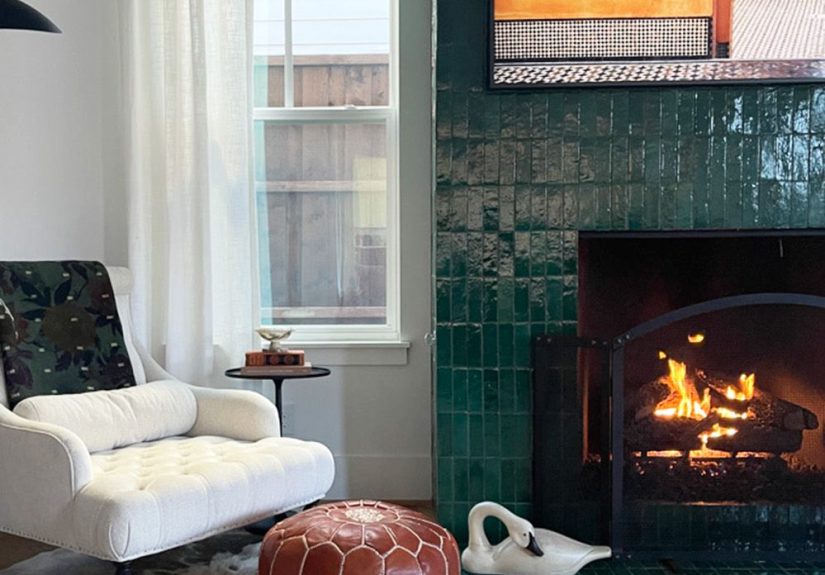
Color behaves differently on zellige because the glaze varies from piece to piece. A green zellige wall is not just green. It might shift from mossy to olive to bottle green depending on the light and the glaze concentration. A white zellige backsplash may read creamy in one spot and pearly in another.
That natural variation makes even simple colors feel luxurious. It also helps prevent the common remodel mistake of choosing a beautiful sample that ends up looking a little dead once installed in bulk. Zellige color has movement, which is a big reason it feels special.
For homeowners who want color but are scared of committing to something loud, zellige offers a happy middle ground. It can be expressive without becoming exhausting.
Where Zellige Tile Works Best
Zellige shines in places where people will actually notice its texture and variation. A few standout uses include:
- Kitchen backsplashes: Especially full-height installations that run to the ceiling.
- Bathroom walls and shower surrounds: Great for adding spa-like depth and softness.
- Fireplace surrounds: A high-impact use that turns a basic focal point into a design feature.
- Bar niches and powder rooms: Small spaces where a little drama goes a long way.
- Accent walls and niches: Perfect when you want texture without overwhelming the room.
It can also work in more unexpected places, like ceilings, garden walls, or built-in alcoves, especially if you want a custom, high-design feel.
What to Know Before You Commit
Installation Matters. A Lot.
Zellige is not the tile you hand to a rookie and hope for the best. Because pieces vary in thickness, size, and edge shape, installation takes patience and experience. Layout matters. Blending matters. The installer has to understand that the goal is balanced variation, not forcing every tile into rigid perfection.
If you choose zellige, budget for a skilled tile setter. This is not where you want bargain-basement energy.
Maintenance Is Manageable, But It Is Not Zero-Effort
Zellige is beautiful, but it is not maintenance-free. Depending on the tile and where it is installed, porosity, staining, and chipping may be concerns. In kitchens especially, grease splatter and tomato sauce do not care that your backsplash has artisanal heritage.
That does not mean you should avoid it. It means you should go in with your eyes open. Use the right sealer if recommended by the manufacturer, clean with pH-neutral products, and understand that natural materials ask for a little more from you than cookie-cutter alternatives do.
It Is Not Ideal Everywhere
Some experts advise caution in freeze-thaw environments, and slippery applications like stair treads may not be the smartest choice. This is one of those materials where “technically possible” and “actually wise” are not always the same sentence.
Is Zellige Tile Worth It?
If you want perfectly uniform tile at the lowest cost with the easiest installation, zellige is probably not your winner. But if you care about craftsmanship, texture, and that rare finish that makes a room feel both elevated and human, it is absolutely worth considering.
The best remodel materials do more than cover a surface. They shape the mood of a space. Zellige does that beautifully. It adds age without looking old, polish without looking stiff, and personality without shouting for attention.
In other words, zellige tile is not just something you install. It is something your room gets to become.
What the Experience of Living With Zellige Is Really Like
Here is the part homeowners often want to know after the mood boards and sample shopping are over: what does zellige actually feel like in daily life? The honest answer is that it tends to become one of those materials people notice more over time, not less. That is rare. Plenty of trendy finishes peak at installation day and slowly disappear into the background. Zellige keeps giving.
In the morning, the glaze catches light differently than it did the night before. Under a warm lamp, a white wall can look creamy and romantic. In daylight, the same surface might suddenly reveal silvery, watery, almost shell-like shifts. That changing quality is a huge part of the experience. Your backsplash or shower wall does not read as one flat color block. It feels alive.
There is also something unexpectedly comforting about its imperfections. In a renovated room, especially one filled with new cabinetry, crisp counters, and spotless fixtures, zellige acts like the friend who tells everyone to relax. It softens the space. It reminds you that the best homes are not sterile. They are textured, personal, and a little bit unruly around the edges.
That said, living with zellige does require the right mindset. If tiny variations in grout lines would keep you awake at night, or if you expect every tile to match like copies from a printer, this is probably not your material. Zellige asks you to appreciate nuance. It rewards people who like craftsmanship more than control.
Homeowners also tend to notice how much zellige changes the feel of adjacent materials. Wood looks warmer next to it. Brass looks richer. Marble looks less formal. Even painted cabinets can seem deeper and more custom when paired with a handmade tile surface. That is one reason designers love it so much: zellige makes the rest of the room look better without demanding center-stage diva treatment.
And yes, there is a certain pleasure in telling guests, “Those are handmade.” Not in an obnoxious way. More in a “please admire my excellent life choices” way. People touch zellige. They lean in. They ask why it looks so different from regular tile. It starts conversations, which is not a sentence anyone usually says about backsplash material.
The most common real-life takeaway is this: homeowners who choose zellige for the right reasons tend to love it because it never feels flat or generic. The room keeps a sense of individuality. It feels designed, not just finished. That can matter a lot in kitchens and baths, where so many surfaces risk looking a little too standard.
So the lived experience of zellige is not about perfection. It is about mood, texture, and character. It is about walking into your kitchen for coffee or your bathroom at the end of a long day and noticing that the room still feels special. Not loud. Not fussy. Just quietly, unmistakably beautiful.
Conclusion
Zellige tile has earned its place in today’s remodel conversation because it offers something many finishes cannot: authentic character. Its handmade Moroccan roots, luminous glaze, and naturally varied surface make it a favorite for designers who want rooms to feel richer, warmer, and more individual.
Used thoughtfully, zellige can elevate a backsplash, shower, fireplace, or accent wall from functional to unforgettable. Just go in knowing what makes it gorgeous also makes it different. It takes careful installation, realistic expectations, and a little appreciation for imperfection. If that sounds like your style, zellige may be the smartest “yes” in your next remodel.