Table of Contents >> Show >> Hide
- Why Deer Keep Visiting Your Yard in the First Place
- 1. Install a Real Barrier, Not a Decorative Suggestion
- 2. Protect Your Most Valuable Plants One by One
- 3. Use Deer Repellents Early, Often, and Without Wishful Thinking
- 4. Plant More Deer-Resistant Species and Fewer Deer Favorites
- 5. Remove Easy Snacks and Other Deer Invitations
- 6. Add Motion-Activated Sprinklers and Rotate Scare Tactics
- 7. Change the Layout and Traffic Pattern of Your Yard
- The Best Deer Control Plan Is a Layered One
- Real-World Experiences: What Homeowners Learn After Fighting Deer for a Season
- Conclusion
- SEO Tags
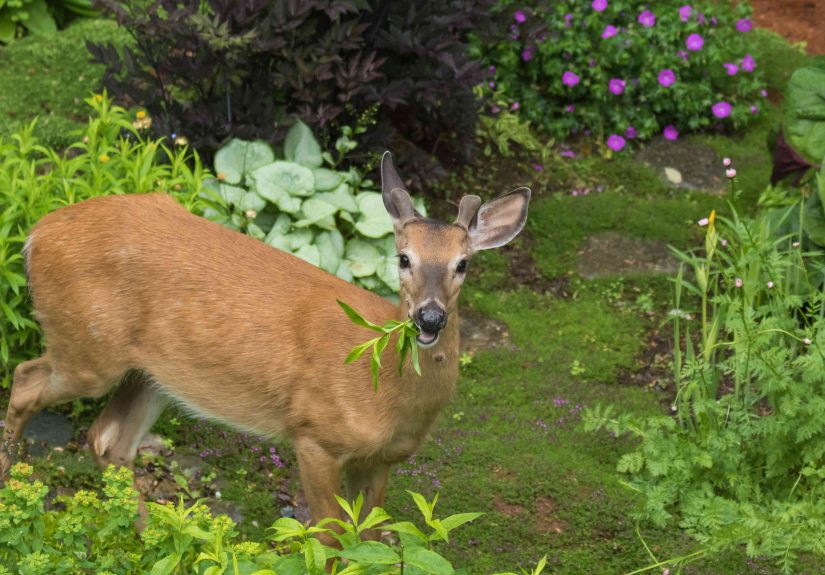
There are few gardening heartbreaks more dramatic than stepping outside with your coffee, admiring your flower beds from a distance, and then realizing your hydrangeas now look like they were trimmed by a very rude landscaper with hooves. Deer are beautiful. Deer are graceful. Deer are also the unpaid salad critics of suburbia, and unfortunately, your yard is often on the menu.
If you want to keep deer out of your yard so they do not eat your plants, the trick is not relying on one magic fix. There usually is not one. The most successful deer control plans use layers: physical barriers, smarter plant choices, repellents, targeted protection, and a yard setup that makes your landscape harder to raid. In other words, you are not trying to win one dramatic showdown. You are trying to become the most annoying restaurant in town.
This guide breaks down seven practical, research-backed ways to stop deer from eating your garden, shrubs, vegetables, and ornamental plants. Some methods cost more. Some take more upkeep. But together, they can dramatically reduce damage and help you reclaim your yard without turning it into a fortress from a medieval movie.
Why Deer Keep Visiting Your Yard in the First Place
Before you start waging war on venison-adjacent intruders, it helps to understand what attracts them. Deer usually show up for three reasons: easy food, comfortable access, and repeated success. If they have already browsed your hostas, daylilies, tender shrubs, vegetable crops, or fresh spring growth without consequence, they will absolutely come back. Deer are creatures of habit, and your landscaping can accidentally train them to think, “Wow, this place has excellent service.”
They also tend to favor tender new growth, irrigated plants, and well-fertilized ornamentals. Even plants that are considered deer-resistant are not truly deer-proof. When food is scarce, local deer pressure is high, or the weather is rough, deer will sample plants they normally ignore. That is why realistic deer management is about reducing risk, not promising fairy-tale perfection.
1. Install a Real Barrier, Not a Decorative Suggestion
If you want the most reliable long-term solution, fencing is the gold standard. Not a cute little picket fence. Not a charming border that looks great in a catalog. Deer can jump surprisingly high, so a fence that merely says, “Please don’t,” is not going to solve much.
What works best
For most homes, a fence around 7 to 8 feet tall is the most dependable option. The fence should also reach the ground so deer cannot duck under it. Woven wire works well, and sturdy polypropylene or similar netting can also help, especially for gardens. If you already have a shorter fence, extending it upward with mesh or wire may improve it enough to matter.
When a double fence makes sense
If you have a large garden, a high-value planting area, or deer pressure that feels almost personal, a two-tier or double-fence system can be very effective. This design works because deer do not love jumping into tight, visually confusing spaces. They can jump high, and they can jump far, but they are far less eager to do both in one awkward leap. A second offset barrier can make them think your garden is more trouble than it is worth.
Best use case
Fencing is ideal for vegetable gardens, cutting gardens, newly planted beds, orchards, and any yard where deer visit so often that everything else feels like a temporary bandage. Yes, a real fence is more expensive up front. It is also much cheaper than replacing shrubs every spring while muttering under your breath.
2. Protect Your Most Valuable Plants One by One
Maybe you are not ready to fence your whole yard. That is fair. Some landscapes do not need a perimeter defense plan worthy of a national park. In those cases, protect the plants deer target most aggressively.
Use cages, tubes, and netting
Individual plant protection is especially useful for young trees, specimen shrubs, fresh transplants, and favorite perennials. Wire cylinders, tree shelters, tree tubes, and netting can stop browsing before it starts. These barriers work best when they stand far enough away from the foliage that deer cannot simply stretch their necks and grab a snack through the opening. Deer are talented thieves. Do not leave the purse on the chair.
Focus on vulnerable seasons
Spring is a big one because new growth is soft and tempting. Fall and winter can also be rough, especially when natural food becomes scarcer. Temporary protection during those high-pressure windows can save a lot of damage without forcing you to cage every plant year-round.
Smart targets for this method
- Newly planted shrubs and small trees
- Young evergreens
- Favorite flowering plants near woodland edges
- Plants that deer keep sampling no matter what else you try
This method is not glamorous, but it is practical. Sometimes the best deer strategy is simply saying, “No, not this one. Go bother somebody else.”
3. Use Deer Repellents Early, Often, and Without Wishful Thinking
Repellents can help, but they work best when you use them like a routine, not a panic button. If a deer has already been feasting in your yard for a week, spraying something once and hoping for miracles is like locking your front door after the raccoon has already hosted a dinner party in your kitchen.
How repellents help
Most deer repellents work by smell, taste, or both. Common active ingredients include putrescent egg solids, garlic, hot pepper, and other unpleasant compounds deer prefer to avoid. Some products are designed for ornamentals, while others are labeled for edible crops during certain stages. Always read the label carefully because not every product is safe for every plant or situation.
The rules that actually matter
- Apply repellents before heavy browsing starts.
- Reapply after rain, heavy dew, irrigation, or strong new growth.
- Cover the new foliage, because that is often what deer want most.
- Rotate products occasionally so deer do not get too comfortable.
Repellents are generally more successful on less-preferred plants and under moderate deer pressure. In a hard season, when food is limited, deer may ignore smells and tastes they once avoided. Hunger turns a picky diner into an adventurous one.
Should you try homemade sprays?
Some gardeners swear by DIY mixes made with eggs, garlic, hot pepper, or soap. These can provide temporary relief, but they still require regular reapplication, and results vary. Commercial products are usually more consistent. Homemade solutions are a little like garage bands: occasionally brilliant, often messy, and not always dependable on a rainy weekend.
4. Plant More Deer-Resistant Species and Fewer Deer Favorites
This is one of the smartest strategies because it reduces the buffet effect. If your yard is full of plants deer adore, you are basically running an all-you-can-eat brunch. Reworking the menu can lower damage and reduce how often deer stop by in the first place.
What deer usually dislike
Deer often avoid plants with strong fragrance, fuzzy or prickly textures, tough leaves, milky sap, or bitter compounds. That is why herbs, aromatic perennials, certain ferns, some ornamental grasses, and a range of woody shrubs often do better in deer-prone landscapes.
Examples homeowners often use
Good candidates may include boxwood, juniper, lilac, spicebush, ajuga, many ferns, salvia, milkweed, coneflower, and other plants commonly listed as less favored. That said, no plant is guaranteed safe. Regional deer preferences vary, and what gets ignored in one neighborhood may get taste-tested in another.
Design trick: create a protective ring
Place more susceptible plants closer to the house, near patios, or inside fenced pockets. Surround them with less-preferred species. This layered planting design can make your most precious plants harder to spot and less convenient to reach. Think of it as hiding the cupcakes behind the kale.
5. Remove Easy Snacks and Other Deer Invitations
Deer do not only visit because of your petunias. They also notice fallen fruit, ripening vegetables, lush irrigated growth, and predictable feeding opportunities. The easier your yard is to browse, the more likely deer are to build it into their evening route.
Ways to make your yard less appealing
- Harvest vegetables and fruit promptly.
- Pick up fallen apples, pears, and other dropped produce.
- Avoid creating extra feeding spots with salt blocks or wildlife feed nearby.
- Protect highly attractive seasonal crops during peak vulnerability.
- Replace repeatedly damaged plants instead of re-buying the same deer candy every year.
This step is not as exciting as buying a new gadget, but it matters. Deer love consistency. If your yard repeatedly offers easy calories, they will return with the confidence of regular customers who know the specials board by heart.
6. Add Motion-Activated Sprinklers and Rotate Scare Tactics
Scare devices can work, especially when deer are still deciding whether your yard is worth visiting. Motion-activated sprinklers are among the better options because they combine surprise, movement, noise, and a burst of water. For a deer sneaking into your flower bed at dusk, this is the equivalent of being booed by the landscaping.
What these tools do well
They startle deer and interrupt browsing. They can be especially helpful around beds, borders, and garden entrances. They are also humane and relatively easy to set up.
What they do not do well
Deer can get used to scare devices. That is the main weakness. A sprinkler, light, or sound unit that works beautifully this week may become part of the scenery next week. That is why rotation matters. Move the device. Change the angle. Pair it with repellents. Use it as one layer in a broader defense system, not as your entire strategy.
Other scare tools
Reflective tape, fluttering materials, lights, and noise devices may help temporarily, but they tend to lose power fast if used alone. Deer are cautious, but they are also excellent at figuring out when your yard only looks dramatic.
7. Change the Layout and Traffic Pattern of Your Yard
Sometimes deer pressure is about access as much as appetite. If deer can move comfortably from wooded edges into your beds, browse quietly, and leave without interruption, your landscape has become part of their travel route. Adjusting layout and plant placement can make that route less appealing.
Practical layout moves
- Put vulnerable plants near the house, deck, driveway, or other active areas.
- Use less-preferred plants along the outer edges of the property.
- Break up straight-line access from woods or open fields into planting beds.
- Protect side yards and back corners where deer can browse unnoticed.
- Keep especially valuable plants in enclosed courtyards or fenced islands.
Human activity does not make deer vanish, but it can make them less comfortable. A yard with visible activity, layered plantings, barriers, and occasional surprises is far less inviting than a quiet open buffet hidden behind the garage.
The Best Deer Control Plan Is a Layered One
If there is one takeaway here, it is this: the best way to keep deer out of your yard is to combine methods. Fencing handles the big problem. Plant protection saves your most valuable shrubs and young trees. Repellents reduce sampling. Deer-resistant plants shrink the buffet. Motion devices provide extra pressure. And removing attractants helps break the habit.
In low-pressure areas, you may get good results with smart plant choices and seasonal repellents. In heavy-pressure areas, you will likely need fencing plus targeted protection and a regular maintenance routine. It is not always glamorous, but gardening rarely is. One minute you are planning a dreamy border garden. The next minute you are zip-tying netting around a hydrangea at sunset while negotiating with wildlife like a very tired diplomat.
Real-World Experiences: What Homeowners Learn After Fighting Deer for a Season
Anyone who has dealt with deer in a real yard usually learns the same lesson in stages. First comes denial. You notice ragged leaves on a favorite plant and blame insects, weather, or maybe an overenthusiastic rabbit. Then one morning you walk outside and find a neat line of half-eaten hostas, clipped rosebuds, or a vegetable bed that looks like it hosted an after-hours salad bar. That is the moment many gardeners realize deer damage is not random. It is organized, recurring, and weirdly efficient.
The second lesson is that deer almost always find your favorite plants first. Not the weeds. Not the random volunteer plant you forgot to pull. The expensive shrub you planted last weekend? Gone. The new hydrangea you babied through transplant shock? Sampled. The tulips you waited months to see? Tasted like victory to somebody, just not you. That emotional part matters because it changes how people garden. After enough damage, homeowners stop choosing plants only for beauty and start choosing for survival.
Another common experience is realizing that a single tactic rarely solves the problem for long. Many gardeners start with a repellent and feel optimistic for a week. Then it rains. Or the plants put out fresh growth. Or the deer simply decide they are hungry enough to ignore the smell. Others try scare devices and get a similar result: strong early success, followed by deer casually strolling back in as if they pay taxes there. This is why experienced gardeners become big believers in layering methods. The fence handles access. The repellent handles browsing pressure. The motion sprinkler adds surprise. The plant choices reduce temptation.
Homeowners also learn that timing matters almost as much as product choice. If you wait until the damage is obvious, the deer may already have your yard on their route. Preventive action works better than emergency action. People who win this battle usually start before buds break, before vegetables ripen, and before young shrubs become dessert. They are not reacting to deer. They are planning for deer.
One of the more hopeful lessons from real-life experience is that gardens do adapt. You start noticing patterns. Deer hit the back border more than the front. They browse more aggressively in spring. They ignore some fragrant plants, skip a few fuzzy-leaved perennials, and repeatedly attack the same tender shrubs. Once you notice those patterns, your choices get smarter. You move vulnerable plants closer to the house. You stop re-buying the same deer favorites every year. You invest in barriers where they matter most. And eventually, your yard starts looking less like a wildlife cafeteria and more like a place you can actually enjoy again.
So yes, dealing with deer can be frustrating, expensive, and occasionally absurd. But it also teaches you to garden more strategically. And honestly, there is something deeply satisfying about watching your plants make it through a full season untouched while the deer wander off in search of a less prepared homeowner. Not today, Bambi. Not today.
Conclusion
Keeping deer out of your yard is less about finding one perfect deer deterrent and more about building a system that makes browsing difficult, inconvenient, and unrewarding. Start with the strongest barrier you can manage. Protect the plants you value most. Use repellents before damage begins, not after. Choose deer-resistant plants where possible. Remove temptations. Rotate motion-based deterrents. And keep adjusting based on what local deer actually do, not what you wish they would do.
That combination gives you the best chance of protecting your plants, saving money, and preserving your sanity. Your flowers deserve a fighting chance. Your vegetables deserve to be eaten by you. And your yard deserves better than being the hottest reservation in the local deer dining scene.