Table of Contents >> Show >> Hide
- First Things First: The Main Goal Is Hydration
- Should You Eat at All?
- Best Foods To Eat When You Have Diarrhea
- Foods and Drinks To Avoid When You Have Diarrhea
- A Simple One-Day Eating Plan
- How To Start Eating Normally Again
- What If Diarrhea Keeps Happening?
- When To Call a Doctor
- Common Real-Life Experiences When You Have Diarrhea
- Conclusion
Note: This article is for general information only. If diarrhea is severe, bloody, unusually painful, or lasting longer than expected, it is smart to contact a healthcare professional.
Diarrhea has a special talent for showing up at the worst possible moment. Before a road trip. During a meeting. Five minutes after you confidently said, “I feel fine now.” When your stomach is staging a rebellion, food suddenly becomes a high-stakes decision. Do you eat? Skip meals? Live on toast forever? Declare emotional dependence on bananas?
The good news is that you usually do not need a dramatic crash diet. What you do need is a simple, gentle eating plan that helps replace lost fluids, gives your gut a chance to calm down, and avoids foods that make the situation even more lively. In other words, your digestive system is not asking for fireworks. It is asking for quiet roommates.
This guide explains what to eat when you have diarrhea, what to avoid, how to build a low-stress menu for a day or two, and when it is time to stop Googling and call a doctor instead.
First Things First: The Main Goal Is Hydration
When you have diarrhea, the biggest short-term problem is often not food at all. It is fluid loss. Along with water, your body can lose electrolytes such as sodium and potassium. That is why diarrhea can leave you tired, lightheaded, thirsty, and generally feeling like your body has turned into a wrung-out sponge.
So before you obsess over the perfect snack, make sure you are drinking enough. Small, frequent sips are usually easier to handle than chugging a giant glass all at once. Good options can include:
- Water
- Broth or clear soup
- Oral rehydration solution
- Electrolyte drinks in moderation
- Weak decaf tea
- Ice chips or popsicles if your stomach feels touchy
If you also have nausea, tiny sips every few minutes may work better than trying to drink a full cup at once. Think “steady drip,” not “college hydration challenge.”
Should You Eat at All?
Yes, usually. Many people assume the best plan is to stop eating completely until their stomach settles down. But for most cases of short-term diarrhea, fasting is not necessary. In fact, once you feel able to eat, small amounts of bland, easy-to-digest food are often better than going all day on fumes and regret.
The key is to keep meals small, simple, and low in fat. Your digestive tract is irritated, so now is not the time for hot wings, triple-cheese pasta, or a heroic salad packed with kale, seeds, and raw onions. Your gut wants a polite conversation, not a TED Talk.
Best Foods To Eat When You Have Diarrhea
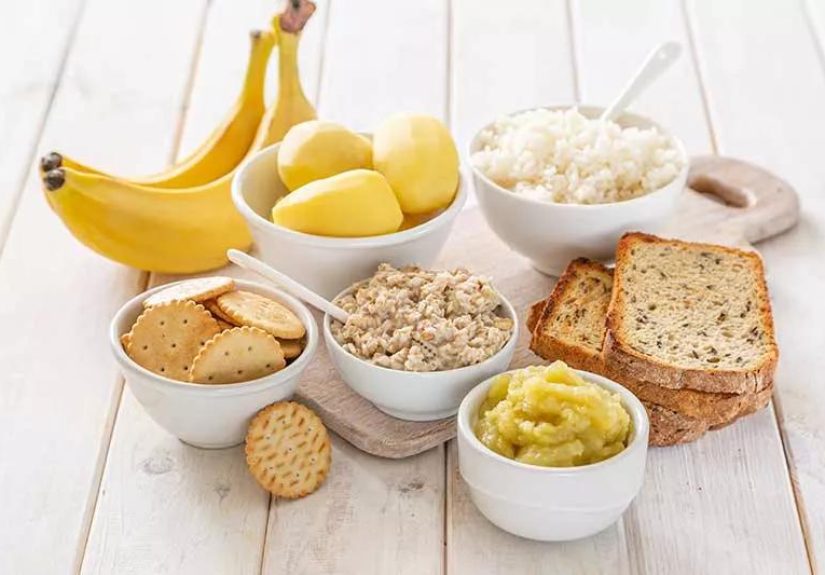
The best foods when you have diarrhea are usually bland, lower in fiber, and gentle on the stomach. Many of them are classic “sick day foods” for a reason: they are easy to digest and less likely to speed things up in your intestines.
1. Bananas
Bananas are a longtime favorite because they are soft, bland, and easy on the stomach. They also contain potassium, which can be helpful when you are losing fluids. Choose ripe bananas rather than green ones if your stomach feels especially sensitive.
2. White Rice
Plain white rice is one of the gentlest starches you can eat. It is low in fiber, mild in flavor, and unlikely to irritate your digestive tract. Brown rice is usually not the best choice during diarrhea because the extra fiber can be harder to tolerate.
3. Applesauce
Applesauce is often easier to manage than raw apples. It is soft, mild, and simple to portion. Go for plain, unsweetened applesauce if possible. A lot of added sugar is not doing you any favors right now.
4. Toast, Crackers, and Plain Bread
Dry, bland carbohydrates can be comforting when your stomach is off. White toast, saltines, plain crackers, or simple white bread can help fill the gap when richer foods sound impossible. Bonus: they are low drama.
5. Oatmeal and Other Gentle Grains
Soft-cooked oatmeal can work well for some people because it is bland and contains soluble fiber, which may help absorb extra water in the gut. Keep it plain. This is not the moment for a mountain of nuts, dried fruit, and caramel swirl.
6. Boiled or Baked Potatoes
Plain potatoes without lots of butter, cream, or spicy toppings can be easy to digest. They are filling, mild, and practical when you want something slightly more substantial than toast for the fifth time.
7. Noodles or Plain Pasta
Simple pasta, especially white pasta, can be a safe choice if eaten plain or with a little broth. Heavy sauces, garlic overload, or rich cheese toppings should wait until your stomach has stopped filing complaints.
8. Skinless Chicken or Turkey
If you are ready for protein, plain baked, boiled, or poached chicken or turkey can work well. Keep it unseasoned or lightly seasoned. Fried chicken, on the other hand, belongs in the “absolutely not today” category.
9. Eggs
Plain eggs, such as softly scrambled or boiled eggs, can be a gentle source of protein for some people. Avoid loading them up with cheese, hot sauce, or a side of questionable brunch ambition.
10. Broth-Based Soups
Chicken broth, noodle soup, or a light broth-based soup can help with both hydration and calories. Just keep the soup mild and avoid cream-heavy versions until things settle down.
11. Soft, Cooked Foods
When you are starting to feel a little better, soft cooked foods such as plain noodles, cooked carrots, or mashed potatoes may be easier to tolerate than raw produce or crunchy foods. Cooking breaks food down, which can make digestion easier.
12. Foods With Gentle Soluble Fiber
Not all fiber is your enemy, but this is usually not the time for a huge high-fiber meal. Foods with soluble fiber, such as bananas, oats, and white rice, are often more manageable than foods packed with rough, insoluble fiber like raw vegetables, bran cereal, and lots of seeds.
Foods and Drinks To Avoid When You Have Diarrhea
Knowing what not to eat is just as important as knowing what belongs on the menu. Certain foods can irritate your gut, draw more water into the intestines, or simply move through too fast.
- Greasy or fried foods: These are harder to digest and can worsen symptoms.
- Spicy foods: If your digestive tract is already irritated, chili oil is not your friend.
- Very high-fiber foods: Raw vegetables, bran, popcorn, nuts, seeds, and whole grains can be too rough during an active episode.
- Dairy products: Milk, ice cream, and creamy foods can bother some people for a day or two, especially after a stomach bug.
- Caffeine: Coffee, energy drinks, and some sodas can stimulate the gut and worsen dehydration.
- Alcohol: It can make dehydration worse and irritate your stomach.
- Sugary foods and drinks: Candy, soda, and very sweet juices can aggravate diarrhea.
- Sugar alcohols: Sweeteners such as sorbitol, xylitol, and erythritol can trigger or worsen loose stools in some people.
- Gas-producing foods: Beans, cabbage, broccoli, and carbonated drinks may add bloating and discomfort to the party.
A Simple One-Day Eating Plan
If you want something practical, here is a gentle sample menu for a day when your stomach is acting fragile.
Morning
Start with water or an electrolyte drink. If you feel like eating, try plain toast, a banana, or a few saltine crackers.
Mid-Morning
Have applesauce or a small bowl of oatmeal made with water. Sip fluids slowly.
Lunch
Try white rice with plain chicken or a small bowl of chicken noodle soup. Keep portions modest.
Afternoon
Choose crackers, toast, or a baked potato without heavy toppings. Keep drinking fluids.
Dinner
Have plain pasta, rice, or mashed potatoes with a small serving of skinless chicken or turkey. If you are not up for protein yet, broth-based soup is fine.
Evening
If you want a snack, go for toast, applesauce, or a banana. Keep things simple until symptoms improve.
How To Start Eating Normally Again
Once diarrhea begins to improve, you can slowly return to your regular diet. Slowly is the keyword here. This is not the time for a victory pizza, a giant iced coffee, and a side of “I think I’m cured.”
Start by expanding from bland foods to simple meals with a little more variety. Add cooked vegetables, lean proteins, and other easy-to-digest foods first. Save rich, spicy, greasy, and super high-fiber meals for later, after your digestion has fully settled.
If a certain food seems to make symptoms flare up again, back off and try it another day. Temporary food sensitivity is common after a stomach bug or another short bout of diarrhea. Your body may just need a little extra time.
What If Diarrhea Keeps Happening?
If diarrhea is frequent, long-lasting, or keeps coming back, food may not be the only issue. Sometimes diarrhea is tied to a stomach infection, food poisoning, a medication side effect, lactose intolerance, irritable bowel syndrome, inflammatory bowel disease, or another digestive condition.
That is one reason a “what to eat” article can only go so far. Food choices can help manage symptoms, but ongoing diarrhea deserves medical attention so the cause can be identified. Your lunch may not be the villain. Sometimes the real culprit is somewhere else entirely.
When To Call a Doctor
Many cases of diarrhea clear up on their own within a day or two. But some situations need medical care. Contact a healthcare professional if you have any of the following:
- Diarrhea lasting more than 2 days as an adult
- Signs of dehydration, such as very dark urine, dizziness, dry mouth, or urinating much less than usual
- Blood in the stool, black stools, or pus in the stool
- Severe belly pain or rectal pain
- A high fever
- Frequent vomiting
- Diarrhea after recent travel or possible food poisoning
Children, older adults, and people with chronic medical conditions can get dehydrated more quickly, so it is wise to be extra cautious in those groups.
Common Real-Life Experiences When You Have Diarrhea
One reason this topic gets so much attention is that diarrhea is not just a medical problem. It is a life-interruption problem. People often describe the same pattern: at first, they are not sure whether they are hungry, nauseated, or simply offended by the idea of food. The body feels empty, but eating something heavy sounds like an act of betrayal. That is why bland foods become the heroes of the moment. They are not exciting, but they are dependable. Nobody writes poetry about dry toast, yet dry toast keeps getting called into service like a seasoned backup actor.
Another common experience is the temptation to “eat healthy” in the wrong way. Someone feels sick, so they reach for a giant raw salad, a smoothie packed with fruit, or a fiber-rich cereal. Under normal circumstances, those foods may be great choices. During diarrhea, however, they can be a little too enthusiastic. Many people learn the hard way that there is a difference between healthy food and helpful food. When your digestive tract is irritated, soft and simple often beats virtuous and crunchy.
People also frequently underestimate how wiped out diarrhea can make them feel. It is not unusual to feel weak, headachy, or shaky, especially if you have not been drinking enough. A lot of that miserable feeling improves once fluids go back in regularly. In real life, this often means keeping water, broth, or an electrolyte drink nearby and sipping even when you are not especially thirsty. Waiting until you feel parched is usually not the best plan.
There is also the dairy surprise. Plenty of people notice that milk seems fine most days, but after a stomach bug it suddenly causes cramping, bloating, or another sprint to the bathroom. That temporary sensitivity can catch people off guard. The same goes for coffee. For many adults, the morning cup feels nonnegotiable. But during diarrhea, coffee can act less like comfort and more like a manager yelling, “Let’s pick up the pace in there!” Temporarily skipping it is often a wise move, even if your caffeine-loving heart writes a formal complaint.
Then there is the recovery phase, which is its own strange chapter. You start to feel better and immediately want real food again. That is human. Unfortunately, your gut may still be in “proceed with caution” mode. Many people have the experience of doing well on bananas, rice, soup, and toast, then celebrating too early with burgers, spicy tacos, or creamy takeout. The body sometimes responds with a swift and memorable reminder that recovery is not the same as immunity.
Finally, there is the emotional side: embarrassment, inconvenience, and the general annoyance of having your day dictated by your intestines. That is real too. A practical food plan helps because it removes guesswork. When you know your best bets are fluids, bland starches, simple proteins, and small meals, the whole situation feels more manageable. You may not feel glamorous, but you do feel like you have a strategy. And honestly, during a stomach revolt, strategy is beautiful.
Conclusion
So, what should you eat when you have diarrhea? Start with hydration, then move to bland, easy-to-digest foods such as bananas, white rice, applesauce, toast, crackers, oatmeal, potatoes, broth, plain noodles, and simple lean proteins. Keep meals small and avoid greasy, spicy, high-fiber, heavily sweetened, caffeinated, or alcohol-based choices until your stomach settles down.
The goal is not to eat perfectly. The goal is to help your gut calm down, keep dehydration away, and return to normal eating gradually. If symptoms are severe, bloody, unusually painful, or simply refuse to leave the building, get medical advice. Your digestive system can handle a lot, but it still appreciates a little respect now and then.