Table of Contents >> Show >> Hide
- Why This Whole Wheat Bread Machine Recipe Works
- Whole Wheat Bread Machine Recipe Card
- Step-by-Step Instructions
- How to Get Soft Whole Wheat Bread in a Bread Machine
- Troubleshooting Whole Wheat Bread Machine Bread
- Best Flour for Bread Machine Whole Wheat Bread
- Easy Variations
- How to Store Whole Wheat Bread
- Serving Ideas
- Frequently Asked Questions
- Real-Life Experience: What I Learned Making Whole Wheat Bread in a Bread Machine
- Conclusion
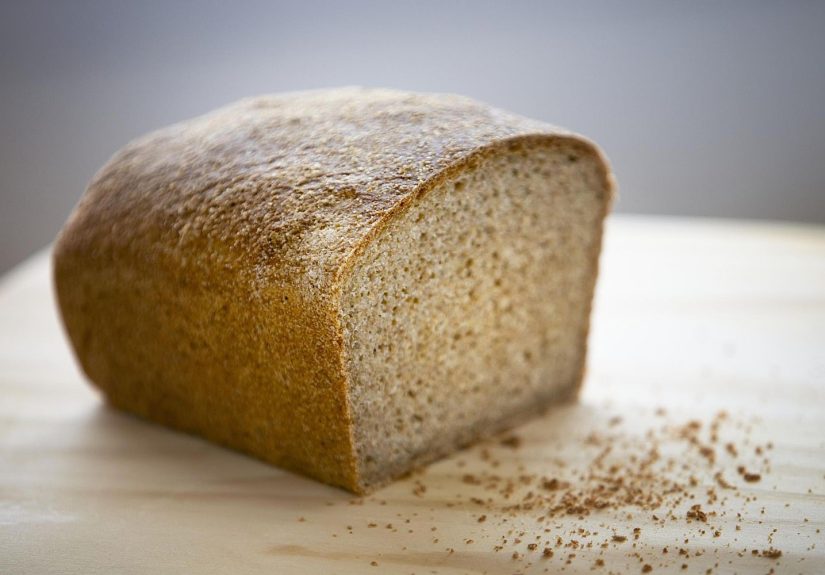
There are few kitchen victories as satisfying as lifting the lid of your bread machine and finding a tall, golden loaf of whole wheat bread waiting inside. It smells like a bakery moved into your kitchen, paid rent in butter, and politely asked if you have any jam. This whole wheat bread machine recipe is designed for busy home bakers who want soft slices, reliable results, and actual whole grain flavor without babysitting dough for half the afternoon.
Whole wheat bread can be a little dramatic. Compared with white bread, it has more bran and germ, which means more flavor, more fiber, and a heartier texture. It also means the dough can need a bit more hydration and structure to rise beautifully. The bread machine does most of the work, but the right ingredient balance is what keeps your loaf from turning into a nutritious doorstop.
This recipe makes a soft, lightly sweet, sandwich-friendly loaf with a tender crumb and a sturdy slice. It is excellent for toast, grilled cheese, peanut butter sandwiches, breakfast with honey, or those “I’m just cutting one tiny slice” moments that somehow become three slices.
Why This Whole Wheat Bread Machine Recipe Works
A great bread machine whole wheat bread needs three things: enough moisture, enough gluten strength, and enough time for the flour to absorb liquid. Whole wheat flour contains the entire wheat kernel, including bran. Bran is wonderful for flavor and nutrition, but it can interfere with gluten development. That is why many bread machine recipes include ingredients like honey, oil, dry milk powder, or vital wheat gluten.
Honey helps the loaf brown and adds a mellow sweetness. Oil keeps the crumb tender. Dry milk powder improves softness and flavor. Vital wheat gluten is optional, but it gives the dough extra lift, especially when using 100% whole wheat flour. Think of it as a tiny personal trainer for your loaf.
Whole Wheat Bread Machine Recipe Card
Recipe Overview
- Yield: One 1.5-pound loaf
- Prep time: 10 minutes
- Bread machine time: 3 to 4 hours, depending on your machine
- Best setting: Whole Wheat cycle
- Crust: Medium
- Texture: Soft, sliceable, lightly hearty
Ingredients
- 1 1/4 cups warm water, about 80°F to 90°F
- 2 tablespoons honey or maple syrup
- 2 tablespoons olive oil, avocado oil, or melted unsalted butter
- 3 1/2 cups whole wheat flour, spooned and leveled
- 2 tablespoons nonfat dry milk powder, optional but recommended
- 1 1/2 tablespoons vital wheat gluten, optional but helpful
- 1 1/2 teaspoons fine salt
- 2 teaspoons bread machine yeast or instant yeast
Optional Add-Ins
- 2 tablespoons sunflower seeds
- 1 tablespoon ground flaxseed
- 1/4 cup rolled oats
- 1/2 teaspoon cinnamon for a breakfast-style loaf
- 1 tablespoon molasses for deeper, old-fashioned flavor
Step-by-Step Instructions
Step 1: Add the Liquid Ingredients
Pour the warm water into the bread machine pan. Add the honey and oil. Most bread machines work best when liquids go in first, but always check your machine’s manual. Bread machines, like cats, enjoy pretending they have their own rules.
Step 2: Add the Dry Ingredients
Add the whole wheat flour over the liquid so it forms a dry layer. Sprinkle in the dry milk powder and vital wheat gluten, if using. Add the salt to one side of the pan.
Step 3: Add the Yeast Last
Make a small well in the center of the flour and add the yeast. Try to keep the yeast away from direct contact with the salt and liquid until mixing begins. This is especially important if you are using a delayed start, though this recipe is best baked right away for the strongest rise.
Step 4: Choose the Right Cycle
Select the Whole Wheat cycle, a 1.5-pound loaf, and medium crust. If your machine does not have a whole wheat setting, use the basic cycle, but expect a slightly denser loaf. Whole wheat flour benefits from extra kneading and resting time.
Step 5: Check the Dough After 5 to 10 Minutes
This is the one tiny job you should not skip. Open the lid during the first kneading stage and look at the dough. It should form a soft, tacky ball that clears most of the sides of the pan. If it looks dry and crumbly, add water one teaspoon at a time. If it looks wet and batter-like, add whole wheat flour one tablespoon at a time.
Step 6: Let the Machine Finish
Once the dough looks right, close the lid and let the bread machine do its job. Avoid opening the lid during rising or baking. Peeking is emotionally understandable, but bread prefers privacy.
Step 7: Cool Before Slicing
When the cycle ends, remove the loaf from the pan and place it on a wire rack. Let it cool for at least 1 hour before slicing. Cutting hot bread too early can make the inside gummy, even when the bread is fully baked.
How to Get Soft Whole Wheat Bread in a Bread Machine
The secret to soft whole wheat bread is not one magic ingredient. It is the combination of moisture, fat, sweetener, and proper cooling. Whole wheat flour absorbs more liquid than white flour, so a dough that looks slightly tacky is usually better than one that looks dry and stiff.
If your loaf often comes out dense, start by checking your flour measurement. Scooping flour directly with a measuring cup can pack in too much flour. Instead, spoon the flour into the cup and level it with a knife. For the most accurate results, weigh your flour. A cup of whole wheat flour is usually around 113 to 120 grams, depending on the brand and how it is measured.
Another helpful trick is to let the ingredients sit in the bread pan for 10 minutes before starting the machine. This gives the whole wheat flour a head start on absorbing water. It is not required, but it can improve texture.
Troubleshooting Whole Wheat Bread Machine Bread
Why Is My Whole Wheat Bread Dense?
Dense bread usually comes from too much flour, not enough liquid, old yeast, or not enough gluten strength. Make sure your yeast is fresh, your water is warm but not hot, and your dough forms a soft ball during kneading. Adding vital wheat gluten can also help create a taller loaf.
Why Did My Loaf Collapse?
A collapsed loaf may mean there was too much liquid, too much yeast, or the bread rose too quickly. Try reducing the water by 1 tablespoon or the yeast by 1/4 teaspoon. This can be especially helpful in warm kitchens or humid weather.
Why Is the Crust Too Thick?
Use the light or medium crust setting instead of dark. Remove the bread as soon as the cycle ends. Leaving bread in the machine too long can make the crust tougher because trapped heat and steam keep working on it.
Why Is the Bread Gummy Inside?
The most common reason is slicing too soon. Whole wheat bread needs time to cool and finish setting. If you slice it hot, the inside may look sticky even if the loaf baked correctly.
Best Flour for Bread Machine Whole Wheat Bread
For the best result, use fresh whole wheat flour. White whole wheat flour is a great option if you want a milder flavor and lighter color while still using whole grain flour. Traditional red whole wheat flour gives a deeper, nuttier taste.
If you are new to whole wheat bread, you can make a softer beginner loaf by replacing 1 cup of whole wheat flour with bread flour. This creates a lighter texture while keeping much of the whole grain character. Once you like the results, move closer to 100% whole wheat.
Easy Variations
Honey Whole Wheat Bread Machine Recipe
Use 3 tablespoons of honey instead of 2. This creates a slightly sweeter loaf that is excellent for toast, butter, and cinnamon sugar.
Oat Whole Wheat Bread
Add 1/4 cup rolled oats and increase the water by 1 tablespoon if the dough looks dry. Oats add a pleasant chew and a cozy breakfast flavor.
Seeded Whole Wheat Bread
Add sunflower seeds, sesame seeds, or pumpkin seeds during the add-in beep. If your machine does not beep, add seeds during the last few minutes of kneading.
Dairy-Free Whole Wheat Bread
Skip the dry milk powder and use olive oil instead of butter. The loaf will still be delicious, though slightly less soft.
How to Store Whole Wheat Bread
Let the loaf cool completely before storing. Keep it in a bread bag, airtight container, or wrapped in foil at room temperature for 2 to 3 days. Do not refrigerate unless you truly must; refrigeration can make bread stale faster.
For longer storage, slice the loaf and freeze it. Place parchment paper between slices if you want to remove them one at a time. Frozen slices can go straight into the toaster, which is excellent news for anyone who has ever needed breakfast before their brain officially came online.
Serving Ideas
This homemade whole wheat bread is sturdy enough for sandwiches but soft enough for toast. Try it with egg salad, turkey and cheddar, almond butter and banana, avocado and sea salt, or classic butter and jam. It also makes excellent French toast because the whole wheat flavor stands up nicely to eggs, milk, cinnamon, and vanilla.
For dinner, serve thick slices with soup, chili, roasted vegetables, or a simple salad. If the loaf is a day or two old, cube it for croutons or turn it into breadcrumbs. Homemade bread rarely goes to waste; it simply changes careers.
Frequently Asked Questions
Can I use regular active dry yeast?
Yes, but bread machine yeast or instant yeast is more convenient because it can be added directly with the dry ingredients. If using active dry yeast, check your machine’s instructions. Some machines handle it well, while others perform better when the yeast is dissolved first.
Can I make this recipe without vital wheat gluten?
Yes. The bread may be slightly shorter and denser, but it can still taste great. For a softer loaf without gluten, replace 1/2 to 1 cup of whole wheat flour with bread flour.
Can I use all-purpose flour instead of whole wheat flour?
You can, but it will no longer be whole wheat bread. All-purpose flour absorbs less liquid, so the recipe would need adjustment.
Can I use the delay timer?
It is better to bake this loaf right away, especially if using ingredients like milk powder or butter. Also, whole wheat dough benefits from checking the texture early in the kneading cycle.
Real-Life Experience: What I Learned Making Whole Wheat Bread in a Bread Machine
The first thing you learn when making a whole wheat bread machine recipe is that bread dough has opinions. Some days it behaves like a perfect little bakery apprentice. Other days it clings to the side of the pan like it has emotional attachment issues. The biggest lesson is simple: check the dough early. That one small habit can save an entire loaf.
When I first started making whole wheat bread in a bread machine, I assumed the machine would handle everything. Add ingredients, press button, become bread wizard. Easy, right? Mostly, yes. But whole wheat flour is not as forgiving as white flour. It absorbs liquid slowly, and different brands can behave differently. A dough that looks dry after three minutes may soften after eight minutes. That is why the 5-to-10-minute dough check matters so much.
One of the best examples came from a loaf made on a rainy day. The kitchen was humid, and the dough looked looser than usual. Instead of adding a huge scoop of flour, I added just one tablespoon, waited a few minutes, and checked again. That small adjustment was enough. The loaf rose beautifully and sliced cleanly. If I had dumped in too much flour, the bread would have turned heavy and dry.
Another useful experience is learning how much flavor comes from small ingredient choices. Honey gives the bread a warm sweetness, while molasses creates a deeper, almost old-fashioned taste. Olive oil makes a softer everyday sandwich loaf, while butter gives a richer flavor. Dry milk powder may not sound exciting, but it helps create a softer crumb and a more rounded taste. It is the quiet background singer of the recipe.
Vital wheat gluten is also worth understanding. It is not required, but it can be very helpful when baking with 100% whole wheat flour. Without it, the loaf may still taste wonderful, but it may not rise as tall. With it, the bread often has better structure and a more elastic crumb. For anyone who wants a loaf that looks like sandwich bread instead of a wheat-flavored brick with ambition, it is a smart pantry item.
Cooling is another lesson that requires patience, which is rude but necessary. Fresh bread smells incredible, and the urge to slice it immediately is powerful. However, whole wheat bread needs time to set after baking. Cutting too soon can make the center gummy. Waiting an hour feels dramatic, but the reward is clean slices and better texture.
The final lesson is that bread machines are wonderfully practical. They make homemade bread feel possible on normal weekdays, not just on cozy weekends when you have time to flour a countertop and contemplate life. A good whole wheat loaf can become toast on Monday, sandwiches on Tuesday, grilled cheese on Wednesday, and breadcrumbs by Friday. That is the beauty of this recipe: it is simple, useful, and just fancy enough to make your kitchen smell like you know exactly what you are doing.
Conclusion
This Whole Wheat Bread Machine Recipe gives you a dependable homemade loaf with hearty flavor, soft texture, and simple ingredients. The key is using enough liquid, checking the dough early, and letting the bread cool before slicing. Once you understand how whole wheat flour behaves, the bread machine becomes less mysterious and much more fun. Whether you want healthier sandwich bread, cozy breakfast toast, or a reliable loaf for the week, this recipe is a practical keeper.
Note: This article is written as original web-ready content and synthesized from established bread machine baking practices, whole wheat baking methods, and reputable U.S. recipe guidance. No source links or citation placeholders are included, as requested.